

 EN
EN
 AR
AR CS
CS DA
DA NL
NL FI
FI FR
FR DE
DE EL
EL IT
IT JA
JA KO
KO NO
NO PL
PL PT
PT RO
RO RU
RU ES
ES SV
SV TL
TL IW
IW ID
ID LV
LV SR
SR SK
SK VI
VI HU
HU MT
MT TH
TH TR
TR FA
FA MS
MS GA
GA CY
CY IS
IS KA
KA UR
UR LA
LA TA
TA MY
MY
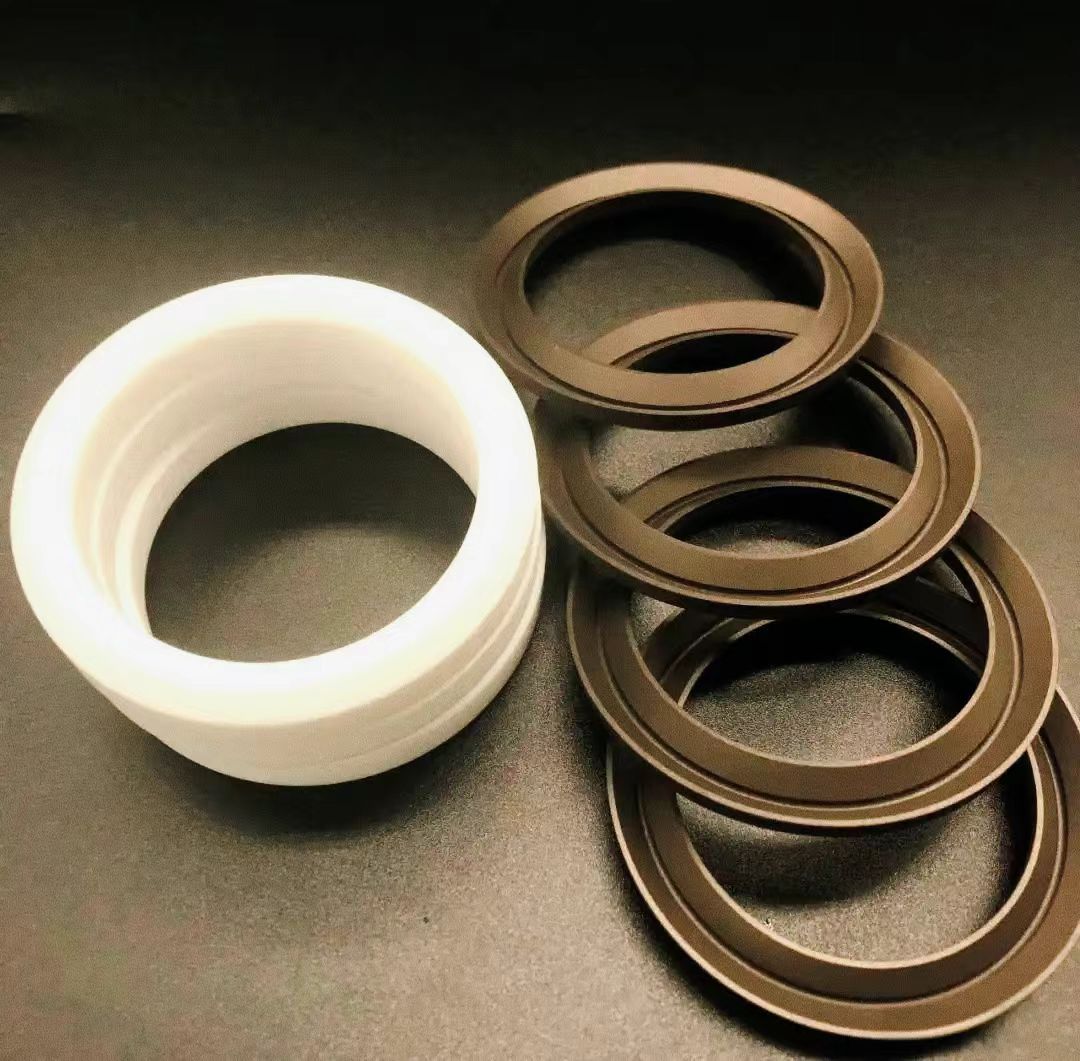
كاسر هيدروليكي يعمل عند ضغط يتراوح بين ٢٠٠ و٢٧٠ بار يُخضع ختمه لأحمال صدمية دورية مستمرة لا تتعرض لها معظم الأسطوانات الهيدروليكية أبدًا. فكل حركة للإسطوانة تُحدث قمة ضغط، ثم انخفاضًا، ثم قمة ضغط أخرى — مئات المرات في الدقيقة، وعلى امتداد آلاف الساعات التشغيلية. ومادة الختم التي تصلح للأسطوانة الهيدروليكية ذات الحركة البطيئة في ذراع الرافعة ليست هي نفسها مادة الختم الملائمة لكاسر الصخور الصلبة. وإن كان الخطأ في اختيار هذه المادة لا يؤدي إلى تراجع تدريجي في الأداء، فإنه يؤدي مباشرةً إلى تسرب، ثم فشل حلقة O-ring ، ثم تلوث كامل لنظام الزيت الهيدروليكي، ثم تلف الوحدة بالكامل وانقطاع التشغيل لمدة أسبوعين.
لماذا لا تكفي مادة النتريل المطاطية القياسية (NBR) للمطارق عالية التأثير؟
النبر — المطاط النتريلي — هو مادة الختم الافتراضية في معظم قطاع الهيدروليك. وهو يتعامل جيدًا مع الزيوت المعدنية ويتحمل درجات الحرارة من -٤٠°م إلى ١٠٠°م. وفي التطبيقات ذات الضغط المنخفض إلى المعتدل، يؤدي أداءً موثوقًا به لسنوات عديدة. وعادةً ما يُصنَّف المطاط النتريلي القياسي للاستخدام حتى ضغط يبلغ نحو ١٥٠ بار؛ أما فوق هذا الضغط، فإنه دون حلقات دعم صلبة مقاومة للانزياح، ينزاح الختم داخل فجوة التخليص تحت تأثير قمم الضغط. ويُشغَّل الكسّار الهيدروليكي عادةً عند ضغط يتراوح بين ٢٠٠ و٢٥٠ بار، مع قمم انتقالية تتجاوز ذلك بكثير في كل دورة ارتطام. وتشغيل المطاط النتريلي القياسي دون حلقات دعم كافية في تلك البيئة يؤدي حتمًا إلى الفشل — حيث يتشوَّه الختم تشوهًا بلاستيكيًّا، ويفقد شكله الختمي، وينتج عنه تسرب.
تحل أختام البولي يوريثان الحراري (TPU) هذه المشكلة. وتتحمل مركبات TPU من الجيل الخامس ضغوطًا تصل إلى 400 بار دون الحاجة إلى حلقات دعم، وتوفر عمر افتراضي في مقاومة التآكل يفوق عمر المطاط النتريلي (NBR) بثلاثة إلى أربعة أضعاف في الظروف المسببة للتآكل، كما تعود إلى شكلها الأصلي بعد حدوث قمم ضغطية — وهذه الذاكرة المرنة ذات أهمية بالغة عندما يُعدّ كل دورة لبستون حدث تحميل. كما أن مادة TPU مقاومة للانحلال المائي (Hydrolysis)، أي أنها لا تتحلل عند التعرّض للرطوبة، وهي خاصية ذات أهمية كبيرة في المواقع التي يحتمل فيها تكوّن التكثيف أو تسرب المياه.
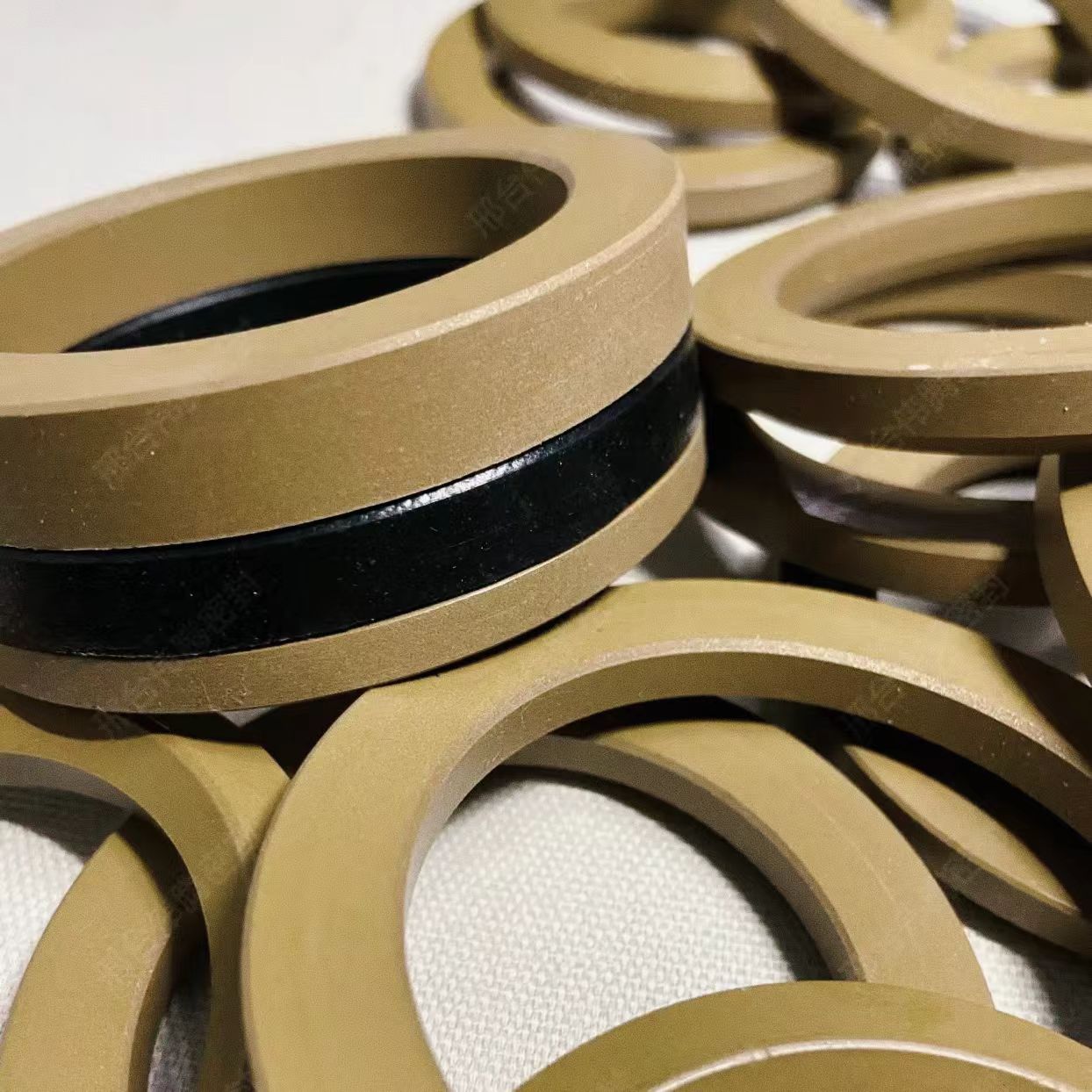
البولي تيترا فلورو إيثيلين (PTFE)، والمطاط الفلوروكربوني (FKM)، ومتى يكون استخدام كل مادة مناسبًا
يُمثل البولي تترافلوروإيثيلين (PTFE) المُعبأ بالبرونز أو الكربون الطرف الآخر من طيف الأداء: احتكاك منخفض للغاية، ومقاومة عالية للبثق، ونطاق درجة حرارة تشغيل من -200 درجة مئوية إلى 260 درجة مئوية. يعمل البولي تترافلوروإيثيلين (PTFE) على أفضل وجه كعنصر حلقة انزلاقية على سطح المكبس، مقترنًا بمُنشط مطاطي يحافظ على قوة تلامس الإحكام ثابتة. في حد ذاته، يكون البولي تترافلوروإيثيلين النقي لينًا جدًا للإحكام الديناميكي عالي الضغط - فالحشو هو ما يمنحه قوة الضغط. يدخل مركب الفلوروكربون (FKM) (فيتون) في الصورة عندما يكون التركيب الكيميائي للسائل أو درجة الحرارة هو العامل المحدد، وليس الضغط، كما هو الحال مع السوائل الهيدروليكية الاصطناعية عند درجات حرارة مرتفعة.
توفّر شركتا هوڤو وهوفو مجموعات ختم مع مركبات البولي يوريثان الحراري (TPU)، والبولي تترافلوروإيثيلين الممتلئ (PTFE)، والمطاط الفلوروكربوني (FKM)، والمطاط النتريلي (NBR)، المُصمَّمة خصيصًا وفق مواصفات طرازات بيلايت وبيئات التشغيل الخاصة بها. واستبدال ختم بتكلفة ٥٠ دولارًا أمريكيًّا بمادة الختم الصحيحة قبل حدوث الفشل يحمي الإسطوانة التي تبلغ تكلفتها ٢٠٠ دولار أمريكي والكاسر الذي تبلغ تكلفته ٥٠٠٠٠ دولار أمريكي الموجود خلفها. ويمكن شراء الختم من الرابط التالي: https://www.hovooseal.com/
دليل اختيار مواد الختم
المادة |
حد الضغط |
نطاق درجة الحرارة |
أفضل استخدام |
NBR |
حتى حوالي ١٥٠ بار (يتطلب حلقة دعم إضافية في الأعلى) |
-40°م إلى +100°م |
زيت معدني قياسي؛ زيت عام منخفض الضغط |
TPU / البولي يوريثان |
حتى ٤٠٠ بار دون حلقة دعم |
-٥٠°م إلى +١٢٠°م |
ديناميكي عالي التحمل؛ للتعدين، والمحاجر، ودورات التشغيل العالية |
PTFE مملوءة |
عالية؛ احتكاك منخفض، مقاومة للانزياح |
-200°م إلى +260°م |
أسطوانة ذات سرعة عالية؛ تتطلب مقاومة كيميائية |
FKM (فيتون) |
عالية |
حتى 200°م |
بيئات ذات درجات حرارة مرتفعة أو سوائل عدائية |
مفك الهيدروليكي مجموعة الختم عالية الضغط | ختم كسر بولي يوريثان تي بي يو | ختم أسطواني من بولي تيترا فلورو إيثيلين لمطرقة هيدروليكية | منع فشل الختم المصنوع من نتريل بوتادين مطاطي | هووفو | هوفو | hovooseal.com


