

 EN
EN
 AR
AR CS
CS DA
DA NL
NL FI
FI FR
FR DE
DE EL
EL IT
IT JA
JA KO
KO NO
NO PL
PL PT
PT RO
RO RU
RU ES
ES SV
SV TL
TL IW
IW ID
ID LV
LV SR
SR SK
SK VI
VI HU
HU MT
MT TH
TH TR
TR FA
FA MS
MS GA
GA CY
CY IS
IS KA
KA UR
UR LA
LA TA
TA MY
MY
لماذا تفشل الوحدات ذات الدرجة الإنشائية في هذه البيئة
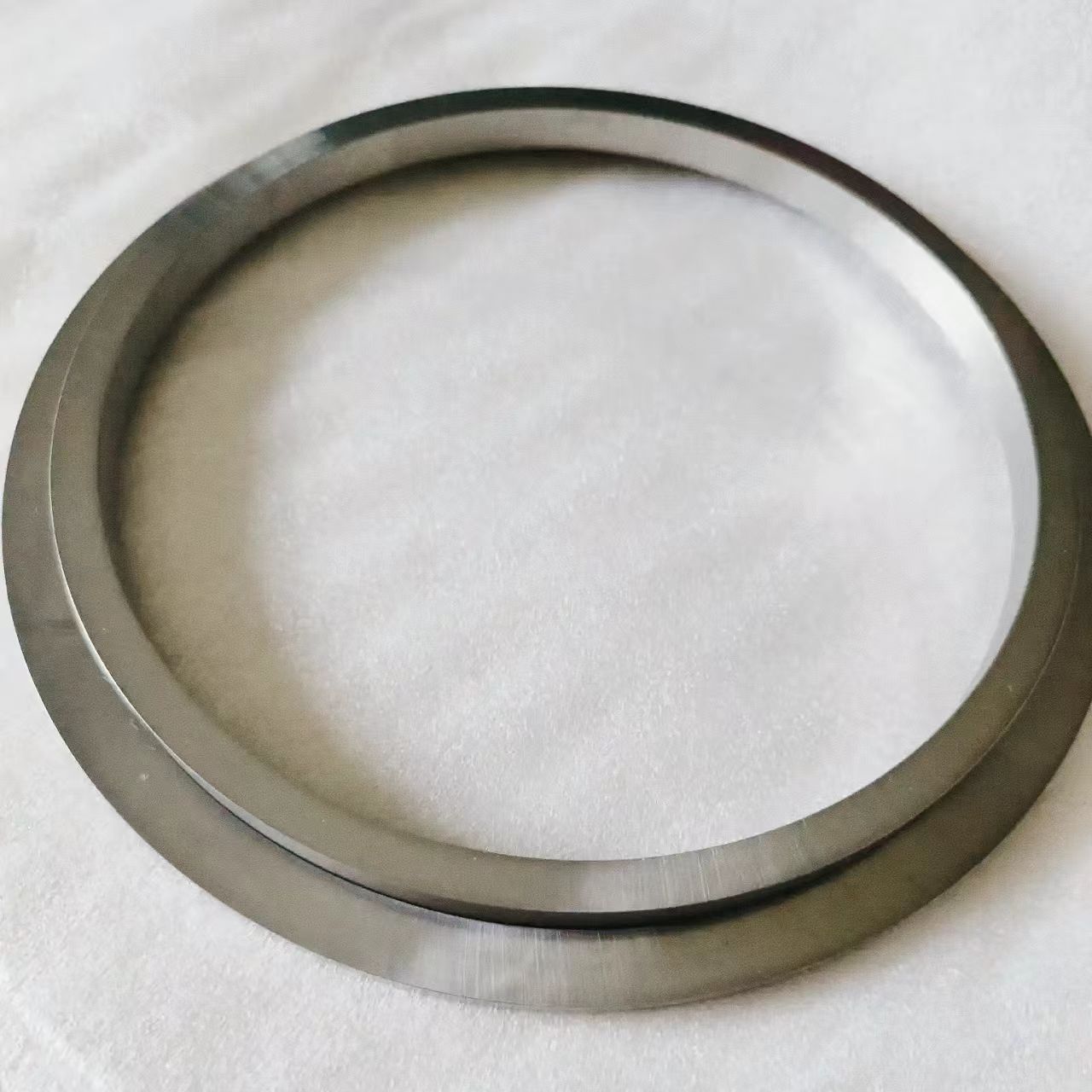
أغلى خطأ يُرتكب عند اختيار مُكسِّرات الحجارة في المحاجر والمناجم هو شراء وحدة من الفئة الإنشائية لمجرد أنها تتوافق مع المركبة الناقلة وأن سعرها يبدو مناسبًا. وستعمل هذه الوحدة — لفترة قصيرة. فالمُكسِّرات الإنشائية العاملة في بيئات التعدين عادةً ما تفشل بعد إنجاز ٤٠–٥٠٪ فقط من عمرها التشغيلي المُحدَّد، وذلك لأنها مُصمَّمة للاستخدام المتقطِّع: مثل أعمال الهدم، وإصلاح الطرق، وحفر الأساسات. أما في المحاجر، فإن المُكسِّر يعمل ست إلى عشر ساعات يوميًّا على صخور أشد صلابةً وأكثر خشونةً مما تُنتجه أي مواقع إنشائية. كما أن الختمات، والمُجمِّع (الاكوومولاتور)، وسبيكة الأسطوانة ليست مُصنَّعة لتحمل تلك الأحمال.
الفرق الهندسي قابل للقياس. تعمل كاسرات المناجم عند ضغط تشغيلي يتراوح بين ٢٠٠ و٢٧٠ بار، مقارنةً بـ ١٥٠–١٨٠ بار لكاسرات الفئة الإنشائية. وهي تستخدم تجميعات أجسام أسطوانية معزَّزة — عادةً من فولاذ سبائكي عالي الجودة بدلًا من الفولاذ الكربوني القياسي — وأنظمة امتصاص مزدوجة تحافظ على طاقة التأثير المتسقة أثناء التشغيل المستمر. إذ يستغرق كاسر إنشائي يعمل عند ضغط ١٨٠ بار في صخور الجرانيت وقتًا أطول لكل صخرة مقارنةً بكاسر منجمي يعمل عند ضغط ٢٢٠ بار، ويستهلك وقودًا أكثر لكل طن معالج، ويصل إلى حد اهترائه بعد حوالي نصف عدد الساعات التشغيلية. وبذلك تختفي وفورات التكلفة الأولية خلال السنة الأولى.
دورة العمل هي المتغير الحاسم. فيجب إعادة تصنيف قاطع الدائرة، الذي تم تحديد تصنيفه لفترات إغلاق تبلغ ٢٥٠٠ ساعة في أعمال البناء المتقطعة، ليصبح تصنيفه ١٥٠٠ ساعة عند التشغيل المستمر في نوبات التعدين. إن الأختام لا تفشل بسبب عيوبها — بل تفشل لأن الحمل التشغيلي للوحدة يتجاوز ما افترضته مواصفات الختم. ولذلك فإن السؤال الصحيح المتعلق بالاختيار ليس «أي قاطع يناسب الجرافة»، بل هو «أي قاطع مُصنَّف لعدد الساعات الفعلي التي ستُشغل فيها هذه العملية يوميًّا؟»
نوع الصخر، والضغط، والأداة، وفترة استبدال الختم — مرجع سريع
تشمل الصفوف الأربعة التالية أنواع الصخور الأكثر شيوعًا في عمليات المحاجر والتعدين المكشوف، مع نطاق الضغط التشغيلي المطلوب لهذه المادة، واختيار المثقاب المناسب، وفترة استبدال الختم الواقعية في ظل التشغيل المستمر بنوبات عمل.
نوع الصخر وقوته |
الضغط العامل |
اختيار المِثْقَب |
فترة استبدال الختم (مستمر) |
حجر جيري (٢٠–١٠٠ ميجا باسكال) |
١٦٠–٢٠٠ بار |
نقطة مويل أو مثقاب مسطح |
٢٠٠٠–٢٥٠٠ ساعة |
غرانيت/بازلت (١٠٠–٢٥٠ ميجا باسكال) |
210–250 بار |
نقطة التكسير؛ قطرها ≥165 مم |
1,500–2,000 ساعة |
صخور حاملة للخام، مقاومتها للضغط 150–300 ميغاباسكال |
230–270 بار |
نقطة تكسير أو هرمية؛ الأثقل فئةً |
1,200–1,800 ساعة |
ثانوية ذات أبعاد زائدة (أي درجة صلادة) |
تناسب درجة صلادة الصخر المذكورة أعلاه |
أداة كليلة — الموجة الصدمية تُحدث تفتتًا من السطح |
مطابق للتطبيق الأساسي |
ثلاثة قرارات اختيار يخطئ فيها مشترو الحفريات عادةً
الأول هو حجم الناقل ضمن النطاق المُصنَّف. ففي عمليات استخراج الحجارة، يُفضَّل استخدام النهاية العليا من نطاق وزن الناقل الموصى به للمُكسِّر — إذ يوفِّر ناقل وزنه ٣٠–٣٣ طنًا على مكسِّر مُصنَّف لوزن ناقل يتراوح بين ٢٧–٣٣ طنًا ثباتًا أفضل عند التعامل مع الصخور الكبيرة، ويقلِّل من الارتداد الذي يؤدي إلى تبدُّد طاقة التأثير دون تفتيت الصخور. أما استخدام ناقل وزنه ٢٧ طنًا على نفس الوحدة فهو ضمن المواصفات الفنية، لكنه يُهمِّش جزءًا من الإنتاج في كل وردية.
أما الثاني فهو اختيار الأداة لكسر المواد الثانوي. وعند مغذي الشبكة أو الكسارة، يكون الخيار البديهي هو طرف المثقب (moil point) لأنه «يَنفُذُ» في المادة. لكن هذا الخيار خاطئ عند التعامل مع الصخور الكبيرة جدًّا. فالأداة المسطحة تُرسل موجة الصدمة عبر المادة بكفاءة أعلى، مما يؤدي إلى تفتتها من الداخل إلى الخارج بدلًا من حفر نقطة واحدة فقط. وعلى عكس الرأي السائد، فإن الأداة المسطحة هي الأنسب لمعظم عمليات كسر المواد التي تتجاوز الأبعاد المسموح بها، لأنها توفر وضعية أفضل وتنقل موجة الصدمة بكفاءة أعلى. وصف أحد مشرفي المحاجر ذوي الخبرة الفرق بينهما قائلًا: «إن طرف المثقب يتجادل مع الصخر، أما الأداة المسطحة فتُقنِعه.»
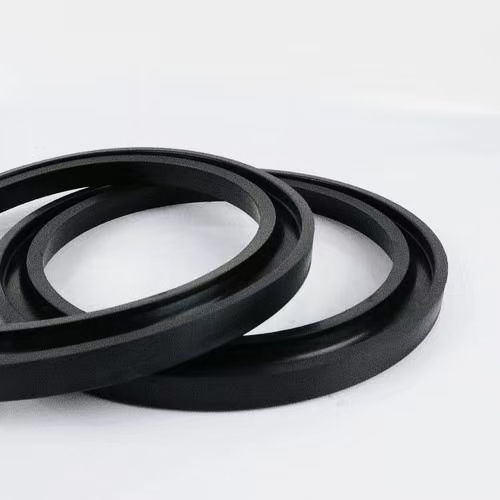
والثالث هو مخزون القطع الغيار. وتتعامل أكثر عمليات المحاجر إنتاجيةً مع إمدادات المنشار الحديدي باعتبارها مشكلة لوجستية استهلاكية، وليس قرار صيانة. ففي الجرانيت الصلب، قد يحتاج المنشار الحديدي إلى الاستبدال أسبوعيًّا. أما العمليات التي تنظر إلى طلب المناشير الحديدية على أنه حدث تفاعلي — أي تطلب عند انتهاء عمر المنشار الأخير — فتخسر نصف وردية عمل كل بضعة أسابيع انتظارًا للقطع الغيار. والنهج الصحيح هو الاحتفاظ بمجموعة ثابتة من المناشير الحدية، مجموعات ختم والحلقات الداعمة في ورشة المحجر بكميات تكفي لتغطية ثلاث إلى أربع دورات استبدال. ولهذا المستوى من المخزون علاقة مباشرة بعدد ساعات الإنتاج المتاحة.


