

 EN
EN
 AR
AR CS
CS DA
DA NL
NL FI
FI FR
FR DE
DE EL
EL IT
IT JA
JA KO
KO NO
NO PL
PL PT
PT RO
RO RU
RU ES
ES SV
SV TL
TL IW
IW ID
ID LV
LV SR
SR SK
SK VI
VI HU
HU MT
MT TH
TH TR
TR FA
FA MS
MS GA
GA CY
CY IS
IS KA
KA UR
UR LA
LA TA
TA MY
MY
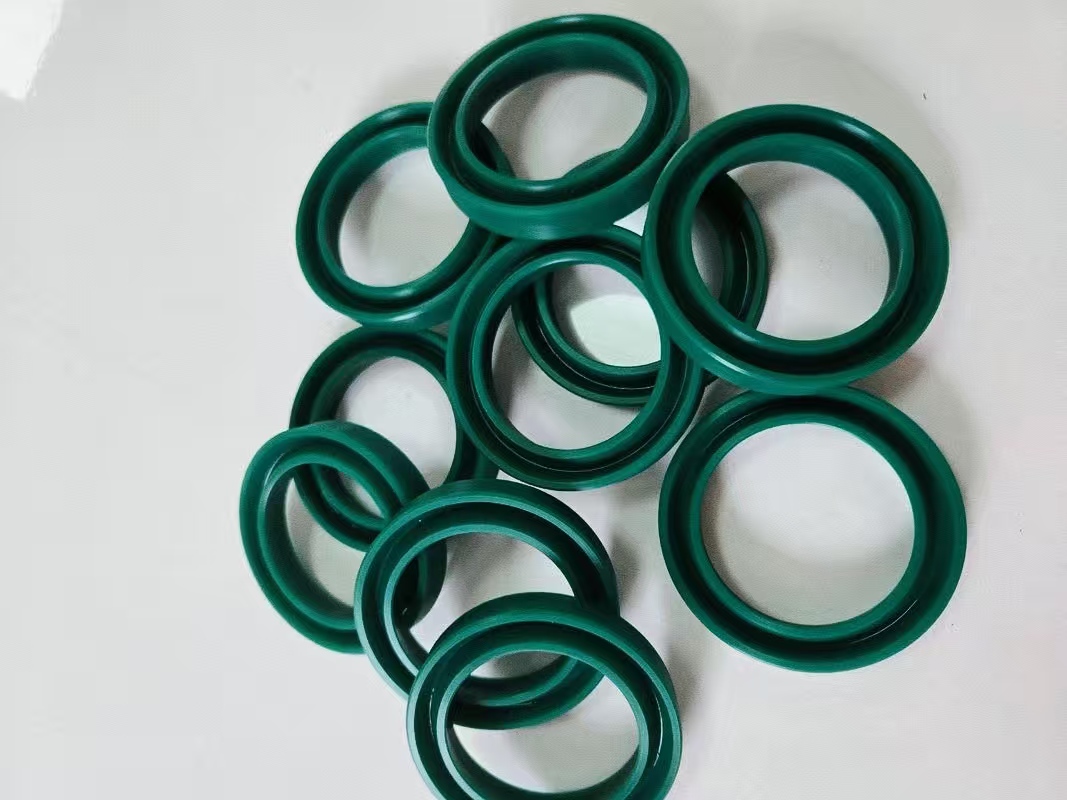
ما الذي يفعله العازل فعليًّا — ولماذا لا يكون فشله أبدًا رخيص الثمن
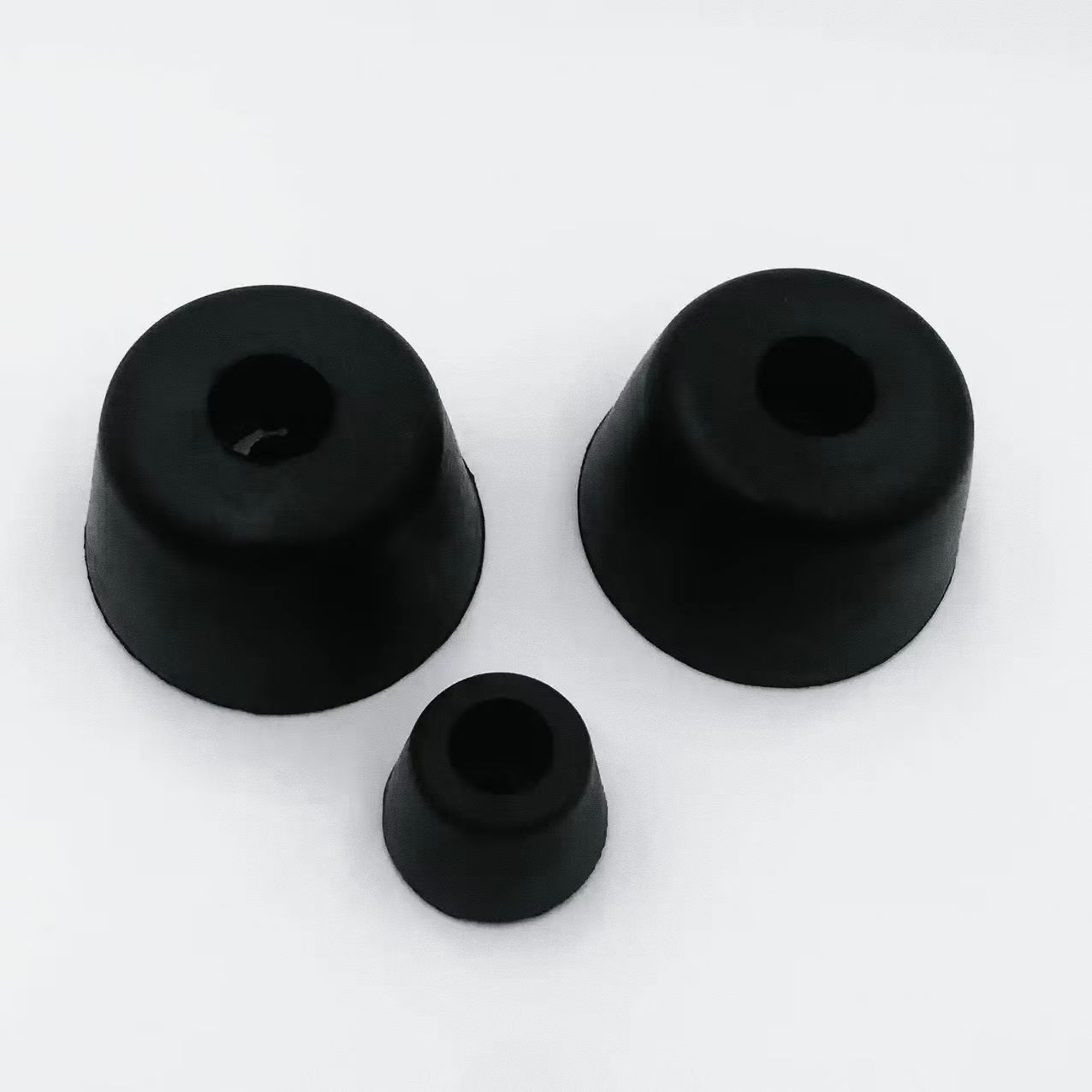
غطاء ممتص الصدمات — ويُسمى أيضًا العازل أو وسادة المثبِّت أو العازل المطاطي تبعًا للعلامة التجارية — يقع بين خلية طاقة القاطع وغلافه الخارجي. ويلاحظه معظم المشغلين فقط عندما يحتاج إلى الاستبدال. وهذه ليست اللحظة المناسبة لبدء الانتباه إليه.
يؤدي المخزن المؤقت وظيفتين في وقتٍ واحد. أولاً، يعزل خلية الطاقة عن الهيكل الخارجي، بحيث لا تنتقل التأثيرات العديدة التي يولّدها المكبس كل ساعة (التي قد تصل إلى آلاف التأثيرات) مباشرةً إلى حامل الفولاذ ثم إلى ذراع الحفّار. وبغياب هذا المخزن المؤقت، فإن براغي تثبيت الذراع، والوصلات الملحومة لذراع الحفّار (Stick)، وتجهيزات المواسير الهيدروليكية، تمتص ارتداد كل ضربة. ومع ذلك، فإن تطوير أنظمة فعّالة للغاية لتقليل الاهتزازات في المطارق الحديثة يحدّ من مقدار الإجهاد الواقع على الذراع وعلى الحفّار عموماً. ثانياً، يعمل المخزن المؤقت كخط الدفاع الأول ضد إطلاق النار الفارغ. وعندما يطلق المكبس طاقته خلال المادة دون أن يواجه أداةً توفر مقاومةً له، فإن وسادة هيدروليكية موجودة في قاع الأسطوانة تُخفّف حركة المكبس — لكن المخزن المؤقت يمتص الارتداد الثانوي الذي ينتقل عائداً عبر الهيكل الخارجي. أما إذا انقسم المخزن المؤقت أو انضغط بالكامل، فإنه يمرّر تلك الطاقة مباشرةً إلى الذراع. وفي هذه الحالة، لم يعد الأمر مشكلةً تتعلّق بالمخزن المؤقت، بل أصبح مشكلةً هيكلية.
يؤثر الفرق في المادة بين المصدّات المطاطية والمصدّات المصنوعة من البولي يوريثان في الاستخدام العملي. فالممتصّات المصنوعة من البولي يوريثان المستخدمة في أنظمة حامل الكسّارات الحديثة تكون أكبر حجمًا مقارنةً بتلك التي وفّرتها التصاميم القديمة المصنوعة من المطاط، مما يلغي التلامس المعدني-المعدني الذي لم تتمكّن المطاطات من منعه تحت الأحمال الثقيلة. ويتعامل البولي يوريثان مع دورات الحمل الانضغاطي بشكل أفضل على مر الزمن، لكنه يتدهور بسرعة كبيرة عند ملامسته لزيت الهيدروليك — ولذلك فإن المصدّ الذي ينتفخ أو يصبح لزجًا أو يفقد قدرته على الارتداد عند الضغط عليه بالإبهام يكون غالبًا ما يقع بالقرب من تسرب بطيء في خرطوم أو ختم. وبذلك يُعتبر المصدّ مؤشرًا دالًّا على عطلٍ كامنٍ، وليس مجرد قطعة غيار استهلاكية.
أربع أسباب للفشل المبكر — العلامة، والمصدر، والتدخل
يعرض الجدول أربع أسباب شائعة جدًّا لاختصار عمر المصدّ، والعَلامة المرئية عليه ذاته، والتدخل الصحيح المطلوب — بما في ذلك ما يجب إصلاحه في المرحلة السابقة (upstream) قبل استبدال القطعة.
سبب التآكل المبكر |
العلامة المرئية على المصدّ |
التدخل الصحيح |
الإطلاق الفارغ |
انضغاط مسطح، أو سطح متشقق، أو تمزق شعاعي انقسامي |
أوقف التشغيل فور تحطّم الصخر. وإذا ظهرت تشققات شعاعية في الوسادة، فاستبدلها فورًا — إذ إن الوسادة المنقسمة تُرسل ارتداد المكبس بالكامل مباشرةً إلى نقطة تثبيت الذراع. |
تحميل جانبي مفرط / رفع أو دفع جانبي |
انضغاط غير متناظر — حيث يكون أحد الجانبين منضغطًا أكثر بكثير من الجانب الآخر؛ وتشوّه مقعد برغي التثبيت |
تصحيح تقنية التشغيل أولًا؛ واستبدال الوسادة؛ وفحص اتصال الذراع بحثًا عن تشققات دقيقة في اللحام قبل إعادتها للخدمة |
تلوث بالزيت أو السائل الهيدروليكي |
انتفاخ السطح، والالتصاق، وفقدان القدرة على الارتداد — إذ يتحلل البولي يوريثان أسرع من المطاط عند التلامس مع المنتجات النفطية |
تتبّع مصدر الزيت (تسرب من الخرطوم أو تسرب خفيف من الحشية الداخلية) وإصلاحه قبل استبدال الوسادة؛ وإلا فإن القطعة الجديدة ستنتفخ خلال أسابيع |
إجهاد حراري (حرارة محيطة مرتفعة + نوبات عمل طويلة) |
تصلّب السطح، وتشققات دائرية دقيقة، ونقص في السماكة بسبب التشوه الدائم |
تحقق من درجة حرارة الزيت — فإذا تجاوزت بانتظام ٧٠–٨٠ °م، فعليك معالجة نظام التبريد أولًا. وخصص ميزانية لاستبدال وحدة التخزين المؤقت (البافر) ربع السنوية للتشغيل المستمر في محاجر الحجر. |
كيف يُطيل أسلوب التشغيل عمر البافر
عمر خدمة البافر أكثر حساسيةً لتصرفات المشغل مقارنةً بجودة المادة المصنوع منها. ويُعد إطلاق النار الفارغ (Blank firing) الحدث الأكثر ضررًا على الإطلاق — حيث يندفع المكبس عبر المادة دون مقاومة، فينتقل الطاقة التي كان من المفترض أن تُحدث تكسيرًا في الصخور عائدًا عبر الأداة ورأسها الأمامي وخلية الطاقة ثم إلى البافر. وتلتقط حماية مكافحة إطلاق النار الفارغ المزروعة عند مجرى الأسطوانة الحدث الأول، لكن البافر يمتص الارتداد المتبقي. ولا يُشكّل حدث إطلاق نار فارغ واحد كارثةً. أما التكرار المعتاد لإطلاق النار الفارغ فيؤدي إلى انضغاط غير متناظر للبافر، ولا تستعيد مادة البولي يوريثان أو المطاط المضغوطة شكلها الأصلي — بل تبقى مضغوطة، وبذلك يقل ارتفاع وسادة الامتصاص، ما يعني أن الحدث التالي لإطلاق النار الفارغ سيُرسل قوة أكبر بكثير.
إدارة الضغط التنازلي هي المكمل العملي لمنع إطلاق النار الفارغ. فإذا لم يُطبِّق المشغل ضغطًا تنازليًّا كافيًا، فإن المُكسِّر سيهتزّ ويتمايل — وهذا الاهتزاز يُلحق الضرر بنظام التعليق العازل داخل المكسِّر وقد يؤدي إلى تشقُّق نقطة تركيب الذراع الرافعة. والنهج الصحيح هو تطبيق ضغط تنازلي ثابت، والحفاظ عليه حتى تنكسر المادة، ثم فصل النظام الهيدروليكي فور فقدان الأداة للتلامس مع السطح. وعندما ترفع المكسِّر عن السطح الذي ترغب في كسره، يجب دائمًا فصل النظام الهيدروليكي — وهذه القاعدة تمنع إطلاق النار الفارغ وتحمي نظام التعليق العازل من الارتداد الناتج عنه.
بخصوص تكرار الفحص: يجب فحص الممتصِّص كل ٢٥٠ ساعة في حالات التشغيل العادية لأعمال البناء أو الهدم، وكل ١٠٠–١٥٠ ساعة في حالات التشغيل المستمر في المحاجر أو كسر الصخور الأولي. ويستغرق الفحص تسعين ثانيةً — حيث يُفحص جميع الجوانب الأربعة للممتصِّص للبحث عن انضغاط غير متناظر، أو تشققات سطحية، أو انتفاخ ناتج عن الزيت، أو فقدان في الارتفاع. أما الممتصِّص الذي فقد أكثر من ١٥٪ من ارتفاعه الأصلي بسبب الانضغاط الدائم، فإنه لم يعد قادرًا على امتصاص مدى الارتداد الكامل الذي افترضته التصميمات الأصلية. وقد يبدو وظيفيًّا، لكنه في الحقيقة ليس كذلك. استبدال


