

 EN
EN
 AR
AR CS
CS DA
DA NL
NL FI
FI FR
FR DE
DE EL
EL IT
IT JA
JA KO
KO NO
NO PL
PL PT
PT RO
RO RU
RU ES
ES SV
SV TL
TL IW
IW ID
ID LV
LV SR
SR SK
SK VI
VI HU
HU MT
MT TH
TH TR
TR FA
FA MS
MS GA
GA CY
CY IS
IS KA
KA UR
UR LA
LA TA
TA MY
MY
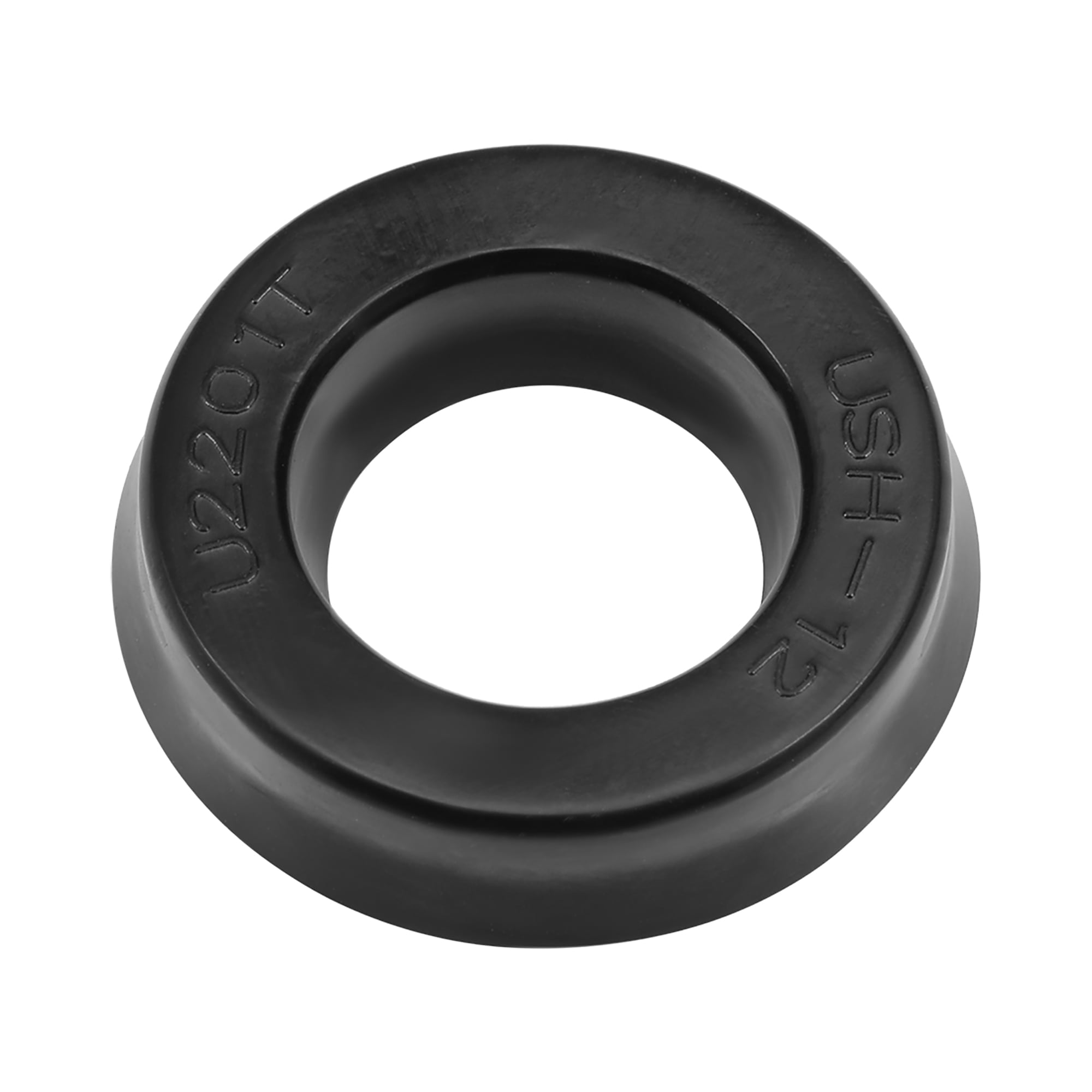
الزيت المستخدم أثناء تركيب الختم ليس مجرد وسيلة لتسهيل التجميع — بل هو أول سائل يتلامس مع مركب الختم، واستخدام الزيت غير المناسب يؤدي إلى تدهور الختم قبل أن يتعرض حتى لدورة واحدة من الضغط المتكرر. وتتسبب الشحوم القائمة على البترول في انتفاخ مطاط النتريل (NBR) بنسبة تتراوح بين ٨٪ و١٤٪ من حيث الحجم خلال فترة تتراوح بين ساعتين و٤ ساعات من التلامس. ويؤدي هذا الانتفاخ إلى تشويه هندسة شفة الختم، ودفع مقطع الختم العرضي خارج حدود التسامح المسموح بها داخل الحفرة، ما يسبب خروج الختم من مكانه وانزاحه خارج حلقة الدعم عند أول تطبيق للضغط. وبذلك يبدو الفشل الذي يحدث بعد ٤٠–٦٠ ساعة وكأنه ناتج عن عيب في مجموعة التركيب، بينما السبب الحقيقي هو زيت التجميع المستخدم.
المواد التشحيمية الصحيحة: زيت سيليكوني (داو كورنينغ دي سي-١١١ أو ما يعادله) للأختام المصنوعة من مطاط النتريل المُستَحلب (NBR) والمطاط الهيدروجيني المُستَحلب (HNBR) في دوائر الزيت المعدني؛ وسوائل هيدروليكية نظيفة للنظام (من نفس النوع المستخدم في الدائرة) للأختام المصنوعة من البولي يوريثان (PU) في تطبيقات التأثير عالي الضغط. وتتمتّع مركّب البولي يوريثان بتوافق ممتاز مع السوائل الهيدروليكية القائمة على البترول — وباستخدام زيت الدائرة مباشرةً كمادة تشحيم عند التركيب، يضمن ذلك عدم حدوث أي تفاعل مع المركّب، وعدم إدخال أي مادة غريبة قد تلوّث الدائرة. ولا يجوز أبداً استخدام الزيت السيليكوني على أختام التأثير المصنوعة من البولي يوريثان (PU) في دوائر الزيت المعدني؛ إذ إن انخفاض توتر السطح للسيليكون يؤدي إلى تشكّل قنوات دقيقة على طول منطقة تماس الأسطوانة، مما يسمح بحدوث تسرب أولي عند بدء التشغيل.
دليل توافق مواد تشحيم الأختام
مركب الختم |
مادة التشحيم الصحيحة عند التركيب |
المواد التشحيمية غير الصحيحة (ممنوع استخدامها إطلاقاً) |
السبب في فشل المواد غير الصحيحة |
مطاط NBR قياسي حلقات O وختمات الشفاه |
زيت سيليكوني دي سي-١١١ أو ما يعادله، بطبقة رقيقة |
زبدة بترولية، زيت محرك، ود-٤٠، معجون نحاسي |
يؤدي التلامس مع البترول إلى انتفاخ مطاط النتريل بنسبة ٨–١٤٪، ما يؤدي إلى خروجه من الحفرة |
أختام ضربية من البولي يوريثان بصلادة شور 90–95 |
سوائل هيدروليكية نظيفة للنظام (VG 46، مماثلة لتلك المستخدمة في الدائرة) |
شحوم سيليكونية، وشحوم بترولية، وماء |
يؤدي السيليكون إلى تشكُّل قنوات دقيقة داخل الأسطوانة؛ بينما يتسبب الماء في حدوث تآكل عند نقطة تماس الشفة |
أختام من مطاط HNBR (لتطبيقات الدوائر الساخنة) |
طبقة رقيقة من الشحم السيليكوني، أو سائل النظام النظيف |
الشحم البترولي — مقاوم لمطاط HNBR لكنه لا يزال يتسبب في انتفاخه |
استخدم الشحم السيليكوني لأغراض السلامة؛ فالشحم البترولي يتسبب في انتفاخ مطاط HNBR بنسبة 4–6% — وهي نسبة أقل من تلك التي تحدث مع مطاط NBR، لكنها قابلة للقياس |
أختام من مطاط FKM (فيتون) |
استخدم فقط الشحم السيليكوني أو سائل النظام المتوافق معه |
شحوم نفطية، منظفات قاعدتها الكيتون، أحماض قوية |
مذيبات الكيتون تهاجم مركب FKM؛ أما النفط فيسبب انتفاخًا بنسبة ٣–٥٪ |
أختام شفاهية مدعومة بـ PTFE (للكشط، للأسطوانة التغذوية) |
تركيب جاف أو استخدام كمية ضئيلة جدًّا من شحم السيليكون على مُنشِّط NBR فقط |
لا يُسمح باستخدام أي زيت تشحيم على الوجه المصنوع من PTFE — فمادة PTFE ذاتية التشحيم |
استخدام زيت تشحيم على الوجه المصنوع من PTFE يقلل من ضغط التلامس الأولي — ما يؤدي إلى التسرب المبكر |
أنبوب واحد من شحوم السيليكون (من ٨ إلى ١٢ دولار أمريكي) وتقنية التطبيق الصحيحة تُلغي أحد أكثر مصادر فشل الختم المبكر قابليةً للتجنب في الميدان. تتضمّن منتجات هوڤوو كيسات تشحيم مُعدّة خصيصًا للتجميع مع مطرقة الحفر مجموعات ختم لصالح أطلس كوبكو و ساندفيك المثاقب. المواصفات الكاملة على الموقع الإلكتروني hovooseal.com.


