

 EN
EN
 AR
AR CS
CS DA
DA NL
NL FI
FI FR
FR DE
DE EL
EL IT
IT JA
JA KO
KO NO
NO PL
PL PT
PT RO
RO RU
RU ES
ES SV
SV TL
TL IW
IW ID
ID LV
LV SR
SR SK
SK VI
VI HU
HU MT
MT TH
TH TR
TR FA
FA MS
MS GA
GA CY
CY IS
IS KA
KA UR
UR LA
LA TA
TA MY
MY
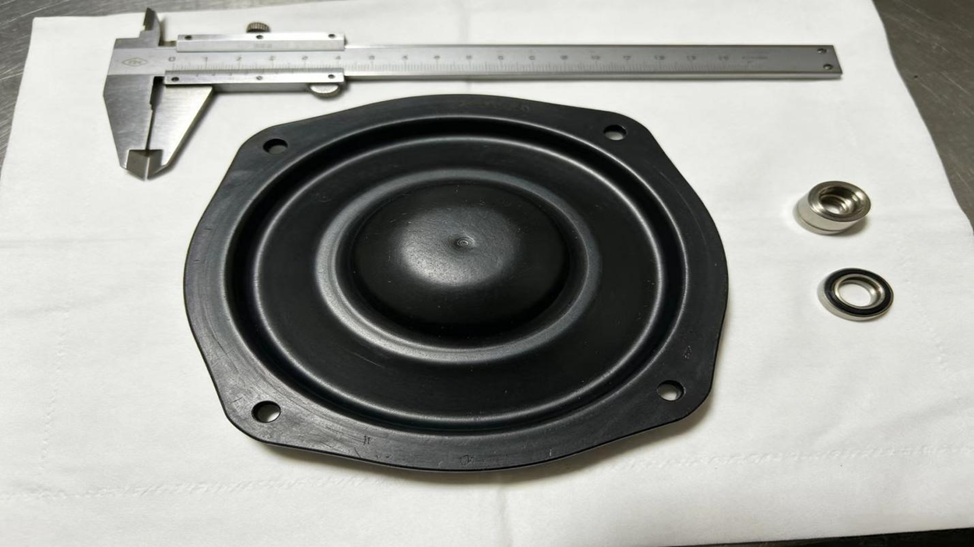
غشاء الغشاء يفصل شحنة غاز النيتروجين عن دائرة الزيت الهيدروليكي، ويُصنع هذا الغشاء من مركب مرن أو حراري بلاستيكي محدد. وليست هذه المادة اختياراً عشوائياً: بل تحدد مدى قدرة الغشاء على التحمل أمام الحرارة والزيت والتلوث الجافّي والتردد العالي جداً للانثناء الذي يتعرّض له الجزء أثناء التشغيل العادي. وتتناول هذه المقالة المواد الأكثر شيوعاً المستخدمة في أغشية مكثفات المثاقب الصخرية، وكيف تختلف هذه المواد عن بعضها، وما يعنيه ذلك بالنسبة لسلوك الجزء المتوقع أثناء الخدمة. الأغشية الأغشية
ما المادة المصنوع منها غشاء مكثف المثقاب الصخري؟
في الإنتاج الحالي، يكون غشاء مكثف المثقاب الصخري تقريبًا دائمًا من مطاط اصطناعي مُشكَّل، وأكثر أنواعه شيوعًا هو مطاط الأكريلونيتريل (NBR) أو مطاط الأكريلونيتريل المهدرج (HNBR)، أو مكوِّن من البولي يوريثان (PU) مسبوك أو مشكَّل. ولا تزال بعض كتالوجات القطع تُسمِّي هذه المكوِّن «كوب جلدي»، وهي تسمية ورثتها عن التصاميم القديمة للغشاء والسدادات على شكل أكواب؛ ومع أن الاسم يوحي بذلك، فإن القطع المُباعة والمُركَّبة حاليًّا ليست مصنوعة من الجلد إطلاقًا. ومن الأسماء الأخرى التي ترد في كتالوجات الشركات المصنِّعة ومنطقة إلى أخرى: «الغشاء» و«الغشاء الفاصل» و«فاصل الغاز»، وكلُّها تشير إلى نفس الجزء الوظيفي: حاجزٌ مرنٌ يوضع بين غرفة النيتروجين وغرفة الزيت داخل هيكل المكثف.
لماذا يهم نوع مادة الغشاء في المثقاب الصخري؟
داخل مُجمِّع مثقاب الصخور، يقع الغشاء المطاطي في أحد أكثر البيئات تشغيلية تطلّبًا في الدائرة الهيدروليكية. فهو على اتصالٍ دائمٍ بزيت هيدروليكي من جهة، وبغاز النيتروجين المضغوط من الجهة الأخرى، كما يتعرّض لدرجة حرارة الزيت التشغيلية (التي ترتفع بشكلٍ كبيرٍ فوق درجة حرارة الجو بعد بدء تشغيل المثقاب)، ويتمدّد وينكمش بالكامل في كل دورة ضغط وإفلات عند انعكاس اتجاه المكبس التأثيري، وهي ظاهرة تحدث بتكرارٍ عالٍ طوال فترة تشغيل المثقاب.
المادة التي لا تتوافق بشكل جيد مع هذه الظروف ستُظهر ذلك بطرقٍ متوقَّعة: التورُّم أو التليُّن إذا لم تكن مقاومةً كفايةً لزيت الهيدروليك، والتصلُّب أو التشقُّق إذا لم تتحمِّل درجة حرارة تشغيل الزيت، أو ظهور شقوق إرهاقٍ قبل وقتٍ طويلٍ من الحاجة إلى صيانة المكوِّنات الأخرى للمثقاب إذا لم تثبت المركَّب أمام الانثناءات المتكرِّرة. ولهذا السبب يُعتبر اختيار مادة الغشاء قراراً هندسياً مستقلاً، وليس أمراً ثانوياً يُراعى بعد تحديد شكل القطعة.
الجزء المرتبط بالحرارة في تلك الصورة له سبب كيميائي موثَّق جيدًا. ويصف باحثو المطاط الشيخوخة الحرارية-الأكسيدية بأنها تفاعل متسلسل ذاتي التسارع يعتمد على الجذور الحرة: فالحرارة تُفلِت أولًا ذرة هيدروجين من الهيكل الجزيئي للمطاط، مولِّدةً جذرًا نشطًا؛ ثم يتفاعل هذا الجذر مع الأكسجين المذاب ليشكِّل جذر بيروكسي، الذي يستخلص بدوره ذرة هيدروجين من سلسلة مجاورة، مكوِّنًا هيدروبيروكسيد وجذرًا جديدًا يُغذّي استمرار الدورة. وباعتمادٍ على البوليمر المحدَّد، فإن هذا التفاعل المتسلسل يميل إما إلى زيادة التشابك العرضي (مما يجعل المطاط أكثر صلابة وقد يؤدي إلى تشقُّقه)، أو إلى انقسام السلسلة (مما يُرخّيه ويقلل من مقاومته). والنتيجة العملية واحدة في كلتا الحالتين: التعرُّض التدريجي للحرارة والأكسجين يغيِّر السلوك الميكانيكي لمادة الغشاء الحاجز، بغضِّ النظر عن أي حدث فردي لتحميل زائد، وهذا أحد الأسباب التي تجعل عمر الغشاء الحاجز الفعلي في ظروف التشغيل يعتمد على درجة الحرارة التشغيلية المستمرة وليس فقط على أقصى ضغط.
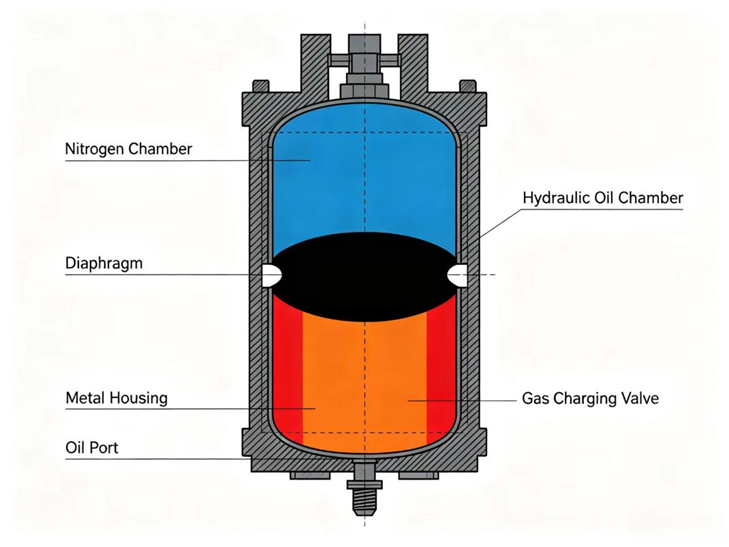
الصورة ١: عرضياً ‑رسم تخطيطي هيكلي للغشاء ‑نوع المجمِّع
ما هو مطاط النتريل (NBR) ولماذا يُعدُّ المادة القياسية المُستخدمة في تصنيع الأغشية؟
مطاط النتريل (NBR)، أو مطاط أكريلونيتريل-بيوتادين، هو بوليمر مشترك يتكون من الأكريلونيتريل والبيوتادين، وقد ظلَّ المطاط العام المفضل لتطبيقات الحشوات الهيدروليكية المستخدمة مع الزيوت المعدنية على مدى عقودٍ عديدة، بما في ذلك أغشية المُجمِّعات الخاصة بأجهزة حفر الصخور. ويمنحه محتواه من الأكريلونيتريل مقاومةً قويةً للزيوت الهيدروليكية القائمة على النفط المعدني دون انتفاخٍ ملحوظ، كما يوفِّر نفاذيةً منخفضةً نسبيًّا للغاز النيتروجيني، ما يساعد المُجمِّع على الاحتفاظ بشحنته الأولية لفترة أطول بين فترات الفحص.
تتراوح درجات الحرارة التي تسمح بها تركيبات مطاط النتريل (NBR) للاستخدام المتواصل عادةً بين نحو ٣٠−°م ودرجةٍ ما ضمن المجال ١٠٠–١٢٠°م، رغم أن الأرقام الدقيقة تعتمد على التركيبة المحددة التي يستخدمها المصنِّع. وبسبب امتزاجه الجيِّد بين مقاومته الصلبة للزيوت وتكلفته المعقولة نسبيًّا، يظل مطاط النتريل (NBR) المواصفة الافتراضية لكثيرٍ من أغشية أجهزة حفر الصخور وكاسرات المواد الهيدروليكية.
المتانة الميكانيكية لمطاط النتريل (NBR) تحت ضغط التشغيل الفعلي ليست مجرد ادّعاءٍ من قِبل المصنِّع؛ بل هي أيضًا السلوك الذي تُبنى عليه دراسات إغلاق العناصر المنتهية باستخدام طريقة العناصر المحدودة للتحقق منه. حلقة O-ring فعلى سبيل المثال، أظهرت دراسة حديثة أُجريت على أختام مصنوعة من مطاط النتريل (NBR) في ظروف الضغط العالي نموذجًا لضغط التلامس مقابل ضغط الوسيط، ووجدت أن هذا الضغط يزداد تزامنًا مع ازدياد ضغط الوسيط، مع بقائه أعلى منه طوال مدى الاختبار — وهي الشرط الأساسي الذي يجب أن يستوفيه أي ختم مطاطي ليؤدي وظيفته الإغلاقية دون تسرب. والغشاء المطاطي (الدايافراجم) يختلف عن الخاتم الدائري (O-ring) من حيث الشكل والوظيفة، لكن سلوك المادة الأساسية يرتكز على نفس المبادئ العلمية الخاصة بالمطاط، وهذه إحدى الأسباب التي جعلت مطاط النتريل (NBR) الخيار السائد لعناصر الهيدروليك ذات المتطلبات العالية عمومًا.
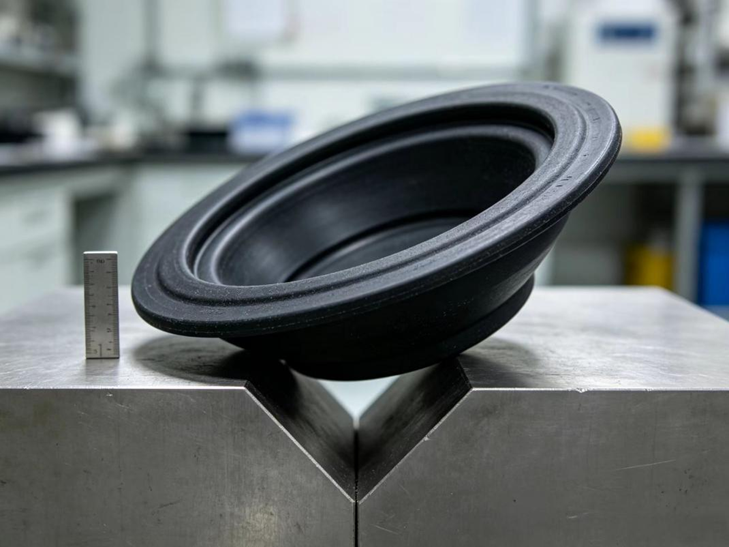
صورة 2عينة فعلية من غشاء مكبّر مطاطي مُصنع من مطاط النتريل (NBR)
ما هو مطاط النتريل المُهدرج (HNBR) وكيف يختلف عن مطاط النتريل القياسي (NBR)؟
يُنتج مطاط إتش إن بي آر (HNBR) عن طريق هدرجة مطاط النتريل بيوتادين (NBR)، وهي عملية تزيل معظم الروابط الثنائية بين ذرات الكربون التفاعلية المتبقية في الهيكل الجزيئي. وترتبط هذه التفاصيل ارتباطاً مباشراً بالكيمياء الخاصة بالتدهور المذكورة أعلاه: فهذه الروابط الثنائية هي المواقع التفاعلية الرئيسية التي تبدأ عليها سلسلة التفاعلات الناتجة عن الحرارة والأكسجين، وبالتالي فإن إزالة معظمها تعني إزالة معظم عوامل القابلية للتدهور. والنتيجة العملية هي مركب يحتفظ بالمتانة الأساسية ومقاومة الزيوت التي يتمتع بها مطاط النتريل بيوتادين (NBR)، مع اكتساب مقاومة أفضل بكثير للحرارة والتدهور على المدى الطويل، فضلاً عن زيادة في مقاومة الشد والتمزق.
بينما تميل سقف درجة الحرارة القصوى للاستخدام المستمر للمطاط النتريلي القياسي (NBR) إلى التواجد في المدى من ١٠٠ إلى ١٢٠°م، فإن مركبات المطاط النتريلي الهيدروجيني (HNBR) تُصنَّف عادةً حتى نحو ١٥٠°م، مع الحفاظ على مرونتها عند درجات الحرارة المنخفضة بما يقارب ما يحققه المطاط النتريلي (NBR). ويجعل هذا المزيج من الخصائص مركبات (HNBR) خياراً شائعاً للترقية في مثاقب الصخور التي تعمل بحرارة مرتفعة، أو التي تؤدي دورات عمل طويلة، أو التي تشتغل في مناخات تتسم بتقلُّب واسع في درجات الحرارة بين التشغيل البارد والوصول إلى درجة حرارة التشغيل الكاملة للنظام الهيدروليكي. أما العيب فهو التكلفة: إذ تكاليف إنتاج مركبات (HNBR) أعلى من تكاليف إنتاج المطاط النتريلي القياسي (NBR).
«إتش إن بي آر» ليست أيضًا تركيبةً ثابتةً واحدةً. وأظهرت أبحاثٌ قارنت بين عدة درجات تجارية من إتش إن بي آر ارتباطَ متغيرَيْن في التركيب بالاختلافات الفعلية في الأداء: فعادةً ما يؤدي ارتفاع لزوجة موني (وهي مقياسٌ مرتبطٌ بالكتلة الجزيئية) إلى زيادة كثافة الروابط المتصالبة وقوة المادة المُلَزَّقة، بينما يحسّن ارتفاع محتوى الأكريلونيتريل مقاومة الزيت، لكنه يرفع أيضًا درجة انتقال الزجاج للمادة — أي أن الغشاء يصبح أكثر صلابةً عند التبريد. ووجدت نفس المجموعة من الأبحاث أن الدرجات التي خضعت للهدرجة بنسبة عالية جدًّا، تصل إلى نحو ٩٩٪، أظهرت أفضل مقاومةٍ للتَّعَيُّن الحراري، وأفضل احتفاظٍ بمقدار الانضغاط ومقدار الشد بعد التعرُّض الطويل لدرجة حرارة ١٢٠°م. والنتيجة العملية هي أن غشائين مُوسومَيْن بشكلٍ صحيحٍ بـ«إتش إن بي آر» ليس من المؤكد أن يؤديا أداءً متطابقًا؛ إذ إن درجة الهدرجة والتركيب المحدَّد يهمان بقدرٍ مساوٍ لاسم البوليمر الأساسي.
ما هو البولي يوريثان (PU) ولماذا يُستخدم بدلًا من المطاط؟
البولي يوريثان، الذي يُشار إليه غالبًا بالاختصار PU أو باسم البوليمر المطاطي AU، ينتمي إلى فئة مختلفة تمامًا عن المطاط الصناعي NBR وHNBR؛ فهو ليس مطاطًا مُسَوَّرًا تقليديًّا، بل هو عادةً بوليمر حراري بلاستيكي أو مطاطي يُصبّ أو يُmolّد، ويتكوّن أساسًا من روابط اليوريا. وتتميّز خصائصه الجوهرية بمقاومة استثنائية للتآكل والتمزّق، تفوق بكثير مقاومة المركبات المطاطية القياسية، إضافةً إلى قوة شدٍّ عالية.
هذه المجموعة تجعل أغشية البولي يوريثان خيارًا شائعًا في الحالات التي يصعب فيها الحفاظ على نظافة زيت الهيدروليك بشكل مثالي — وهي ظروف واقعية تحدث في العديد من مواقع الحفر والتعدين — لأن البولي يوريثان يقاوم التآكل الناتج عن الجسيمات العالقة بشكل أفضل من المطاط النتريلي (إن بي آر). أما فيما يخص المقابلة المتعلقة بالحرارة، فهي عكس ذلك: فمركبات البولي يوريثان تكون عادةً محدودة بسقف أدنى للاستخدام المستمر، ويُشار إليه غالبًا بحوالي ٨٠°م، مقارنةً بالإن بي آر أو الهيدروجينيتريل-بيوتادين راببر (إتش إن بي آر)، كما أنها قد تزداد صلابةً بشكل أكثر وضوحًا في الظروف الباردة. ولذلك، يُختار البولي يوريثان عادةً لمقاومته للتآكل في الظروف ذات الحرارة المعتدلة والعرضة للتلوث، وليس كتحديث لمقاومة الحرارة.
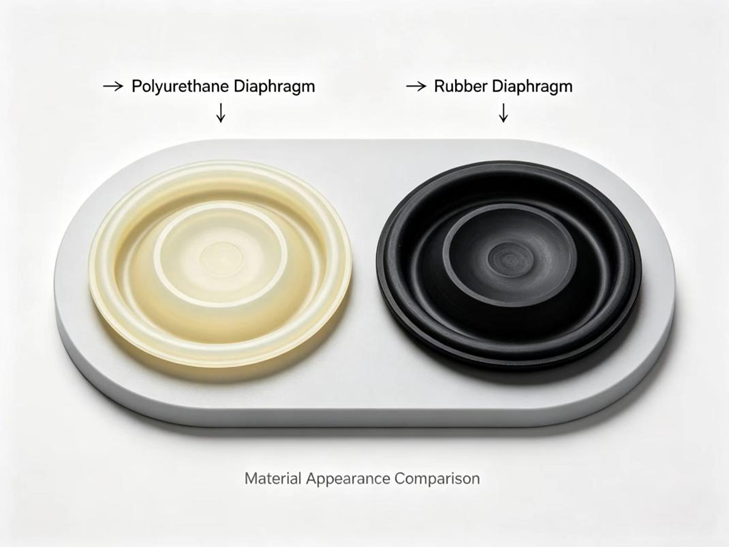
صورة 3مقارنة في المظهر بين عينة غشاء البولي يوريثان وعينة الغشاء المطاطي
أين تدخل مركبات إف كي إم وغيرها من المركبات المتخصصة؟
إف كي إم، وهو مطاط فلوري يُعرف أحيانًا باسم العلامة التجارية المُسجَّلة فيتون، يوسع نطاق درجات الحرارة القابلة للاستخدام إلى ما بعد النطاق المسموح به لمطاط النتريل (إن بي آر) ومطاط النتريل الهيدروجيني (إتش إن بي آر)، حيث تصل درجات الحرارة القصوى للتشغيل المستمر عادةً إلى ٢٠٠°م، كما أن مقاومته الكيميائية أوسع وتغطي بعض السوائل والمواد المضافة التي تهاجم المطاط القائم على النتريل. ومع ذلك، فهو ليس الخيار الافتراضي لمعظم أغشية المثاقب الصخرية، لأن مرونته عند درجات الحرارة المنخفضة أضعف بشكل ملحوظ مقارنةً بمرونة إن بي آر أو إتش إن بي آر، كما أن سعره أعلى بكثير.
في الواقع، تظهر مادة الـ FKM عادةً في تطبيقات مثاقب الصخور أو الكسارات الهيدروليكية فقط عند توافر شرطٍ معيّنٍ يستدعي استخدامها: ارتفاع غير معتاد في درجات حرارة الزيت المستمرّة، أو وجود سائل هيدروليكي خارج نطاق زيت المعادن القياسي، أو تحديد العميل صراحةً ضرورة استخدام هذه المادة. أما مواد مثل الـ EPDM أو السيليكون القياسي، رغم شيوعها في تطبيقات الإغلاق الأخرى، فهي عمومًا غير مناسبة لهذا الاستخدام لأنها لا تقاوم زيت المعادن الهيدروليكي بشكل جيّد، ولا يُشار إليها تقريبًا أبدًا كمادة لغشاء المكثِّف في مثاقب الصخور.
تصنيف درجة الحرارة المستمر ليس أيضًا القصة الكاملة عند الطرف الأعلى. فقد أظهرت أبحاثٌ أُجريت على أختام مادة الـFKM في معدات الإغلاق الأخرى التي تعمل عند درجات حرارة مرتفعة أن ارتفاع الحرارة يتسبب تدريجيًّا في استرخاء الإجهاد — أي أن قوة الإغلاق للمادة تنخفض تدريجيًّا حتى لو بقيت الحرارة نفسها ضمن النطاق المُصنَّف للمواد، كما أن التعرُّض الطويل يفاقم هذا التأثير. وينطبق نفس التحذير على التعرُّض الكيميائي: فقد كشفت أبحاثٌ أُجريت على مواد الإغلاق من نوع الـHNBR أن معدل التحلل يكون أسرع بشكلٍ ملحوظ في الظروف الحمضية ذات الحرارة المرتفعة مقارنةً بالزيت الهيدروليكي العادي عند درجة حرارة مماثلة، مع تأثير كلٍّ من درجة الهيدروجينation ونظام الحشوات المحددة في تحديد مدى المقاومة المتبقية للمواد. ولا يغيِّر أيٌّ من هذين الاستنتاجين الاختيار الأساسي للمواد في دائرة مثقاب الصخور التي تستخدم زيتًا معدنيًّا عاديًّا، لكنهما يذكِّران بأن رقم درجة الحرارة وحده لا يصف بالكامل مدى قدرة المادة على التحمُّل، وأنه يجب إبلاغ المورد فورًا بأي سوائل غير اعتيادية أو حرارة مستمرة بدلًا من افتراض أن أي مطاط مقاوم للزيوت سيكون كافيًا.
كيف تقارن هذه المواد جنبًا إلى جنب؟
تلخّص الجدول أدناه الخصائص العامة التي ناقشناها أعلاه. ويعتمد الأداء الفعلي دائمًا على تركيبة المركب المحددة التي يستخدمها مصنّع معين، لذا يجب قراءته كدليلٍ على الترتيب النموذجي وليس كمواصفةٍ لمنتج فردي.
المادة |
المدى النموذجي لدرجة الحرارة المستمرة |
مقاومة الزيت |
المقاومة للتآكل والتمزق |
الحدّ المعتاد |
NBR |
تقريبًا من −٣٠°م إلى ١٠٠–١٢٠°م |
ممتازة مع زيوت الهيدروليك المعدنية |
متوسط |
سقف حراري أقل من مطاط HNBR أو FKM |
HNBR |
تقريبًا من −٣٠°م إلى ١٥٠°م |
ممتازة، مشابهة لمطاط NBR |
جيدة، وأفضل من مطاط NBR القياسي |
تَكاليف أعلى مقارنةً بمطاط النتريل المطاطي (NBR) |
البولي يوريثان (PU/AU) |
تقريبًا من −٢٠°م إلى ٨٠°م، ويتغير حسب الدرجة |
جيد |
ممتاز جدًّا، ويُعَدُّ عمومًا الأفضل ضمن هذه المجموعة |
سقف حراري أقل؛ وقد يصبح صلبًا في درجات الحرارة المنخفضة |
FKM |
حوالي من −٢٠°م إلى ٢٠٠°م، وضعيف عند درجات الحرارة المنخفضة |
ممتاز جدًّا، ويمتاز بمقاومة كيميائية أوسع نطاقًا |
متوسط |
مرونة ضعيفة عند درجات الحرارة المنخفضة؛ وأعلى تكلفة |
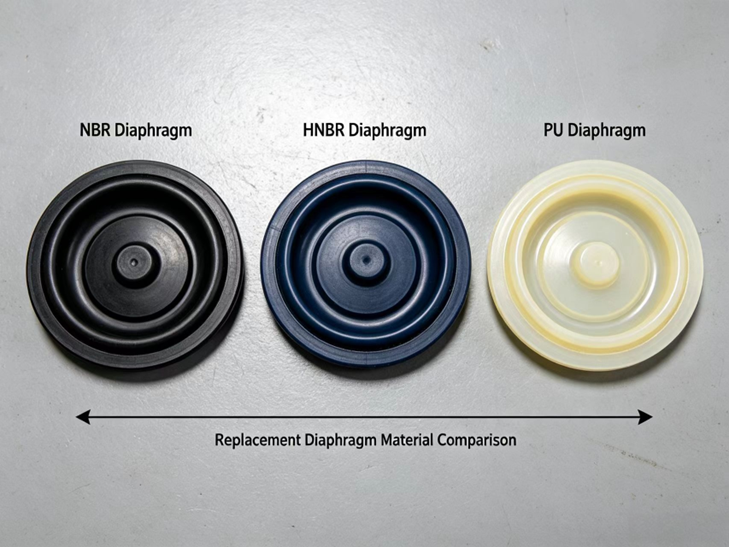
الصورة ٤: مقارنة فيزيائية بين أغشية الاستبدال المصنوعة من مطاط النتريل المطاطي (NBR)، والمطاط الهيدروجيني المطاطي المشبع (HNBR)، والبولي يوريثان (PU)
كيف تؤثر اختيار المادة على عمر التعب تحت الانثناء عالي التردد؟
غشاء مُجمِّع مثقاب الصخور لا يفشل عادةً بسبب تمزُّقٍ أو ثقبٍ في اليوم الأول؛ بل يفشل بسبب انثنائه خلال دورة ضغط كاملة وبترددٍ عالٍ جدًّا، وتكرار هذه الدورة مرارًا وتكرارًا طوال فترة تشغيل المثقاب. ولذلك فإن مقاومة الإجهاد التكراري الناتج عن الانثناء — أي مدى قدرة المادة على التحمُّل عند الخضوع لانثناءات متكررة وانعكاسات في الإجهادات دون ظهور شقوق — تكتسب أهميةً لا تقلُّ عن أرقام مقاومة المادة الثابتة.
تُقيِّم أبحاث إجهاد المطاط عادةً هذا السلوك بإحدى طريقتين. فالأولى، وهي منهجية تكوُّن الشقوق، ترصد عدد دورات التحميل التي يتحمَّلها عيِّنةٌ خاليةٌ في الأصل من العيوب قبل ظهور أول شقٍّ فيها، وغالبًا ما تُقارَن هذه النتيجة بمعلَّمة تحميل تعتمد على التشوه أو الطاقة. أما المنهجية الثانية، وهي منهجية نمو الشقوق، فتبدأ من عيِّنة تحتوي شقًّا صغيرًا موجودًا مسبقًا، وتقيس مدى سرعة اتساع هذا الشقِّ في كل دورة. والإطار الكلاسيكي الذي تستند إليه هذه المنهجية الثانية، والذي طبَّقه ريفلين وتوماس لأول مرة على المطاط وما زال يُعتبر المرجع القياسي في هذا المجال، يفترض أن نمو الشقوق يخضع لطاقة التمزُّق — أي كمية طاقة التشوه المتحرِّرة لكل وحدة مساحة جديدة من سطح الشق — لا لمدى الإجهاد أو التشوه وحدهما. ومن النتائج المفيدة لهذا الإطار مفهوم عتبة الإجهاد: فتحت مستوى معين من طاقة التمزُّق، يتوقَّف شقٌّ موجودٌ بالفعل في مركَّب معيَّن عن النمو تمامًا تحت تأثير التحميل الدوري، وهذا أحد الأسباب التي تجعل العيوب الصغيرة والمُحكَمة جيدًا في غشاء مُشكَّل بالقولبة لا تؤدي بالضرورة إلى فشله المبكر.
تؤثر خيارات التراكيب على سلوك الإرهاق هذا بطرق ليست دائمًا بديهية. ويشكّل كثافة الروابط المتقاطعة مثالاً جيداً على ذلك: فزيادتها عادةً ما تحسّن مقاومة الإرهاق حتى حدٍّ معين، لكنَّ المبالغة فيها تقلّل قدرة المطاط على امتصاص التشوه وقد تقصر عمره الافتراضي بدلاً من إطالته؛ لذا فإن تركيبة الغشاء المُصمَّمة جيداً تمثّل توازناً، وليس مجرّد «أقصى درجة ممكنة من الترابط المتقاطع». كما أظهرت الأبحاث المتعلّقة بتراكيب المطاط المخصّصة لأغشية المجمِّعات أن توزيع الحشوات وحزمة المضافات الأوسع نطاقاً يمكن أن يغيّر نفاذية الغاز ومقاومة التشقق الناتج عن الانثناء بشكلٍ كبير، حتى داخل نفس البوليمر الأساسي. ففي إحدى الدراسات المنشورة، أدّى تحسين توزيع الحشوات في تركيبة غشاء نتريل (NBR) إلى خفض ملموس في نفاذية النيتروجين وزيادة عدد دورات الانثناء التي تحملها المادة قبل ظهور التشققات، وذلك وفقاً لاختبارات قياسية لتقييم التشقق الناتج عن الانثناء (من النوع دِي ماتيا) واختبارات نفاذية الغاز. وبإضافة العوامل البيئية، تزداد التعقيدات: فالحرارة المرتفعة والرطوبة والأوزون المحيط كلّها عوامل موثَّقة تسرّع بدء التشققات ونموّها في المطاطيات عبر تخفيض قدرتها على الاستطالة وهجومها على سطح المادة، وهذه سببٌ إضافيٌّ يبرز أهمية استقرار درجة حرارة الزيت للحفاظ على عمر الغشاء، بغضّ النظر عن تأثيرها في كيمياء الشيخوخة.
النتيجة العملية هي أن غشائين مصنوعين من «نفس المادة» وفقاً للورقة لا يضمنان نفس عمر التعب؛ إذ قد يكون لتركيبة المركب المحددة ولطريقة اختباره وزنٌ مساوٍ لأهمية اسم البوليمر الأساسي. ويُحدد اختيار المادة السقف الأعلى لأداء التعب؛ بينما تحدد تركيبة المركب وجودة الصب وهل تم ضبط الشحنة الأولية للنيتروجين في المجمّع بشكل صحيح أم لا — لأن الشحنة الأولية غير الصحيحة تغيّر مدى حركة الغشاء في كل دورة — ما إذا كان الجزء يصل فعلاً إلى هذا السقف أم لا.
كيف يؤثر بيئة التشغيل في تحديد المادة التي تؤدي أفضل أداء؟
لا توجد مادة واحدة هي الخيار الأمثل في جميع الظروف، ولذلك لا يزال الغشاء المستخدم في المثاقب الصخرية متوافراً عادةً بعدة مركبات مختلفة لنفس الطراز. وهناك بضعة أنماط عامة يستحسن أخذها في الاعتبار:
- في المناخات الباردة، أو على المعدات التي تبقى في الهواء الطلق طوال الليل قبل التشغيل البارد، يُعتبر استخدام مادة ذات مرونة جيدة عند درجات الحرارة المنخفضة—مثل المطاط النتريلي القياسي (NBR) أو المطاط النتريلي الهيدروجيني (HNBR)—عادةً خيارًا أكثر أمانًا مقارنةً بمجمع البولي يوريثان (PU) الذي يزداد تصلّبه عند درجات الحرارة المنخفضة.
- في المناخات الحارة، أو على الآلات التي تعمل بدورات تشغيل عالية حيث ترتفع درجة حرارة زيت الهيدروليك بشكلٍ ملحوظ فوق درجة حرارة الجو، فإن تصنيف المطاط النتريلي الهيدروجيني (HNBR) لدرجة الحرارة القصوى المستمرة يمنحه هامش أداء أكبر مقارنةً بالمطاط النتريلي القياسي (NBR).
- في المواقع التي يصعب فيها الحفاظ على نظافة زيت الهيدروليك باستمرار—مثل العديد من العمليات تحت الأرض أو العمليات السطحية في البيئات شديدة الغبار—يمكن أن تفوق مقاومة البولي يوريثان (PU) للتآكل محدودية نطاق درجات الحرارة التي يعمل ضمنها.
- عندما يكون سائل الهيدروليك غير تقليدي—مثل بعض السوائل المقاومة للحريق أو السوائل الاصطناعية—يجب التأكد من التوافق الكيميائي مع ذلك السائل المحدد قبل افتراض أن مجمع المطاط النتريلي القياسي (NBR) أو المطاط النتريلي الهيدروجيني (HNBR) سيؤدي الأداء المتوقع.
وبما أن هذه العوامل قد تؤثر في اتجاهات مختلفة، فإن اختيار المادة المناسبة يعتمد على تقييمٍ لظروف الموقع المحددة، وليس على قاعدة ثابتة تنطبق على كل مثقاب صخري في أي مكان.
كيف يمكنك تحديد مادة الغشاء الموجود بالفعل؟
عند الحاجة إلى استبدال الغشاء، من المفيد التأكُّد من مادته بدلًا من افتراضها بناءً على مظهره الخارجي، لأن اللون والملمس غير موحَّدين بين الشركات المصنِّعة، ولا يُعتدُّ بهما كوسيلةٍ موثوقةٍ لتحديد المركب. وأكثر مصدرٍ موثوقٍ هو كتالوج قطع الغيار الأصلية أو وثائق الخدمة الخاصة بنموذج المثقاب الصخري، والذي يدرج عادةً المادة المحددة جنبًا إلى جنب مع رقم القطعة.
عندما لا تكون هذه الوثائق متوفرة، يمكن لموردٍ على درايةٍ بالعلامة التجارية والنوع المحددين لآلة الحفر الصخرية غالبًا أن يُحدِّد المادة من رقم القطعة الأصلية (OEM)، وفي بعض الحالات من عيّنة فعلية للغشاء التالف. ومن المعقول اتخاذ احتياطاتٍ مثل طلب تأكيدٍ كتابيٍّ لدرجة المادة بدل الاعتماد على وصفٍ شفهيٍّ قبل الالتزام باستبدال الغشاء، خصوصًا إذا كانت ظروف التشغيل في موقعكم تخرج عن النطاقات المعتادة.
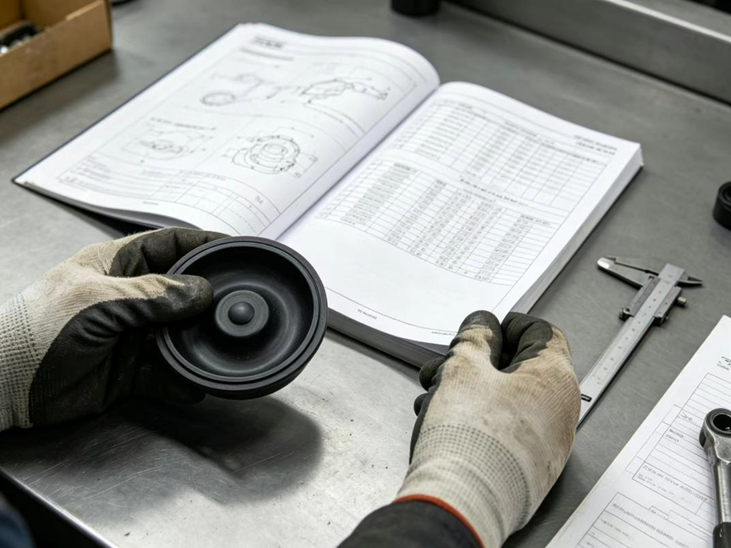
صورة 5يتحقق الفني من مواصفات مادة الغشاء مقابل وثائق القطع.
المراجع الفنية المختارة التي استُشهد بها في هذه المقالة:
- غاو يي، شياو بي، لوو زي، وآخرون. «التقدُّم البحثي في الشيخوخة الحرارية-الأكسيدية للمواد المطاطية». مجلة صناعة المطاط الصينية، ٢٠٢٦، المجلد ٧٣، العدد ٧: الصفحات ٥٤٨–٥٥٦.
- شويه يي. «دراسة حول الأداء عالي الحرارة لمطاط النتريل المهدرج وتطبيقاته». أطروحة ماجستير، جامعة يانغتشو، ٢٠٢٣.
- جين جي. «دراسة سلوك التعب والآلية المجهرية لمطاط البولي يوريثان المرن.» أطروحة دكتوراه، جامعة بكين للتكنولوجيا الكيميائية، ٢٠٢٥.
- ليانغ، ج.؛ يان، ل.؛ تانغ، س. وآخرون. «تأثير مسحوق سترونوي تينك على أداء مركّب الغشاء المطاطي في المُجمِّعات الطاقية.» صناعة المطاط الصينية، ٢٠٢٤، ٧١(٨): ٥٩٩–٦٠٣.
- تشاو جي، ما لي، شي تشيو، وآخرون. «دراسة أداء الختم للحلقات الدائرية المصنوعة من مطاط النتريل المطاطي (إن بي آر) في ظروف الضغط العالي عند درجة حرارة الغرفة.» صناعة المطاط في الصين، ٢٠٢٦، المجلد ٧٣، العدد ٧: ٤٨٣–٤٩٠.
- هوانغ شيان، سوي زيه، هاو يو، لي تشيو، يان تشونغ. «السلوك الميكانيكي لمطاط الفلورو المطاطي (إف كي إم) عند درجات الحرارة المرتفعة وتأثيره على أداء الختم في أجهزة الإغلاق تحت سطح الأرض.» تقنية التجارب والإدارة التجريبية، ٢٠٢٦، المجلد ٤٣، العدد ٤: ١٣٠–١٣٦.
- تشانغ شياو، جين شيان، جيا دونغ، وآخرون. «سلوك التآكل وتحسين الأداء للمواد الختمية المصنوعة من مطاط النتريل المطاطي المهدرج في البيئات الحمضية ذات الحرارة المرتفعة.» هندسة التشحيم، نُشرت إلكترونيًّا مقدَّمًا على الطبعة المطبوعة، ٢٠٢٦.
جدول المحتويات
- ما المادة المصنوع منها غشاء مكثف المثقاب الصخري؟
- لماذا يهم نوع مادة الغشاء في المثقاب الصخري؟
- ما هو مطاط النتريل (NBR) ولماذا يُعدُّ المادة القياسية المُستخدمة في تصنيع الأغشية؟
- ما هو مطاط النتريل المُهدرج (HNBR) وكيف يختلف عن مطاط النتريل القياسي (NBR)؟
- ما هو البولي يوريثان (PU) ولماذا يُستخدم بدلًا من المطاط؟
- أين تدخل مركبات إف كي إم وغيرها من المركبات المتخصصة؟
- كيف تقارن هذه المواد جنبًا إلى جنب؟
- كيف تؤثر اختيار المادة على عمر التعب تحت الانثناء عالي التردد؟
- كيف يؤثر بيئة التشغيل في تحديد المادة التي تؤدي أفضل أداء؟
- كيف يمكنك تحديد مادة الغشاء الموجود بالفعل؟


