

 EN
EN
 AR
AR CS
CS DA
DA NL
NL FI
FI FR
FR DE
DE EL
EL IT
IT JA
JA KO
KO NO
NO PL
PL PT
PT RO
RO RU
RU ES
ES SV
SV TL
TL IW
IW ID
ID LV
LV SR
SR SK
SK VI
VI HU
HU MT
MT TH
TH TR
TR FA
FA MS
MS GA
GA CY
CY IS
IS KA
KA UR
UR LA
LA TA
TA MY
MY
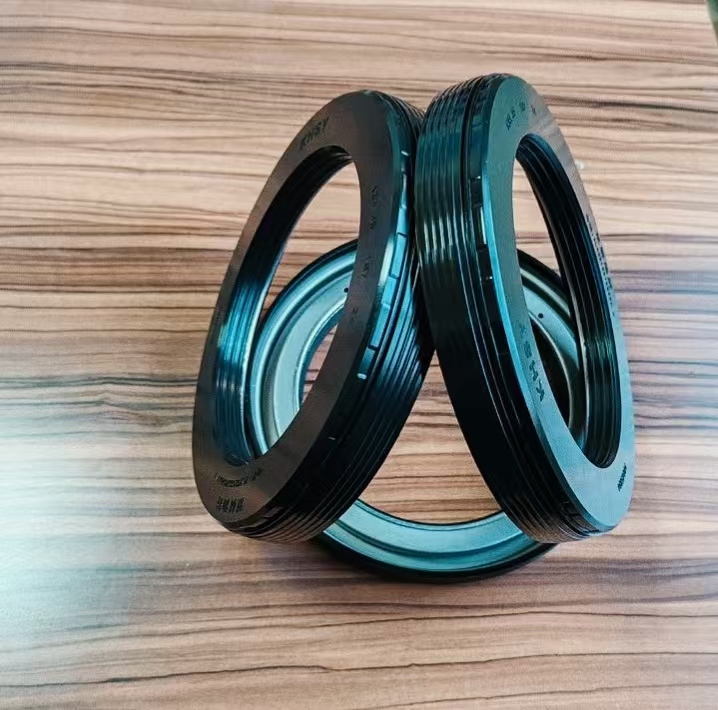
Norges underjordiske vandkraftkonstruktion – den igangværende udvidelse af pumpe-lagerprojekter i Hardanger og Vestland samt de dybe vejstunnel gennem Skandinavisk Bjergkæde – anvender RD22U-borere i en specifik kulde-vand-udfordring, som overfladeoperationer ikke står over for. Ved boring af aditter til vandkraftanlæg foregår arbejdet i bjergmasse, der er mættet med smeltevand fra sneen ved en temperatur på 2–5 °C året rundt. Spül-kredsløbet fører vand ved 3–4 °C ind til borefladen; dette vand kommer i kontakt med forreste husningsmontagen og køler skaftzonen ned til temperaturer, der påvirker dæmpningspistons hydrauliske kredsløbs ydelse, selv om sommertemperaturen på overfladen er 20 °C.
Dæmpningskolben i RD22U absorberer trækspændingsbølgen, der reflekteres fra klippefladen efter hver slagcyklus. Dens hydrauliske kreds styrer, hvor hurtigt dæmpningscylinderen vender tilbage efter hver absorption af en bølge – tidsindstillingen bestemmes af kalibreret åbningstrøm gennem hydraulikolie. Når denne olie er kold og viskøs, er returhastigheden langsommere end designet, dæmpningssystemet nulstilles ikke fuldt ud, inden den næste slagcyklus indtræffer, og dæmpningseffektiviteten falder gradvist i de første minutter af et borearbejde, indtil olietemperaturen stabiliseres.
Effekt af koldt vand til spülning på RD22U’s dæmpningskolbekreds
Tilstand |
Temperatur af dæmpningsolie |
Åbningstrømhastighed |
Dæmpningseffektivitet |
Driftsmæssig virkning |
Kold start, spülning med 3 °C vand |
~8 °C |
~30 % af designværdien |
Lav |
Forøget husvingning; de første 15 minutter |
15 minutters drift |
~25°C |
~70 % af design |
Forbedres |
Slåen lydvis stabiliseret |
Steady state |
~45°C |
~100 % af design |
Fuld |
Normal drift opnået |
Overopvarmet kreds |
80°C |
Over design |
Reduceret |
Dæmpning for blød; bølge passerer igennem |
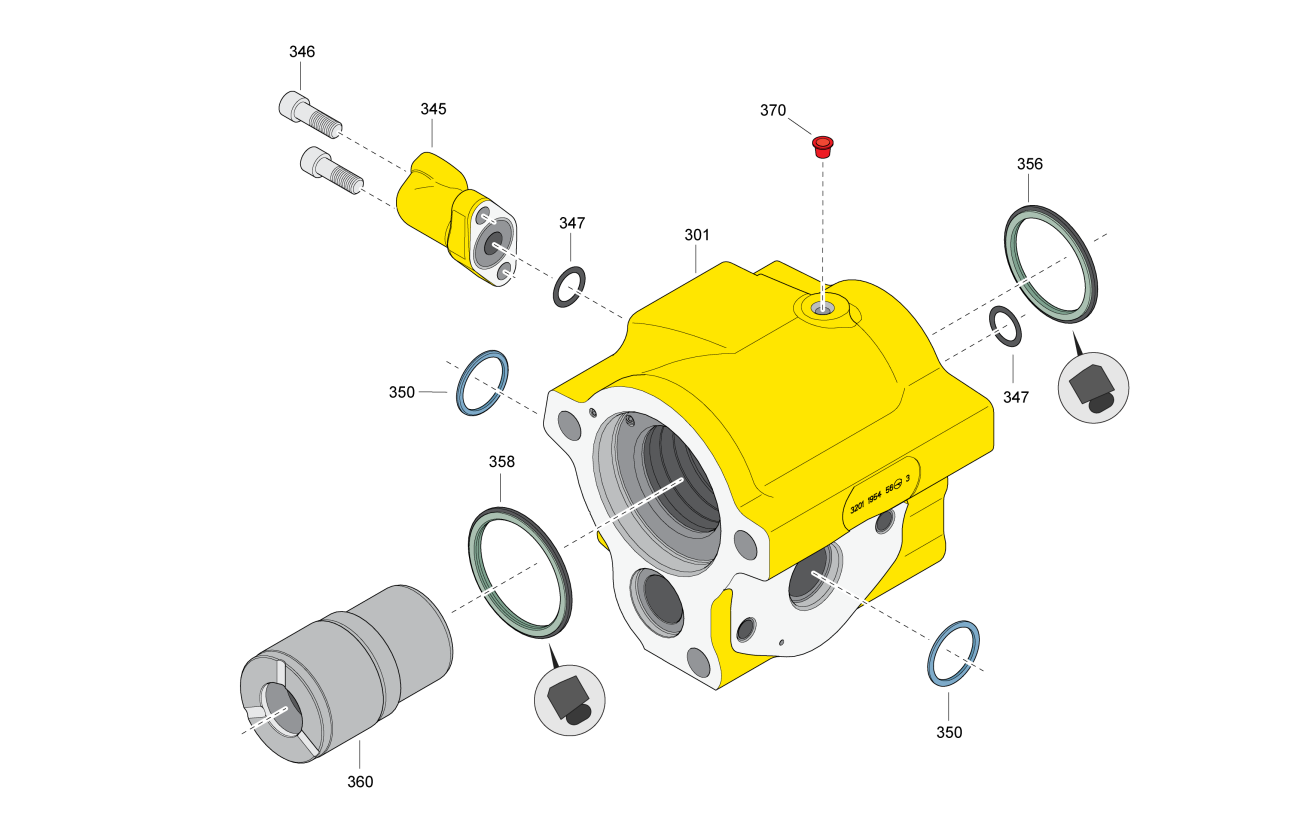
Norske vandkrafttunnelentreprisører har indført en koldstartprotokol: 10 minutter ved 60 % slagtryk, inden man skrider op til fuld hastighed, så dæmpningskredslens olie kan opvarmes under delbelastningsfasen. Protokollen omfatter også kontrol af dæmpningstilstanden ved hver 400-timers service – koldcykling accelererer gradvis stivning af NBR-tætninger, og en stivnet dæmpningstætning reducerer stemlens bevægelsesområde, inden fejlen bliver synlig. pistonslutsæt tilstand ved hver 400-timers service – koldcykling accelererer gradvis stivning af NBR-tætninger, og en stivnet dæmpningstætning reducerer stemlens bevægelsesområde, inden fejlen bliver synlig. HOVOO leverer RD22U dæmpningsstemler afslutningskitter med kuldetestsede forbindelser til norsk og nordisk vandkrafttunnelarbejde. Referencer på hovooseal.com.


