

 EN
EN
 AR
AR CS
CS DA
DA NL
NL FI
FI FR
FR DE
DE EL
EL IT
IT JA
JA KO
KO NO
NO PL
PL PT
PT RO
RO RU
RU ES
ES SV
SV TL
TL IW
IW ID
ID LV
LV SR
SR SK
SK VI
VI HU
HU MT
MT TH
TH TR
TR FA
FA MS
MS GA
GA CY
CY IS
IS KA
KA UR
UR LA
LA TA
TA MY
MY
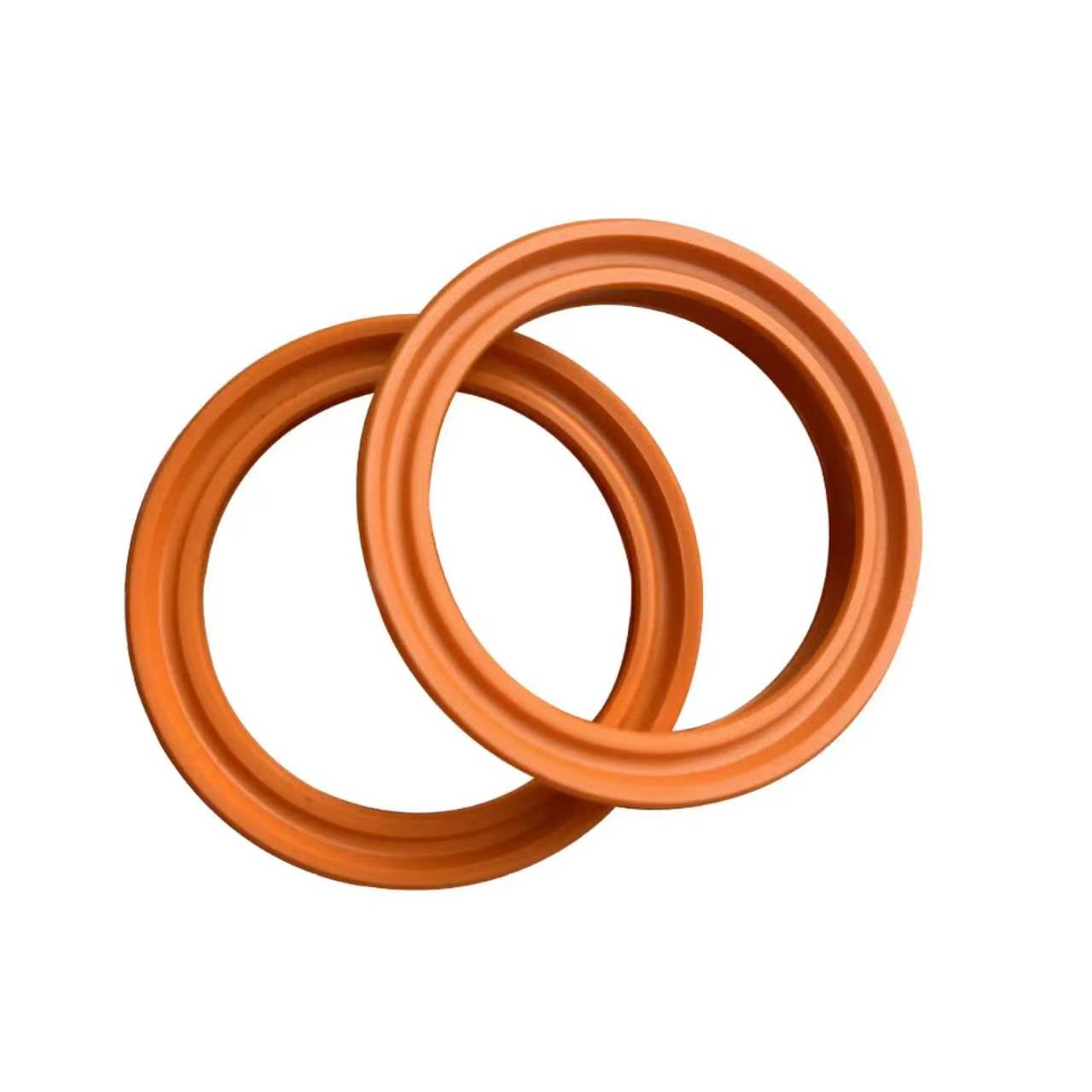
Γιατί το Κεντρικό Μέρος Έχει Μεγαλύτερη Σημασία από το Περίβλημα
Το εξωτερικό περίβλημα ενός υδραυλικού σπαστήρα είναι το πρώτο πράγμα που βλέπει ο αγοραστής, ωστόσο είναι η εσωτερική διάταξη — δηλαδή το έμβολο, ο κύλινδρος, η βαλβίδα ελέγχου και ο αποθηκευτικός σωλήνας — που καθορίζει τι πραγματικά παρέχει η μηχανή ανά βάρδια. Αυτά τα ζωτικής σημασίας εξαρτήματα περιλαμβάνουν τον υδραυλικό κύλινδρο, το έμβολο, τον αποθηκευτικό σωλήνα, τη βαλβίδα ελέγχου και το εργαλείο εργασίας, μεταξύ άλλων. Η τέτοια ομοιογένεια στα εξαρτήματα αποδεικνύει την αναγνώριση από τη βιομηχανία της αποδοτικότητας και της αξιοπιστίας που προσφέρουν αυτά τα κοινά δομικά στοιχεία σε όλα τα σχέδια υδραυλικών σπαστήρων.
Ο υδραυλικός κύλινδρος, που λειτουργεί ως η κινητήρια δύναμη του σπαστήρα, μετατρέπει την υδραυλική ενέργεια σε μηχανική δύναμη, κινώντας τον εμβολοφόρο. Ο εμβολοφόρος, με τη σειρά του, παρέχει την απαραίτητη χτυπητική δύναμη στο εργαλείο εργασίας, επιτρέποντάς του να διασπάσει και να σπάσει το στόχο υλικό. Ο συσσωρευτής, ως συσκευή αποθήκευσης ενέργειας, διασφαλίζει συνεχή παροχή ισχύος και απορροφά οποιεσδήποτε διακυμάνσεις πίεσης εντός του υδραυλικού συστήματος. Αν αφαιρέσετε το περίβλημα, αυτό που απομένει είναι ένα ακριβές υδραυλικό κύκλωμα, όπου κάθε ανοχή, κάθε βαθμός υλικού και κάθε επεξεργασία επιφάνειας είτε προστατεύει το επόμενο διάστημα συντήρησης είτε το συντομεύει.
Γι’ αυτό τα εξαρτήματα πρωτογενούς ποιότητας έχουν αντίστοιχη σημασία που υπερβαίνει κατά πολύ το κόστος μονάδας τους. Ένα εμβολοφόρο ή σύνολο Σφραγίδων αντιπροσωπεύει μόνο ένα μικρό μέρος της συνολικής τιμής της μηχανής, ωστόσο ένα χαμηλής ποιότητας ανταλλακτικό θα προκαλέσει φθορά σε κάθε άλλο εξάρτημα με το οποίο έρχεται σε επαφή — τον κύλινδρο, τον οδηγό, τη χρονισμό της βαλβίδας, τη φόρτιση του συσσωρευτή — εντός λίγων εβδομάδων από την εγκατάστασή του. Η αποτυχία σπάνια είναι εντυπωσιακή· η απόδοση μειώνεται σιωπηλά, η θερμοκρασία του λαδιού αυξάνεται, και μέχρι να το παρατηρήσει ο χειριστής, διάφορα άλλα εξαρτήματα έχουν ήδη υποστεί ζημιά που δεν αντιστρέφεται ακόμη και όταν το ελαττωματικό εξάρτημα αντικατασταθεί τελικά.
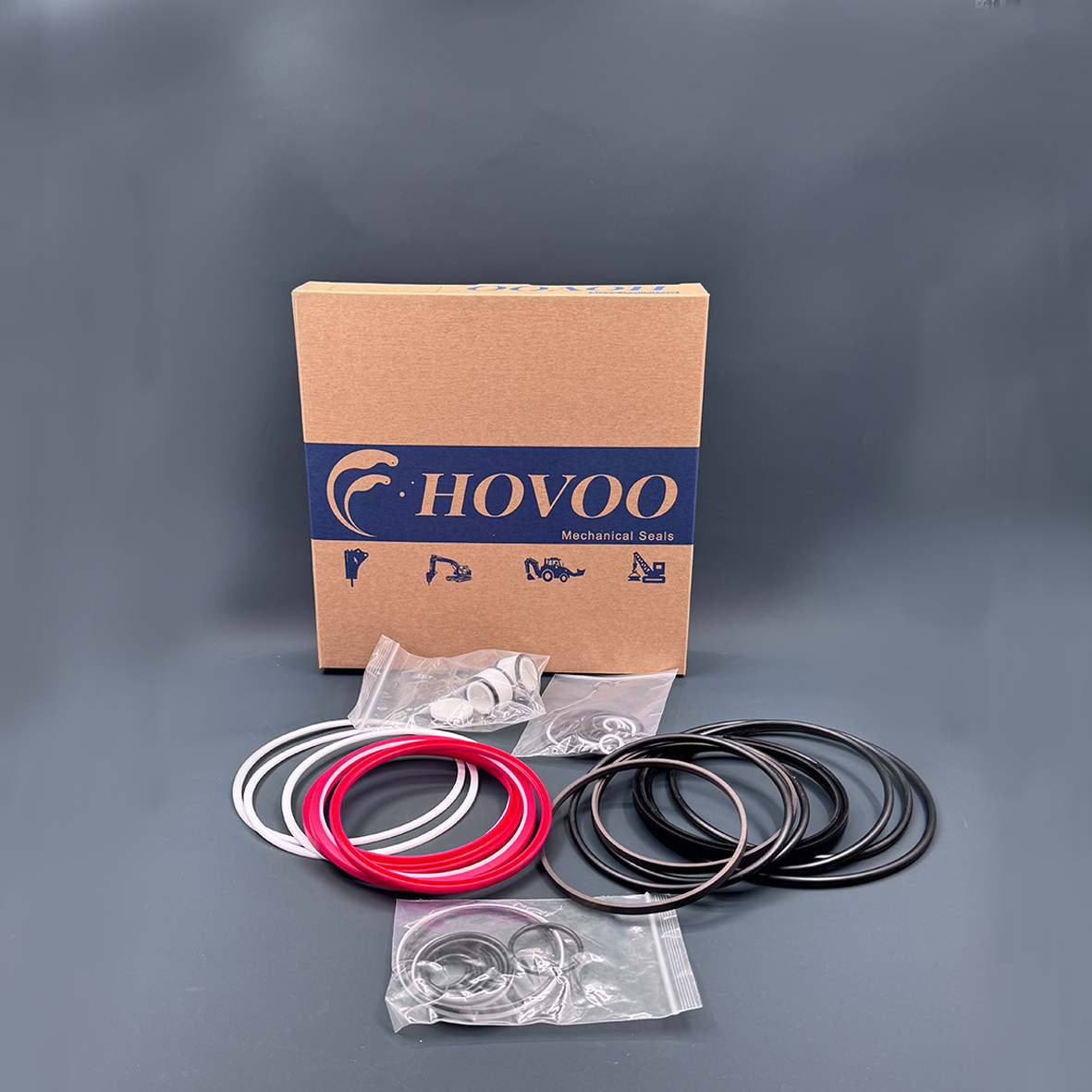
Τα Οκτώ Εξαρτήματα που Καθορίζουν την Αξιοπιστία του Σπαστήρα
Ο παρακάτω πίνακας καλύπτει τα οκτώ βασικά εξαρτήματα, τις προδιαγραφές πρωτογενούς ποιότητας για καθένα από αυτά, τον τρόπο με τον οποίο τα κατώτερα εξαρτήματα αποτυγχάνουν συνήθως και τα σήματα προειδοποίησης που πρέπει να παρακολουθούνται επιτόπου προτού η αστοχία γίνει καταστροφική.
CompoNent |
Υλικό / Προδιαγραφές Κατασκευαστή (OEM) |
Πώς Αποτυγχάνουν τα Κατώτερα Εξαρτήματα |
Σήμα Προειδοποίησης Επιτόπου |
Έμβολο |
Υψηλής ποιότητας ειδικό χάλυβα· βελτιστοποιημένη γεωμετρία για αποδοτικότητα κρούσης |
Γραμμώσεις στο εσωτερικό του κυλίνδρου· μείωση της ενέργειας κρούσης ανά χτύπημα |
Ορατές γραμμώσεις, απώλεια ισχύος, υπερθέρμανση του λαδιού |
Σώμα κύλινδρου |
κράμα 20CrMo· βαφή σε υψηλή θερμοκρασία + ακριβής λείανση |
Η φθορά του εσωτερικού του κυλίνδρου διευρύνει την ενδιάμεση κενή ανοχή, προκαλώντας διαρροή αερίων (blow-by) και απώλεια πίεσης |
Διαρροή λαδιού πέραν των σφραγίσεων, ανώμαλη συχνότητα χτυπημάτων (BPM) |
Βαλβίδα ελέγχου |
Ακριβώς μηχανοκατεργασμένο· κρίσιμης σημασίας η χρονική συγχρονισμένη λειτουργία για την επαναλαμβανόμενη κίνηση του εμβόλου |
Η φθορά των βαλβίδων μειώνει την απόδοση· αργός ή ανώμαλος κύκλος χτυπήματος |
Ασταθής ρυθμός κρούσεων, υπερθέρμανση |
Συσσωρευτής |
Τύπου διαφράγματος· προφόρτιση με αζώτιο σύμφωνα με τις προδιαγραφές του κατασκευαστή (OEM) |
Αιχμές πίεσης φθάνουν στην αντλία και τις σφραγίσεις· αποτυχία ανάκτησης ενέργειας |
Έντονη ανάκρουση, αποτυχία σφράγισης, ανώμαλη ισχύς |
Σύνολο Σφραγίδων |
Πολυουρεθάνη / PTFE με βαθμονόμηση 110 °C+ Πάρκερ ή NOK grade |
Εσωτερική και εξωτερική διαρροή λαδιού· απώλεια πίεσης |
Διαρροή λαδιού στις συνδέσεις, μείωση ισχύος |
Φθορά του ενδιάμεσου μανδύα |
Σκληρυμένος κύλινδρος· καθοδηγεί το χτυπητήρι και αντέχει τις πλάγιες δυνάμεις |
Ασύμμετρη κρούση του χτυπητηριού, επιταχύνοντας τη φθορά του εμβόλου και της μπροστινής κεφαλής |
Κίνηση ταλάντωσης του χτυπητηριού, ζημιά στη μπροστινή κεφαλή |
Πίκα |
42CrMo· ακροδείκτης επεξεργασμένος με θερμική κατεργασία (διαθέσιμες επιλογές: μούστακας, βλυστήρας, πρίσμα, κωνικός) |
Παραμόρφωση του ακροδείκτη προκαλεί ανάκλαση ενέργειας προς το περίβλημα |
Διόγκωση της κορυφής, μειωμένη διείσδυση |
Βίδες διαπερατότητας |
Υψηλής αντοχής· σφίγγονται σύμφωνα με τις προδιαγραφές και ελέγχονται εβδομαδιαίως |
Κόπωση βιδών που επιτρέπει τον διαχωρισμό της εμπρόσθιας κεφαλής/κυλίνδρου υπό φόρτιση |
Επιμήκυνση βιδών, ακουστή χαλαρότητα, λάδι στις συνδέσεις |
Πρακτική εξασφάλιση και επαλήθευση
Ένας υδραυλικός θραυστήρας είναι τόσο αξιόπιστος όσο και η προμήθεια των εξαρτημάτων που τον κρατούν σε λειτουργία. Οι εργολάβοι συχνά αγνοούν αυτό το γεγονός μέχρις ότου ένα τσεκούρι ή ένας εμβολοφόρος καταστραφεί κατά τη διάρκεια ενός έργου. Η πρακτική συνέπεια είναι ότι η προμήθεια βασικών στοιχείων από τον ίδιο κατασκευαστή που κατασκεύασε ολόκληρη τη μηχανή — ή από επιβεβαιωμένο προμηθευτή ποιότητας OEM — δεν είναι μια προαιρετική επιλογή υψηλής τιμής, αλλά μια απόφαση διαχείρισης κινδύνου. Parker συνόλια Σφραγίδων αποτελούν αξιόπιστη επιλογή για σφραγίδες, ενώ οι κατασκευαστές πλήρων συστημάτων παρέχουν εμβόλους, εσωτερικά περιβλήματα και βαλβίδες. Όταν είναι δυνατόν, συγκρίνετε τα πιστοποιητικά υλικών και ζητήστε δείγματα ή εκθέσεις επιθεώρησης.
Η βαλβίδα ελέγχου και το έμβολο είναι τα μόνα δύο κινούμενα μέρη εντός της πληκτικής μονάδας. Η συγκέντρωση της μηχανικής λειτουργίας σε δύο συστατικά σημαίνει ότι και τα δύο πρέπει να ανταποκρίνονται ακριβώς — όχι προσεγγιστικά — στις αρχικές ανοχές διαστάσεων. Το κενό μεταξύ εμβόλου και κυλίνδρου καθορίζει τη διαρροή (blow-by): μερικά μικρόμετρα υπερβολικής τοποθέτησης, και η υδραυλική πίεση διαρρέει από την πλευρά του εμβόλου κατά την ανοδική κίνηση, αυξάνοντας ταυτόχρονα τη θερμοκρασία του λαδιού και μειώνοντας την ενέργεια πλήγματος. Ο έλεγχος του εύρους ανοχής του εμβόλου, ώστε η τοποθέτησή του μεταξύ εμβόλου και σώματος κυλίνδρου να επιτυγχάνει το καλύτερο δυνατό αποτέλεσμα, είναι ένας στόχος κατεργασίας που ένα φθηνό ανταλλακτικό τρίτου κατασκευαστή δεν μπορεί να επιτύχει με αξιόπιστο τρόπο χωρίς τον ίδιο εξοπλισμό CNC και την ίδια διαδικασία ποιότητας με τον αρχικό κατασκευαστή.
Οι βίδες διέλευσης είναι το ένα εξάρτημα που οι αγοραστές υποτιμούν συστηματικά. Χρησιμοποιούνται για τη συναρμολόγηση της εμπρόσθιας κεφαλής, του κυλίνδρου και της οπίσθιας κεφαλής. Πρέπει να σφίγγονται συνεχώς στην καθορισμένη ροπή σύσφιξης — ελέγξτε τις βίδες για χαλάρωση και επανασφίξτε τις εβδομαδιαίως. Μία βίδα που έχει επιμηκυνθεί πέραν του ελαστικού της ορίου δεν μπορεί να επανέλθει στις προδιαγραφές της με επανασύσφιξη· πρέπει να αντικατασταθεί. Η λειτουργία επιμηκυμένων βιδών επιτρέπει μικροκίνηση μεταξύ της εμπρόσθιας κεφαλής και του κυλίνδρου υπό επιβαλλόμενο φορτίο κρούσης, και αυτή η κίνηση προκαλεί γρατζουνιές στις επιφάνειες σύνδεσης ταχύτερα από σχεδόν οποιοδήποτε άλλο μοτίβο αστοχίας. Το κόστος των εξαρτημάτων είναι ασήμαντο· η παρενόχληση που προκαλείται δεν είναι.


