

 EN
EN
 AR
AR CS
CS DA
DA NL
NL FI
FI FR
FR DE
DE EL
EL IT
IT JA
JA KO
KO NO
NO PL
PL PT
PT RO
RO RU
RU ES
ES SV
SV TL
TL IW
IW ID
ID LV
LV SR
SR SK
SK VI
VI HU
HU MT
MT TH
TH TR
TR FA
FA MS
MS GA
GA CY
CY IS
IS KA
KA UR
UR LA
LA TA
TA MY
MY
L’architecture qui distingue le type boîtier du type ouvert
Une marteleuse hydraulique génère deux types de bruit : le bruit aérien, provoqué par l’impact de la pointe sur le matériau, et les vibrations transmises par la structure, qui se propagent à travers les parois du cylindre et du support vers l’extérieur, dans l’air. Les marteleuses de type latéral et celles montées en position supérieure ne résolvent aucun de ces deux problèmes : le corps du cylindre reste exposé et rayonne le bruit dans toutes les directions à chaque coup. La marteleuse de type boîtier, quant à elle, traite simultanément les deux sources de bruit. L’enceinte protectrice en acier entourant le corps de la marteleuse isole le bruit interne d’impact ; cette structure empêche la radiation directe du son et réduit le bruit aérien de 10 à 15 dB dans des conditions de fonctionnement typiques.
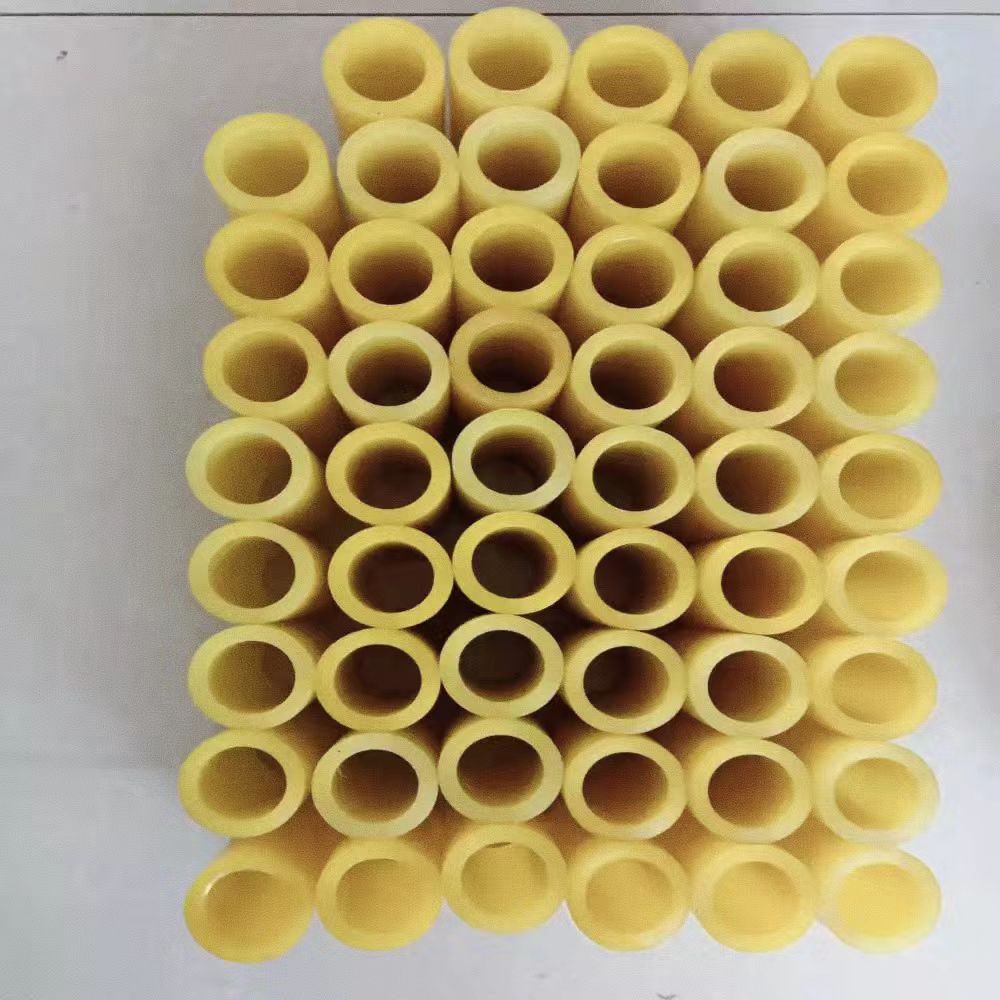
La différence fondamentale réside dans l’architecture du châssis. Les casseurs de type latéral serrent le corps hydraulique entre deux plaques d’acier massives à l’aide de longs tirants. Les casseurs de type boîtier font flotter le corps hydraulique à l’intérieur d’un boîtier étanche, à l’aide d’amortisseurs. Cet arrangement « flottant » constitue la décision technique clé : contrairement aux casseurs traditionnels de type ouvert, le modèle silencieux à boîtier intègre des matériaux absorbant le son ainsi que des tampons en polyuréthane entre le cylindre et la coque extérieure. Ces tampons remplissent simultanément deux fonctions : ils isolent le bruit généré par les chocs percussifs et absorbent l’énergie cinétique résultant du recul du piston avant qu’elle n’atteigne la coque extérieure, puis le bras porteur.
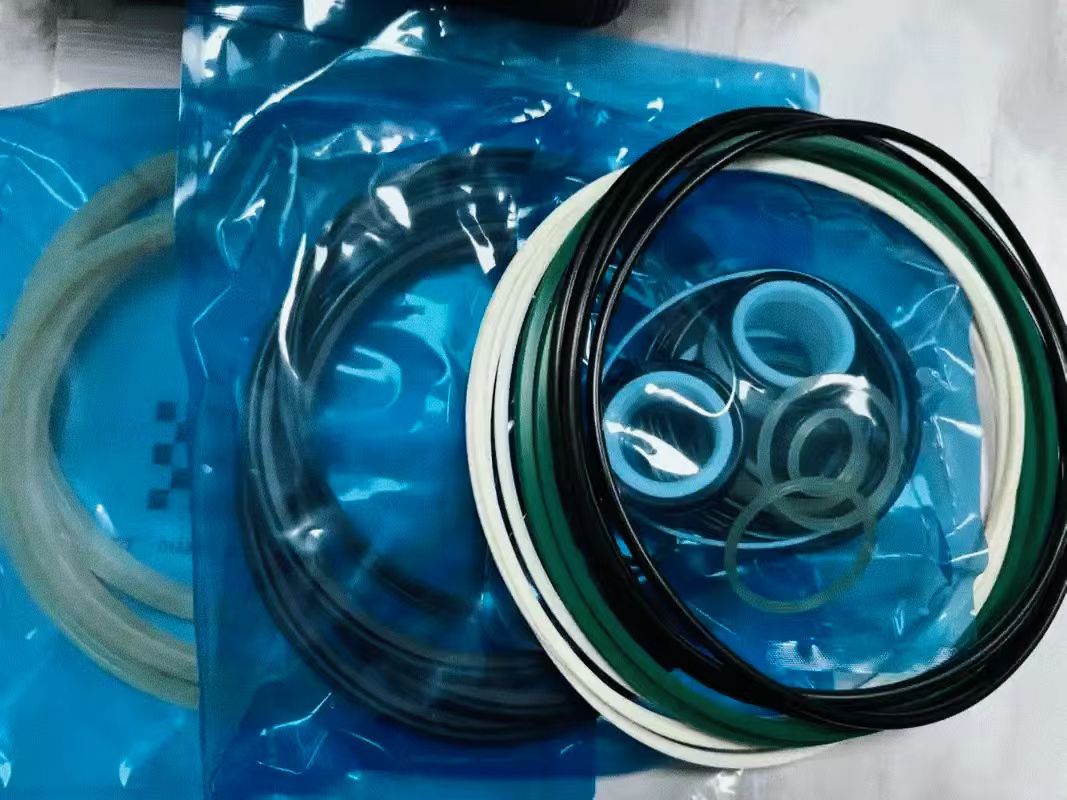
Le boîtier extérieur assure également une protection structurelle qu’un dispositif à cadre ouvert ne peut pas offrir. Comme le corps principal est entièrement recouvert par une caisse en acier robuste, il est protégé contre la poussière abrasive, la saleté et les chocs directs. L’exclusion de la poussière est particulièrement importante pour la longévité des joints : les particules abrasives dans la zone du manchon de la pointe accélèrent l’usure des joints internes, réduisant ainsi kit de joint les intervalles d’entretien. Un système de suspension flottante — utilisant souvent des amortisseurs en caoutchouc — découple davantage le corps interne du marteau de la caisse extérieure, minimisant ainsi les vibrations transmises par la structure qui remontent le bras de la pelleteuse et atteignent ses axes et manchons.
Type caisson vs. type latéral vs. montage supérieur : sept critères de décision
Les entrepreneurs qui choisissent entre les configurations de montage prennent en réalité une décision concernant l’environnement d’exploitation et le coût total de possession, et non seulement le prix d’achat. Le tableau ci-dessous compare les trois architectures principales de casseurs selon les critères les plus déterminants dans la planification concrète des projets.
Critère |
Type caisson (silencieux) |
Type latéral (ouvert) |
Posé |
Niveau sonore |
10 à 15 dB(A) inférieur au type latéral ; enveloppe en acier fermée + amortisseurs en polyuréthane pour isoler le bruit d’impact |
Niveau de bruit le plus élevé ; châssis ouvert rayonnant directement le son depuis le corps du vérin |
Bruit élevé ; recul direct du haut vers le bras transférant des vibrations solidiennes |
Vibrations transmises au support |
Amortisseurs internes absorbant le recul ; usure nettement réduite des goupilles/rotules sur le bras de la pelleteuse |
Vibrations transmises directement aux plaques latérales puis jusqu’au godet |
Transfert de recul maximal vers le bras ; problématique dans les espaces confinés en hauteur |
Protection des composants |
Enveloppe fermée protégeant le vérin, les tirants et les joints contre la poussière, les débris et les chocs latéraux |
Tirants exposés vulnérables aux contraintes latérales ; un effet de levier peut provoquer l’allongement ou la rupture des boulons |
Cylindre exposé sur les côtés ; tirants accessibles mais non protégés |
Durée de vie des joints d’étanchéité |
L’exclusion de la poussière par le boîtier prolonge sensiblement les intervalles de remplacement des kits d’étanchéité |
Le châssis ouvert permet la pénétration de poussières abrasives ; usure accélérée des joints d’étanchéité |
Similaire au type latéral — joints d’étanchéité exposés via les côtés ouverts |
Accès pour l'entretien |
Le boîtier extérieur doit être ouvert ; temps d’entretien légèrement plus long, mais les composants sont bien protégés |
Accès totalement ouvert à tous les composants ; inspection courante la plus rapide |
Accès par le haut et par les côtés ; vitesse d’entretien intermédiaire |
Valeur de revente (3 ans) |
50–60 % du prix d’achat ; le « type boîtier » est associé à une conformité moderne |
30–40 % ; perçu comme obsolète sur les marchés réglementés en matière de bruit |
35–45 % ; acceptable sur les marchés éloignés ou dans les carrières |
Meilleures applications |
Démolition urbaine, travaux municipaux, construction de tunnels, zones résidentielles |
Exploitation minière à distance, carrières à ciel ouvert, applications sans contraintes acoustiques |
Fouilles profondes, travaux au front de tunnel nécessitant une portée étendue du bras |
Performance en espaces restreints : le domaine d’excellence du marteau de type boîte
Le profil compact externe du marteau de type boîte ne vise pas uniquement la réduction du bruit. Dans le cadre des travaux municipaux — fouilles pour réseaux urbains le long d’une rue bâtie, destruction de fondations dans une cour, excavation de tranchées pour canalisations de service à proximité d’un bâtiment occupé — l’excavatrice opère souvent à quelques mètres seulement des façades, de la circulation ou des piétons. Un marteau de type boîte limite l’encombrement visuel de l’accessoire, réduit la dispersion des débris projetés grâce à son logement inférieur entièrement clos et retient la poussière que disperserait librement un modèle à châssis ouvert dans la zone de travail.
Les marteaux-piqueurs silencieux permettent aux entrepreneurs de travailler pendant des heures autorisées plus longues, sans conflit. Dans la plupart des juridictions urbaines européennes et d’Asie orientale, les limites de bruit liées à la construction s’appliquent entre 7 h et 22 h en semaine, avec des restrictions plus strictes le week-end. Un marteau-piqueur classique de type ouvert, émettant un niveau sonore de 120 à 130 dB à la source, peut dépasser la limite périphérique de 90 dB(A) à une distance de 10 mètres, ce qui peut entraîner une inspection, une amende ou une suspension des travaux. Une unité équivalente de type boîtier, dont le niveau sonore à la source est inférieur de 10 à 15 dB(A), permet de maintenir le niveau mesuré en périphérie sous le seuil autorisé par le permis, ce qui autorise le chantier à poursuivre ses activités sans interruption.
L'entretien d'un groupe compact est légèrement plus complexe que celui d'un disjoncteur à cadre ouvert, car il faut ouvrir le boîtier extérieur pour accéder à l'unité de percussion interne. Toutefois, ce même boîtier protège les composants pendant les intervalles séparant deux opérations d'entretien. Les tampons et les plaquettes amortisseuses en polyuréthane situés à l'intérieur du boîtier doivent être inspectés tous les 500 heures, mais leur remplacement est peu coûteux comparé à celui d'une plaque latérale fissurée ou d'une bielle étirée sur un groupe à cadre ouvert ayant été utilisé comme levier. Le châssis clos contribue également à contenir la poussière et les débris, assurant ainsi un fonctionnement plus propre sur le chantier — un critère qui est de plus en plus intégré dans les cahiers des charges urbains, aux côtés des limites sonores, puisque les normes « Chantier Vert » commencent à sanctionner la pollution par la poussière au même titre que le niveau sonore exprimé en décibels.


