

 EN
EN
 AR
AR CS
CS DA
DA NL
NL FI
FI FR
FR DE
DE EL
EL IT
IT JA
JA KO
KO NO
NO PL
PL PT
PT RO
RO RU
RU ES
ES SV
SV TL
TL IW
IW ID
ID LV
LV SR
SR SK
SK VI
VI HU
HU MT
MT TH
TH TR
TR FA
FA MS
MS GA
GA CY
CY IS
IS KA
KA UR
UR LA
LA TA
TA MY
MY
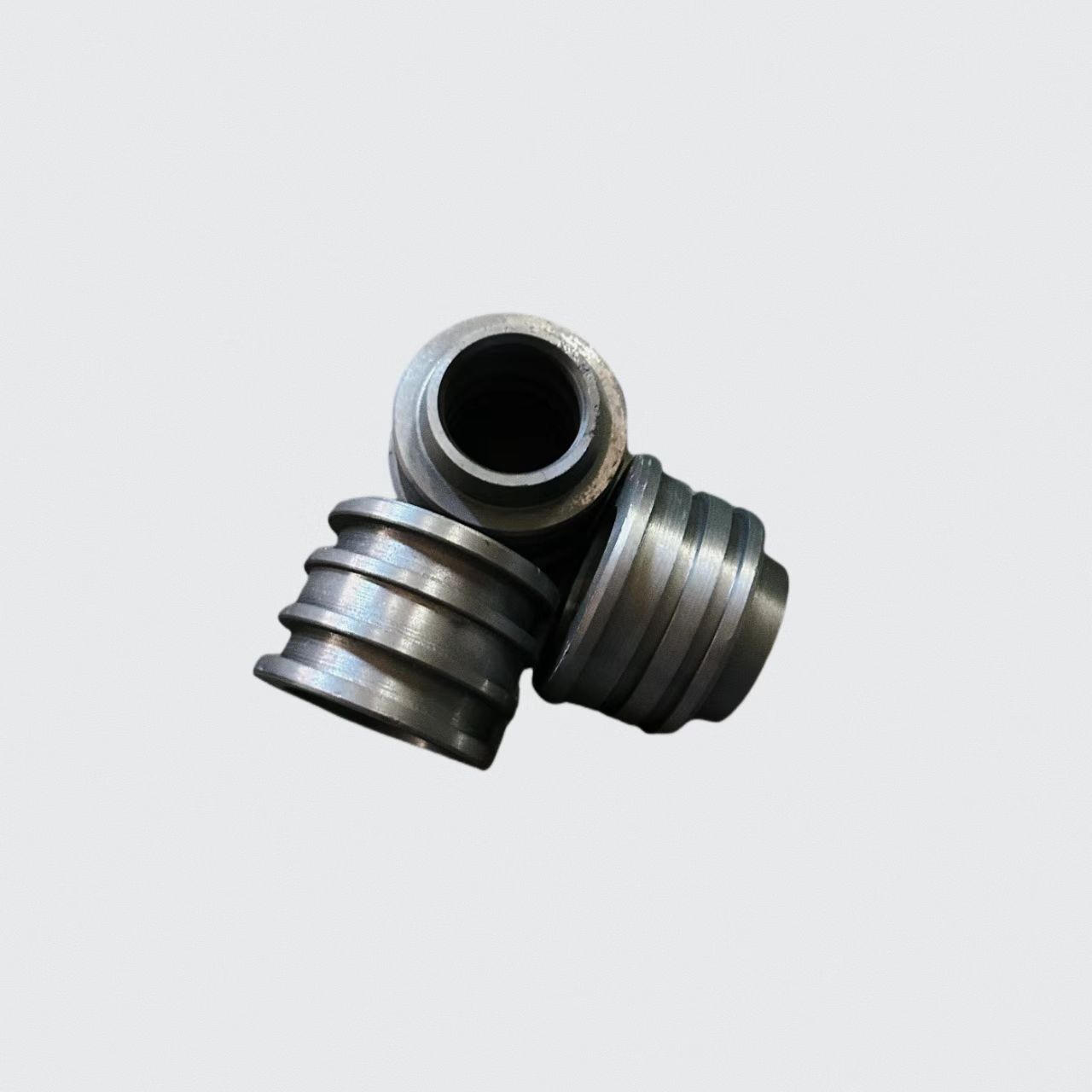
Grunnlegðarvinnslu í Finnlandi í Outokumpu gamla koparbeltinu og nýjum gullfundum í Lappalandi notar RD18U-driftara í myndunum sem sameina há UCS-gildi við hátt innihald silíkaxíðs – það er ræðustu samsetningin sem stýripistillinn ákvarðar. Stýripistillinn í RD18U er hluturinn sem leiðir árásarpistilinn á milli vélhulssins á báðum árásarfærum og endurkomufærum. Ytri þvermál hans rennur gegnum vélhulsið með bil á milli 0,04–0,08 mm. Í myndunum með hátt innihald silíkaxíðs eru finnstofnaðar bergþáttirnar sem komast inn í árásarkringinn gegnum slitið þéttunarefni eða ófullkomin skilning á vatni, nógu ræðandi til að auka þetta bil með hraða á 0,005–0,010 mm á hverjum 100 árásarfærum í saumaðri olíu – hraði sem myndi leida til þess að stýripistillinn þyrfti skipta út eftir 400–800 klukkustundum í stað 1.500–2.000 klukkustunda sem hægt er að ná í hreinri olíu.
Því er slíðrunarhraði stýripistils því miður mælikvarði fyrir hreinindi hydraulíkulóðs í finnskum rekstur með háum silíkagildum. Þegar stýripistill kemur út eftir 500 klukkustundir með aukningu á bilinu um 0,03 mm í stað vartanlegrar aukningar um 0,01 mm er olían óhreinari en markmiðið ISO 16/14/11. Gagnagildi þess að mæla bil stýripistils við hverja viðhaldsávöxtun – ekki bara skipta um hann við sjónlega slíðrun – er að það segir viðhaldsliðnum hvort olíusíurunin virkar áður en sjálft slagborðið er skorað.
Bil stýripistils sem tilvísunargildi fyrir gæði olíu
Aukning á bilinu á 500 klukkustundir |
Ámat á hreinindi olíu |
Mat á líftíma pistils |
ACTION |
<0,01 mm |
ISO 16/14/11 eða betra |
1.500–2.000 klukkustundir samtals |
Halda áfram; olíuskerfið er rétt |
0,01–0,02 mm |
ISO 17/15/12 |
1.000–1.500 klst. samtals |
Fylgja með; athuga síu |
0,02–0,04 mm |
ISO 18/16/13 |
600–1.000 klst. samtals |
Skipta um olíu; athuga síueiningu |
0,04 mm |
Alvarlega saumað |
Skipta út núna |
Rannsaka þjöppunarlás; skipta olíu |
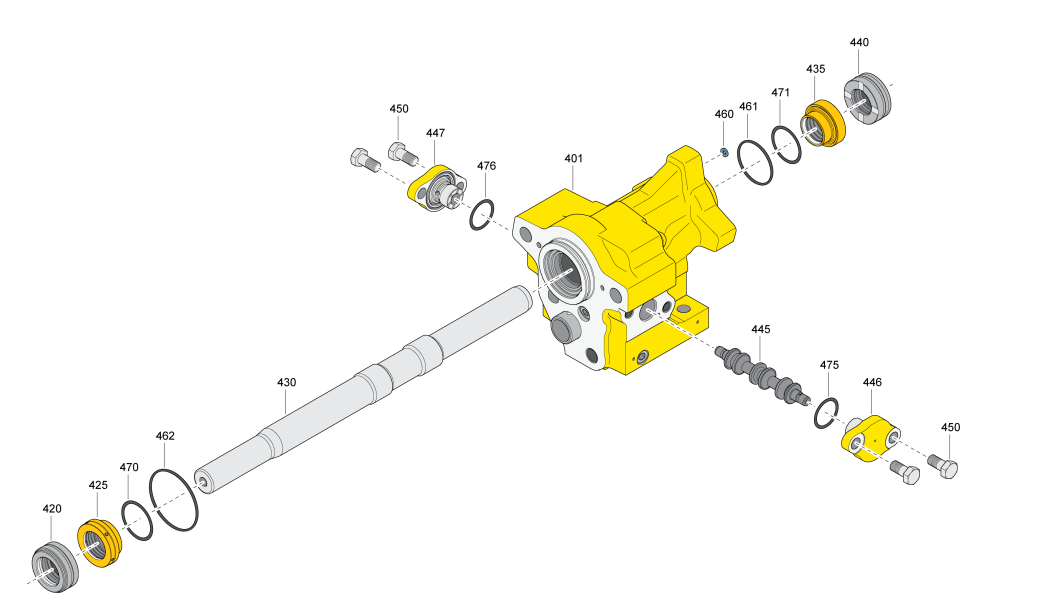
Finnar viðhaldstæknar hjá Agnico Eagle á Kittilä-virkjunni skráðu mælingar á bilinu milli leiðarstöngva í átt til hraðbreytinga á sama tíma og gögn um fjölda olíudeyfa. Tveir gögnastreymar tengjast á fyrirsjáanlegan hátt: þegar fjöldi deyfa hækkar hækkar klifurhraði bilanna 6–8 vikum síðar, því að saurnunin fer í gegnum síuþröngunina og inn í slagborðið. Þessi fyrnirnar sem gefa ávöxtun á undan hafa réttmæti 5 mínútna mælingarinnar við hvert viðhald. HOVOO framleiðir leiðarstöngvar af gerðinni RD18U með lágri slitagefni og borðskurðtilvik sem eru viðeigandi fyrir Finnlands frummyndunarskilyrði með háan silíkagildi. Tilvísanir á hovooseal.com.


