

 EN
EN
 AR
AR CS
CS DA
DA NL
NL FI
FI FR
FR DE
DE EL
EL IT
IT JA
JA KO
KO NO
NO PL
PL PT
PT RO
RO RU
RU ES
ES SV
SV TL
TL IW
IW ID
ID LV
LV SR
SR SK
SK VI
VI HU
HU MT
MT TH
TH TR
TR FA
FA MS
MS GA
GA CY
CY IS
IS KA
KA UR
UR LA
LA TA
TA MY
MY
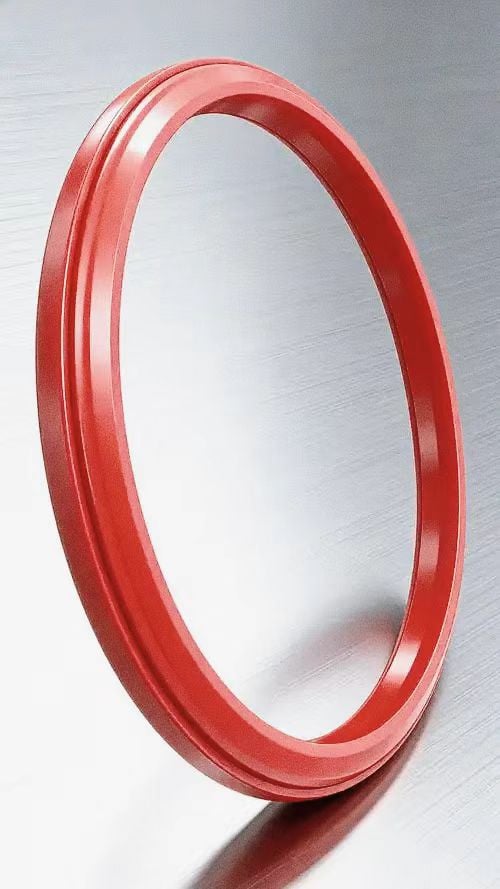
חתימה שפורצת אינה אומרת רק על שפיכה של שמן על הקרקע. היא אומרת על אובדן לחץ, חלשות במכות, זיהום נוזל הידראולי, סחיפה מאיצה של טבעות גומי, ובסופו של דבר על הברק שמוסר מהמשימה. החתימות הן חלקים קטנים שמעוררים השלכות גדולות. הכיוון שבו פיתחה טכנולוגיית החתימות בעשור האחרון משקף בדיוק את המקומות שבהם משתמשים בברקים — סלעים קשיחים יותר, עומקים גדולים יותר מתחת למים, סביבות קורוזיביות יותר, ושעות עבודה רצופות ארוכות יותר.
מדע החומרים מוביל את השדרוג
חיבורים הידראוליים מוקדמים למקטעי סלע היו כמעט לחלוטין מגרוטאות. הגומי מספק אלסטיות טובה ותנגדות סבירה לשמן, מה שהיה מספיק כאשר המקטעים פעלו במחזורי עבודה קצרים יותר ובלחצים נמוכים יותר. עם העלייה בלחצים הפועלים לכיוון 200–350 בר והארכת מחזורי העבודה ל-8–10 שעות יומיות, שינו את אופי תקלות החיבורים. מחזורי חום גבוהים גרמו לירידה מהירה יותר מאפיונה באלסטיות. אבק סלע חריף חדר דרך חיבורי הסינון המבושים ותקף את שטח הפיסטון מבחוץ.
חומר פוליאוריתן תקן את בעיית הסחיפה. PARKER למשל, חומר הפוליאוריתן P5008 שלו מספק עמידות גבוהה לסחיפה ועיוות קבוע זעיר תחת מכה מכנית חוזרת — תכונות שלא יכול גומי לספק באותה קשיחות. לעמידות בקורוזיה, נבחר חומר ה־PTFE. חתיכות אטימה מפוליטטרהפלואוראתילן כימית אינרטיות ברוב הנוזלים והסביבה, ולכן הן נבחרות לעבודה בחופים, לפיצוץ תת-מימי ולאתרים שבהם הכימיה של מי התהום אגרסיבית. כאשר גם חום וגם חשיפה כימית מתנגנים יחד — כמו בפיצוץ ימי או בפריצה של מנהרות במים מלוחים — אלסטומרים פלואורו (FKM) עמידים בפני נזק מהמים הימיים, טמפרטורות גבוהות ומגע כימי רחב.
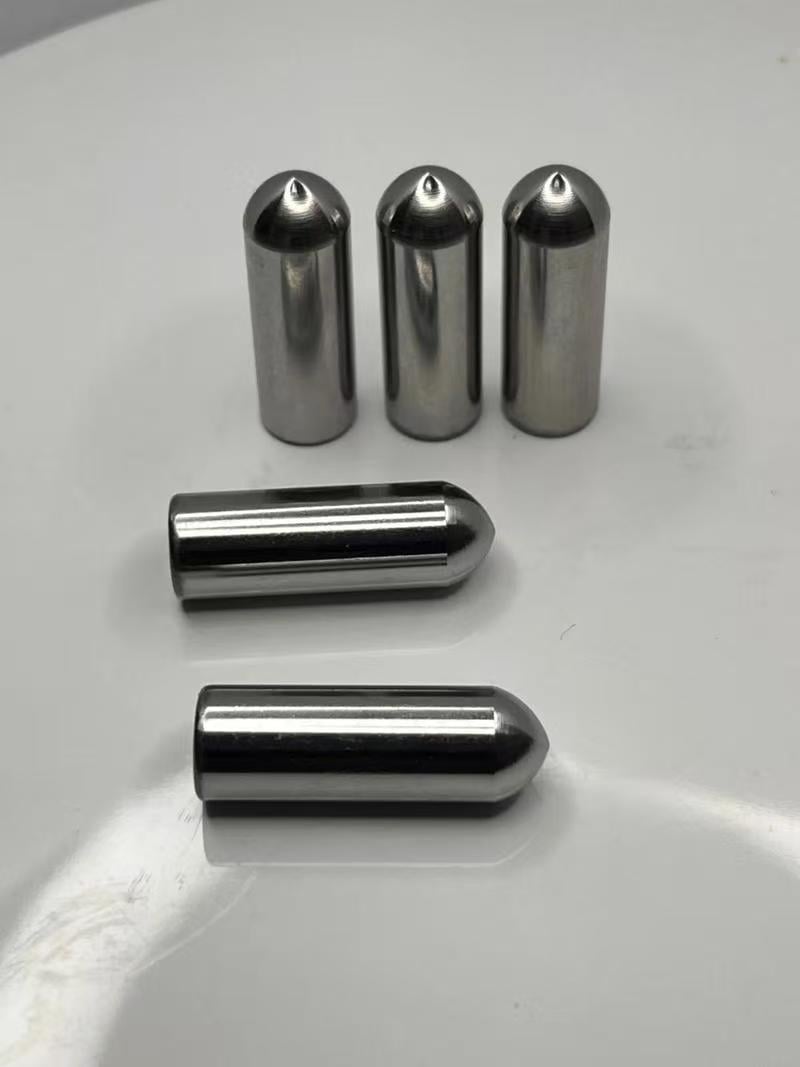
חיתום דו-כיווני והגנה דו-כיוונית
מפרק מודרני קִיטֵי חֲתֹם משתמשים יותר ויותר באختמים הידראוליים דו-כיווניים במקום באלה חד-כיווניים. אטם חד-כיווני מונע דליפת שמן הידראולי החוצה. אטם דו-כיווני מבצע פעולה זו וגם חוסם זיהומים חיצוניים — מים, אבק, אבק בטון — מפני שהם חודרים למערכת ההידראוליקה מהקצה של המברג. בסביבות לחות או עפריות, הכיוון השני הוא זה שמגן על פני השטח של הפיסטון ועל קנה הצילינדר במשך אלפי שעות פעילות.
בחירת חומר האטם לפי סביבת הפעולה
חומר סגר |
תכונה رئيسית |
יישום טיפוסי |
caoutchouc ניטריל (NBR) |
ת Resistancy לשמן ומזוט; אלסטיות טובה |
מקטעים סטנדרטיים ולכרייה |
פוליאורתאן (PU) |
ת مقاومة גבוהה לשחיקה; נזילה קבועה נמוכה |
פירוק כבד במחזורים גבוהים, שבירת סלעים קשיחים |
PTFE (פוליטטרהפלואורואתילן) |
עמידות יוצאת דופן בפני קורוזיה; חוסר פעילות כימית |
אתרים חוף, תת-ימיים ומפגשים כימיים |
FKM פלואורואלסטומר |
עומד במים מלוחים, בטמפרטורות גבוהות ובטווח רחב של חומרים כימיים |
הרס ימי, חפירת מנהרות במים גשומים |
ערכות איטמים מהנדסים של HOVOO ו-HOUFU בכל ארבעת סוגי החומרים, עם مواصفות תערובות מתאימות ללחץ הפעלה, טווח הטמפרטורות ולחשיפה לסביבה. השימוש בחומר הנכון — ולא רק באיטם שמתאים פיזית — הוא מה שמאריך את זמן השירות מאות שעות לאלפי שעות. פרטים בכתובת https://www.hovooseal.com/
טכנולוגיית אטמים להבריק הידראולי | אטם להבריק עמיד למים ולחלודה | אטם הידראולי מ־PTFE ו־FKM | הבריק קיט סיגל שדרוג | HOVOO | HOUFU | hovooseal.com


