

 EN
EN
 AR
AR CS
CS DA
DA NL
NL FI
FI FR
FR DE
DE EL
EL IT
IT JA
JA KO
KO NO
NO PL
PL PT
PT RO
RO RU
RU ES
ES SV
SV TL
TL IW
IW ID
ID LV
LV SR
SR SK
SK VI
VI HU
HU MT
MT TH
TH TR
TR FA
FA MS
MS GA
GA CY
CY IS
IS KA
KA UR
UR LA
LA TA
TA MY
MY
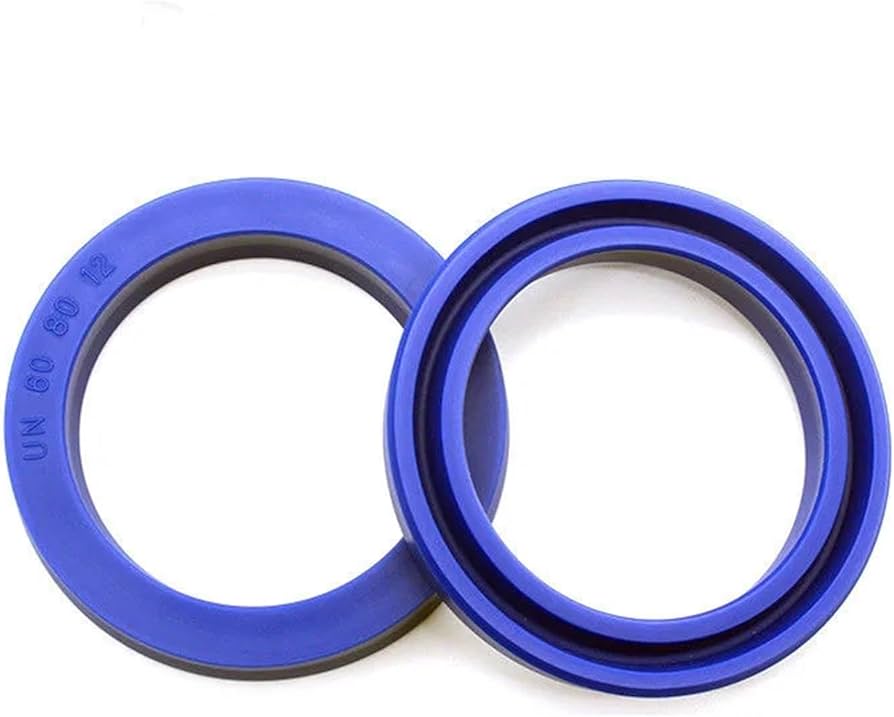
מחלקת NAS 9 מאפשרת עד 64 חלקיקים למיליליטר בטווח הגודל של 5–15 מיקרומטר. אזור המגע של שפת חותם הקולחון הוא ברוחב של כ-0.8–1.2 מילימטר והיקפו הוא 280–320 מילימטר — כלומר שטח מגע של כ-250–384 מילימטר רבוע שעובר על ידי השפה בכל דחיפה. חתימה של פיסטון בתדר של 50 הרץ, חלקיקים בגודל 10–15 מיקרומטר עוברים דרך אזור המגע הזה 180,000 פעמים בשעה. כל מעבר שכולל חלקיק קשה בגודל מעל 6 מיקרומטר יוצר סדיקה מיקרוסקופית על שפת החותם או על שטח הקולחון. במחלקת NAS 9 קצב היצירת הסדיקות הוא בשליטה. מעל מחלקת NAS 12, הסדיקות מתחילות להתחבר זו לזו לערוצים של פגיעה.
מנגנון הנזק הספציפי לעיל NAS 12: חלקיקים בגודל 15–25 מיקרומטר ננחים על פני שפת האלסטומר במהלך אירוע ההשקה תחת לחץ גבוה בקיר התעלה. החלקיק הנח יוצר אפקט של חומר מחוספס שגורם לפגמים בתעלה במהלך המהלכים הבאים — תהליך עצמאי-מגביר שיוצר פסולת מתכתית מבליטות, מה שמגביר את רמת הנטול עוד יותר, וכתוצאה מכך נחשים עוד חלקיקים בשפת האלסטומר. צוות התפעול והתחזוקה של מכרה הפוטאש של K+S Werra עקוב אחר מנגנון זה במבחן מבוקר שביצעו במערה התחתונה של חטורף (Hattorf), וצפו בנחישות חלקיקים בשפת החותם תוך 80 שעות לאחר שהרשו לרמה של זיהום במעגל להגיע ל-NAS 14. ערך Ra של התעלה עלה מ-0.6 מיקרומטר ל-1.4 מיקרומטר תוך 200 שעות, ללא כל התערבות נוספת.
רמת הזיהום לעומת קצב נזקי החותם
דרגת NAS (המשוואה ל-ISO) |
מספר החלקיקים (בגודל 5–15 מיקרומטר למיליליטר) |
מנגנון נזק לחותם |
השפעה משוערת על משך החיים הפעלי |
NAS 7 (השוואה ל-ISO 15/13/10) — יעד נקי |
עד 16 חלקיקים למיליליטר |
חלקיקים בעלי צפיפות נמוכה מדי כדי ליצור התחלת שריטות מתמשכת |
בסיס — תקופת חיים סטנדרטית של 400–480 שעות |
NAS 9 (ISO 16/14/11) — תפעול מותר |
עד 64 חלקיקים למיליליטר |
שריטות מיקרוסקופיות מבודדות על שפת הלחיצה — התאוששות עצמית באלסטומר תוך 10 שעות |
360–420 שעות — נמוך ב-10–15% מהבסיס הנקי |
NAS 11 (ISO 18/16/13) — אזהרה בגבול |
עד 256 חלקיקים למיליליטר |
צפיפות השריטות גבוהה מספיק כדי להגביר את הקורוזיביות המיקרוסקופית של המשטח הפנימי |
260–320 שעות — נמוך ב-30–38% מהבסיס הנקי |
NAS 12 (ISO 19/17/14) — החלפת שמן וטיהור מעגל |
עד 512 חלקיקים למיליליטר |
חדירת חלקיקים למסגרת החורף מתחילה — נזק מתגבר לחריצי הגליל |
180–240 שעות — נמוך ב-50–55% מהבסיס הנקי |
NAS 14 ומעלה (ISO 21/19/16) — מצב קריטי |
מעל 2,048 חלקיקים למיליליטר |
חריצי הגליל מורגשים במישוש; ערך Ra עולה על 1.6 מיקרומטר; מסגרת החורף מכילה חלקיקים |
80–120 שעות — יש לעצור את המיכון ולטהר את המעגל |
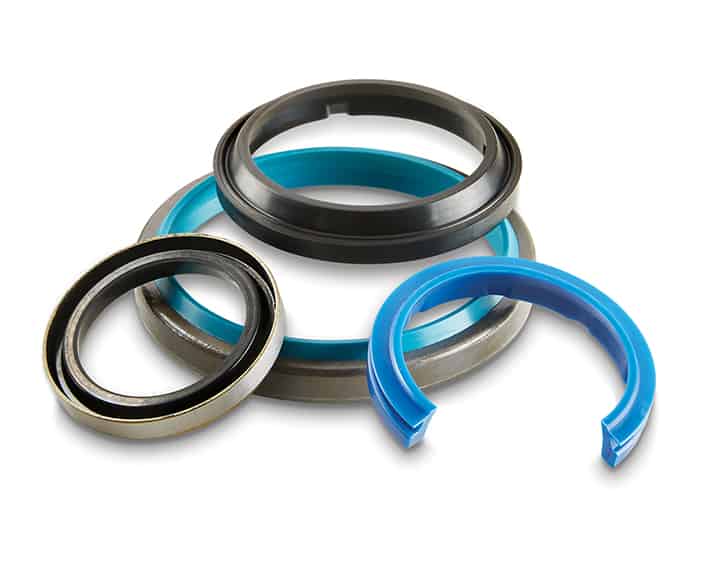
המעבר מ-NAS 11 ל-NAS 12 הוא הסף הקריטי שבו נזק לחורפים הופך למתגבר ולא ניתן לשליטה — זיהוי הזיהום ב-NAS 11 וטיהור למערכת עד ל-NAS 9 דורש דגימת שמן אחת ושינוי מסנן. לעומת זאת, זיהוי הזיהום ב-NAS 14 עלול לדרוש החלפת גליל, ואולי גם משאבה, וכן 14 שעות של עצירה. HOVOO מספקת הנחיות לניטור ניקיון השמן וערכות טיהור למעגלים עבור כל פלטפורמות הדריפטרים העיקריות. רשימת המקורות המלאה באתר hovooseal.com.


