

 EN
EN
 AR
AR CS
CS DA
DA NL
NL FI
FI FR
FR DE
DE EL
EL IT
IT JA
JA KO
KO NO
NO PL
PL PT
PT RO
RO RU
RU ES
ES SV
SV TL
TL IW
IW ID
ID LV
LV SR
SR SK
SK VI
VI HU
HU MT
MT TH
TH TR
TR FA
FA MS
MS GA
GA CY
CY IS
IS KA
KA UR
UR LA
LA TA
TA MY
MY
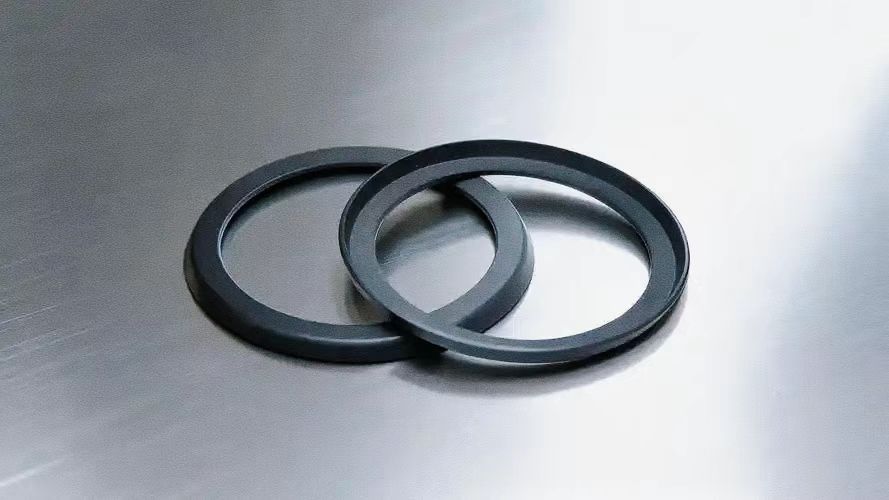
חנקן מבצע שתי משימות שונות — שתיהן חשובות
פתחו את המנואל לשירות מקטיע הידראולי ותמצאו בדרך כלל שתי תכונות נפרדות של לחץ חנקן: אחת לראש האחורי (צילינדר האחורי) ואחת לאגירת החומר. הן אינן ניתנות להחלפה. התאמת אחת מהן בלבד תוך התעלמות מהשנייה תביא עדיין למקטיע שביצועיו נמוכים או שיגרום נזק לרכב הנושא.
חנקן הראשי האחורי פועל כקפיץ גז. שמן הידראולי מפעיל את המבנה כלפי מעלה, ומצמיח את מטען החנקן הזה. כאשר השסתום מתחלף, החנקן המצומח משתחרר בפיגוע, ודוחף את המבנה כלפי מטה במהירות גבוהה כדי להכות במברג. זהו המקור העיקרי לאנרגיית ההכאה — זה מה שנותן לכל הפעמה את כוחה. ללא חנקן זה, או אם רמותיו נמוכות מדי, המבנה ייפול תחת הלחץ ההידראולי בלבד, אשר מהווה רק שבריר קטן מכוח ההכאה המתוכנן. ללא מטען חנקן מספיק בראש האחורי, המבנה יחסר את הכוח הנדרש לשבירה יעילה.
חנקן האגירת החומר מבצע משהו שונה לחלוטין: הוא בולע גלי לחץ. בכל פעם שהשסתום של המניע מתחלף, נוצר גל לחץ שמתפשט חזרה דרך צינורות הידראוליקה לכיוון משאבת הנושא. ללא מנגנון כבישה, גלים אלו היו פוגעים במשאבה, בר seals ובחיבורים של הצינורות בתדירות של 400–1,400 פעמים לדקה. המטען החנקני באגירת החומר בולע את השיאים הללו, ומביא להפחתת הלחצים המקסימליים ב-30–40%, מה שמגן על כל המעגל ההידראולי של הנושא. הפעלה עם רמת חנקן נמוכה באגירת החומר אינה רק בעיה של ביצועי המניע — אלא פוגעת ישירות במחפר.
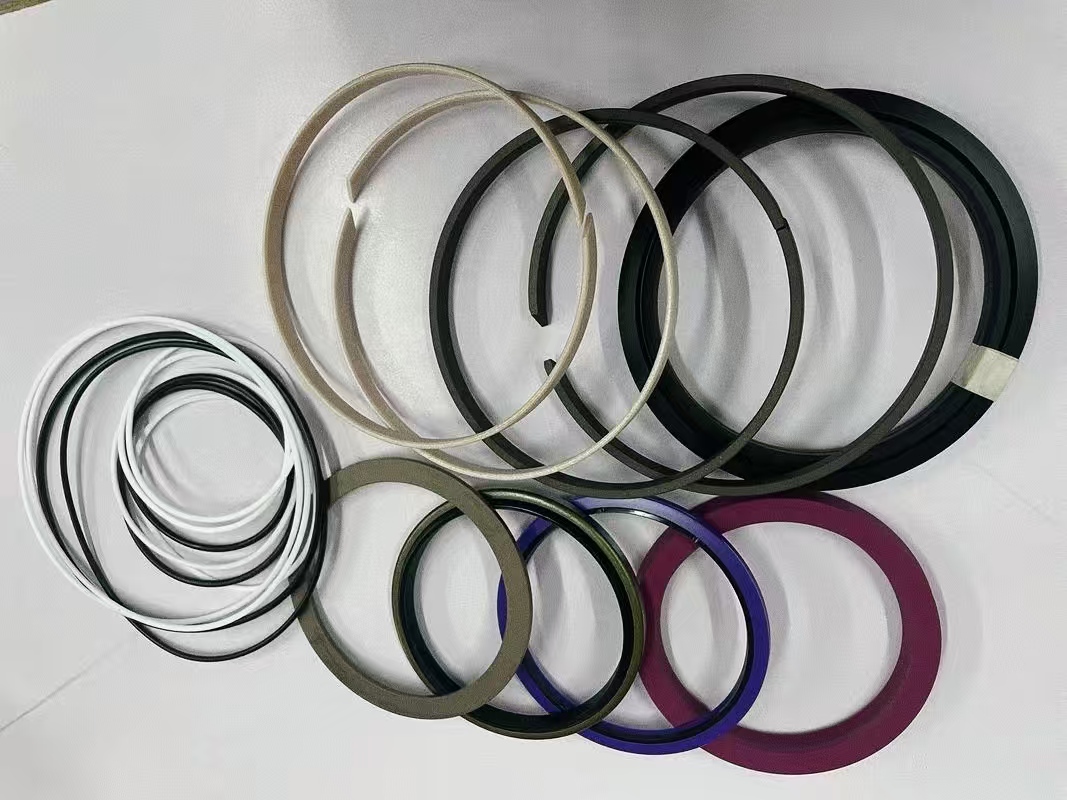
חמש תופעות, הסיבה החנקנית שלהן ומה יש לעשות
הטבלה שלהלן מציגה את חמשת הסימפטומים הנפוצים ביותר באתר, ואת מצב החנקן שהכי סביר שיגרום להם, את הסיבה המכנית לכל סימפטום והפעולה התיקונית. עמודת 'הפעולה' כוללת במפורש גם מה לא לעשות במקרה כלשהו — אלו הטעויות שמעבירות טיפול פשוט במתן חנקן למצב מסוכן דיאפרגמה החלפה.
תסמין נצף |
מצב החנקן הסביר |
מה קורה פנימית |
פעולה תוקנת |
חיבורים קשיחים מקפצים/מרעידים למראה |
רמות החנקן באגירת המאגר נמוכות מדי |
המאגר אינו מפחית את גלי הלחץ; צלילים חדים עוברים בחזרה למערכת הנשיאה; משאבת הנשיאה וחיבורי הצינורות סופגים כל מכה |
להפסיק את העבודה באופן מיידי. לבדוק ולמלא מחדש את החנקן במאגר. לא להפעיל — כל מכה מפעילה לחץ על משאבת הנשיאה. |
המקטיע מחזיר מחזורים לאט; מכה חלשה למרות זרימת השמן הנכונה |
רמות החנקן בחלק האחורי נמוכות מדי או רמות החנקן במאגר נמוכות מדי |
המ Piston (הפיסטון) חסר כוח ירידה פתאומי; מהירות המחזור החוזר איטית; קצב המחזורים יורד ב-15–25%; אנרגיית ההשפעה מצומצמת |
בדקו את הלחצים בחלק האחורי של הראש ואת לחץ האגירת החומר נגד דף הנתונים של המודל לפני התאמת זרימת הנוזל ההידראולית. |
המפרק אינו מבצע מחזור כלל, למרות שהלחץ של השמן אושר. |
חנקן באגירת החומר מופרז. |
לחץ החנקן גבוה מדי כדי להידחס על ידי השמן ההידראולי; אגירת החומר אינה יכולה לאגור אנרגיה; הפיסטון נעצר באמצע המהלך. |
שחררו לאט את חנקן האגירה ללחץ שצוין. אל תשתמשו במקלעת ברגל על ליבת van השחרור — השתמשו בשסתום השחרור בהרכבת המילוי. |
חימום מהיר במיוחד של השמן במהלך פעולת המפרק. |
רמות החנקן באגירת המאגר נמוכות מדי |
Peak הלחצים אינם נבלעים; המעגל ההידראולי פועל באופן לא יעיל; עומס החום על מערכת הנושא עולה באופן חד. |
מלאו מחדש את אגירת החומר. כמו כן, בדקו את רמת השמן ותנאי המקרר — חנקן נמוך הוא לעיתים רחוקות הסיבה היחידה לחימום יתר. |
רטט חריג הנרגש בקאבין; צלילי המנוע נשמעים מוטרדים. |
חנקן באגירת החומר נמוך; או אי התאמה בלחץ החלק האחורי של הראש |
המערכת הנושאת סופגת כוחות התנודד שלא تمורדים על ידי המאגר; עייפות הפעיל והמכונה מואצת |
נדרש בדיקת לחץ. כמו כן, יש לוודא שהכלי העבודה נלחץ באופן פירמי נגד החומר — ירי ריק יוצר תסמינים זהים. |
הליך הטעינה — והשגיאות שפוגעות בציוד
הכלל הראשון הוא בחירת הגז. אסור להשתמש באוויר דחוס או באוקסיגן. באוויר יש לחות שגורמת לקורוזיה של הרכיבים הפנימיים של המאגר, ואוקסיגן תחת לחץ יחד עם שמן הידראולי יוצר סיכון לשריפה ולפיצוץ. רק חנקן יבש מתוך צילינדר גז תקני מותר לשימוש. זו אינה אזהרה למקרים קיצוניים בלבד — אלא הסיבה לכך שההליך מציין את שימושו בקיט טעינה של חנקן ולא בקו האספקה של מדחס המפעל.
סדר הטעינה חשוב יותר ממה שרוב המפעילים מצפים. חברו את ציוד הטעינה לصمام הגז בלי לסובב את החוזק עד הסוף — פעולה זו פוגעת במושב הערך. פתחו את ערכת בקבוק החנקן לאט: אם ממלאים מאגר מסוג בלון מהר מדי, החנקן פוגע בקצה הרחוק של הבלון תחילה, מאריך אותו לאורך כיוון האורך של הקליפה עד אורך המלא, ואז דוחף את הבלון כלפי מטה סביב ערכת השסתום בתחתית. הבלון הזה אינו חוזר למצבו הרגיל. התיקון הוא החלפת המאגר, לא טעינה מחדש. אפשרו 10–15 דקות לאחר הגעה ללחץ היעד לפני קריאת הערך הסופי — טמפרטורת החנקן יורדת כאשר הוא מתפשט לתוך המאגר, ומד הלחץ יראה ערך גבוה יותר מהערך המתייצב עד שהגז יתייצב.
לשחרור הלחץ העודף יש להשתמש בשסתום השחרור במערכת הטעינה — ולא במברג שמדחיס את ליבת השסתום. שיטה זו של דחיסת ליבת השסתום פוגעת במשטח ההישענות וגורמת לדליפה איטית שתגרום לירידת הלחץ שוב תוך ימים ספורים. בנוסף, קיימת סכנה לשחרור מהיר של הגז ישירות אל פנים האדם שביצוע את העבודה. יש להשתמש בשסתום השחרור, לפתוח אותו לאט ולהסגר אותו לפני שירדת הלחץ תחת הערך המבוקש.
במרווחי זמן: בדקו את חנקן המאגר כל 200–250 שעות עבודה ליישומים סטנדרטיים, וכל שלושה חודשים למחצבות ולמפרצים המיועדים לתחום המכרות והחציבה. אם הלחץ יורד ביותר מ-5 בר בין בדיקות, הדיאפרגמה נפגעה ותהליך המילוי מחדש לא יתקן את התקלה. יש לבדוק את המאגר, וכנראה להחליף את הדיאפרגמה או את הבלדר. עבור המודלים הגדולים יותר של BEILITE המיועדים למינרלים, התאמת חנקן נכונה שיפרה את עקביות ההשפעה ב-12–15% ופחיתה בטמפרטורת השמן ב-5° צלזיוס במבחנים מעבדתיים — מה שהופך את בדיקת החנקן השבועית לאחת משימות התיקון בעלות היעילות הגבוהה ביותר לפי דקה של זמן טכנאי.


