

 EN
EN
 AR
AR CS
CS DA
DA NL
NL FI
FI FR
FR DE
DE EL
EL IT
IT JA
JA KO
KO NO
NO PL
PL PT
PT RO
RO RU
RU ES
ES SV
SV TL
TL IW
IW ID
ID LV
LV SR
SR SK
SK VI
VI HU
HU MT
MT TH
TH TR
TR FA
FA MS
MS GA
GA CY
CY IS
IS KA
KA UR
UR LA
LA TA
TA MY
MY
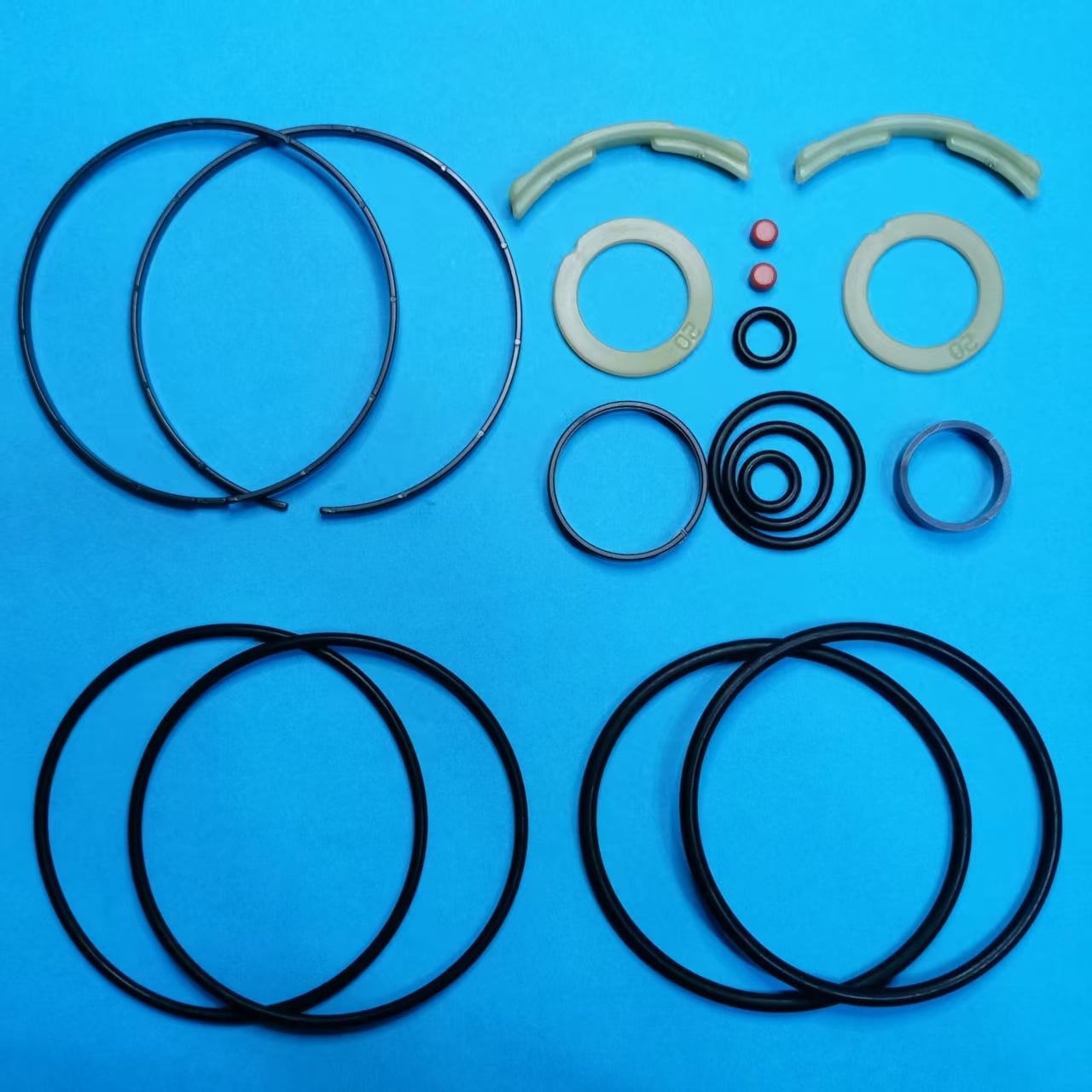
אביזרים אינם ציוד רשות — הם השובר
המונח 'אביזרים' מרמז על תוספות רשות למכונה שלמה. עבור מפרק הידראולי זה אומר להיפך: החצוץ, השלב, קיט סיגל , הסיכות המחזיקות והבורגיות העוברות הן הרכיבים שמבצעים את העבודה, סופגים את הבלאי וקובעים האם המפרק מספק ביצועים כמתואר בנתונים או משהו נמוך מהם במידה רבה. גוף המבנה והפיסטון מעוצבים לארוך את משך החיים הפעלי של המכונה. האביזרים מעוצבים כדי להוחלף. הבנת הזמן, האביזרים הנדרשים והסדר שבו יש לבצע את ההחלפה היא כל מהות תחזוקת המפרק הידראולי.
החלקים מתחלקים באופן טבעי לשתי קבוצות. הקבוצה הראשונה נ wears ביחס ישר למספר מחזורי ההשפעה — קצות מברגים, גלגלונים פנימיים, חתיכות אטימה לאבק. תקופת השירות שלהן נצרכת על ידי העבודה עצמה והיא ניתנת לחיזוי במידה רבה לפי שעות הפעלה וקשיחות החומר. הקבוצה השנייה נ wears מאירועי מתח ולא משימוש במצב יציב — סיכות אחיזה מתעקלות מיריות ריקות, בולטים עליונים מתארכים ממתח מהרעד, קִיטֵי חֲתֹם מתקלקלות מראש עקב זיהום שמן או הגדרות לחץ שגויות. חיזוי תקופת השירות של הקבוצה השנייה דורש ידיעת האירועים המתחיים שהתרחשו. רוב המפעילים אינם עוקבים אחר זה. רשומות השירות שלהם מציגות 'סיבה לא ידועה' כאשר הסיבה האמיתית הייתה שבוע של פעילות עם עומס יתר לפני שלושה חודשים.
היחס בין שתי הקבוצות הללו הוא גם סדרתי. כאשר הקבוצה הראשונה מאחרת בלוח הזמנים — למשל, כאשר חישוק מוחלף לאחר שהגיע לגבול הרווח המרבי שלו, או כאשר אטם האבק מוחלף באיחור — הקבוצה השנייה סופגת עומס נוסף. חישוק מוחלף מטה כל מכה מחוץ לציר; הטיה זו מעמיסה את פאות היצירת מגע של האטמים באופן לא סימטרי; כתוצאה מכך האטמים נכשלים מוקדם מדי. אטם אבק שנותר בלתי מוחלף מאפשר לחלקיקים קשיחים חדירים להיכנס לתעלה המושקעת; החלקיקים מתערבבים עם משחת הקיסל ויוצרים תערובת מגררת שמסירה חומר מהחישוק מהר יותר מאשר נזק ממכות בלבד. שמירה על לוח הזמנים של הקבוצה הראשונה מגינה ישירות על הקבוצה השנייה.
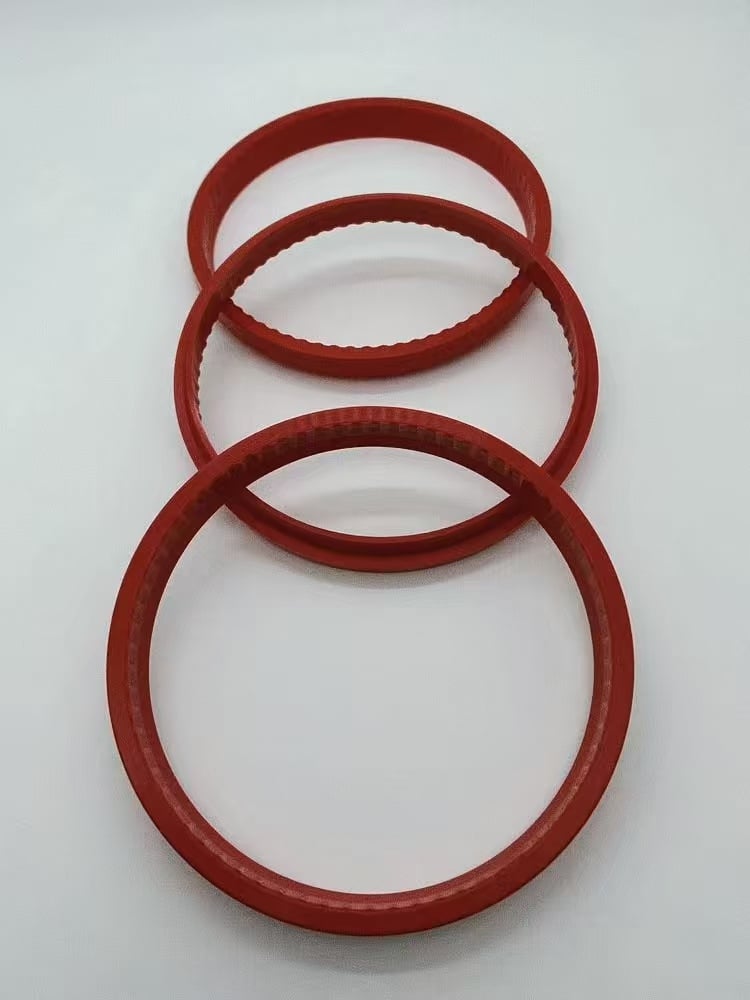
חמשת התוספים המרכזיים — תקופת ההחלפה, הסימן להחלפה וההערה הקריטית
הטבלה שלהלן מציגה את חמשת התוספים האחראים לכמעט כל פעילויות התיקון המתוכננות ולרוב הכשלים הלא מתוכננים. עמודת 'ההערה הקריטית' מספקת את השגיאה הספציפית הגורמת למספר הרב ביותר של קריאות חוזרות לאחר ביצוע עבודת החלפה.
אביזר |
מרווח החלפה |
סימן להחלפה |
הערה חשובה |
קיסל / כלי עבודה |
שבועות–חודשים (סלע קשה) 3–6 חודשים (בטון) |
הקודקוד נפיח, עגול או סדוק; הגוף מציג חריצים או wearing אסימטרי; צביעה כחולה/שחורה עקב חימום יתר |
להחליף כחלק מקורי תואם — פרופיל הגוף ואורכו משתנים בהתאם למודל; יש למדוד את קוטר הגוף המוחלף לפני ההזמנה אם יש ספק |
הברג הפנימי (קונduit להנחית הכלי) |
200–600 שעות, תלוי בא Discipline של שמייה |
המזרק מתנדנד צדדי; מברגה בקוטר 5 מ"מ מחליקה בין הגוף לקונduit ללא התנגדות; ניכר wearing אסימטרי על גוף המזרק |
להחליף לפני שהפתיחה עולה על 2 מ"מ; חיתול משוגר מפנה כל מכה מחוץ לציר, לטעון את פני הפיסטון וללחוץ על מרווחי חותם |
ערכת חתימות (חתימות קדמיות ופנימיות) |
800–1,200 שעות בסביבה קשוחה/חמה; 1,800–2,200 שעות בסביבה נקייה/מתונה |
דליפת שמן בחלק הקדמי של הראש או בחיבורים של הצינורות; ירידה הדרגתית ב-BPM במשך ימים; השמן ההידראולי מתכהה עקב זיהום |
להחליף כסט שלם — שילוב איטמים ישנים וחדשים מפר את הגאומטריה של האיטמים הסמוכים וגורם לתקלות חוזרות מוקדמות |
סיכות תומכות ומסגרות תומכות |
לבדוק כל 50 שעות; להחליף במקרה של עיוות |
עיקום או דחיסה נראים בפאה המגיבה; התאמת רופפת; צלצול שמעי; תנועת הסקלפל מעבר לטווח הפעולה הרגיל |
להחליף את שתי הסיכות יחד — הפרש קשיחות בין סיכה חדשה ולפני זה גורם לעיוות הסיכה הישנה תוך ימים בטעינה אסימטרית |
בורגים חוצים ובורגים צדדיים |
לבדוק את המומנט לאחר 250 שעות; להחליף במקרה של מתיחה |
מתיחת גוף הבורג (למדוד מול المواصفות החדשות); פגיעה בשינון; רווח נראה בין פאות הגוף בזמן הפעלה |
להשתמש במפתח מומנט קליברטי; להדק בתבנית קרוס; לא להשתמש מחדש בבורגים שמתיחים עד נקודת הזרימה — שבירה של בורג חוצה במהלך הפעלה היא כשל מבני, ולא אירוע תחזוקה |
בניית מלאי חלקי חילוף באתר
עקרון הפעולה לאחסון חלקי חילוף הוא פשוט: עלות זמן הפרויקט העומד בשל המתנה לחלק היא כמעט תמיד גבוהה יותר מאשר עלות האחזקה של אותו חלק כמלאי. סט איטמים למחברת מדרגה בינונית עולה כ-3–5% ממחיר הרכישה של היחידה. המתנה של שבועיים לסט האיטמים בפרויקט שבו פועלת מכונה אחת עוצרת את התקדמות הפרויקט למשך שבועיים. החישוב אינו מעורפל. ובכל זאת, רוב המפעילים מנהלים מלאי ריאקטיבי — הם מזמינים את החלקים רק לאחר שהתקלה מתרחשת, ולא לפני כן.
רמת מלאי מינימלית פרקטית למכונה בתפעול היא: שני קוצצים, בושינג פנימי אחד, ערכת איטמים אחת, זוג סיכות תומכות אחת, וסט בולטים חוצים אחד. זה מכסה מחזור החלפה מלא אחד בכל חמשת קטגוריות החריגות ללא צורך במלאי נוסף במהלך המחזור. באתר כורא סלע קשה שפועל בשתי משמרות יומיות, מלאי זה מכסה בערך ארבע עד שמונה שבועות של פעילות לפני שיאפשר להזמין מחדש כל פריט. עלות האחסון של מלאי זה ליחידה נמוכה. לעומת זאת, עלות אי האחסון שלו מתגלה רק כאשר מתרחשת התקלה הראשונה — ובאותו רגע הטיעון לאחסון הוא מובן מאליו, אך המלאי אינו קיים.
החלטה אחת של רכישה שהטבלה לעיל אינה תופסת במלואה: חלקים יצרניים (OEM) לעומת חלקים שוקיים. עבור חלקי חילוף בעלי סחיפה גבוהה, כגון קוצצים וערכות איטום, ספקים שוקיים מהימנים שיכולים לספק אישורים חומריים ודוחות בדיקת ממדים מייצרים חלקים שביצועיהם דומים לאלה של היצרן המקורי (OEM), אך במחיר נמוך יותר. לעומת זאת, עבור חלקים מבניים — בולטים דרך, מסגרות אחיזה, הראש הקדמי עצמו — דרישות הסיבולת הן מחמירות יותר וההשלכות של התאמה לא נכונה חמורות יותר. הגישה המעשית היא להשתמש בחלקים שוקיים עבור חלקי חילוף שמתחלפים לעיתים תכופות, ובחלקים יצרניים (OEM) או שקולים ל-OEM עבור חלקים מבניים שמתחלפים לעיתים נדירות מאוד וחייבים להתאים בדיוק.


