EN
EN
 AR
AR CS
CS DA
DA NL
NL FI
FI FR
FR DE
DE EL
EL IT
IT JA
JA KO
KO NO
NO PL
PL PT
PT RO
RO RU
RU ES
ES SV
SV TL
TL IW
IW ID
ID LV
LV SR
SR SK
SK VI
VI HU
HU MT
MT TH
TH TR
TR FA
FA MS
MS GA
GA CY
CY IS
IS KA
KA UR
UR LA
LA TA
TA MY
MY
אטימה של סביבה סגורה וניהול חום — HOVOO / HOUFU
הסביבה במנהרה מחמירה כל אתגר סטנדרטי
בניית מנהרות מציבה את המפרק ההידראולי בתנאי פעולה הקשים ביותר בטווח היישום של הציוד: גאומטריה מוגבלת שמגבילה את מיקום הרכבת, צירקולציה לקויה של אוויר שמאיצה את עליית הטמפרטורה במעגל השמן, קרקע רטובה או רוויה שמאיצה את זיהום הראש הקדמי, החזרה אקוסטית שמגבירת את הרעש לרמות שפוגעות באוזני הנהג מהר יותר מאשר בביצוע באתר פתוח, וגישה מוגבלת לתיקונים שגורמת לכך שכל תקלה דורשת זמן ארוך יותר לאבחון ולתיקון בהשוואה לאתר שטח. אף אחד מתנאים אלו אינו ייחודי לבניית מנהרות באופן פרטני. עם זאת, הופעת כל חמשת התנאים בו זמנית, בכל משמרת, לאורך פרויקט שיכול להימשך מספר שנים – זו תופעה ייחודית לבניית מנהרות ודורשת ציוד ומנהגים של נהלים מתאימים לצירוף הספציפי הזה.
בעיית הניהול התרמי היא זו שמתעלמים ממנה לרוב. באתר פתוח, האופרטור וצוות התיקון מזהים עלייה בטמפרטורת השמן מכיוון שהם חשים בחום באוויר הסובב את המכונה. במנהרה, האוויר הסובב כבר חם בגלל עומס החום של הציוד והאוורור המוגבל; האינדיקציה התרמית לאופרטור נעדרת. טמפרטורת השמן מגיעה באופן רגיל ל-80–90° צלזיוס בעבודת שבר במנהרה, מבלי שהאופרטור מודע לכך. המאגר דיאפרגמה מחזור בטמפרטורות אלו גורם לאיחיזה תוך 500–700 שעות בתרכובת NBR סטנדרטית. ערכות דיאפרגמה HOVOO FKM שמדורגות ל-120°C רציף מאריכות את אורך החיים השרתתי של הדיאפרגמה ל-1,200–1,500 שעות במשימות טווח טיפוסיות, מה שמייצג את ההפרש בין עצירה אחת לשתי עצרות לא מתוכננות של הציוד בשנה לכל מכונה במכרז טווח גדול.
בעיית הזיהום בחלק הקדמי של הראש היא גם כן ספציפית באותה מידה. חומר תעלה — טיט צמנט, חלקיקים דקים של סיליקה ומים — נכנסת לחלק הקדמי של הראש דרך אטם אבק משומש או סטנדרטי באופן אגרסיבי יותר מאשר אבק בנייה שפוי, מאחר שהסביבה הסגורה מרוכזת את החלקיקים בעמוד האויר העבדתי. מומלץ להשתמש באטמי אבק מסוג HOUFU המורכבים מ-PTFE עם שפה משנית החוסמת חדירה של לחות בכל יישומי התעלות שבהן הרצפה התחתונה רטובה או שטיט הצמנט נמצא באויר.
אתגר |
נהג ספציפי לתעלות |
התאמות נדרשות |
תיאור אטמים של HOVOO/HOUFU |
טמפרטורת שמן |
אין אות חיצוני לאויר; הצטברות חום בסביבה סגורה |
צמצם את משך העמדה ל-10–12 שניות; בדוק את מד חום השמן כל 20 דקות; עצר אם המנוף מגיע ל-80°C |
חיבורים לדיافראגמה ולמוט הפיסטון של HOVOO FKM; מדורגים ל-120° צלזיוס; מחליפים את החיבורים הסטנדרטיים מסוג NBR |
זיהום בחלק הקדמי של הראש |
טיט צמנט וסיליקה רטובה בעמוד האויר הסגור |
ראש קדמי מסוג קופסה או סגור הוא הכרח; שימו שמן-שעווה עם מסמר חדה לכיוון הפנים לפני כל משמרת |
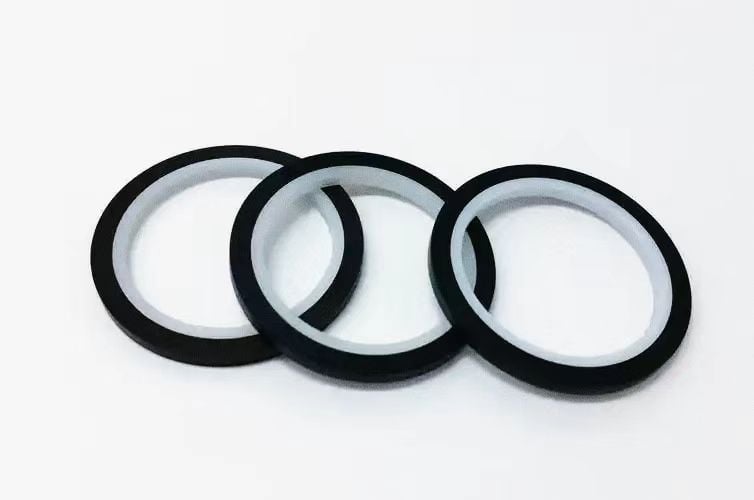
מגבון אבק HOUFU מורכב מ-PTFE עם שפה משנית למחסום לחות |
נזק אקוסטי |
צליל מחזיר במרחב סגור; דווח על עוצמה של 130–140 דציבל (A) |
יחידת השתקה מסוג קופסה מפחיתה 10–15 דציבל (A); חובה על הגנה על השמיעה ללא תלות בסוג המיכל |
— |
התאמת המיקום שמביאה להפחתת כשלים באختמים
גיאומטריה ראש הטיוח כופה על הנושא להימצא בתצורות זרוע שהן נדירות בעבודה משטחית: מיקום אופקי מקסימלי במדרון מתון, זווית עבודה קרובה ל-45° מאנכית, או הפעלה עם הזיז מכווץ בקיר הטווח. כל אחת מתצורות אלו משנה את חתימה של פיסטון דפוס העומס מאוריאנטציה אנכית שעבורה תוכננו החתימות. עבודה בזוויות מתמשכות של 30–45° בתצורות אלו מרוכזת את העומס הצידי של השמן על מקטע אחד של הפיסטון חתימה של ציר במקום להפיץ אותו באופן מעגלי. סיבוב הסכין ב-90 מעלות בכל העברה מחדש — טכניקה נפוצה בקרב מפעילי מנהרות מנוסים — מפיץ את דפוס העומס על ארבעה רבעים של החור לאורך משמרת אחת, ומעלים את אורך חיי חותמת שוט הפיסטון מהחמצה חד-צדדית לחשיפה אחידה. לא נדרשת תוספת זמן, ודי בכך שהמפעיל יפתח את הרגל לסובב את הסכין לפני ההעברה המחודשת. השפעת הארכת החותמת ניתנת למדידה לאורך עונה של עבודות מנהרה.