

 EN
EN
 AR
AR CS
CS DA
DA NL
NL FI
FI FR
FR DE
DE EL
EL IT
IT JA
JA KO
KO NO
NO PL
PL PT
PT RO
RO RU
RU ES
ES SV
SV TL
TL IW
IW ID
ID LV
LV SR
SR SK
SK VI
VI HU
HU MT
MT TH
TH TR
TR FA
FA MS
MS GA
GA CY
CY IS
IS KA
KA UR
UR LA
LA TA
TA MY
MY
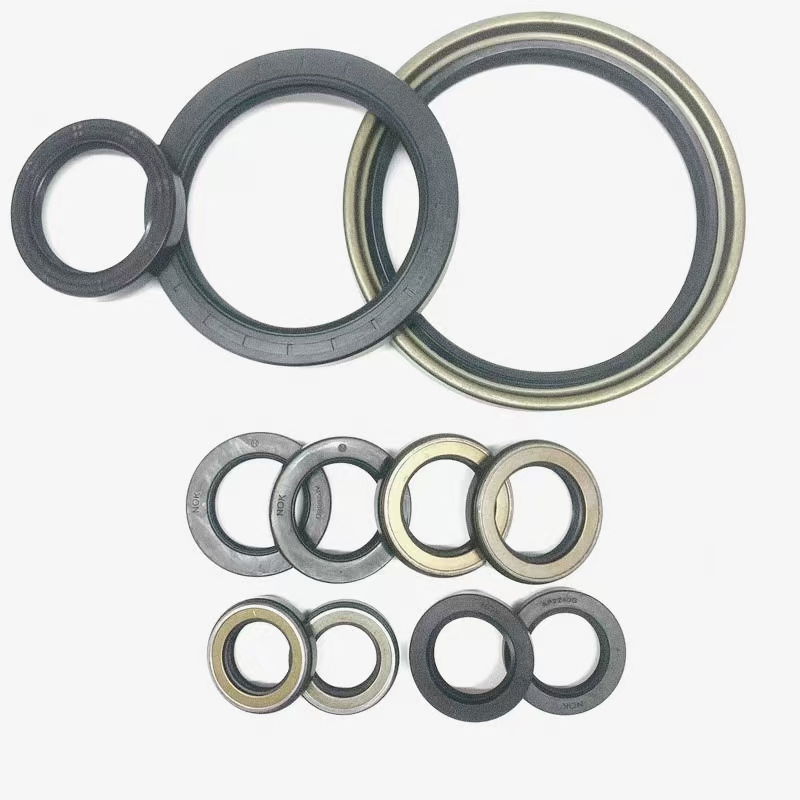
השילוב של מנוע מהירות משתנה ו- משאבה הידראולית הוא אחת הרעיונות האלה שנראים אובvious בדיע hindsight, אך לקח לתעשייה זמן רב לאמץ אותו בקנה מידה גדול. העיקרון הבסיסי פשוט: במקום להפעיל את המניע במהירות קבועה ולשלוט בשטף באמצעות שסתומים, מפעילים את המניע במהירות שנותנת בדיוק את השטף שהמערכת דורשת. פחות שליטה, פחות חום, פחות אנרגיה מבוזבזת.
מה שהמונע מבצע בפועל
ממיר תדר משתנה משנה את התדר והמתח החשמליים שסופקים למנוע אינדוקציה סטנדרטי, ומביא לשינוי מהיר של מהירות הסיבוב שלו באופן רציף ממהירות קרובה לאפס ועד למהירות הנקובת או מעבר לה. משאבת ההידראוליקה עוקבת אחר המהירות הזו ישירות — ללא שסתום, ללא מעגל עקיפי, ללא מורכבות מכנית. במצב בקרת לחץ במגבר לולאה סגורה, מתמר לחץ מספק משוב לשליטה של הממיר, אשר מותאמת את מהירות המנוע בזמן אמת כדי לשמור על לחץ יעד בתוך טווח של בר אחד או שניים.
מנועי סרוו עם מפענלים מרחיבים זאת יותר, עם רוחב פס ודיוק מיקום שמאפשרים למעגל משאבת ההידראוליקה להתנהג כמעט כמו ציר סרוו ישיר. תצורות מנועי מהירות משתנה בעלות ביצועים גבוהים אלו נפוצות במכונות דפוס מדויק ובמערכות בדיקה שבהן יש לשלוט בו זמנית בכוח ובמיקום.
לאן הולכת האנרגיה
במעגל משאבה הידראולית תעשייתית מהירה קבועה מסורתי, המשאבה פועלת במהירות מלאה כל הזמן שהמכונה מחוברת לחשמל — גם בשלבים של מנוחה, כאשר לא נזוז שום מצמד. מנוע מהיר משתנה מפחית את המהירות לכיוון מינימלית בשלב זה, ומקטין באופן דרמטי את צריכת החשמל. במהלך מחזור ייצור טיפוסי של חיקוי בזריקה, מנועים מהירים משתנים מקטינים את צריכת החשמל הכוללת ב-40 עד 70 אחוז לעומת מעגלים במהירות קבועה. זהו תשואה מדידה על ההשקעה במנוע, בדרך כלל תוך שנתיים עד שלוש שנים במחירי חשמל תעשייתיים.
התחלקה רכה ואורך חיים של רכיבים
כל הפעלה של מנוע מהירות קבועה יוצרת הלם מכני במניע חיבור ובציר — הקול המוכר של 'דופ' כאשר המערכת מגיעה למהירות מלאה. מונעי מהירות משתנה מגדילים את מהירות המנוע בהדרגה, ומביאים לסיום ההלם הזה. לאורך תקופת חיים של מכונה, זה אומר פחות עייפות במשענות של המניע ופחות בلى על חותמת הציר. מנוע הידראולי שמתחיל בעדינות מאות פעמים ביום נמשך באופן מובהק יותר בין תיקונים.
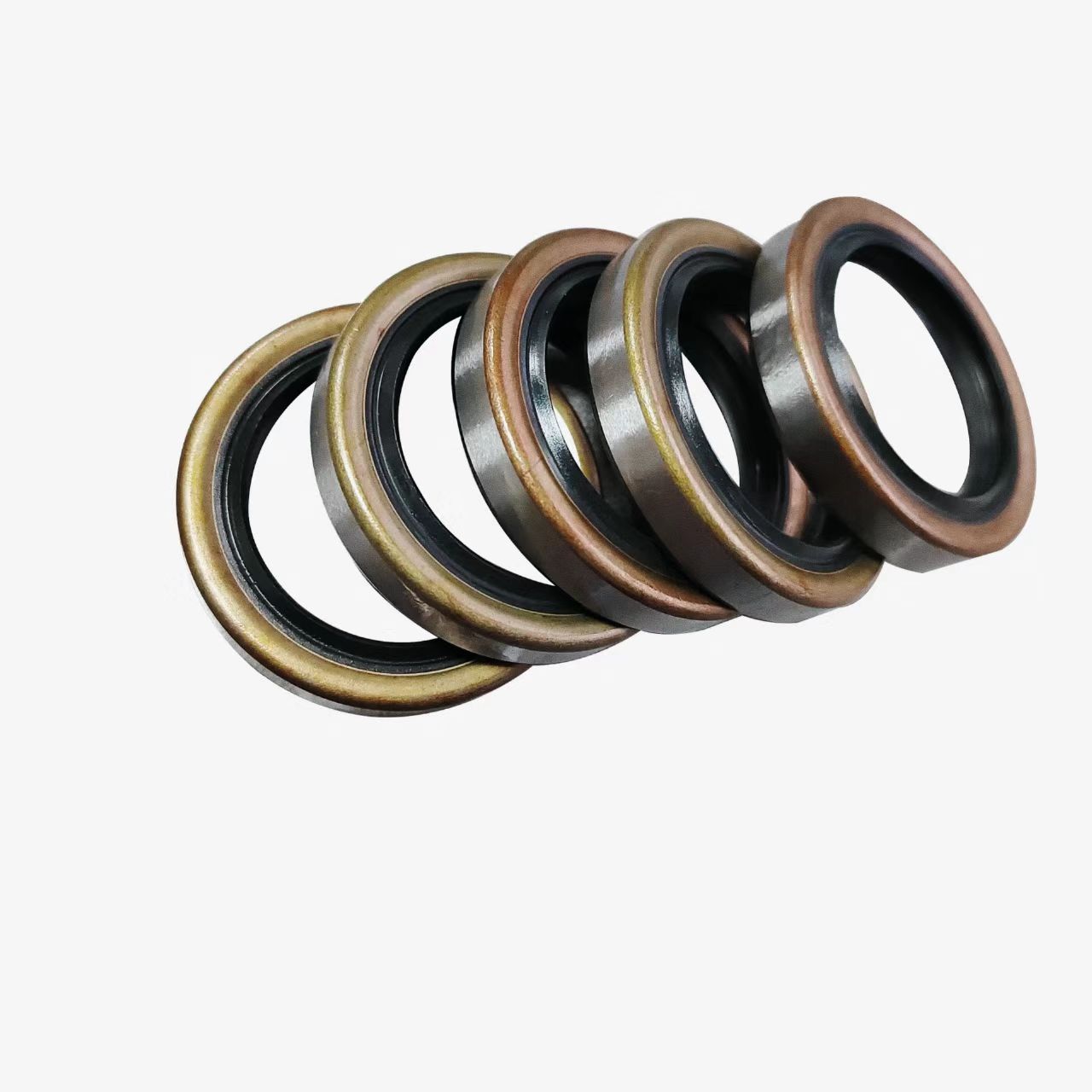
HOVOO / HOUFU precision קִיטֵי חֲתֹם לשמור על יעילות נפחית בכל טווח המהירויות של משאבות נשלטות במהירות משתנה. סחיפה של החתימה, אשר ניתנת לספירה במהירות קבועה, הופכת לאובדן יעילות משמעותי כאשר המניע עובד קשה כדי לשמור על הלחץ במהירויות נמוכות. שמרו על מערכת צמודה עם חתימות HOVOO — hovooseal.com.
מקור: www.hovooseal.com


