

 EN
EN
 AR
AR CS
CS DA
DA NL
NL FI
FI FR
FR DE
DE EL
EL IT
IT JA
JA KO
KO NO
NO PL
PL PT
PT RO
RO RU
RU ES
ES SV
SV TL
TL IW
IW ID
ID LV
LV SR
SR SK
SK VI
VI HU
HU MT
MT TH
TH TR
TR FA
FA MS
MS GA
GA CY
CY IS
IS KA
KA UR
UR LA
LA TA
TA MY
MY
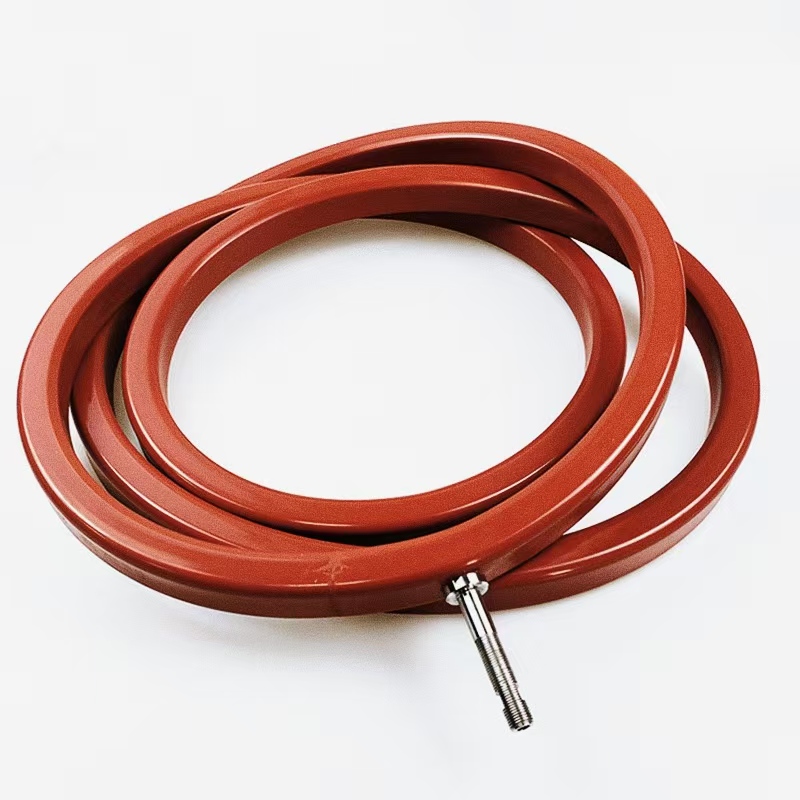
Ჰიდრავლიკური დამხსნელი, რომელიც მუშაობს საჰელში 45°C გარემოს ტემპერატურაზე და ლატერიტის ფუძის მტვერი ადგილზე გავრცელების პირობებში, არ წარმოადგენს იგივე ტექნიკური მომსახურების პრობლემას, როგორც იგივე მოწყობილობა ევროპულ დემოლიციის პროექტზე. გერმანიაში 1500 საათის განმავლობაში მოქმედებას აგრძელებადი სილიკონის სასრულები ღანაში შეიძლება 600 საათში დაინგრონ. ფინეთში აკადემიური მნიშვნელობის მოცულობა ზეთის ტემპერატურის შესახებ ანგოლაში ყოველდღიური ექსპლუატაციური შეზღუდვაა. ტექნიკური მომსახურების ადაპტაცია ფაქტიურ გარემოს მოთხოვნების მიხედვით, ხოლო არ არსებული ინსტრუქციის სტანდარტული მნიშვნელობების მიხედვით, არის ის, რაც გამოყოფს პროდუქტიულ აფრიკულ ავტოფლოტს იმ ავტოფლოტისგან, რომელიც თავისი დროის ნახევარს ნაკლები ნაკლებად ელოდება ნაკლები ნაკლებად ნაკლებად ნაკლებად ნაკლებად ნაკლებად ნაკლებად ნაკლებად ნაკლებად ნაკლებად ნაკლებად ნაკლებად ნაკლებად ნაკლებად ნაკლებად ნაკლებად ნაკლებად ნაკლებად ნაკლებად ნაკლებად ნაკლებად ნაკლებად ნაკლებად ნაკლებად ნაკლებად ნაკლებად ნაკლებად ნაკლებად ნაკლებად ნაკლებად ნაკლებად ნაკლებად ნაკლებად ნაკლებად ნაკლებად ნაკლებად ნაკლებად ნაკლებად ნაკლებად ნაკლებად ნაკლებად ნაკლებად ნაკლებად ნაკლებად ნაკლებად ნაკლებად ნაკლებად ნაკლებად ნაკლებად ნაკლებად ნაკლებად ნაკლებად ნაკლებად ნაკლებად ნაკლებად ნაკლებად ნაკლებად ნაკლ......
Ტემპერატურა: სილიკონის სასრულებისა და ზეთის საფრთხე
ჰიდრავლიკური ზეთი უნდა მუშაოს 40–60°C ტემპერატურაზე ოპტიმალური ეფექტის მისაღებად. 80°C-ზე მაღალ ტემპერატურაზე ზეთის სიბლანტე სწრაფად იკლებს, ლუბრიკაციის ფილმი ხდება თავდაპირველზე თავისუფალი, ხოლო სტანდარტული NBR სილიკონის სიგნალები იკონდება და კარგავენ ელასტიკურობას. Პარკერი Hannifin-ის კვლევები აჩვენებს, რომ 82°C-ზე მაღალი ტემპერატურა აჩაგრებს ზეთის დაშლას და შეიძლება სერიოზულად დააზიანოს სიგნალების მასალები. აფრიკის მაღაროების ზონაში — სამხრეთ აფრიკაში, კონგოს დემოკრატიულ რესპუბლიკაში, განაში და ზამბიაში — გარე ტემპერატურა 35–45°C არის, რაც ნიშნავს, რომ მომხმარებლის ზეთი დღის პირველი დარტყმის წინ 20°C-ით უფრო ახლოს იყოფა საფრთხის ზღვართან.
Ამოხსნა არ არის უბრალოდ უფრო დიდი გაგრილებელი. ეს არის ოპერაციული დისციპლინა: კონტროლირებული სამუშაო ციკლები გაგრილების შესვენებებით და გაგრილებლის შემოწმების რეჟიმი, რომელიც ფაქტიურად ხდება. ლატერიტის მტვრით დაბინძურებული გაგრილებელი სწრაფად კარგავს სითბოს გადაცემის ეფექტურობას. აფრიკულ სამშენებლო მოედნებზე გაგრილებლის ფინები ყოველდღიურად უნდა გაიწმინდოს — არ არის საკმარისი კვირაში ერთხელ. გამოიყენეთ ჰიდრავლიკური ზეთი მაღალი სიბლანტის ინდექსით, რომელიც განკუთვნილია მაღალი გარემოს ტემპერატურებისთვის, და შეცვალეთ იგი სტანდარტულ ინტერვალზე ხშირად, რადგან სითბოს ციკლირება ზეთის დეგრადაციას აჩქარებს მეტად, ვიდრე ზომიერი კლიმატური პირობებში.
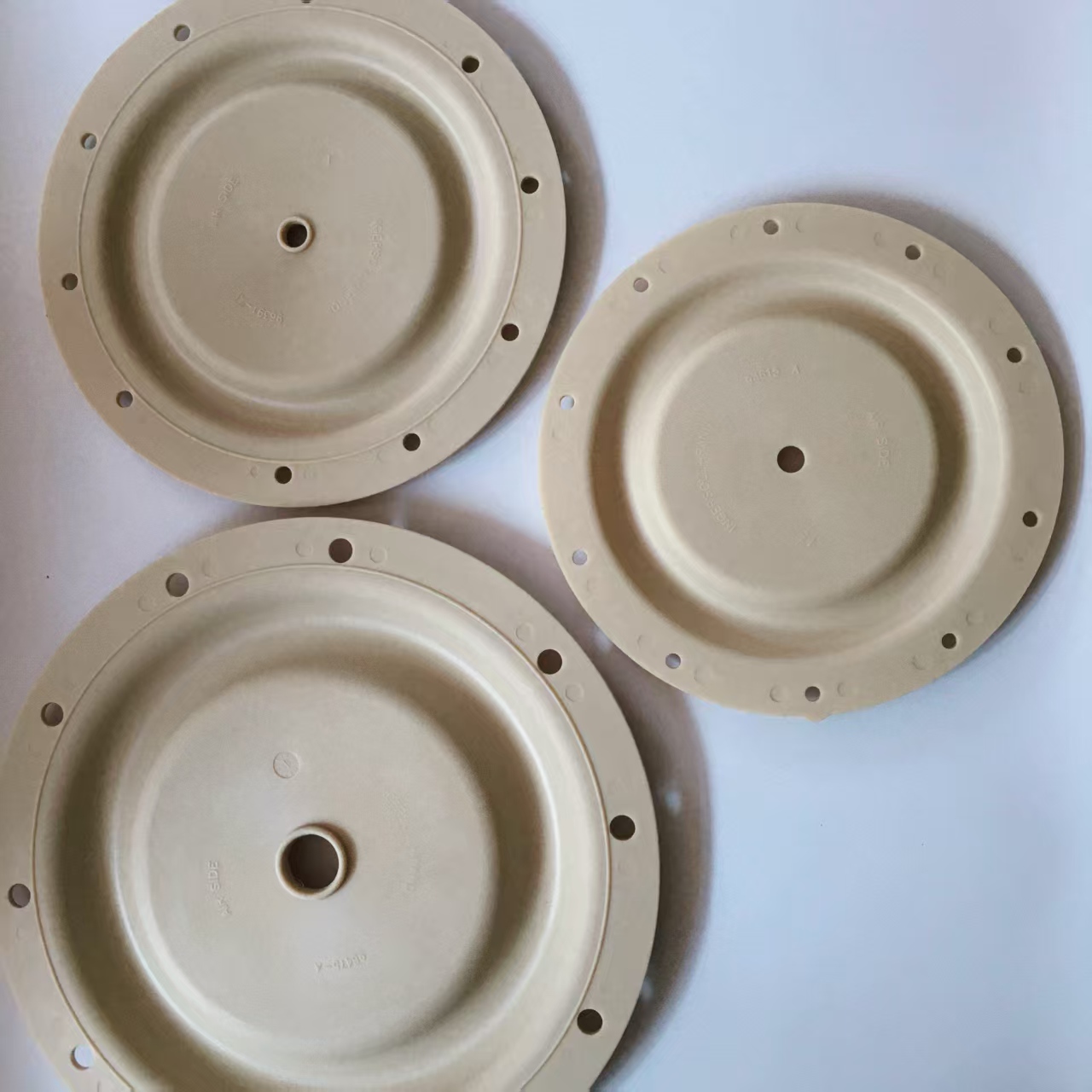
Მტვერი: შეიძლება გამოიწვიოს შემოსახურების და დაბინძურების გზები
Ვესტ და სამხრეთ აფრიკაში ლატერიტისა და სილიციუმის მტვერი აბრაზიულია და საკმარისად ფინები, რათა შეიჭრას მტვერსაწინააღმდეგო სილიკონის სარეზერვო საყელოებში და შეიჭრას ჰიდრავლიკურ წრედში მიმდევრობით მიერთების შეცვლის დროს არ დახურული ჰოსების ბოლოებიდან. 800 საათიანი ზედაპირული სიცოცხლის მაჩვენებელი მტვერსაწინააღმდეგო სარეზერვო საყელო საჰარაში მდებარე ქვამჭრელობაში შეიძლება 400 საათში დაინაგრებოს. პრაქტიკული მოქმედება არის შემოწმებისა და შეცვლის ინტერვალების შემცირება, ხოლო არ უნდა მოველოდოთ გამოტეკვის დაწყებას. ორი დამატებითი მტვერსაწინააღმდეგო სარეზერვო საყელოს კომპლექტის ადგილზე მოხავს 20 წუთიან შეცვლას უზრუნველყოფს, ხოლო უახლოესი დისტრიბუტორიდან ნაკლებად 2 კვირის მოლოდინს.
ჰოსებიდან ზეთის დაბინძურება კუპლინგი ისევე საშიშია და სრულად თავიდან შეიძლება გამოვირიცხოთ. გამოყოფის შემდეგ დაახურეთ ჰოსების ორივე ბოლო და არ დატოვოთ კავშირი ღეჭილი მომხმარებლის შემდეგი ციკლის გასაშევებლად. ერთი ღეჭილი კავშირი მტვერიან ადგილზე საკმარის აბრაზიულ მასალას შეიტანს, რათა საათებში დაიწყოს მიმართულების ვალვის სპულის დახარვა.
HOVOO და HOUFU მიაწოდებს FKM და HNBR ჩაკეტის კიტები შეფასებულია გრძელვადიანი მაღალტემპერატურული ექსპლუატაციისთვის და აფრიკული სპეციფიკის მტვევის შემადგენლობის ხარისხებისთვის. FKM იძლევა 200°C-მდე ტემპერატურის წინააღმდეგობას და აძლევს წინააღმდეგობას ულტრაიის გამოსხივების გამო წარმოქმნილ โอზონის დეგრადაციას — ორივე მნიშვნელოვანია აფრიკული მთის მინინგის მაღალ სიმაღლეზე. დეტალები ამ ბმულზე: https://www.hovooseal.com/
Აფრიკული სპეციფიკის მიხედვით შესატანი მომსახურების ადაპტაციები
Აფრიკული სპეციფიკის მიხედვით გამოწვეული დატვირთვა |
Გავლენა ბრეიკერზე |
Ადაპტირებული მომსახურების ღონისძიებები |
Გარემოს ტემპერატურა 35–50°C |
Სითხის ტემპერატურა 80°C-ს აჭარბებს უფრო სწრაფად; სილიკონის სახურავები გამაგრდება და ელასტიურობას უფრო ადრე კარგავს |
Შეამოკლეთ სამუშაო ციკლები; გაასუფთავეთ გაგრილების ფინები ყოველდღიურად; შეამცირეთ უწყვეტი მუშაობის ხანგრძლივობა 20–25 წუთამდე (მაქსიმუმ) |
Მიკროსკოპული ლატერიტი / სილიციუმის დიოქსიდის მტვერი |
Მტვერის სახურავების აბრაზიული მოცვლა 2-ჯერ უფრო სწრაფად ხდება; სითხის დაბინძურება გახსნილი ჰოსების ბოლოების მეშვეობით |
Შეამოწმეთ/შეცვალეთ მტვრის სახურავი ყოველ 400 საათში; შეამოწმეთ ზეთში ნაკლებობის რაოდენობა თვეში ერთხელ; ყოველთვის დაახურეთ ჰოსები კეპებით |
Შორეული ადგილი (ადგილობრივი დილერი არ არსებობს) |
Ნაკლებობის მიწოდების დაყოვნება აჩერებს მანქანებს დღეების ან კვირების განმავლობაში |
Წინასწარ განათავსეთ სახურავების კომპლექტები + ჩისელი + ცხიმი ადგილზე; აიყვანეთ მინიმუმ ორი დამატებითი მტვრის სახურავის კომპლექტი |
Მაღალი ულტრაიისფერო სხივები / ტემპერატურის ციკლირება |
Სტანდარტული ელასტომერები ჩქარებით გამძლევდება და იყოფა |
Გამოიყენეთ FKM ან HNBR სახურავები, რომლებიც გამოიძლევიან 150°C-ზე მეტ ტემპერატურას, ნაცვლად სტანდარტული NBR-ის |
ჰიდრავლიკური დარტყმის მოწყობილობის მოვლა აფრიკის ცხელ კლიმატში | მაღალტემპერატურიანი დარტყმის სახურავი | მტვრის სახურავი აფრიკაში | FKM სახურავი ჰიდრავლიკური დარტყმის მოწყობილობისთვის | HOVOO | HOUFU | hovooseal.com


