

 EN
EN
 AR
AR CS
CS DA
DA NL
NL FI
FI FR
FR DE
DE EL
EL IT
IT JA
JA KO
KO NO
NO PL
PL PT
PT RO
RO RU
RU ES
ES SV
SV TL
TL IW
IW ID
ID LV
LV SR
SR SK
SK VI
VI HU
HU MT
MT TH
TH TR
TR FA
FA MS
MS GA
GA CY
CY IS
IS KA
KA UR
UR LA
LA TA
TA MY
MY
Cur optima ordinatio frangendae hydraulicae alius est quaestio quam in plurimis categoriis industrialibus
Emptores frangentis hydraulicorum aliter quaerunt quam plerique emptores instrumentorum industrialium. Conductor qui quaerit pompam concreti vel compactorem saepe quaerit per nomen brandi aut per propinquitatem geographicam — scit quid velit et vult id in vicinia invenire. Emptor frangentis hydraulicorum saepius quaerit ut problematis decisionis solutionem inveniat: quod modello ad suum speciale vehiculum, quod nomen brandi ad suam applicationem, quae specificatio ad duritiem materiae in opere quod ante se habet. Quaestio est technica, non navigationalis. Haec distinctio totam strategiam SEO mutat. Situs web qui pro nominibus brandi et productis ordinatur sed nullum technicum contentum de decisionibus praebet visitatores attrahet qui iam sciunt quid velint, at omnes in phasī investigationis amittet — ubi enim maxima pars emptionum instrumentorum industrialium vere determinatur.
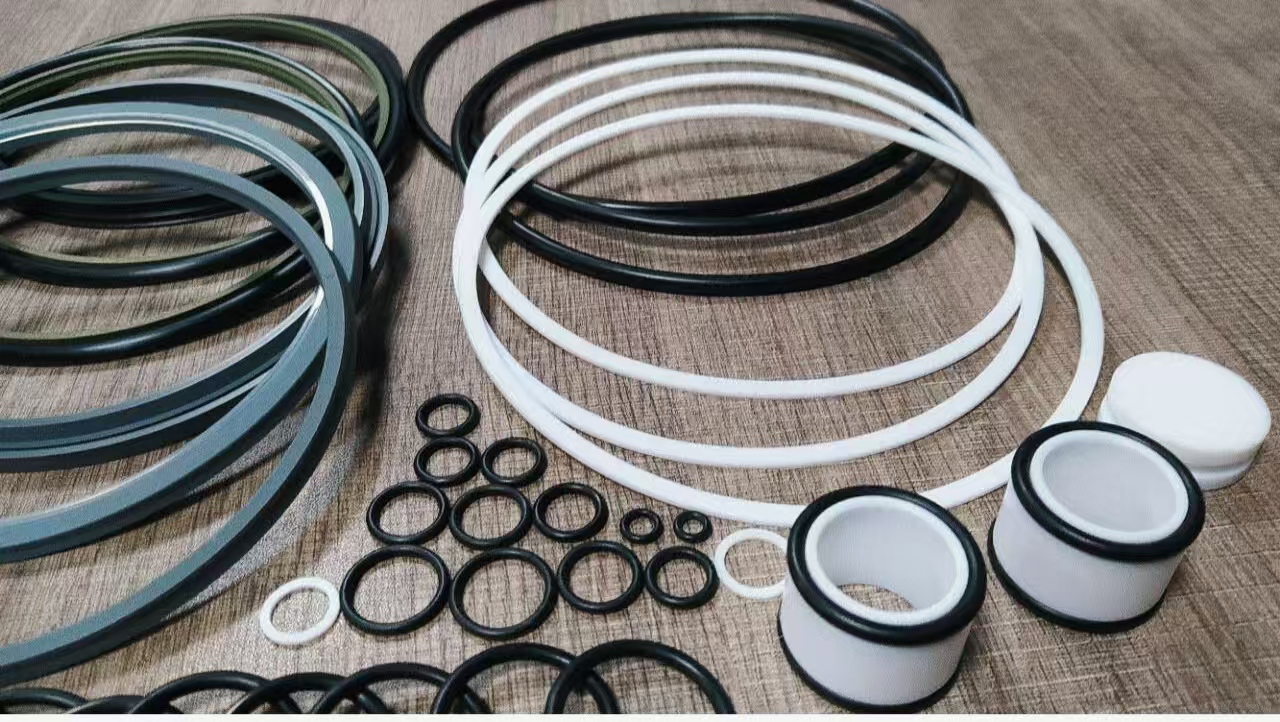
The second distinguishing feature of hydraulic breaker search behaviour is that it spans the full equipment lifecycle. Buyers at the purchase decision stage search for carrier-matching specifications and brand comparisons. Buyers already operating equipment search for maintenance procedures, sigillum Kit compatibility, and fault diagnosis. Both search populations represent commercial value — new sales and aftermarket revenue — and both are addressable through content. The mistake most manufacturers and distributors make is building product pages for the first population and ignoring the second entirely, leaving the aftermarket search traffic to generic maintenance forums and competitor sites that stock the parts.
Consequentia practica est ut efficax SEO pro frangibribus hydraulicis quattuor diversa contenti genera requirat, quae singula ad diversam phasem itineris emptoris et ad diversum modum intentionis quaerendi assignantur. Tabula infra singula contenti genera ad exempla verborum clavium repraesentativa, ad intentionem quaerentis sub iis quaestionibus, et ad typum paginae quae hanc intentionem in ductus aut in reditus post venditionem convertit, assignat.
Quattuor Categoriae Verborum Clavium — Exempla, Intentio Quaerentis, Typus Contenti
Categoria Verbi Clavis |
Exempla Quaestionum |
Intentio Quaerentis |
Optimus Typus Contenti |
Productum + specificatio vehiculi |
"frangibulum hydraulicum pro excavatore 20 tonarum" "malleus hydraulicus pro vehiculo 15 tonarum" "fluxus frangibilis 120 L/min" |
Intentio emptionis alta — quaerens iam vehiculum possidet et id ad frangibile conformat; hae quaestiones in ductus convertuntur, cum pagina ad quam pervenitur directe quaestionem conformationis respondet per tabulam dimensionum |
Paginae specificarum productorum; manuales conformationis excavatorum secundum pondus; tabulae compatibilitatis fluxus/pressionis |
Comparatio brandi et modello |
"BEILITE vs Epiroc hydraulic breaker" "SOOSAN SB series review" "Furukawa FXJ vs TOKU TNB" |
Stadium aequilibrium medium in funnello; emptor ad duas aut tres optiones restringit; contenta comparativa quae directe ad criteria decernendi (cyclus operis, advenientia partium, gradus pretii) respondent hanc traficam capiunt et fiduciam augent |
Articuli de comparatione brandorum in bloggis; tabulae specificarum ad singulos modos; paginae quaestionum et responsionum quae ad frequentissimas quaestiones decernendi inter brandos certantes respondent |
Applicatio et solutio problematum |
"frangibulum hydraulicum pro rumore demolitionis urbanae" "frangibulum sub aqua in constructione" "frangibulum petrae pro electione in lapidicina graniti" |
Quaerendi de applicatione indicant emptorem suum contextum scire sed non scire quod productum ei conveniat; contenta quae applicationem ad criteria specifica et deinde ad modello idoneum recommendandum coniungunt bene convertunt, quia verum problema decernendi solvunt, non modo productum describunt |
Articuli de blog speciales ad applicationem (genus huius seriei); paginae ad terram per categoriam applicationis; sectiones FAQ quae de duretia materiae, genere ambientis, et conditionibus licentiarum agunt |
Partes et custodia |
"hydraulic breaker seal kit replacement" "SB102 bushing wear symptoms" "nitrogen charge breaker guide" |
Quaerenda partium et custodiae a proprietariis praesentium instrumentorum oriuntur — segmento maximi valoris vitae; fabricator aut distributor qui pro quaerendis de kitis sigillorum et cura ordinatur reditus post venditionem capiat et fidem ante sequentem decisionem emptionis augeat |
Manuales technici de custodia; paginae de compatibilitate partium; contenta diagnostica a symptomatibus ad causam; tabulae intervallorum servitii per modellos et cyclum operis |
Praeventio Longae Caudae in Categoria Paucorum Voluminum, Magni Valoris
Clavus hydraulicus verba clavis sunt paucorum voluminum secundum generales normas SEO — quaerens ut 'clavus hydraulicus pro excavatore viginti tonnarum' forte centena quaeruntur mense per totum orbem, ubi verbum clavis pro producto consumptorio decem milia quaeruntur. Hoc deterret agencias SEO generales ne hanc categoriam serio accipiant. Non debet autem removere negotium clavi hydraulici. Valor negotii ad singulos ductus in hac categoria in millibus dolariorum aestimatur, non in denis. Pagina quae in prima pagina resultatorum pro quaerente specificato locum tenet et unum ex quinquaginta visitatoribus in quaestionem convertit, fructum reditus produxit quem pleraeque pagine SEO pro categoriis consumptoriarum, quae centuplo plus trafficum generant, nunquam attingunt.
Longa cauda structura quaestionum de frangibribus hydraulicis praerogativa est ad creatores contenti bene paratos, eo quod magnae machinae quaerendi has quaestiones ut quaestiones technicas specialissimas tractant et paginas proferunt quae veram peritiam in hac disciplina ostendunt, non autem frequentiam clavium verborum. Articulus blog qui recte explicat rationem inter fluxum auxiliarem vehiculi et pulsus per minutum (BPM) frangibris, qui specificas modello datas citat, et qui quaestiones diagnosticas quas emptor haberet tractat, cito et diutius in ordinibus resultat quam pagina producti quae verbum 'frangibris hydraulicis' quinquagies repetit. Contentum quod haec series articulorum repraesentat — exactum, technice verum, operationibus proprium — est contentum quod hunc traficum capiat.
Una dimensio SEO, quae saepe negligitur in categoriis industrialibus, est clustrum quaerendarum rerum post venditionem pro manutenentia. Distributor aut fabricator qui edat manuale substitutionis cuniculi sigillantis pro certo modello interruptoris in mercatus illis pro ea quaerenda ordinabitur ubi nullus aemulus id tractavit — quia plerique fabricatores non edunt hunc textum, credentes eum minuere venditiones novarum unitatum. Evidentia ex aliis categoriis industrialibus contrarium suadet: contenta de manutenentia fidem in marca augent apud possessores praesentium instrumentorum, et fides in marca apud possessores praesentes fortissimum est praedictor futurarum decisionum emptionis. Societas fabricans interruptores hydraulicos, quae docet clientes suos quomodo instrumenta sua manuteneant, plus novorum instrumentorum vendit quam societas quae eam informationem retinet.


