

 EN
EN
 AR
AR CS
CS DA
DA NL
NL FI
FI FR
FR DE
DE EL
EL IT
IT JA
JA KO
KO NO
NO PL
PL PT
PT RO
RO RU
RU ES
ES SV
SV TL
TL IW
IW ID
ID LV
LV SR
SR SK
SK VI
VI HU
HU MT
MT TH
TH TR
TR FA
FA MS
MS GA
GA CY
CY IS
IS KA
KA UR
UR LA
LA TA
TA MY
MY
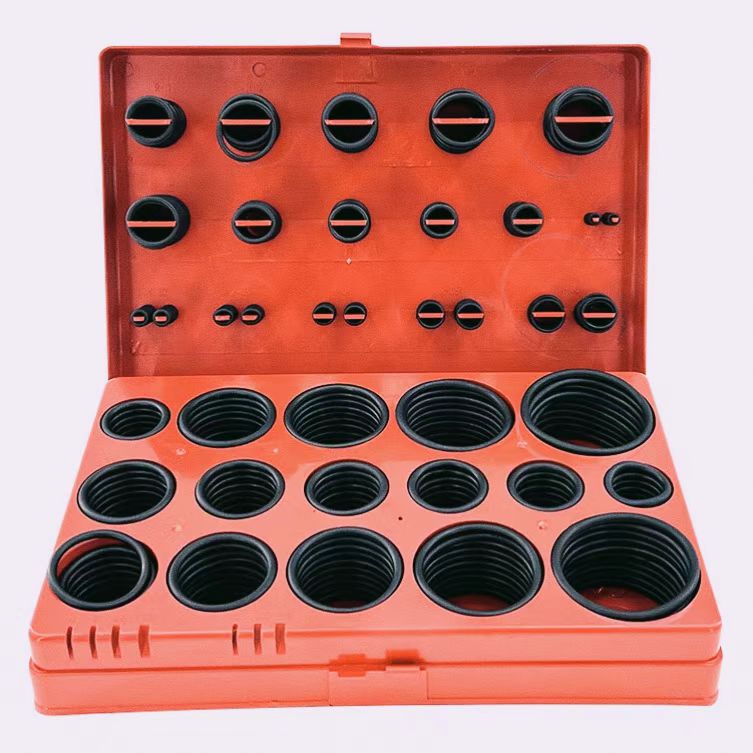
Tlieta Numri — u Għala Kull Tlieta Jridu Jkunu Ħajjin
L-ikkonfigurazzjoni ta’ breaker b’sistema tal-baħar tiddipendi mis-sliem ta’ tlieta numri: il-piż ta’ operazzjoni, il-fluss idrauliku, u l-prezzjoni ta’ operazzjoni. Jekk wieħed minnhom ikun sbagħat, tafu immedjatament. Jekk tnejn minnhom ikunu sbagħatin, probabbilment tkisser xi ħaġa. Jekk it-tlieta ikunu ħajjin, il-bidla tiffru ħafna ħdejn is-spesifikazzjonijiet tagħmel minn nhar l-ewli.
Il-piż ifittex l-ewli. Il-breaker għandu jkun ħdejn 10% tal-piż ta’ operazzjoni tas-sistema tal-baħar — 2,000 kg fuq ekskavatur ta’ 20 tonnellata huwa r-riferiment klassiku. Jekk ikun tropp oħxon, is-sistema tal-baħar tisir instabbli taħt ir-rekulsjoni; jekk ikun tropp ħafif, il-prezzjoni naturali ‘l isfel tal-ekskavatur tkisser il-kasella tal-breaker minflok tirrakkar il-ċizel kontra l-materjal. It-tnejn it-tarf estremi jikkawżaw ħsara strutturali, biss f’komponenti differenti.
Il-fluss sekond, u dan huwa l-aktar ħaġa li tlaqgħat in-nies ħafna drabi. Ir-regola tal-bajda ħażina għall-mexxej tal-iskavatur/breaker hija li tkun ħadra fluss ta’ waħda biss. Jekk il-fluss massimu fuq l-iskavatur huwa 2 × 50 GPM — b’total ta’ 100 GPM — il-fluss massimu meħtieġ mis-sekkurur (breaker) ma għandux jaqbod 50 GPM. Jekk il-fluss meħtieġ huwa 60 GPM, trid tużah jew skavatur ikbar jew iżda l-biża‘ tas-sekkurur. It-tropp ojl jikkawża l-is-sekkurur li jibda jimmexxi b’sħuba iktar bil-mod, li jinżel il-ħajja tal-għożżijiet u jista’ jikkawża ħsara fil-komponenti interni. In-nuqqas ta’ ojl inaqqas il-qawwa tal-impaqt u ma jipprovdix il-film ta’ lubrikazzjoni meħtieġ bejn il-partijiet li jimmexxu.
Pressjoni tat-tielet. Iżda l-valv ta' ħelsien b’15–20% iktar għolja mill-pressjoni ta’ operazzjoni tal-brekker, u żżomm il-pressjoni ta’ ritorn fis-silġ ta’ ritorn is-soltu limitu tal-manifattur — tipikament taħt 15–20 bar. Il-valv ta’ ħelsien imsestjat b’mod ħażin jew il-pressjoni ta’ ritorn eċċessiva jikkawżaw il-brekker li jissurrat u jitransferixxi dik il-bħal għas-sistema idrawlika tal-karrier. Din hija l-problema inqas vizzibbli mis-seba’ sal-ħelsien ibda jifalla.
Klassi ta’ Pesa tal-Karrier vs. Speċifikazzjoni tal-Brekker: Tabella ta’ Referenza
It-tabella ġewwa ttabbela l-ħames klassijiet ta’ pesa tal-karrier mal-faċċa tar-ranġ ta’ pesa tas-servizz tat-tal-brekker, ir-rikwiżiti idrawliki, u l-applikazzjonijiet li kull par ikkawża. Dawn huma bande tipiċi tas-sett — iżda daħħal sempre verifika kontra d-datasheet tal-modell speċifiku tat-tal-brekker u s-speċifikazzjonijiet tal-output idrawliku tal-karrier stess, minħabba li l-makkini individwali jvarjaw.
Klassi tal-baġġar |
Pesa tat-Tal-Brekker |
Għanja tal-flok |
Għarf Pressjoni |
Applikazzjonijiet Tipiċi |
Mini < 7 t |
60–400 kg |
20–50 L/min |
100–150 bar |
Riparazzjoni ta’ trotwar, trinċi fil-art soft, paesaġġ, demolizzjoni ħafifa |
Iż-Żgħir 7–14 t |
400–800 kg |
50–100 L/min |
130–180 bar |
Riparazzjoni tar-rut, qishat għall-biżness, ħaġar sekondarju, id-demolizzjoni ta’ bini ż-żgħir |
Medja 14–25 t |
800–1,500 kg |
100–180 L/min |
150–200 bar |
Kostruzzjoni ġenerali, sekondarju tal-blat, rikostruzzjoni tar-rut, pjanuri tal-għajnejn |
Kbira 25–50 t |
1,500–3,500 kg |
180–300 L/min |
190–250 bar |
Karriera primarja, demolizzjoni ħamra, estrazzjoni ta’ rutsa ħadida, sekondarja f’bukkija miftuħa |
Ekstra kbir 50–140 t |
3,500–8,000 kg |
280–475 L/min |
230–320 bar |
Estrazzjoni tas-silta b’skalal kbir, eskavazzjoni massiva, qerq ta’ wħud ewlieni |
Li jmiss jinżel ħażin meta l-ikkonfront ma jkunx korrett
It-tajjeb li jkun ħafna iktar kbir jikkawża aktar ħsara minn dak li jkun iktar żgħir, u jikkawża l-ħsara b’mod iktar ħażin. Breaker kbir ħafna fuq karrier ħafif ma jwasslux biss il-flus għall-attakk impropri — imma jwassal ukoll għall-istress eċċessiv tal-boom u tal-biżzar tal-linkaġi, jiddrawa aktar potenza idralika milli l-ċirkwit ikun irratat għalih, jikbar il-konsum ta’ fuel, u jista’ jikkawża instabbilità tal-magna meta l-ħaġa ta’ qerq tibqa’ tinqas minn materjal b’mod inaspettat. F’waħda mis-skenarios mil-field experience, il-kriżi tar-risaltura fuq il-boom ta’ ekskavatur ta’ 14 tonnellata ġew meqjusa bħala riżultat ta’ breaker ta’ 1,200 kg li kien suppost li jkun fuq maşina ta’ 25 tonnellata. Il-karrier ġie ssurva għal tliet xhur qabel li tibda t’apparex il-kriżi minħabba l-faṭiga.
It-ta'żżil jipproduċi mod differenti ta' falliment, u waħda iżda 'b'tajjeb'. Il-karozza tiffranka pressjoni lejn is-soltu fuq il-ħammar meta jinkiseb fuq il-materjal li jrid ikser. Jekk il-ħammar huwa żżel, il-pressjoni lejn is-soltu eċċessiva tikkawża li l-framu jidwur, iddgħajf l-adapterijiet tat-tweġiba, u jipproduċi kriżijiet fis-saldatura bil-biżba' ta' ħin. L-operatur jissensu dan bħala attakku li jibbunċa minflok jidħol — il-ħammar jiġi ċċarġat ħdejn it-tolleranza strutturali tiegħu minflok it-tolleranza idrawlika tiegħu. Il-soluzzjoni mhux aktar forza. Huwa ħammar ikbar.
Il-mismatch tal-fluss huwa l-każ aktar komuni li jwassal għall-falliment prematur tas-sigill fil-qasam. Il-metro tal-fluss matul l-installazzjoni huwa l-aktar pass utli li l-biżżejjed installaturi jaqpusu. L-użu tal-metro tal-fluss biex tivverifika l-output attwali tal-ekskavatur jikkalibra eżatt l-output tal-karozza mal-punt ottimalli tal-brekker. Dan il-pass jidher biss ħamsin minuta u jippreveni l- kit ta' Sigilli li jinbidlu kull 1,000 ora minflok kull 2,500 ora.
Varjabbli oħra li għalkemm il-gwidi għall-iskelta rari jmenju: iċ-ċirkwiti kondiviżi. Jekk il-baġġar ikun joperat ukoll tiltrotator jew attakku awssiliarju ieħor fl-istess ħin, il-fluss disponibbli għall-brikker innaqqas. F’mašina li l-fluss awssiliarju ppubblikat huwa 150 L/min imma 40 L/min jiġu kunsomati mis-sirkitu tat-tiltrotator, il-brikker joħloq b’110 L/min — possibbilment taħt it-taħdit minimu tagħmel. Ikkonferma l-fluss disponibbli għall-brikker speċifikament, u mhux il-fluss awssiliarju totali tal-baġġar.


