

 EN
EN
 AR
AR CS
CS DA
DA NL
NL FI
FI FR
FR DE
DE EL
EL IT
IT JA
JA KO
KO NO
NO PL
PL PT
PT RO
RO RU
RU ES
ES SV
SV TL
TL IW
IW ID
ID LV
LV SR
SR SK
SK VI
VI HU
HU MT
MT TH
TH TR
TR FA
FA MS
MS GA
GA CY
CY IS
IS KA
KA UR
UR LA
LA TA
TA MY
MY
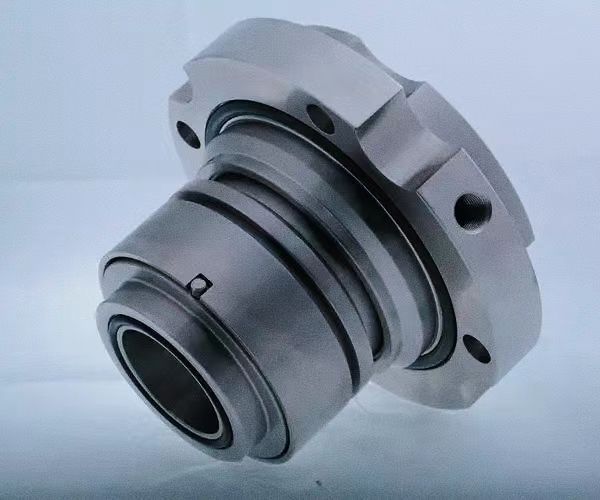
၂၀၂၄ ခုနှစ်တွင် ကမ္ဘာလုံးဆိုင်ရာ ဟိုက်ဒရောလစ် ဘရိတ်ခ်ျဈေးကွက်သည် အော်ဂဲန် ၁.၉၇ ဘီလီယံခန့် ရှိခဲ့သည်။ သင်ယုံကြည်သည့် သုတေသနနည်းလမ်းပေါ်တွင် မူတည်၍ ခန့်မှန်းခြင်းများသည် ကွဲပြားမှုရှိသော်လည်း မည်သည့်အရင်းအမြစ်မဆို တူညီသည့် လုံးဝသေချာသော လုံးဝသေချာသော လုံးဝသေချာသော လုံးဝသေချာသော လုံးဝသေချာသော လုံးဝသေချာသော လုံးဝသေချာသော လုံးဝသေချာသော လုံးဝသေချာသော လုံးဝသေချာသော လုံးဝသေချာသော လုံးဝသေချာသော လုံးဝသေချာသော လုံးဝသေချာသော လုံးဝသေချာသော လုံးဝသေချာသော လုံးဝသေချာသော လုံးဝသေချာသော လုံးဝသေချာသော လုံးဝသေချာသော လုံးဝသေချာသော လုံးဝသေချာသော လုံးဝသေချာသော လု......
ဝယ်လိုအားများ အဓိကစုစည်းနေသည့် နေရာများ
၂၀၂၄ ခုနှစ်တွင် အာရှ-ပစိဖိတ်ဒေသသည် ကမ္ဘာလုံးဆိုင်ရာ চাহিদာ၏ ၄၆% ကို ရရှိခဲ့သည်။ တရုတ်နိုင်ငံ၏ Belt and Road Initiative သည် ပြည်ပဆောက်လုပ်ရေးစီမံကိန်းများတွင်ပင် breaker unit ၁၀၀,၀၀၀ ကျော်ကို တပ်ဆင်ခဲ့သည်။ အိန္ဒိယနိုင်ငံ၏ အဝေးပြေးလမ်းမကြီးအစီအစဉ် — ၂၀၂၅ ခုနှစ်တွင် လမ်းသစ် ၂၅,၀၀၀ ကီလိုမီတာ — နှင့် ၂၀၂၅ ခုနှစ် ဇန်နဝါရီလတွင် အတည်ပြုခဲ့သော ၎င်း၏ အမျိုးသားအရေးပါသော သတ္တုတွင်းမစ်ရှင်သည် ဆောက်လုပ်ရေးနှင့် သတ္တုတွင်းအဆင့် ပစ္စည်းကိရိယာများ နှစ်မျိုးလုံးအတွက် চাহিদာကို တစ်ပြိုင်နက်တည်း ဆွဲဆောင်လျက်ရှိသည်။ အရှေ့တောင်အာရှ၏ မြို့ပြရထားလမ်း ရင်းနှီးမြှုပ်နှံမှုများသည် အင်ဒိုနီးရှား၊ ဗီယက်နမ်နှင့် ဖိလစ်ပိုင်တို့တွင် နောက်ထပ်တိုးတက်မှုအလွှာတစ်ခုကို ပေါင်းထည့်ပေးသည်။
အလယ်ပိုင်းအရှေးဖြောင်းဒေသသည် အာရှမဟုတ်သော ဒေသများအနက် အမြန်ဆုံးကြီးထွားလာသော လိုအပ်ချက်ဒေသဖြစ်သည်။ ဆေားဒီအာရေးဘီယာနှင့် ယူအေအီး နှစ်နိုင်ငံပေါင်းစပ်၍ နှစ်စဥ် ဘရိတ်ကာယူနစ် ၁၀,၀၀၀ ခန့်ကို ရောင်းချနေပါသည်။ ထိုသို့သော ရောင်းအားများသည် NEOM နှင့် အခြားသေးငယ်သော အထူးအဆောက်အအိမ်များ စီမံကိန်းများမှ အဓိကအားဖြင့် ဖော်ထုတ်လာခဲ့ခြင်းဖြစ်သည်။ အာဖရိကတွင် သတ္တုတွေ့ဖမ်းရေး ဒေသများသည် မြေပုံအထက်ပိုင်းကို ဖယ်ရှားရန်နှင့် ဒုတိယအကြိမ် ကြီးမားသော ကြေးနီဖြင့် ဖောက်ထွင်းရန်အတွက် ဟိုက်ဒရောလစ် ဘရိတ်ကာများကို အသုံးပြုနေကြသည်။ တောင်အာဖရိက၊ ဂါနာနှင့် ကွန်ဂိုဒီမိုကရက်တစ်သမ္မတနိုင်ငံ (DRC) တို့သည် အမြဲတမ်း အရောင်းအဝယ်များသော ဈေးကွက်များဖြစ်သည်။ လက်တင်အမေရိကသည် အမြန်နောက်ဆုံးပိုင်းတွင် ကြီးမားသော အရေးကြီးမှုများကို ဖော်ထုတ်နေပါသည်။ ဘရာဇီးနိုင်ငံ၏ သတ္တုတွေ့ဖမ်းရေးနှင့် ခီလီနိုင်ငံ၏ ကြေးနီထုတ်လုပ်မှုတို့သည် အလေးချိန်များသော ဘရိတ်ကာယူနစ်များကို အရေးကြီးသော အရေအတွက်ဖြင့် လိုအပ်နေသည်။
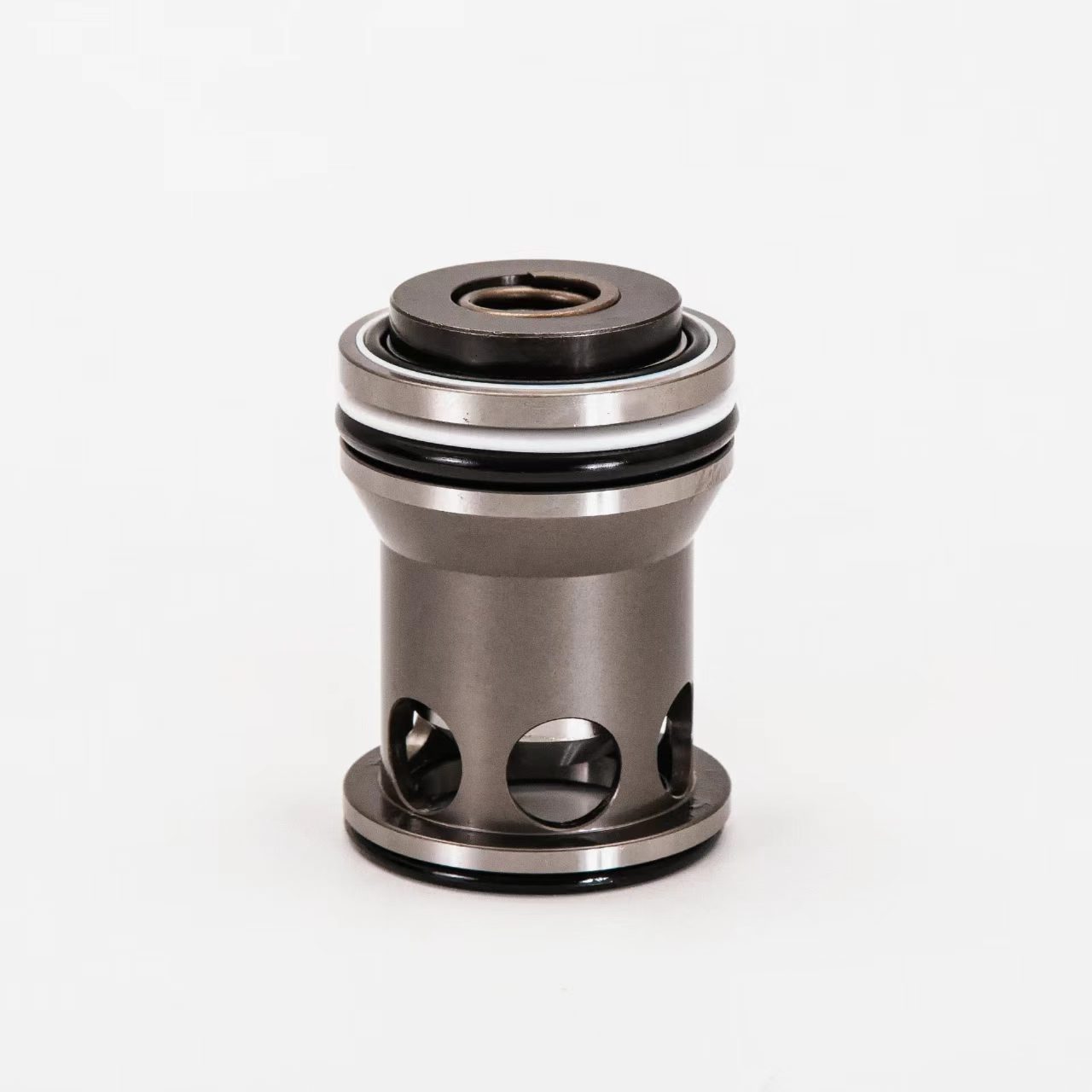
လုပ်ငန်းလောကကို ပြောင်းလဲစေမည့် နည်းပညာအသုံးအနှုန်း ၄ မျိုး
ပထမ။ IoT။ ၂၀၃၂ ခုနှစ်တွင် အသစ်ထုတ်လုပ်သည့် ဟိုက်ဒရောလစ် ဘရိတ်ကာများ၏ ၃၀% ကျော်တွင် အချိန်နှင့်တစ်ပါတည်း စောင်းကြည့်မှုစနစ် ပါဝင်လေ့ရှိပါသည်။ ဤစနစ်သည် လုပ်သက်များ လုပ်ငန်းခွင်တွင် မရှိသည့်အခါတွင်ပါ လှုပ်ခုန်ကုန်သုံးခါနှုန်း၊ အပူခါန်နှင့် ကိရိယာ ပုံပေါ်မှုကို စောင်းကြည့်နိုင်ပါသည်။ Rammer RD3 စောင်းကြည့်မှု ပစ္စည်းကို Excellence Line ယူနစ်များတွင် စံသတ်မှတ်အတိုင်း ပေးပို့ထားပါသည်။ Caterpillar ၏ ဉာဏ်ရည်ထက်မြက်သည့် စောင်းကြည့်မှုစနစ်များသည် ပုံမှန်ပြုပြင်မှုအတွက် အချိန်ဆုံးရှုံးမှုကို ၂၀% အထိ လျော့နည်းစေပါသည်။
ဒုတိယ။ အသံလျော့ချခြင်း။ ၂၀၂၄ ခုနှစ်တွင် ကမ္ဘာတွင် အသစ်မှုန်းသည့် ဘရိတ်ကာများ၏ ၂၉% တွင် အသံလျော့ချရေးစနစ်များ ပါဝင်ပါသည်။ Atlas Copco ၂၀၂၄ ခုနှစ်တွင် မှုန်းသည့် ဘရိတ်ကာများဖြင့် လုပ်ငန်းဆောင်ရွက်မှုအသံကို ၂၂% လျော့နည်းစေပါသည်။ တတိယ။ လျှပ်စစ်ပေးစွမ်းခြင်း — ၂၀၂၄ ခုနှစ်တွင် ထုတ်လုပ်မှု၏ ၃၃% သည် လျှပ်စစ် သို့မဟုတ် ဟိုက်ဘရစ်နှင့် ကိုက်ညီသည့် ပစ္စည်းများဖြစ်ပါသည်။ ဤအရေးကြီးသည့် အကြောင်းရင်းများမှာ EU Stage V လိုအပ်ချက်များနှင့် မြို့ပြနေရာများတွင် ကန့်သတ်ချက်များဖြစ်ပါသည်။ စတုတ္ထ။ ငှားရမ်းခြင်း လှုပ်ရှားမှု — လက်ရှိတွင် အသုံးပြုနေသည့် ဘရိတ်ကာများ၏ ၄၀% ကျော်သည် ဝယ်ယူခြင်းမှုထက် ငှားရမ်းခြင်းဖြင့် အသုံးပြုနေကြပါသည်။ ဤအရေးကြီးသည့် အကြောင်းရင်းမှာ စီမံကုန်သုံးသည့် လုပ်ငန်းများအတွက် သီးသန့်အသုံးပြုမှုကို ရင်းနှီးမှုပိုင်ဆိုင်မှုထက် ပိုမိုနှစ်သက်ကြပါသည်။
လုပ်ငန်းလောကတွင် အရေးကြီးသည့် လှုပ်ရှားမှုများကို အလွယ်တက် ကြည့်ရှုနိုင်ခြင်း
ဦးတည်ချက် |
အဘယ်ကြောင့် ဖြစ်ပါသနည်း |
ဈေးကွက်အပေါ်သက်ရောက်မှု |
IoT / အဝေးမှ စောင်းကြည့်ခြင်း |
ဖလီးတ် စီမံခန့်ခွဲမှုမှူးများသည် နေရာတွင် သွားရောက်စူးစမ်းခြင်းမပါဘဲ ဒေတာများကို လိုချင်ကြသည် |
၂၀၃၂ ခုနှစ်အထိ အသစ်များအနက် ၃၀% အထက်သည် အချိန်နှင့်တစ်ပါတည်း စောင်းကြည့်မှုစနစ်ကို ပါဝင်လိမ့်မည် |
အသံ / ကြွေးမြော်မှု လျော့နည်းရေး |
မြို့ပြအသံညစ်ညမ်းမှုဆိုင်ရာ စည်းမျဉ်းများကို ကမ္ဘာတစ်ဝှမ်းလုံးတွင် ပိုမိုတင်းကြပ်လာခြင်း |
၂၀၂၄ ခုနှစ်တွင် အသစ်များအနက် ၂၉% သည် အသံလျော့နည်းစနစ်များကို ပါဝင်ခဲ့သည် |
လျှပ်စစ် / ဟိုက်ဘရစ် မော်ဒယ်များ |
EU အဆင့် V၊ တည်ဆောက်ရေးကဏ္ဍတွင် ကာဗွန်လျှော့ချရေး ကတိများ |
၂၀၂၄ ခုနှစ်တွင် ထုတ်လုပ်မှု၏ ၃၃% သည် လျှပ်စစ် သို့မဟုတ် ဟိုက်ဘရစ်နှင့် သ совместим်ဖြစ်သည် |
ပစ္စည်းငှားရမ်းမှု တိုးတက်မှု |
အောက်ချုပ်သမားများသည် စီမံကိန်းအလိုက် ပစ္စည်းများပေါ်တွင် မြောက်မြားသော ရင်းနှီးမှုကုန်ကုန်ကုန်ကုန်ကုန်ကုန်ကုန်ကုန်ကုန်ကုန်ကုန်ကုန်ကုန်ကုန်ကုန်ကုန်ကုန်ကုန်ကုန်ကုန်ကုန်ကုန်ကုန်ကုန်ကုန်ကုန်ကုန်ကုန်ကုန်ကုန်ကုန်ကုန်ကုန်ကုန်ကုန်ကုန်ကုန်ကုန်ကုန်ကုန်ကုန်ကုန်ကုန်ကုန်ကုန်ကုန်ကုန်ကုန်ကုန်ကုန်ကုန်ကုန်ကုန်ကုန်ကုန်ကုန်ကုန်ကုန်ကုန်ကုန်ကုန်ကုန်ကုန်ကုန်ကုန်ကုန်ကုန်ကုန်ကုန်ကုန်ကုန်ကုန်ကုန်ကုန်ကုန်ကုန်ကုန်ကုန်ကုန်ကုန်ကုန်ကုန်ကုန်ကုန်ကုန်ကု...... |
လက်ရှိတွင် အသုံးပြုနေသော ဟိုက်ဒရောလစ်ဘရိတ်ကာများ၏ ၄၀% အထက်ကို ငှားရမ်းထားခြင်းဖြစ်ပြီး ပိုင်ဆိုင်မှုမရှိပါ။ |
BEILITE ကဲ့သို့သော ထုတ်လုပ်သူများနှင့် HOVOO၊ HOUFU ကဲ့သို့သော စီးလ်ပေးသူများအတွက် ဤလေးနက်သော အရေးကြီးသော အရှုပ်အထွေးများသည် ထုတ်ကုန်တွင် ပါဝင်ရမည့် အရာများကို ပြောင်းလဲစေပါသည်။ ဥပမါ- IoT နှင့် ကိုက်ညီသော အိမ်အုပ်များ၊ အသံညှိမှုနှင့် ကိုက်ညီသော အိမ်အုပ်များ၊ လျှပ်စစ်လုံခြုံရေးရှိသော စီးလ်ပစ္စည်းများ။ ၂၀၂၈ ခုနှစ်တွင် ရောင်းအားကောင်းမည့် ဘရိတ်ကာသည် ၂၀၂၀ ခုနှစ်တွင် ရောင်းအားကောင်းခဲ့သော ဘရိတ်ကာနှင့် မတူညီပါ။ စီးပွားရေးလုပ်ဖော်ကိုင်ဖက်များအနက် အစေးနောက်ပိုင်းတွင် လျင်မြန်စွာ လေးနက်သော အရေးကြီးသော အရှုပ်အထွေးများကို လေးနက်စွာ လက်ခံနိုင်သော ပေးသူများသည် အကျိုးကျေးဇူးကို ရရှိမည်ဖြစ်ပါသည်။ စီးလ်ဖွံ့ဖေါ်ရေး လမ်းကြောင်းကို https://www.hovooseal.com/ တွင် ကြည့်ရှုနိုင်ပါသည်။
ဟိုက်ဒရောလစ်ဘရိတ်ကာ ကမ္ဘာလုံးဆိုင်ရာ စျေးကွက် အကဲဖြတ်ခြင်း | နိုင်ငံခြားဘရိတ်ကာ ဝယ်လိုအားရှိသော ဒေသများ | ၂၀၂၅ ခုနှစ်အတွက် ဟိုက်ဒရောလစ်ဟမ်မာ စျေးကွက် အရှုပ်အထွေးများ | IoT စမတ်ဘရိတ်ကာ | HOVOO | HOUFU | hovooseal.com


