

 EN
EN
 AR
AR CS
CS DA
DA NL
NL FI
FI FR
FR DE
DE EL
EL IT
IT JA
JA KO
KO NO
NO PL
PL PT
PT RO
RO RU
RU ES
ES SV
SV TL
TL IW
IW ID
ID LV
LV SR
SR SK
SK VI
VI HU
HU MT
MT TH
TH TR
TR FA
FA MS
MS GA
GA CY
CY IS
IS KA
KA UR
UR LA
LA TA
TA MY
MY
စျေးနှုန်းနှင့် ထိခိုက်မှု စွမ်းအင် အများအပါးကို အခြေခံ၍ ဟိုင်ဒရောလစ် ဘရိတ်ကာ ဝယ်ယူခြင်းသည် စုစုပေါင်း ၃ နှစ်အစား ၆ လအတွင်း ပျက်စေသည့် စက်ပစ္စည်းများကို ဖော်နေသည့် အကြောင်းရင်းဖြစ်သည်။ ဘရိတ်ကာတစ်ခုသည် သေးငယ်သည့် စုစုပေါင်းတွင် ကြာရှည်စွာ အသုံးပြုနိုင်မည် သို့မဟုတ် မိုးမော်မှု ဖြစ်မည်ကို ဆုံးဖြတ်ပေးသည့် ပါမီတာ ၃ ခုမှာ – သုံးစွဲမှုကြောင့် ပုံပေါ်လာသော အစိတ်အပိုင်းများ၏ သံမဏိအမျိုးအစား၊ အက်က်ပ်စ်ပေါ်မှု ပစ္စည်းနှင့် အသုံးပြုနိုင်သည့် အလေးချိန်အများအပါး ဖြစ်သည်။ ဤပါမီတာများသည် ရောင်းချမှု စာရွက်စာတ်များတွင် အထင်ကြီးစွာ ဖော်ပြလေ့မရှိသော်လည်း နည်းပညာ အချက်အလက် စာရွက်စာတ်များတွင် ဖော်ပြထားပါသည်။ သို့မဟုတ် ထုတ်လုပ်သူထံမှ တောင်းဆိုပါက ရရှိနိုင်ပါသည်။ ဤဆောင်းပါးတွင် ပါမီတာတစ်ခုချင်းစီ၏ အဓိပ္ပာယ်နှင့် မှားယွင်းသည့်အခါ ဖြစ်ပေါ်လာမည့် အကျိုးသက်ရောက်မှုများကို ရှင်းပေးထားပါသည်။
သုံးစွဲမှုကြောင့် ပုံပေါ်လာသော အစိတ်အပိုင်းများ – သံမဏိအမျိုးအစားကို ဖတ်ရှုခြင်း
ဟိုင်ဒရောလစ် ဘရိက်ကာ ထုတ်လုပ်သည့်ကုမ္ပဏီများ၏ စာရင်းတွင် ချစ်ဆယ်နှင့် ပစ်စတန် ပစ္စည်းများကို ၄၂CrMo၊ ၄၂CrMoA၊ ၄၀Cr သို့မဟုတ် တစ်ခါတစ်ရံ စီးပွားရေးအမည်များဖြစ်သည့် Hardox စသည်တို့အဖြစ် ဖော်ပြလေ့ရှိသည်။ ဤပစ္စည်းများသည် အစားထိုး၍မရပါ။ ၄၀Cr သည် ပိုမိုနုပါးပြီး စုံစမ်းစရာနည်းသည့် စီမံကုန်သုတ်ခြင်းအတွက် အသုံးပြုနိုင်ပါသည်။ သို့သော် ဂရနိုက်စ် ကျောက်မြေထောင် သို့မဟုတ် ဘေစလ် တူးဖော်ရေးနေရာတွင် ၄၀Cr ချစ်ဆယ်များသည် နောက်ဆုံးအထိ အသုံးပြုမှုအချိန် အနည်းငယ်သာကြာပြီး ထို့နောက် ထိုးချက်အားကို အများဆုံးအထိ စုစည်းပေးသည့် ပုံသဏ္ဍာန်ကို ဆုံးရှုံးလေ့ရှိသည်။ HRC ၅၂–၅၈ အထိ မျက်နှာပုံများ၏ မာကြေမှုရှိသည့် ၄၂CrMo သည် အထွေထွေ တည်ဆောက်ရေးအသုံးပြုမှုအတွက် အခြေခံသတ်မှတ်ချက်ဖြစ်သည်။ အသုံးပြုသည့် အသွေးအသား ဓာတုပေါင်းစပ်မှုကို ပိုမိုတင်သော်လည်း အသုံးပြုသည့် အသွေးအသား အောက်စိုက်ခြင်းနှင့် အပူပေးခြင်း လုပ်စဉ်ကို ပြောင်းလဲထားသည့် ၄၂CrMoA သည် အများအားဖြင့် အများအားဖြင့် အများအားဖြင့် အများအားဖြင့် အများအားဖြင့် အများအားဖြင့် အများအားဖြင့် အများအားဖြင့် အများအားဖြင့် အများအားဖြင့် အများအားဖြင့် အများအားဖြင့် အများအားဖြင့် အများအားဖြင့် အများအားဖြင့် အများအားဖြင့် အများအားဖြင့် အများအားဖြင့် အများအားဖြင့် အများအားဖြင့် အများအားဖြင့် အများအားဖြင့် အများအားဖြင့် အမျ......
ပစ်စတွန်သံမဏိ အရည်အသွေးဟာ ပစ်စကေး အရည်အသွေးနဲ့ မတူပါဘူး။ ပစ်စတွန်ဟာ အလျင်အမြန် ၆၀၀ BPM အထိကို အလျင်အမြန် ထုတ်လွှတ်ပေးပါတယ်။ ဈေးသက်သာတဲ့ ပြန်သုံး သံမဏိ ဆာလဖာနဲ့ ဖော့စဖော့ရပ် ပါဝင်မှု တွေဟာ ပစ်စတွန်ခန္ဓာကိုယ်ကနေ ပျံ့နှံ့တဲ့ စက်ဝန်းဖိအားအောက်မှာ မိုက်ခရို အက်ကြောင်းတွေကို စစေပါတယ်။ ပြေးနေတဲ့ အပိတ်စက်အတွင်းက ပစ်စတွန် အက်ကွဲမှုက ပြင်းထန်တဲ့ အပေါက်ပေါက်ကွဲမှုကို ဖြစ်စေပြီး ဆလင်ဒါကို ဖျက်ဆီးပါတယ်။ ဝယ်ယူမှုမတိုင်မီ ယုံကြည်စိတ်ချရတဲ့ စစ်ဆေးမှု တစ်ခုတည်းက ထုတ်ကုန်ရဲ့ သရုပ်ဖော်ချက်တစ်ခုတည်းမဟုတ်ပဲ ထုတ်လုပ်သူရဲ့ ပစ္စည်း စမ်းသပ်မှု အစီရင်ခံစာပါ။
အပိုင်းအခြားပိတ်မှုစွမ်းရည်နှင့် လိုက်လျောညီထွေရှိသော အလေးချိန်
အပိုင်းအစများကို ပိတ်ထားရန် အသုံးပြုသည့် ပစ္စည်းရွေးချယ်မှုသည် လုပ်ဆောင်မှုပတ်ဝန်းကျင်ကို တိုက်ရိုက်အခြေခံပါသည်။ NBR အပိုင်းအစများသည် အပူချိန် ၈၀°C အထိကို ကိုင်တွယ်နိုင်ပြီး ယေဘုယျ တည်ဆောက်မှုအတွက် စံသတ်မှတ်ချက်ဖြစ်သည်။ TPU သည် ပိုမိုမြင့်မားသည့် စက်လုပ်ဆောင်မှုအကြိမ်ရေအတွက် အသုံးပြုနိုင်ပါသည် — ကွန်ကရစ်ဖျက်ဆီးမှုလုပ်ငန်းတွင် ၄၀၀–၇၀၀ BPM အထိ အလုပ်လုပ်သည့်အခါ အပိုင်းအစများသည် တစ်နေ့လုပ်အိပ်တွင် သန်းနှစ်ခုအထိ အကြိမ်ရေဖြင့် လုပ်ဆောင်ရပါသည်။ ထိုအကြိမ်ရေများတွင် TPU သည် NBR ထက် ပိုမိုကောင်းမွန်စွာ ပိတ်ထားရန်အပိုင်းအစများ၏ ပုံပေါ်လာသည့် ပျက်စီးမှုကို ကာကွယ်ပေးနိုင်ပါသည်။ FKM (Viton) သည် အပူချိန် ၁၀၀°C အထက် (သံမှုန်စက်ရုံများတွင် အလုပ်လုပ်ခြင်း၊ မြင့်မားသည့် အမြင့်တွင် နေ့လည်ချိန်အပူချိန်များ) သို့မဟုတ် ပိုမိုမြင့်မားသည့် ပင်လုံရေတွင် နေထိုင်ခြင်းအတွက် အသုံးပြုသည့် စံသတ်မှတ်ချက်ဖြစ်သည်။ မှားယွင်းသည့် ပစ္စည်းကို ရွေးချယ်မှုသည် ချက်ချင်းပျက်စီးမှုကို ဖော်ပေးခြင်းမရှိပါ — သို့သော် ၈၀၀–၁,၅၀၀ နာရီအထိ အသုံးပြုနိုင်သည့် အစား ၂၀၀–၄၀၀ နာရီအထိသာ အသုံးပြုနိုင်သည့် ပျက်စီးမှုကို ဖော်ပေးပါသည်။ ထိုသို့သော ပျက်စီးမှုသည် အကြောင်းရင်းမရှိသည့် အလွန်စောစောပေါ်ပေါက်လာသည့် ပြုပြင်ထိန်းသိမ်းမှုအဖြစ် ပေါ်လောက်ပါသည်။
လျော့ကျနိုင်သော တန်ချိန် — ဘရိတ်ကို ဒီဇိုင်းထုတ်ထားသည့် တူဖော်ထုတ်စက်၏ အလေးချိန်အတန်း — ကို တန်ဖိုးတစ်ခုတည်းအဖြစ်မဟုတ်ဘဲ အတန်းတစ်ခုအဖြစ် ဖော်ပြပါသည်။ ၁၅–၂၅ တန် သယ်ယူရေးယာဥ်များအတွက် ဒီဇိုင်းထုတ်ထားသည့် ဘရိတ်ကို ၁၂ တန် စက်တွင် အသုံးပြုပါက သယ်ယူရေးယာဥ်၏ ရှေ့ဖက် တပ်ဆင်မှု ဖွဲ့စည်းပုံကို အလွန်အမင်း ဖော်ပေးရှိမည်ဖြစ်ပါသည်။ အလားတူ ဘရိတ်ကို ၃၀ တန် သယ်ယူရေးယာဥ်တွင် အသုံးပြုပါက ဘရိတ်ကို အလွန်အမင်း မသုံးစွဲမည်ဖြစ်ပြီး အောက်သို့ ဖိအားမလ sufficiently ရှိသော ထိခိုက်မှုများကို ဖော်ပေးမည်ဖြစ်ပါသည်။ ထိုသို့သော ထိခိုက်မှုများသည် ကျောက်မာကြီးများပေါ်တွင် ချောင်းထိန်းစွဲမှု (chisel bounce) ကို ဖော်ပေးပြီး ဘွှေးရှိမှု (bushing wear) ကို မြန်မြန် ပြောင်းလဲစေမည်ဖြစ်ပါသည်။ ဤအမှားနှစ်များစလုံးသည် ထုတ်လုပ်မှုနှုန်းကို လျော့နည်းစေပြီး ပြုပြင်ထိန်းသောင်းစရိတ်ကို မြင့်မားစေမည်ဖြစ်ပါသည်။ ထိုအမှားများသည် စုစုပေါင်း ပျက်စီးမှုများ ပေါ်ပေါက်လာသည်အထိ ထင်ရှားသော စက်ပစ္စည်းပြဿနာအဖြစ် မမြင်ရပါသည်။
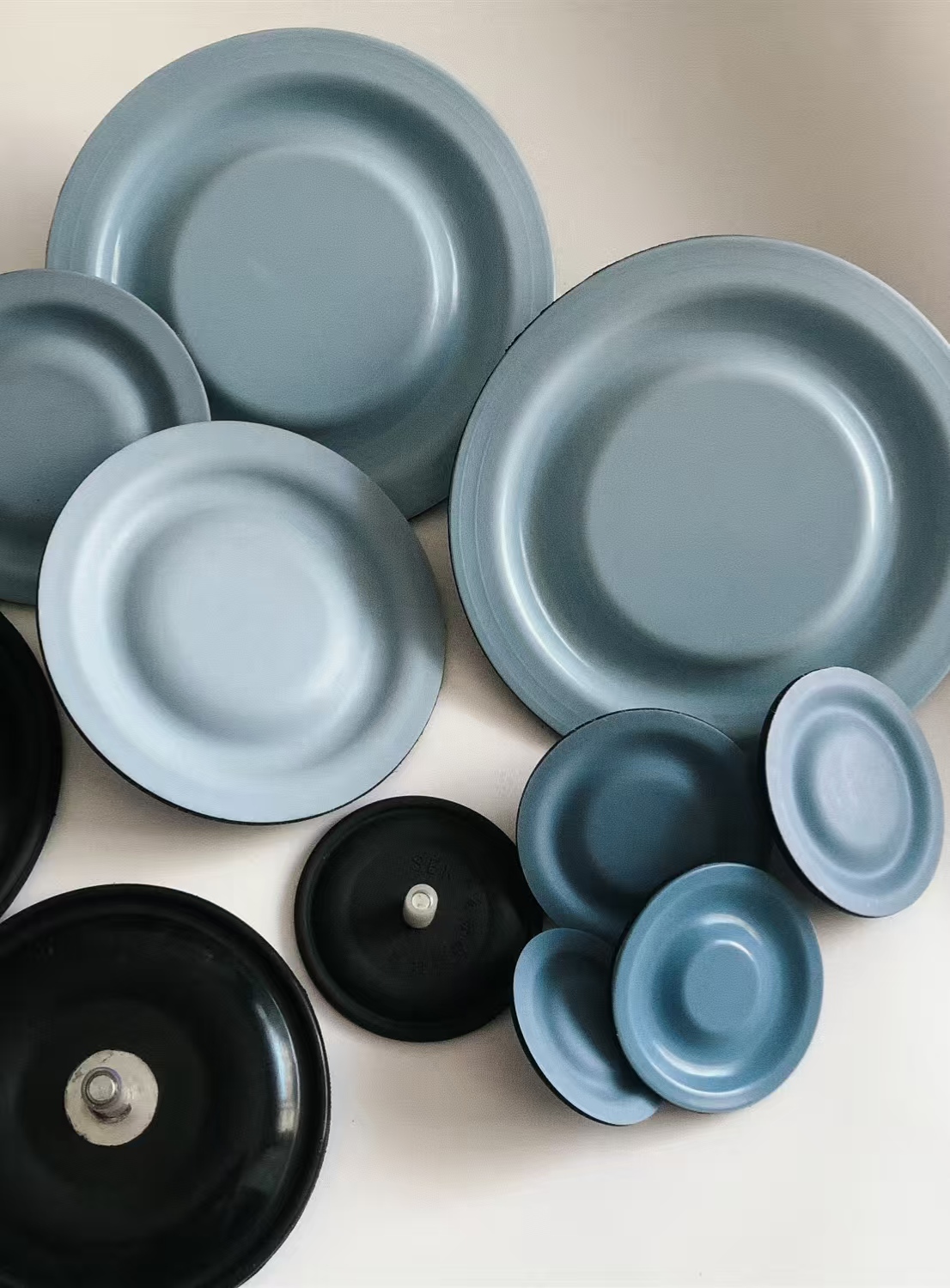
ဟိုဗူးနှင့် ဟော့ဖူးတို့သည် ဘိုင်လိုက်တ်နှင့် အဓိကပလက်ဖောင်းများနှင့် ကိုက်ညီသော ပစ္စည်းများကို ထောက်ပံ့ပေးပါသည်။ အိမ်တောင်ကျပန်း ဆက်စပ်များ NBR၊ TPU နှင့် FKM တွင် အသုံးပြုသည့် 42CrMo/42CrMoA ချောက်ချောက်များနှင့် ပစ္စည်းစမ်းသပ်မှုစာရွက်များကို လိုအပ်ပါက ပေးအပ်နိုင်ပါသည်။ အသေးစိတ်အချက်အလက်များအတွက် https://www.hovooseal.com/ တွင် ကြည့်ရှုနိုင်ပါသည်။
အဓိက စံချိန်စံညွှန်းများ စစ်ဆေးမှုအတွက် ကိုးကားချက်
ပါရာမီတာ |
စစ်ဆေးရန် အသေးစိတ်အချက်အလက်များ |
မှားယွင်းပါက ဖြစ်ပေါ်လာမည့်အကျိုးသက်ရောက်မှုများ |
ပုံပေါ်မှုကို ခံနိုင်ရည်ရှိသည့် အစိတ်အပေါင်းများအတွက် သံမှုန်အများအပေါင်း |
42CrMo HRC 52–58 အနည်းဆုံး။ ကျောက်ကြမ်းများအတွက် 42CrMoA |
အထောက်အပံ့ သံမဏိအမျိုးအစားသည် နှစ်ရှုံးပေါင်းများစွာအတွင်း မျက်နှာပြင်ပေါ်တွင် ကွဲအက်မှုများ ဖြစ်ပေါ်စေသည် |
ပိတ်မိစေသည့် ပစ္စည်း |
NBR / TPU / FKM — အပူခါးနှင့် လည်ပတ်မှုနှုန်းနှင့် ကိုက်ညီသည့် |
မှားယွင်းသည့် ပစ္စည်းအသုံးပြုခြင်း - ပိတ်မိစေသည့် ပစ္စည်း မာလာခြင်း (အပူခါးတွင် NBR အသုံးပြုခြင်း) သို့မဟုတ် ကွဲအက်ခြင်း (BPM မြင့်မားသည့် အခြေအနေတွင် စံသတ်မှတ်ချက်အတိုင်း ပိတ်မိစေသည့် ပစ္စည်းများ) |
လျော့ချနိုင်သည့် အလေးချိန်အပေါ် အခြေခံသည့် အကောင်းဆုံး အကောင်းဆုံး အကောင်းဆုံး အကောင်းဆုံး အကောင်းဆုံး အကောင်းဆုံး အကောင်းဆုံး အကောင်းဆုံး အကောင်းဆုံး အကောင်းဆုံး အကောင်းဆုံး အကောင်းဆုံး အကောင်းဆုံး အကောင်းဆုံး အကောင်းဆုံး အကောင်းဆုံး အကောင်းဆုံး အကောင်းဆုံး အကောင်းဆုံး အကောင်းဆုံး အကောင်းဆုံး အကောင်းဆုံး အကောင်းဆုံး အကောင်းဆုံး အကောင်းဆုံး အကောင်းဆုံး အကောင်းဆုံး အကေ...... |
သယ်ဆောင်ရှိသည့် အလေးချိန် × ၁၀–၁၅% = ခွဲထုတ်ရှိသည့် အလေးချိန် |
အလေးချိန်ပိုများခြင်း - ဘူမ်အစိတ်အပိုင်းများ ပုပ်သောက်ခြင်း၊ မတည်မင်းခြင်း။ အလေးချိန်နည်းခြင်း - ထိခိုက်မှုများ ပြန်ပေါက်ခြင်း၊ ခီဇယ်အစိတ်အပိုင်းများ များစွာ ပုပ်သောက်ခြင်း |
ဟိုက်ဒရောလစ် စီးဆေးမှု အမျှတ် (L/မိနစ်) |
ခွဲထုတ်ရှိသည့် အမျှတ်အတိုင်း အနည်းဆုံးနှင့် အများဆုံး တန်ဖိုးများနှင့် သယ်ဆောင်ရှိသည့် စက်မှ အမှန်တကယ် ထုတ်လုပ်နေသည့် တန်ဖိုးများ |
အပေးအနေ နည်းခြင်း - လည်ပတ်မှုနှုန်း နှေးခြင်း၊ BPM န lowest ဖြစ်ခြင်း၊ ပူပွေးခြင်း။ အပေးအနေ များခြင်း - ပိတ်မိစေသည့် ပစ္စည်းများ ပျက်စီးခြင်း၊ ပြန်လည်ပို့ဆောင်ရှိသည့် လိုင်းတွင် ပူပွေးခြင်း |
ဟိုက်ဒရောလစ် ဘရိတ်ခ််အတွက် ပုံသေမဟုတ်သော အစိတ်အပိုင်းများ၊ သံမဏိအမျိုးအစား | အပိတ်အနှောင့်အဖြစ် အသုံးပြုသည့် ဆီလ် ပစ္စည်းများ (NBR, TPU, FKM) | အသုံးပြုနိုင်သည့် အလေးချိန်အမျိုးအစားအလိုက် ကုန်တင်ယာဥ်များနှင့် ကိုက်ညီမှုရှိခြင်း | 42CrMo နှင့် 42CrMoA ပစ္စည်းဖြင့် ပြုလုပ်ထားသည့် ပစ်စင်နှင့် ချစ်စယ်လ်များ | HOVOO | HOUFU | hovooseal.com


