

 EN
EN
 AR
AR CS
CS DA
DA NL
NL FI
FI FR
FR DE
DE EL
EL IT
IT JA
JA KO
KO NO
NO PL
PL PT
PT RO
RO RU
RU ES
ES SV
SV TL
TL IW
IW ID
ID LV
LV SR
SR SK
SK VI
VI HU
HU MT
MT TH
TH TR
TR FA
FA MS
MS GA
GA CY
CY IS
IS KA
KA UR
UR LA
LA TA
TA MY
MY
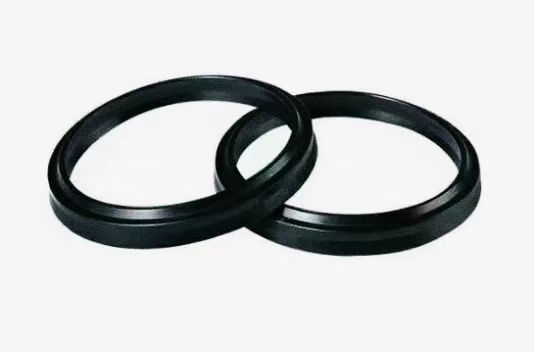
Enerpac ဟိုက်ဒရောလစ် ရမ်များသည် တိကျမှုနှင့် အရည်အသွေးမြင့် အဆောက်အအုပ်ဖော်ပေးမှုအတွက် ထိုက်တန်သော အသိအမှတ်ပေးမှုရှိပါသည်။ သို့သော် အခြားသော ဟိုက်ဒရောလစ် အစိတ်အပိုင်းများအတူတူ အချိန်ကြောင့် အပိုင်းအစများ ပျက်စီးလာပြီး အပိုင်းအစများ ပေါက်ကွဲခြင်း ပြဿနာများ ဖြစ်ပေါ်လာပါသည်။ RC151K သို့မဟုတ် RC53K ရမ်တစ်လုံးသည် ပစ်တန် ရောဒ်တွင် အရည်များ စိမ့်ထွက်ခြင်း (weeping) သို့မဟုတ် အိပ်စက်နေစဉ် ဖိအားကို ဆုံးရှုံးခြင်းများ စတင်ဖြစ်ပေါ်လာပါက ဖြေရှင်းနည်းမှာ အသစ်သော ရမ်များ မဟုတ်ဘဲ အသစ်သော seal ကော်ပျူကစ် — အသစ်သော ရမ်များ မဟုတ်ပါ။ အသင့်လုပ်ထားသော ဟိုက်ဒရောလစ် အပိုင်းအစများ အစိတ်အပိုင်းများကို အရွယ်အစားမှန်ကန်စွာ ရှာဖွေရှာဖွေပြီး အသုံးပြုရန် အကောင်းဆုံး ပစ္စည်းများဖြင့် ပြုလုပ်ထားသော အပိုင်းအစများကို ရှာဖွေရှာဖွေခြင်းသည် အလုပ်တစ်ခုလုံးဖြစ်ပါသည်။
RC151K နှင့် RC53K ဆိုသည်မှာ အမှန်တကယ် အဘယ်နည်း
RC အမျိုးအစားများသည် အသုံးများသော တစ်ဖက်သာ အလုပ်လုပ်သော ဟိုက်ဒရောလစ် စိုက်ပုတ်များဖြစ်ပြီး ထိန်းသောင်းမှု၊ အသုံးပြုမှုနှင့် MRO အသုံးပြုမှုများတွင် အသုံးများပါသည်။ RC151K သည် ၁၅ တန် အသုံးပြုမှုဖြစ်ပြီး အောက်ခြေတွင် ၁ လက်မ အကွာအဝေးရှိပါသည်။ RC53K သည် ၅ တန် အသုံးပြုမှုဖြစ်ပြီး အောက်ခြေတွင် ၃ လက်မ အကွာအဝေးရှိပါသည်။ အောက်ခြေတွင် အသုံးပြုသော အပိုင်းအစများသည် ရှုပ်ထွေးမှုနည်းပါသည် — ပစ်တန် အပိုင်းအစ၊ rod လက်ထိုး a wiper လက်ထိုး နှင့် အထောက်အပံ့ပေးသော အပိုင်းအစ — သို့သော် အရွယ်အစားများသည် အပိုင်းအစများကို ရှေးရှေးမှားယွင်းစွာ အသုံးပြုမှုဖြင့် ချက်ချင်း ပျက်စီးမှုကို ဖြစ်ပေါ်စေပါသည်။
ပါရာမီတာ |
RC151K |
RC53K |
စွမ်းရည် |
တန်ချိန် ၁၅ တန် |
၅ တန် |
Stroke |
မှန်းခြေအားဖြင့် ၂၅ မီလီမီတာ |
မှန်းခြေအားဖြင့် ၇၆ မီလီမီတာ |
ရောင်း၏အချင်းအမြစ် |
၄၄.၄ မီလီမီတာ |
၂၈.၆ မီလီမီတာ |
စီလ်ပစ္စည်း (စံသတ်မှတ်ချက်) |
NBR |
NBR |
အကောင်းဆုံးအဆင့်မြှင့်တင်မှု |
FKM |
FKM |
အောက်စ်မာကက် စီလ် ကစ်တ်များကို အသုံးပြုရခြင်း၏ အကျိုးကျေးဇူးများ
Enerpac စိုက်ထားသည့် စိုက်လီန်ဒါများအတွက် OEM စီလ် ကစ်တ်များကို ရရှိနိုင်သော်လည်း တရားဝင်ဖြန့်ဖြူးရေးလမ်းကြောင်းမှတဆင့် စျေးနှုန်းများသည် အလွန်မြင့်မားပါသည်။ ဤရမ်များတွင် အသုံးပြုသည့် စီလ် ဂျီဩမေတြီသည် အထူးပိုင်ဆိုင်မှုမရှိပါ— အရွယ်အစားများသည် စံနှုန်းအတိုင်းဖြစ်ပြီး ပစ္စည်းများသည် ကောင်းစွာ သတ်မှတ်ထားပါသည်။ အရွယ်အစားနှင့် ပစ္စည်းအများအပြားကို အတည်ပြုပေးနိုင်သည့် အောက်စ်မာကက် ဟိုက်ဒရောလစ် စီလ် ကစ်တ်တစ်ခုသည် OEM စီလ် ကစ်တ်များ၏ စျေးနှုန်း၏ အပိုင်းသေးငယ်သည့် စျေးနှုန်းဖြင့် အတူတူပဲ စီလ် လုပ်ဆောင်မှုကို ပေးစွမ်းနိုင်ပါသည်။
စဉ်းစားသင့်သည့် အဆင့်မြင့်တင်မှုများထဲတွင် ပစ္စည်းရွေးချယ်မှုကို ထည့်သွင်းစဉ်းစားသင့်ပါသည်။ Enerpac ၏ စံနှုန်းအတိုင်း ပေးပို့သည့် စီလ် ကစ်တ်များတွင် NBR စီလ်များကို ပေါ်လီအိုလီယမ်အခြေပြု ဟိုက်ဒရောလစ် အရည်များအတွက် အသုံးပြုရန် ပါဝင်ပါသည်။ သင့်လုပ်သက်တွင် မီးမှုန်းခြင်းကို တားဆီးနိုင်သည့် အရည်များ သို့မဟုတ် ရေ-ဂလိုကော် အရည်များကို အသုံးပြုပါက သို့မဟုတ် ရမ်သည် ပတ်ဝန်းကျင်အပူချိန်များ မြင့်မားသည့် နေရာတွင် အလုပ်လုပ်ပါက FKM (Viton) ပစ္စည်းဖြင့် ပြုလုပ်ထားသည့် စီလ်များသည် အသုံးပေးနိုင်သည့် ကာလကို သိသိသာသာ တိုးမြှင့်ပေးနိုင်ပါသည်။ ဤသည်မှာ OEM စီလ် ကစ်တ်များတွင် မကြာခဏ မပေးပေးသည့် အလွန်လွယ်ကူသည့် အသေးစိတ်အချက်များ ပြောင်းလဲမှုဖြစ်ပါသည်။
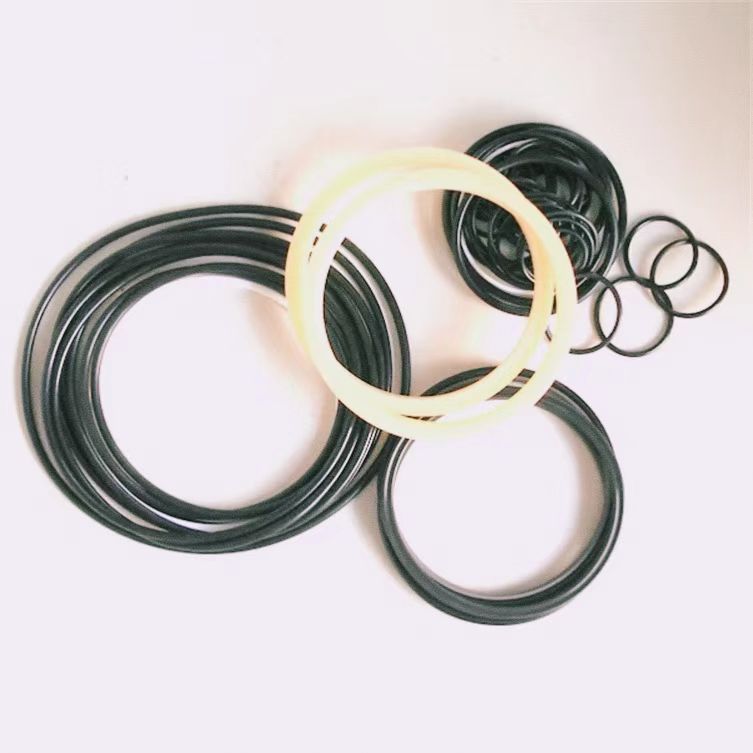
တပ်ဆင်မှု – အောင်မြင်မှုကို ဆုံးဖြတ်ပေးသည့် အဆင့်နှစ်ဆင်း
အသစ်သော စီလ်များကို တပ်ဆင်ရန်မှီ ရမ်ဘိုးနှင့် ရောဒ်ကို အကောင်းစွာသန့်စင်ပါ။ ယခင်က ဖြစ်ပွားခဲ့သည့် စီလ်ပျက်စီးမှုမှ ကပ်နေသည့် အမှုန်များသည် ပိုက်စ်တန်စီလ်အသစ်ကို ပထမဆုံး အကြိမ် ၁၂ ကြိမ်ခန့် လှုပ်ရှားမှုအတွင်း ဖြတ်ပေးလိမ့်မည်။ ဘိုးအတွင်းသို့ သန့်စင်ပြီးသော အမှုန်မပါသည့် ကုန်စွမ်းသည့် ချည်ထည်ကို ဖောက်သွင်းပါ၊ ကောင်းမော်သည့် အလင်းအောက်တွင် စိစိပါက်စ်များကို စစ်ဆေးပါ၊ ထို့နောက်မှသာ တပ်ဆင်မှုကို ဆက်လက်လုပ်ဆောင်ပါ။
အသစ်သော စီလ်များကို သန့်စင်ပြီးသော ဟိုက်ဒရောလစ်အရည်ဖြင့် ချောမွေ့စေပါ၊ လှည့်မော်သည့်အတွင်း တပ်ဆင်ပါ။ ရောဒ်အတွက် လစ်ပ်စီလ်များကို အဓိက လစ်ပ်ဖြင့် အရည်အတွင်းသို့ မျက်နှာမူပေးရန် လိုအပ်ပါသည်။ ဝိုင်ပာစီလ်ကို ပေါ်လွင်သည့်အတိုင်း ပြောင်းပေးခြင်းသည် အဖြစ်များသည့် အမှားဖြစ်ပြီး ရောဒ်ကို တစ်ခါတစ်ရောက် ဆွဲထုတ်သည့်အခါတိုင်း ညစ်ညမ်းမှုများကို စုပ်ယူမှုကို ဖြစ်ပေါ်စေပါသည်။
HOVOO / HOUFU သည် RC151K နှင့် RC53K အသုံးပြုနိုင်သည့် စီလ်ကုတ်များကို အပြည့်အဝ အရွယ်အစား စစ်ဆေးမှုများဖြင့် စတော့က်ထားပါသည်။ FKM အဆင့်မြှင့်တင်မှုအတွက် ရွေးချယ်စရာများလည်း ရရှိပါသည်။ HOUFU အမှတ်တံဆိပ်ဖြင့် ထုတ်လုပ်ထားသည့် ကုတ်များသည် တစ်ကြိမ်သုံး တပ်ဆင်မှုအတွက် အသင်းဖြစ်ပြီး ပို့ဆောင်ပေးပါသည်။ အသေးစိတ်အချက်အလက်များနှင့် ရနှိုင်သည့် အခြေအနေများအတွက် hovooseal.com သို့ ဝင်ရောက်ကြည့်ရှုပါ။
အရင်းအမြစ်: www.hovooseal.com


