

 EN
EN
 AR
AR CS
CS DA
DA NL
NL FI
FI FR
FR DE
DE EL
EL IT
IT JA
JA KO
KO NO
NO PL
PL PT
PT RO
RO RU
RU ES
ES SV
SV TL
TL IW
IW ID
ID LV
LV SR
SR SK
SK VI
VI HU
HU MT
MT TH
TH TR
TR FA
FA MS
MS GA
GA CY
CY IS
IS KA
KA UR
UR LA
LA TA
TA MY
MY
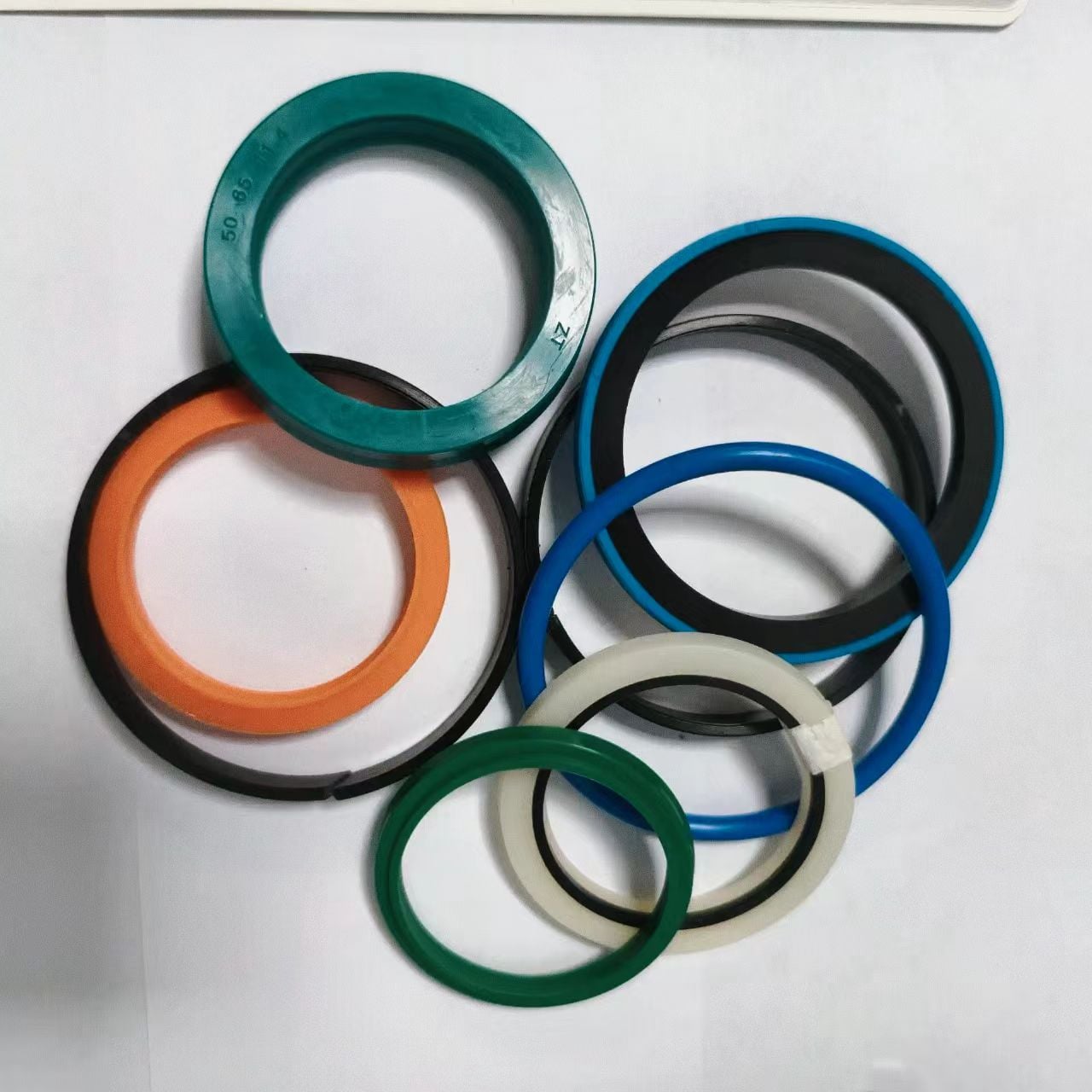
Прочитајте излаз пре него што нешто замените
Масло које капне из хидрауличког прекидача говори једну причу. Прича се мења у зависности од тога одакле долази нафта. Пролаз на крају двора? То је проблем са предњом главом. печат за чашу не успевају, или бушице су изнесе до тачке када алат тресе и раскидају пломбе изнутра. Уље које плаче из шија цилиндра? То је кроз-болт губитак крутног момента, и не сејлови комплет у свету, исправиће га без ретроквинга. Пролаз у колан? О-прстен у луци, уопште није унутрашњи проблем печати.
Разлог за дијагнозу је економски, а не академски. Подаци из поља из сервисаних прекидача показују да је у већини случајева замена пломби и повезаних компоненти за пломби довољна да се врати нормална перформанса удара, без високих трошкова замену целокупног зглоба. Стандардизована процедура замене запечатице обично може вратити перформансе, а истовремено смањити трошкове одржавања за 30-60% у поређењу са слањем јединице дилера. Повреда обично није у упису или цилиндру, већ у пломбима које их окружују.
У типичном хидрауличном прекидачу има 15 до 25 појединачних запечатака, у зависности од сложености модела. Разумевање које тюлени живе где, шта их убија и како изгледају рани симптоми спречава 70 до 80% проблема са цурењема уље да постану скупи.
Пет положаја печати Моди неуспеха и животни век
Следећи табела покрива пет категорија запечатања које се појављују у већини хидрауличких конструкција прекидача, специфичан механизам неуспеха за сваки, симптом на терену који се појављује пре него што се цурење постане озбиљно и реалистичан опсег живота у различитим радним условима.
Тип печати |
Локација и функција |
Како се то не остварује |
Симптом поља |
Типични живот у служби |
Плештао |
Улаз на предњу главу; штити бушицу од спољних остатака |
Абразија од стенове прашине носи печатну усну када се једном пробије, песок постаје абразивна паста која напада унутрашњу бушицу |
Масло просипа око двора у миру; прекомерно масти плачу током мазивања |
400800 часова (прашна/срушење) 8001,500 часова (чисти карје) |
У-купа / пистонски затварање |
Око клизма, запечатања против зида цилиндра |
Топлотна деградација када температура уља прелази 8090 °C запечатак се оштри, губи еластичност, омогућава проток заобилазак |
Губитак снаге, а не видљиво цурење; спори, слаби удари су први знак |
15002500 сати чистим уљем на исправној температури |
Буферска затвара |
Зад печати клипа; апсорбује врхунске притиске |
Испад уморности када аккумулаторски азот падне испод спецификације шипови прелазе границу еластичности запљука |
Непостојан ритам удара; убрзано знојење печати бубњака |
Уједначава интервал затварања бубњака; продужава живот бубњака 4060% |
О-прстен (врстице за вентили и капије) |
Скуп клапана, прикључења акумулатора, хидраулички прикључци |
Ретко се промашују у оквиру спецификације; углавном су погођени контаминираним уљем или прекомерним контра-притиском |
Уље које пролази на линијским спојцима или на површинама за спој клапана |
2.0003.000+ сати у нормалним условима |
О-прстени са пролазним спојним завртљама |
Између предње главе, средњег цилиндра и задњег главе |
Губитак вртежног момента кроз вијку под вибрацијом отвара се јаз, екструдира се О-прстен и пропада |
Масло које се излива из шија цилиндрског тела, а не из краја двора |
Неопредељено ако се одржавају проверке крутног момента; не успева ако се болтови опустију |
Шта рано убија тюлени и шта не
Већина прерано оштећених запечатака се свезује на три разлога: контаминирано уље, прегревање и суво печење. Ни један од њих није дефект печатке. Они су оперативне грешке за које Печат узима кривицу.
Загађено уље је главни узрок. Само једна кашика прљавштине може формирати довољно абразивних честица да уништи сваки запечатак у хидрауличком систему. За прекидач, пут је обично пломба која је већ почела да се пропада камени прах улази унутра, меша се са масти и уљевом филмом око буши, и постаје абразивна паста која убрзава зношење буши. Затим се отвори прозор буши, алат се креће бочно, и то кретање преноси бочно оптерећење директно на губу за запечатање у-купи. Оно што је почело као посао за затварање прашине од 20 долара, прераста у замену буши и неуспех затварања пистона. Због тога стандардни смерници за одржавање саветују да се свакодневно проверавају пломбови на рушењима и каменолома.
Прегревање је други пут. Запечати су погодни за рукове нитрилне гуме до 8090 °C. изнад тога, гума се оштри, губи еластичност и развија раскола на површини која доводи до пропуста. Али постоји мање очигледна верзија: уље које изгледа добро, али је топлотно деградирало свој додатни пакет, производи озон као производ распада, који напада површину пломбе изнутра. Симптом је загарнуо и напукоњен печат на клизне странице и узрок је записан у уљу, а не у самој печати. Масло које изгледа црно указује на топлотну деградацију; млекопојак изглед указује на контаминацију воде. Или је то значиње да се пре него што се замени пломба мења уље, или ће нови пломби пропасти исто као и стари.
Уједностављење материјала је важније од цене. Универзални комплети за запечатање ретко одговарају квалитету ОЕМ-а у компатибилности материјала и прецизним димензијама. Иако су у почетку коштали 20-30% мање, обично трају пола времена од комплета специфичних за произвођача. Геометрија печати није само номинални дијаметар, већ укључује и угао усна, профил пресек и тврдоћу. Заврзак са мало погрешним геометријским профилом ће почети да тече под ниским притиском и изгледа да се запечаћује под високим притиском, што је начин на који се оператери ухватију: прекидач изгледа добро под оптерећењем и капи у празној ради. То није проблем цилиндра. То је неисправност у површини печатке.
Још једна ствар о инсталацији. Када се улази назад, то се мора успоро и квадратно инсталирати како се не би пресекао нови запечатак на оштрим ивицама цилиндричног дупљења. Притисни кроз-болтове руком на једнаку дубину пре него што примениш вртежни момент ако је један буљ чврстији од осталих, тај штап може се скрсти током рада. И увек потпуно ослободите притисак азота пре отварања било ког скупа: акумулатор је под притиском чак и када је хидраулички систем искључен, а демонтажа без ослобађања није сценарио неуспеха запечатице. То је инцидент безбедности.


