

 EN
EN
 AR
AR CS
CS DA
DA NL
NL FI
FI FR
FR DE
DE EL
EL IT
IT JA
JA KO
KO NO
NO PL
PL PT
PT RO
RO RU
RU ES
ES SV
SV TL
TL IW
IW ID
ID LV
LV SR
SR SK
SK VI
VI HU
HU MT
MT TH
TH TR
TR FA
FA MS
MS GA
GA CY
CY IS
IS KA
KA UR
UR LA
LA TA
TA MY
MY
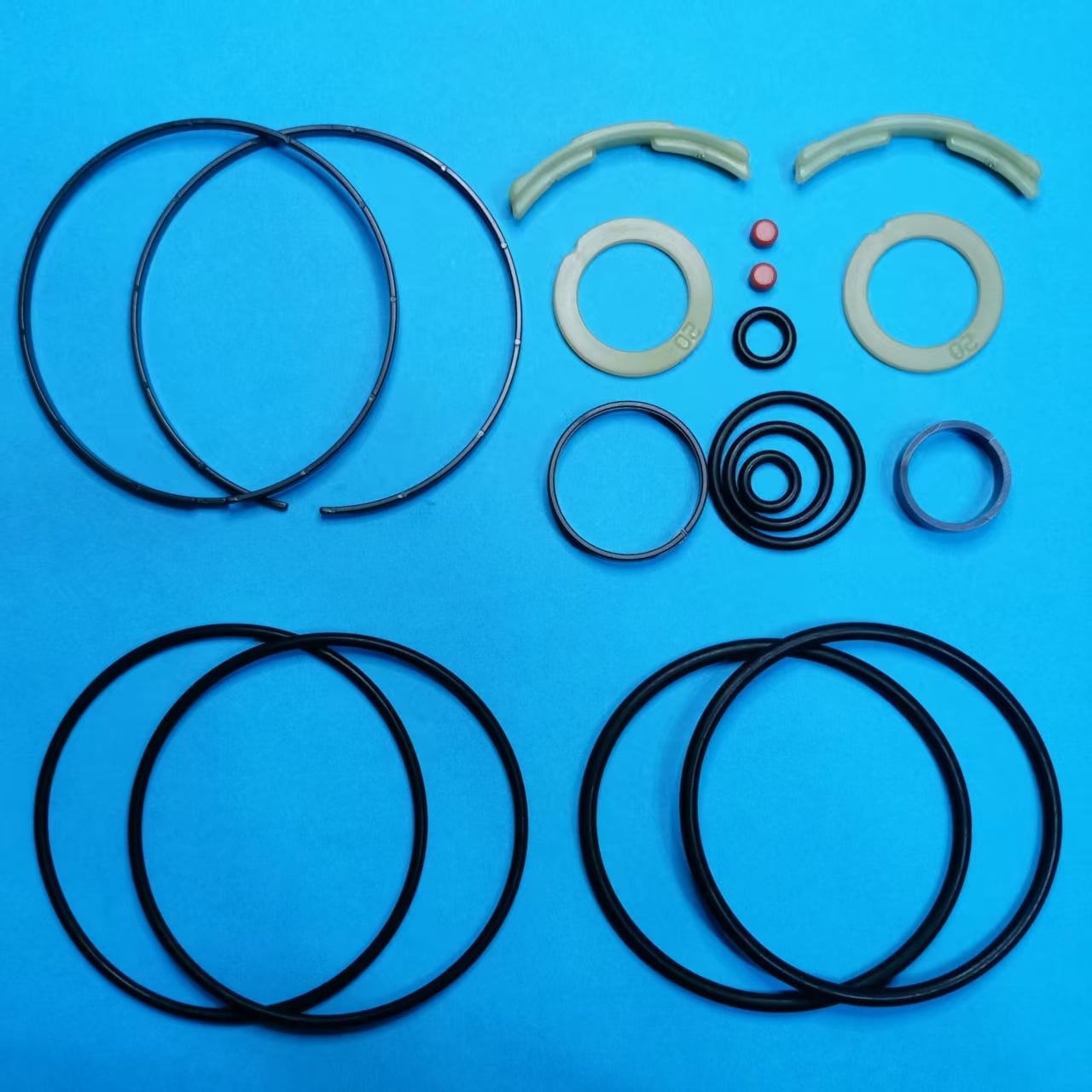
Tillbehör är inte valfria utrustningar — de är krossaren
Termen 'tillbehör' antyder valfria tillägg till en komplett maskin. För en hydraulisk brännare betyder det tvärtom: mejseln, bushingen, sigillkit , hållarpinnarna och genomskruvarna är komponenterna som utför arbetet, absorberar slitage och avgör om brännaren levererar nominell prestanda eller något långt under den. Den strukturella höljan och kolven är konstruerade för att hålla hela maskinens driftslivstid. Tillbehören är konstruerade för att bytas ut. Att förstå när, med vad och i vilken ordning är hela underhållet av en hydraulisk brännare.
Delarna delas naturligt in i två grupper. Den första gruppen slits i direkt proportion till stötcykler – mejselspetsar, inre bushingar, dammtätningar. Deras livslängd förbrukas av arbetet självt och är till stor del förutsägbar utifrån drifttimmar och materialhårdhet. Den andra gruppen slits på grund av stresshändelser snarare än vid stationär användning – hållarpinnar böjs av tomfyr, genomskruvar sträcks av vibrationsöverbelastning, sällskap för tjuv misslyckas förtid på grund av oljeföroreningar eller felaktiga tryckinställningar. Att förutsäga livslängden för den andra gruppen kräver kunskap om vilka stresshändelser som har inträffat. De flesta operatörer spårar inte detta. Deras underhållsprotokoll visar 'okänd orsak' där den faktiska orsaken var en vecka med överbelastad drift tre månader tidigare.
Förhållandet mellan dessa två grupper är också sekventiellt. När den första gruppen drar ut på tiden — till exempel när en sliten buksling går utanför sitt spelgräns, eller när dammtätningsringen byts ut för sent — utsätts den andra gruppen for ökad belastning. En sliten buksling avviker från axeln vid varje slag; denna avvikelse belastar tätningsytorna asymmetriskt; tätningarna går sönder tidigt. En försummad dammtätningsring låter slipande smuts tränga in i det smörjda boret; smutsen blandas med mejselpasta och bildar en slipande förening som avlägsnar bukslingsmaterial snabbare än slitage orsakat av stötar ensamt. Att hålla den första gruppen inom tidsplanen skyddar direkt den andra.
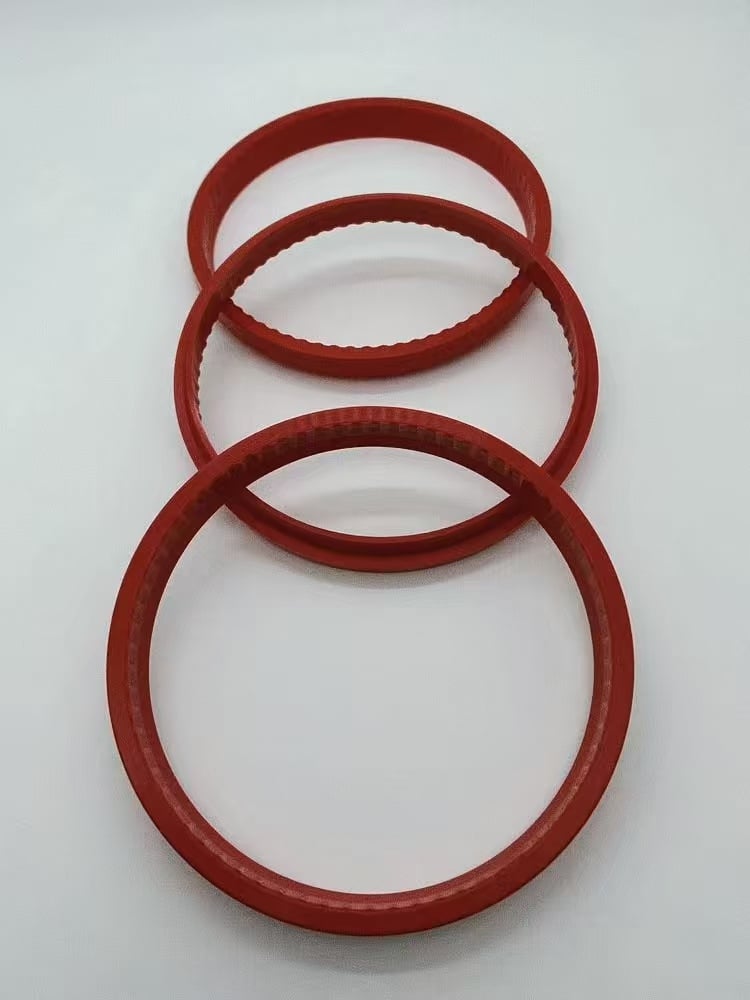
Fem nyckelkomponenter — utbytesintervall, tecken på utbyte och viktig notering
Tabellen nedan omfattar de fem komponenterna som står för nästan all planerad underhållsverksamhet samt majoriteten av oplanerade fel. Kolumnen 'viktig notering' anger det specifika felet som orsakar de flesta återkommande reklamationer efter ett utbytesarbete.
Tillbehör |
Ubyteintervall |
Tecken på att byta ut |
Viktig anmärkning |
Mejsel / arbetsverktyg |
Veckor–månader (hård berggrund) 3–6 månader (betong) |
Spetsen är utblåst, avrundad eller sprucken; skaftet visar skåror eller asymmetrisk slitage; blå/svart färgförändring från överhettning |
Ersätt som ett matchat originaltillverkarens reservdelsnummer — skaftprofil och längd varierar mellan modeller; mät det slitna skaftets diameter innan beställning om du är osäker |
Inre bushing (verktygsledningsborrning) |
200–600 h beroende på smörjningsrutin |
Mejseln rör sig lateralt; en 5 mm borrpassar lätt mellan skaftet och borret utan motstånd; asymmetrisk slitage synlig på mejselskaftet |
Ersätt innan spelrummet överskrider 2 mm; en slitit bushing leder varje slag avvikande från axeln, vilket belastar kolvens yta och komprimerar tätningens intervall |
Tätningssats (främre och inre tätningar) |
800–1 200 h vid abrasiv/hot drift, 1 800–2 200 h vid ren/mild drift |
Oljeläckage vid framdelens huvud eller slanganslutningar; gradvis minskning av slagperminut under flera dagar; hydraulolja mörknar på grund av föroreningar |
Byt ut som ett komplett set — att blanda gamla och nya tätningsringar stör den angränsande tätningsgeometrin och orsakar tidiga återkommande fel |
Hållarpinnar och hållarstänger |
Inspektera var 50:e timme; byt ut vid deformation |
Synlig böjning eller plattning vid kontaktytan; löst sitt; hörbar klirring; mejselrörelse bortom normal driftstravel |
Byt ut båda pinarna tillsammans — skillnaden i hårdhet mellan ny och gammal pinne gör att den äldre deformeras inom några dagar under asymmetrisk belastning |
Genomboltar och sidoboltar |
Kontrollera momentet vid 250:e timmen; byt ut vid sträckning |
För längning av boltens skaft (mät mot ny specifikation); gängskada; synlig glipa mellan husflänsar under drift |
Använd kalibrerad momentnyckel; dra åt i korsmönster; återanvänd aldrig stretch-to-yield-boltar — en bruten genombolta under drift är ett strukturellt fel, inte ett underhållsarbete |
Att bygga upp lager av reservdelar på plats
Driftprincipen för reservdelslager är enkel: kostnaden för oanvänt projektid som orsakas av att vänta på en del är nästan alltid högre än kostnaden för att ha den delen i lager. Ett tätningsset för en brytare av mellanklass kostar kanske 3–5 % av enhetens inköpspris. En tvåveckors väntetid för detta tätningsset vid ett projekt där en maskin är i drift stoppar projektets framsteg i två veckor. Beräkningen är entydig. Trots detta hanterar de flesta operatörer reaktivt lager — de beställer när fel uppstår, snarare än innan det gör det.
En praktisk minimilagermängd för en driftsättd maskin är: två mejslar, en inre bushing, ett tätningssats, ett par retainer-pinnar och en uppsättning genomgående bultar. Detta täcker en fullständig utbytescykel för alla fem förbrukningsartiklarna utan att behöva påfylla mitten i cykeln. På en hårdbergsstenbrottssite med två skift per dag täcker detta lager ungefär fyra till åtta veckors drift innan någon artikel behöver beställas på nytt. Kostnaden per enhet för att hålla detta lager är liten. Kostnaden för att inte ha det blir synlig endast vid det första felet – och vid det tillfället är argumentet för att ha lager självklart, men lagret finns inte där.
Ett köpbeslut som tabellen ovan inte fullt ut täcker: OEM-delar jämfört med eftermarknadsdelar. För slitagekänsliga förbrukningsartiklar som mejslar och tätningssatser producerar renommerade leverantörer av eftermarknadsdelar, som kan tillhandahålla materialcertifikat och dimensionella kontrollrapporter, delar som presterar lika bra som OEM-delar men till lägre kostnad. För konstruktionsdelar – genomgående skruvar, hållstänger, själva framhuvudet – är toleranskraven strängare och följderna av felaktig passform allvarligare. Den praktiska ansatsen är att använda eftermarknadsdelar för förbrukningsartiklar som byts ut ofta, och OEM-delar eller OEM-ekvivalenter för konstruktionsdelar som sällan byts ut och måste passa exakt.


