

 EN
EN
 AR
AR CS
CS DA
DA NL
NL FI
FI FR
FR DE
DE EL
EL IT
IT JA
JA KO
KO NO
NO PL
PL PT
PT RO
RO RU
RU ES
ES SV
SV TL
TL IW
IW ID
ID LV
LV SR
SR SK
SK VI
VI HU
HU MT
MT TH
TH TR
TR FA
FA MS
MS GA
GA CY
CY IS
IS KA
KA UR
UR LA
LA TA
TA MY
MY
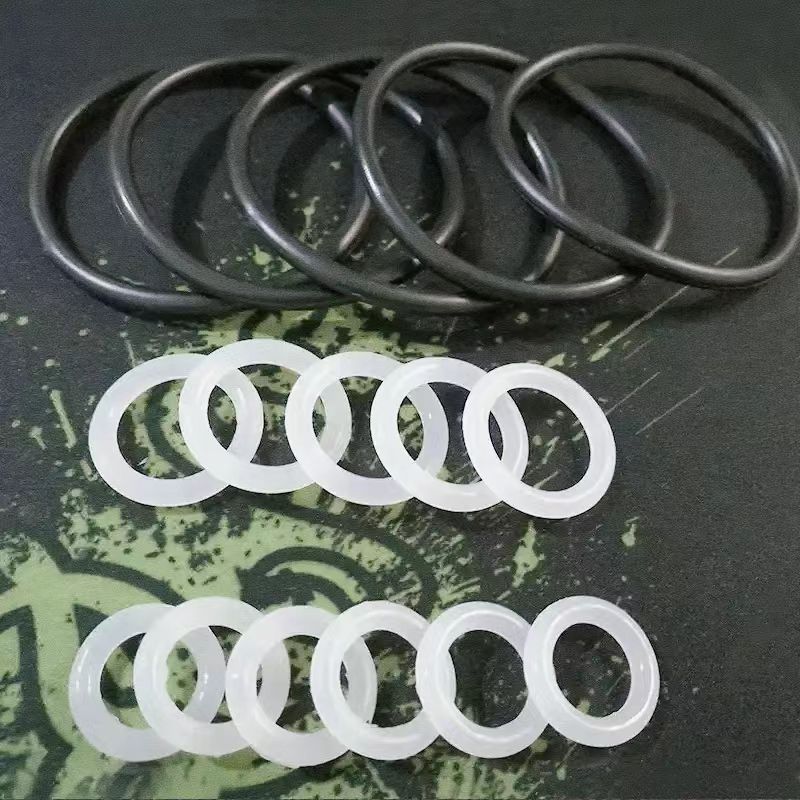
ชิ้นส่วนที่มีราคาถูกที่สุดกลับทำให้ชิ้นส่วนที่มีราคาแพงที่สุดเสียหาย
อุปกรณ์เสริมสำหรับเครื่องทุบไฮดรอลิกปฏิบัติตามตรรกะการล้มสลายแบบเป็นขั้นตอน (cascade failure logic) อย่างเข้มงวด ซึ่งผู้ปฏิบัติงานส่วนใหญ่เข้าใจหลักการนี้ในเชิงทฤษฎี แต่มักประเมินค่าความรุนแรงในทางปฏิบัติไว้ต่ำเกินไป หัวเจาะที่สึกหรอเกินขีดจำกัดที่กำหนดให้ทิ้งจะถ่ายโอนแรงด้านข้างไปยังบูชด้านหน้า บูชด้านหน้าที่สึกหรอจนระยะแคลร์แรนซ์เกินขีดจำกัดจะทำให้ลูกสูบเคลื่อนที่ไม่ตรงแนวในจังหวะลง ลูกสูบที่เคลื่อนที่ไม่ตรงแนวจะขีดข่วนผนังกระบอกสูบ ผนังกระบอกสูบที่ถูกขีดข่วนจะทำให้น้ำมันไฮดรอลิกปนเปื้อน น้ำมันไฮดรอลิกที่ปนเปื้อนจะทำลายชุดวาล์วและชุดซีลทั่วทั้งวงจร ลำดับเหตุการณ์นี้เริ่มต้นจากชิ้นส่วนสิ้นเปลืองที่มีราคาถูกที่สุด ไปสู่ชิ้นส่วนโครงสร้างที่มีราคาแพงที่สุด และเกิดขึ้นในทิศทางเดียวเท่านั้น ต้นทุนในการซ่อมแซมในแต่ละขั้นตอนนั้นมีค่าโดยประมาณสูงกว่าต้นทุนของชิ้นส่วนที่ควรเปลี่ยนเพื่อหยุดยั้งการล้มสลายแบบเป็นขั้นตอนนี้ในขั้นตอนก่อนหน้าหนึ่งระดับ
โครงสร้างแบบลูกโซ่นี้อธิบายรูปแบบหนึ่งที่ช่างเทคนิคด้านบริการพบเห็นซ้ำแล้วซ้ำเล่า: ตัวบREAKER ที่ถูกส่งเข้ามาเพื่อซ่อมแซมจากปัญหาที่ผู้ปฏิบัติงานระบุว่าเป็น 'ปัญหาภายใน' แต่กลับพบว่าจำเป็นต้องถอดประกอบและซ่อมแซมลูกสูบกับกระบอกสูบใหม่ทั้งหมด ซึ่งสามารถย้อนกลับไปได้ถึงการสึกหรอของหัวสกัด (chisel) หรือปลอกนำ (bushing) ที่ควรเปลี่ยนมาแล้วหลายร้อยชั่วโมง ผู้ปฏิบัติงานไม่ได้ละเลยการดูแลอุปกรณ์ด้วยความประมาท — พวกเขาตรวจสอบอุปกรณ์อย่างสม่ำเสมอ เห็นว่าอุปกรณ์ยังคงสามารถสลายวัสดุได้ตามปกติ และจึงสรุปว่าอุปกรณ์ทำงานได้ดีพอสมควร ปัญหาที่แท้จริงคือ สภาพของชิ้นส่วนที่สึกหรอและประสิทธิภาพในการสลายวัสดุเริ่มแยกออกจากกันก่อนที่กระบวนการแบบลูกโซ่จะเริ่มขึ้น หัวสกัดที่สึกหรอยังสามารถสลายหินได้ตามปกติ ปลอกนำที่สึกหรอก็ยังสามารถนำทางเครื่องมือได้ตามปกติ เช่นเดียวกัน อาการทั้งสองอย่างนี้ไม่ปรากฏชัดเจนจนกว่าความไม่สมดุลจะลุกลามไปถึงพื้นผิวด้านหน้าของลูกสูบ ณ จุดนั้น อาการที่เกิดขึ้นจะทั้งชัดเจนมากและส่งผลให้เกิดค่าใช้จ่ายสูง
คำถามเรื่องอะไหล่ดั้งเดิมจากผู้ผลิต (OEM) เทียบกับอะไหล่ตลาดรองสำหรับเครื่องทุบไฮดรอลิกนั้นมีคำตอบที่แตกต่างกัน ขึ้นอยู่กับชิ้นส่วนที่กำลังพูดถึง สำหรับหัวทุบและหมุดยึด ปัจจัยกำหนดคุณภาพคือข้อกำหนดทางเทคนิค (เกรดโลหะผสม การรักษาความร้อน ความคลาดเคลื่อนของขนาด) และผู้จัดจำหน่ายตลาดรองที่น่าเชื่อถือซึ่งสามารถตอบสนองข้อกำหนดเหล่านี้ได้ มักถือว่าใช้งานได้ตามมาตรฐาน สำหรับสลักเกลียวแบบทะลุและ ชุดซีล , ผู้ผลิตต้นทาง (OEM) หรือเทียบเท่าที่ได้รับการรับรองมีความเหมาะสมอย่างยิ่ง เนื่องจากความล้มเหลวจากการใช้สเปกที่ไม่ถูกต้องไม่ได้เกิดขึ้นแบบค่อยเป็นค่อยไป — แต่เกิดขึ้นอย่างเฉียบพลันและมักส่งผลร้ายแรงมาก ตัวยึดแบบผ่านชิ้นส่วน (through-bolt) ที่มีเกรดเกลียวไม่ตรงตามข้อกำหนด ซึ่งรับแรงดึงภายใต้การกระแทกซ้ำ ๆ จะล้มเหลวโดยไม่มีสัญญาณเตือนล่วงหน้า สารปิดผนึก (seal compound) ที่ไม่ได้รับการรับรองให้ใช้งานภายใต้สภาวะการเปลี่ยนแปลงอุณหภูมิแบบกระแทกซ้ำ ๆ ก็จะล้มเหลวภายในไม่กี่ชั่วโมงหลังติดตั้งในสภาพการทำงานบนหินแข็ง
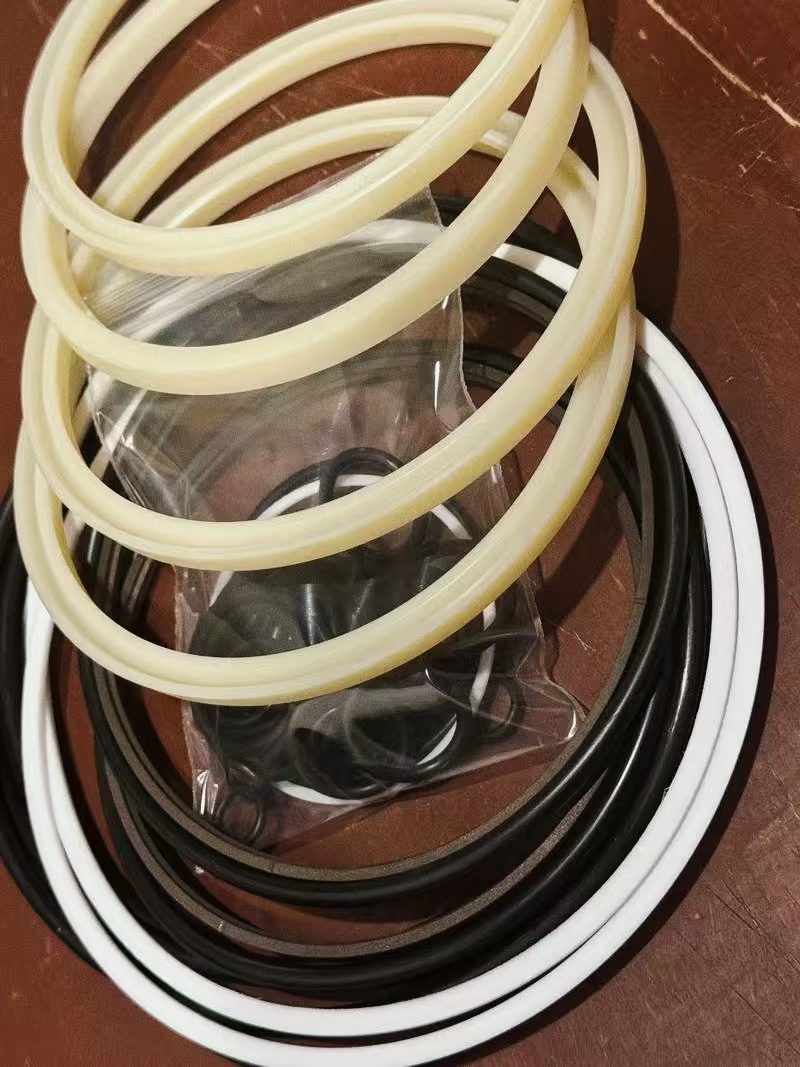
กลุ่มชิ้นส่วนเสริมสี่กลุ่ม — ควรเปลี่ยนเมื่อใด, OEM เทียบกับแบบหลังการขาย, และผลลัพธ์ของการล้มเหลวแบบลูกโซ่ (cascade failure) หากละเลย
ตารางนี้แสดงการจับคู่แต่ละกลุ่มอุปกรณ์เสริมกับตัวกระตุ้นการเปลี่ยนชิ้นส่วน รวมถึงการตัดสินใจเลือกระหว่างชิ้นส่วนดั้งเดิมจากผู้ผลิตรถยนต์ (OEM) กับชิ้นส่วนทดแทนจากตลาดรอง (aftermarket) และความล้มเหลวแบบลูกโซ่เฉพาะที่เกิดขึ้นหากเลื่อนการเปลี่ยนชิ้นส่วนออกไป
อุปกรณ์เสริม |
ควรเปลี่ยนเมื่อ |
OEM เทียบกับ Aftermarket |
ความล้มเหลวแบบลูกโซ่หากเพิกเฉย |
หัวสกัด (ใบมีดเครื่องมือ) |
ปลายหัวสกัดบานออกเกินร้อยละ 10 ของเส้นผ่านศูนย์กลาง; มีรอยแตกมองเห็นได้บริเวณก้านหรือปลายหัวสกัด; สีเปลี่ยนจากความร้อน (สีน้ำเงินหรือสีฟาง) ซึ่งบ่งชี้ว่าความแข็งผิวลดลง; ประสิทธิภาพลดลงแม้จะใช้แรงดันและอัตราการไหลที่ถูกต้อง |
เกรดวัสดุมีความสำคัญมากกว่าแบรนด์: วัสดุชนิด 42CrMoA ที่ผ่านการอบร้อนให้มีความแข็งอยู่ที่ HRC 52–58 คือเป้าหมายที่ต้องการ; หัวสกัดจากตลาดรองที่มีคุณสมบัติตามมาตรฐานนี้จากผู้จัดจำหน่ายที่น่าเชื่อถือ จะให้ประสิทธิภาพในการสึกหรอเทียบเท่ากับหัวสกัดดั้งเดิมจากผู้ผลิตรถยนต์ (OEM); หัวสกัดราคาถูกที่มีความแข็งต่ำกว่านี้จะสึกหรออย่างรวดเร็ว และถ่ายโอนแรงด้านข้างไปยังบูชิงก่อนเวลาอันควร |
การใช้หัวสกัดที่สึกหรอทำให้เกิดการถ่ายโอนแรงด้านข้างไปยังบูชด้านหน้า ทำให้บูชด้านหน้าสึกหรอจนเกินค่าความคล่องตัวที่กำหนด ลูกสูบเริ่มไม่อยู่ในแนวเดียวกันและกระทบกับผนังกระบอกสูบ ส่งผลให้ลูกสูบและกระบอกสูบเป็นรอยขีดข่วน — ซึ่งทั้งสองชิ้นส่วนนี้เป็นชิ้นส่วนที่มีราคาแพงที่สุดในเครื่องสกัด การเปลี่ยนหัวสกัดซึ่งมีต้นทุนเพียงหลักร้อยบาท จะช่วยปกป้องชิ้นส่วนที่มีมูลค่าหลายพันดอลลาร์ |
บูชด้านหน้า (บูชสำหรับการสึกหรอ) |
การทดสอบด้วยดอกสว่านขนาด 5 มม.: หากดอกสว่านสามารถเลื่อนผ่านเข้าไปได้อย่างอิสระระหว่างก้านเครื่องมือกับรูเจาะของบูช แสดงว่าความคล่องตัวของรูเจาะอยู่ที่หรือเกินค่าที่กำหนดแล้ว; สังเกตรูเจาะได้ว่ามีรูปร่างเป็นรี; สังเกตเห็นหัวสกัดสั่นขณะทำงาน; เกิดการสั่นสะเทือนในแนวข้างผิดปกติขณะทำการตี |
ผู้ผลิตแนะนำให้ใช้แบบดั้งเดิม (OEM) สำหรับเครื่องจักรการผลิตหลัก — เนื่องจากค่าความคล่องตัวของรูเจาะบูชนั้นขึ้นอยู่กับรุ่นเครื่องจักรเป็นพิเศษ และความแปรผันของบูชแบบไม่ใช่ดั้งเดิม (aftermarket) มีค่าสูงกว่าบูชแบบดั้งเดิมสำหรับหัวสกัด; สำหรับการใช้งานในเครื่องจักรรองหรือกองรถเช่า บูชแบบไม่ใช่ดั้งเดิมที่มีชื่อเสียงและมาพร้อมใบรับรองวัสดุสามารถใช้งานได้หากตรวจสอบเส้นผ่านศูนย์กลางของรูเจาะให้ตรงตามมาตรฐานก่อนติดตั้ง |
บูชที่สึกหรอทำให้ลูกสูบเรียงตัวไม่ตรงในจังหวะลง; พื้นผิวด้านหน้าของลูกสูบสัมผัสกับผนังกระบอกสูบแทนที่จะกระทบอย่างสม่ำเสมอ; ชั้นโครเมียมบนลูกสูบถูกขีดข่วน; ปลอกกระบอกสูบเสียหาย; จำเป็นต้องซ่อมแซมภายในทั้งหมด ค่าใช้จ่ายสำหรับบูช: ต่ำ ค่าใช้จ่ายสำหรับการซ่อมแซมทั้งหมด: 15–30 เท่าของค่าบูช |
ชุดซีล (ชุดสมบูรณ์) |
ใช้งานได้ 600–1,000 ชั่วโมงภายใต้สภาวะการใช้งานปานกลาง; 300–500 ชั่วโมงในสภาพแวดล้อมที่มีฝุ่นหรือความชื้นสูง; เมื่อเริ่มสังเกตเห็นน้ำมันรั่วซึมรอบหัวส่วนหน้าหรือข้อต่อท่อมีรอยรั่ว; เมื่อสีของน้ำมันแสดงอนุภาคโลหะหรือมีสีขุ่นคล้ายนม |
ต้องเปลี่ยนชุดอะไหล่ทั้งหมดทุกครั้ง — การนำซีลเก่ากับซีลใหม่มาใช้ร่วมกันในการประกอบใหม่จะทำให้เกิดความแข็งต่างกันและแรงบีบอัดไม่สม่ำเสมอ ซีลจากแบรนด์ NOK, พาร์คเกอร์ , SKF หรือ Hallite มีจำหน่ายในตลาดรองอย่างแพร่หลายในราคาใกล้เคียงกับราคา OEM อย่างยิ่ง ห้ามใช้ซีลไฮดรอลิกทั่วไปที่ไม่ได้รับการรับรองสำหรับสภาวะการเปลี่ยนแปลงอุณหภูมิแบบกระแทกซ้ำ ๆ เป็นอันขาด |
ซีลที่เสียหายทำให้น้ำมันไฮดรอลิกที่มีฤทธิ์กัดกร่อนเข้าสู่บริเวณรอยต่อระหว่างลูกสูบกับกระบอกสูบ น้ำมันที่ปนเปื้อนจะทำหน้าที่คล้ายสารขัดผิว (lapping compound) บนพื้นผิวที่ผ่านการขัดเงาจนเกิดรอยขีดข่วนที่ลูกสูบและวาล์วภายในไม่กี่ชั่วโมงหลังจากเริ่มมีสัญญาณแรกของการปนเปื้อนน้ำมัน ค่าใช้จ่ายในการเปลี่ยนชุดซีล: ต่ำ ค่าใช้จ่ายในการซ่อมแซมจากการปนเปื้อน: ต้องทำการซ่อมบำรุงแบบใหญ่ |
สลักเกลียวแบบผ่านศูนย์และหมุดยึด |
หมุดยึด: ตรวจสอบทุกๆ 40 ชั่วโมงของการทำงาน; เปลี่ยนทันทีเมื่อพบสัญญาณแรกของปรากฏการณ์การเสียดสีกันจนผิวเสีย (galling), การแบนราบ, หรือการสึกหรอเป็นร่อง — ห้ามนำหมุดที่บิดเบี้ยวกลับมาใช้ซ้ำ; สลักเกลียวแบบผ่านศูนย์: ปรับแรงบิดใหม่ให้ตรงตามข้อกำหนดของผู้ผลิตต้นฉบับ (OEM) ทุกๆ 250 ชั่วโมง; ห้ามนำสลักเกลียวที่เคยถูกใช้งานภายใต้แรงบิดเกินค่าที่กำหนด หรือที่เคยผ่านเหตุการณ์การแตกร้าวของโครงสร้างกลับมาใช้ซ้ำ |
ใช้เฉพาะสลักเกลียวตามข้อกำหนดของผู้ผลิตต้นฉบับ (OEM) สำหรับสลักเกลียวแบบผ่านศูนย์ — ระดับเกรดเกลียวและวัสดุต้องสอดคล้องกันอย่างเคร่งครัด; สลักเกลียวแบบผ่านศูนย์ที่ยืดออกหรือถูกนำกลับมาใช้ซ้ำจะทำให้แรงยึดแน่นของโครงสร้างลดลง และเกิดการเคลื่อนไหวเล็กน้อย (micro-movement) ภายใต้ภาระแรงกระแทก; หมุดยึดจัดเป็นชิ้นส่วนที่ใช้แล้วทิ้ง (consumables) ดังนั้นสามารถใช้หมุดยึดจากผู้ผลิตภัณฑ์อื่นได้หากยืนยันได้ว่าเส้นผ่านศูนย์กลางของส่วนก้านและค่าความแข็ง (hardness) สอดคล้องตามมาตรฐาน |
สกรูผ่านแบบหลวมทำให้ครึ่งหนึ่งของตัวเรือนเคลื่อนตัวเล็กน้อยภายใต้แรงกระแทก; เกิดการสึกหรอที่พื้นผิวด้านหน้าของตัวเรือนและปรากฏรอยขีดข่วน (fretting); การจัดแนวของชิ้นส่วนภายในเสื่อมสภาพลงอย่างค่อยเป็นค่อยไป; ในที่สุดตัวเรือนแตกร้าว จำเป็นต้องเปลี่ยนตัวเรือนทั้งชิ้นใหม่ ต้นทุนชุดสกรู: ไม่ đángกล่าวถึง ต้นทุนการเปลี่ยนตัวเรือน: มักสูงกว่าต้นทุนของเครื่องทุบชนิดกลางใหม่ทั้งเครื่อง |
การตัดสินใจเกี่ยวกับสินค้าคงคลัง: ควรจัดเก็บสินค้าใด และจัดเก็บไว้ที่ใด
เครื่องทุบไฮดรอลิกที่ไม่มีอะไหล่สำรองไว้ในสถานที่ทำงาน อาจหยุดการปฏิบัติงานทันทีเพียงเพราะหัวเจาะสึกหรอชิ้นเดียว ค่าใช้จ่ายจากการสูญเสียกะการทำงานหนึ่งกะ — ทั้งจากเครื่องจักรและผู้ปฏิบัติงานที่ต้องรอคอย — มักสูงกว่าค่าใช้จ่ายในการจัดเตรียมชุดอะไหล่สิ้นเปลืองแบบเต็มชุดไว้ในรถให้บริการ ปริมาณขั้นต่ำของอะไหล่สำรองที่ควรมีไว้ในสถานที่ทำงานสำหรับเครื่องทุบหนึ่งเครื่องที่ใช้งานในระดับปานกลาง ได้แก่ หัวเจาะสำรองสองชิ้นที่มีรูปทรงเหมาะสมกับการใช้งาน แหวนรองด้านหน้าหนึ่งชิ้น ชุดหมุดยึดหนึ่งชุด และค่าแรงบิดที่แนะนำสำหรับสลักเกลียวแบบผ่านศูนย์กลางที่เขียนไว้บนด้านข้างของกล่องเครื่องมือ ชุดซีล ชิ้นส่วนเหล่านี้ทั้งหมดมีขนาดเล็กและน้ำหนักเบา หัวเจาะเป็นชิ้นที่ใหญ่ที่สุด แต่ก็ถูกจัดการทุกวัน ส่วนชุดซีลเป็นชิ้นที่เล็กที่สุดแต่สำคัญที่สุด
สภาวะการจัดเก็บชิ้นส่วนมีผลต่อการตัดสินใจว่าสินค้าคงคลังนั้นจะยังคงมีประโยชน์หรือสูญเปล่าก่อนที่จะถึงเวลาใช้งานจริง ชุดซีลที่จัดเก็บไว้ในยานพาหนะให้บริการที่ร้อนจัดและไม่มีการระบายอากาศ จะได้รับผลกระทบจากปรากฏการณ์การเปลี่ยนแปลงอุณหภูมิซ้ำๆ (thermal cycling) ซึ่งทำให้วัสดุยางและพอลิเมอร์ยูรีเทนเสื่อมสภาพเร็วกว่าการใช้งานจริง ชุดซีลที่จัดเก็บไว้ในรถให้บริการที่อุณหภูมิภายในมักสูงถึง 60°C อาจมีซีลแข็งตัวแล้วภายในระยะเวลาเพียงหกเดือน แม้ยังไม่เคยติดตั้งใช้งานเลยก็ตาม การจัดเก็บภายใต้สภาพแวดล้อมที่ควบคุมอุณหภูมิ — เช่น ตู้เก็บของที่วางอยู่ในที่ร่มภายในสำนักงานไซต์งาน — สามารถยืดอายุการเก็บรักษาชุดซีลได้จากหลายเดือนเป็นหลายปี คีมเคาะและชิ้นส่วนโลหะที่จัดเก็บโดยไม่เคลือบด้วยน้ำมันป้องกันจะเกิดสนิมขึ้นบนผิวหน้าในสภาพแวดล้อมที่มีความชื้นสูง แม้สนิมดังกล่าวจะไม่ส่งผลต่อพื้นผิวที่ใช้งานหลังการติดตั้ง แต่จะเร่งกระบวนการกัดกร่อนบริเวณหมุดยึด (retainer pin) ซึ่งเป็นบริเวณที่สึกหรอมากที่สุดบนส่วนก้าน (shank)
การตัดสินใจเกี่ยวกับการจัดสต็อกชิ้นส่วนหนึ่งที่ช่วยลดต้นทุนโดยไม่ลดระดับการป้องกัน: มาตรฐานการจัดสต็อกชุดหัวเจาะ (chisel) สำหรับกองยานพาหนะให้ใช้เพียงสองถึงสามรูปแบบของปลายเจาะ (chisel profiles) แทนที่จะจัดสต็อกครบทุกรูปแบบที่ผู้ผลิตอุปกรณ์ดั้งเดิม (OEM) มีให้ สำหรับงานก่อสร้างแบบผสมทั่วไป ส่วนปลายเจาะแบบโมล (moil point) สำหรับงานหินทั่วไป และหัวเจาะแบบแบน (flat chisel) สำหรับงานแผ่นคอนกรีต จะครอบคลุมการใช้งานได้ถึง 90% การจัดสต็อกชิ้นส่วนหัวเจาะสิบแบบหมายถึงต้องจัดสต็อกแบบไม่เต็มจำนวนสิบชุด ซึ่งส่งผลให้ต้นทุนรวมในการจัดสต็อกสูงขึ้น และเกิดปัญหาสินค้าล้าสมัยบ่อยครั้งขึ้นเมื่อบรรดาแบบหัวเจาะถูกยกเลิกการผลิต ในทางกลับกัน การจัดสต็อกเพียงสองแบบจะทำให้สามารถจัดสต็อกชุดอะไหล่สำรองแบบครบชุดหนึ่งหรือสองชุดต่อแต่ละแบบ ช่วยลดต้นทุนการจัดสต็อกและทำให้ประเมินสต็อกด้วยสายตาได้รวดเร็วขึ้น หลักการเดียวกันนี้ใช้ได้กับชุดซีล (seal kits) ด้วย: หากกองยานพาหนะใช้เครื่องทุบหิน (breaker) สองรุ่น ก็ควรจัดสต็อกชุดซีลแบบครบชุดสองชุดสำหรับแต่ละรุ่น แทนที่จะจัดสต็อกซีลแต่ละชิ้นแยกต่างหาก ซึ่งจำเป็นต้องตรวจสอบเลขรหัสชิ้นส่วน (part numbers) อย่างเร่งด่วนภายใต้แรงกดดันจากเวลา


