

 EN
EN
 AR
AR CS
CS DA
DA NL
NL FI
FI FR
FR DE
DE EL
EL IT
IT JA
JA KO
KO NO
NO PL
PL PT
PT RO
RO RU
RU ES
ES SV
SV TL
TL IW
IW ID
ID LV
LV SR
SR SK
SK VI
VI HU
HU MT
MT TH
TH TR
TR FA
FA MS
MS GA
GA CY
CY IS
IS KA
KA UR
UR LA
LA TA
TA MY
MY
BPM ایک نتیجہ ہے، ایک سیٹنگ نہیں
آپریٹرز اور سائٹ مینیجرز اکثر ہائیڈرولک بریکر پر 'BPM سیٹ کرنا' کی بات کرتے ہیں جیسے کہ یہ ایک گھومانے والا ڈائل ہو۔ لیکن ایسا نہیں ہے۔ منٹ میں ضربیں (BPM) ایک نتیجہ ہے — یہ اس بات کا نتیجہ ہے کہ کیریئر کتنی مقدار میں تیل فراہم کر رہا ہے، کس دباؤ پر، اور نائٹروجن چارج کس طرح سیٹ ہے جو معیار کے مطابق طے کیا گیا ہو۔ ان تینوں ادخالات میں سے کسی ایک کو بدلنے سے BPM تبدیل ہو جاتا ہے۔ اگر آپ ان تینوں ادخالات میں سے کون سا غلط ہے، اس کا علم نہ ہو تو BPM کو ایڈجسٹ کرنے کی کوشش کرنا یا تو بے اثر ثابت ہوگی یا ایک نئی مسئلہ پیدا کر دے گی۔
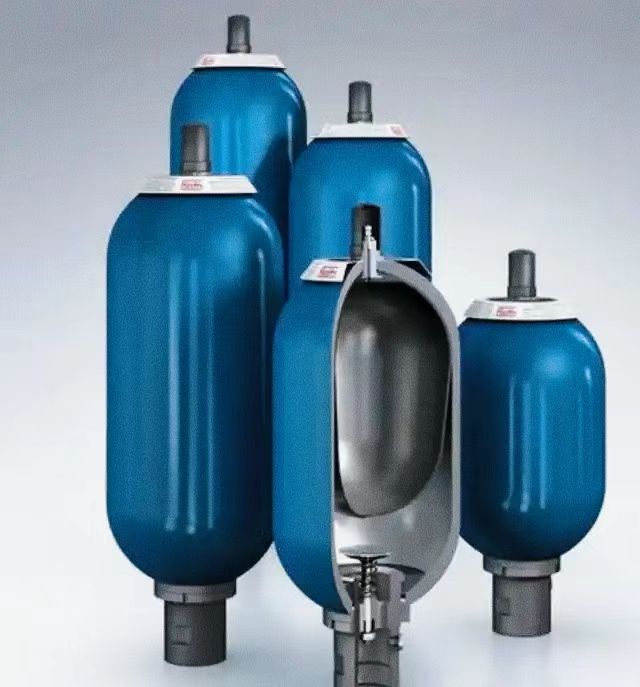
طبیعیات کا اصول براہ راست ہے۔ ہائیڈرولک بہاؤ BPM کی حد مقرر کرتا ہے: زیادہ بہاؤ کا مطلب ہے کہ پسٹن تیزی سے سائیکل کرتا ہے، جب تک کہ بریکر کی مکینیکل حدود حتمی کنٹرول نہ لے لیں۔ آپریٹنگ دباؤ طے کرتا ہے کہ ہر سائیکل میں مکمل توانائی کی ترسیل ہوتی ہے یا نہیں — ناکافی دباؤ کمزور اور سستے دھماکوں کا باعث بنتا ہے جو خالی فائر نہیں ہوتے لیکن عملی طور پر ان کے قریب ہوتے ہیں۔ اکومولیٹر اور بیک ہیڈ میں نائٹروجن کا دباؤ پسٹن کے واپسی کے سٹروک کی رفتار کو کنٹرول کرتا ہے۔ کم نائٹروجن کا مطلب ہے کہ پسٹن اگلے ہائیڈرولک پلس کو پکڑنے کے لیے کافی تیزی سے واپس نہیں آ سکتا، جس کی وجہ سے BPM کم ہو جاتی ہے اور وہ خاص ہوز کا کانپنا پیدا ہوتا ہے جسے تجربہ کار آپریٹرز فوراً پہچان لیتے ہیں۔ تمام تینوں عوامل کو ایک ساتھ درست ہونا ضروری ہے۔ ان میں سے ایک کو درست کرنا جبکہ دوسرے غلط ہوں، صحیح BPM پیدا نہیں کرتا — بلکہ صرف یہ بتاتا ہے کہ مسئلہ کہاں موجود ہے۔
اس کے علاوہ ایک بی پی ایم سیلنگ بھی ہوتی ہے جس بارے میں زیادہ تر آپریٹرز کبھی سوچتے بھی نہیں: درجہ بند شدہ زیادہ سے زیادہ فلو۔ اگر کیریئر بریکر کی درجہ بند شدہ زیادہ سے زیادہ فلو سے زیادہ فلو فراہم کرتا ہے تو یہ مکینیکل سیلنگ سے زیادہ بی پی ایم پیدا نہیں کرتا — بلکہ یہ زائد حرارت، سیل پر دباؤ اور جلدی خرابی پیدا کرتا ہے۔ ڈائیافرام علامت یہ ہوتی ہے کہ بریکر تیزی سے سائیکل کر رہا ہوتا ہے اور تیل کا درجہ حرارت غیرمعمولی طور پر جلدی بڑھ رہا ہوتا ہے۔ زیادہ فلو ایک مسئلہ ہے۔ یہ صرف کم فلو کے مقابلے میں کم عام مسئلہ ہے، اس لیے اس پر کم توجہ دی جاتی ہے۔
BPM کی چار علامات — وجہ، جانچ اور ایڈجسٹمنٹ
جدول میں وہ چار اثر کی شرح کی علامات درج ہیں جو سروس کے دوران ظاہر ہوتی ہیں، ان کے وقوع کی ترتیب کے مطابق۔ ہر قطار میں ممکنہ وجہ، ضروری جانچ، اور درست ایڈجسٹمنٹ بتائی گئی ہے — جس میں یہ بھی شامل ہے کہ کیا نہیں کرنا چاہیے، جو اکثر زیادہ اہم ہوتا ہے۔
عَرض |
ممکنہ وجہ |
جانچیں |
مطابقت |
درجہ بند شدہ کم سے کم BPM سے کم؛ آپریشن کے دوران ہوز کا کانپنا |
ایکومولیٹر یا بیک ہیڈ میں نائٹروجن کی کمی |
ایکومولیٹر کے نائٹروجن دباؤ کو چارجنگ کٹ کے ذریعے ا ambient درجہ حرارت (ٹھنڈی یونٹ، گرم نہیں) پر چیک کریں۔ OEM کی مخصوص شرائط کے مقابلے کریں |
خشک نائٹروجن کے ساتھ مخصوص شرائط کے مطابق دوبارہ چارج کریں۔ اگر دباؤ ایک ہفتے کے اندر دوبارہ کم ہو جائے تو، دوسری بار چارج کرنے سے پہلے دائرہ (ڈائیافراگم) کو ناکامی کے لیے معائنہ کریں |
BPM ریٹڈ حد سے کم ہے؛ ہوز کی کمپن نہیں ہو رہی ہے؛ تیل کا درجہ حرارت بڑھ رہا ہے |
کیریئر سے غیر کافی فلو — فلو بریکر کی حد سے کم ہے |
کیلبریٹڈ فلو میٹر کے ذریعے آپریٹنگ لوڈ کے تحت بریکر کے انلیٹ پر اصل ایکسیلری سرکٹ کے فلو کو ماپیں |
پمپ کی آؤٹ پٹ بڑھانے کے لیے انجن کے RPM بڑھائیں؛ فلو کی روک تھام کی جانچ کریں (فلٹر کا بند ہونا، شٹ آف والو کا جزوی طور پر بند ہونا)۔ کم فلو کی تلافی کے لیے ریلیف دباؤ نہ بڑھائیں — یہ دونوں آپس میں مستقل نہیں ہیں |
BPM غیر مستحکم ہے — تیز پھر سست؛ آؤٹ پٹ غیر مسلسل ہے |
کنٹرول والو کا استعمال شدہ ہونا یا تیل کا آلودہ ہونا جو والو ٹائمِنگ کو متاثر کر رہا ہو |
تیل کا نمونہ لیں؛ ذرات کی تعداد کے لیے تجزیہ (ISO 4406) کے لیے بھیجیں۔ تیل کے رنگ کا بصری معائنہ کریں — سیاہ تیل حرارتی خرابی کی علامت ہے |
اگر تیل آلودہ ہو تو اسے خالی کریں اور تازہ تیل سے تبدیل کریں؛ فلٹرز کو بھی تبدیل کریں۔ اگر تیل صاف ہو تو کنٹرول والو کی سروس کی ضرورت ہوتی ہے — جو کہ فیلڈ کا کام نہیں ہے |
بی پی ایم درجہ بندی شدہ زیادہ سے زیادہ سے زیادہ ہے؛ سیلز سے تیل رساں ہو رہا ہے یا تیل کا درجہ حرارت اچانک بڑھ رہا ہے |
بہاؤ کا زیادہ ہونا — کیریئر درجہ بندی شدہ زیادہ سے زیادہ بہاؤ سے زیادہ بہاؤ فراہم کر رہا ہے |
داخلی بہاؤ کو ماپیں۔ اگر یہ درجہ بندی شدہ زیادہ سے زیادہ سے زیادہ ہے تو یہ جانچیں کہ کیا کیریئر کا فلو ڈائیوائیڈر یا بریکر موڈ سیٹنگ فعال ہے اور درست طریقے سے کنفیگر کیا گیا ہے |
کیریئر کے معاون سرکٹ فلو کنٹرول والو یا بریکر موڈ سیٹنگ کے ذریعے بہاؤ کو درجہ بندی شدہ حد کے درمیانی نقطے تک کم کریں؛ بریکر کے زیادہ سے زیادہ بہاؤ سے زیادہ بہاؤ پر چلانا نہیں چاہیے |
پسٹن اسٹروک ایڈجسٹمنٹ جو زیادہ تر آپریٹرز کو معلوم نہیں ہوتی
کچھ بریکر ماڈلز — خاص طور پر کئی ایشیائی صانعین کے درمیانی درجے کے یونٹس اور کچھ جِیانگٹو ماڈلز — میں، بی پی ایم (BPM) کو بہاؤ یا دباؤ کی ترتیبات کے بغیر ایک سلنڈر اسٹروک ایڈجسٹر کے ذریعے مکینیکلی ایڈجسٹ کیا جا سکتا ہے۔ یہ ایڈجسٹر پستون کی اسٹروک لمبائی کو تبدیل کرتا ہے: مکمل طور پر ٹائٹ کیا ہوا ایڈجسٹر زیادہ سے زیادہ اسٹروک اور کم سے کم بی پی ایم (BPM) پیدا کرتا ہے؛ جبکہ اسے تقریباً دو موڑ لگا کر ڈھیلا کرنا کم سے کم اسٹروک اور زیادہ سے زیادہ بی پی ایم (BPM) پیدا کرتا ہے۔ اس طریقہ کار کے ذریعے امپیکٹ توانائی اور بی پی ایم (BPM) ایک دوسرے کے خلاف متوازن ہوتے ہیں — چھوٹی اسٹروک زیادہ بار بار مار کرتی ہے لیکن ہر ضرب میں کم طاقت کے ساتھ، جو نرم یا دراڑ والی مواد کے لیے مفید ہوتی ہے جہاں آپ کو گہرائی کی بجائے رفتار کی ضرورت ہوتی ہے۔
عملی اثر یہ ہے کہ اگر ایک بریکر درست بہاؤ، دباؤ اور نائٹروجن کے باوجود متوقع BPM سے کم کارکردگی کا مظاہرہ کر رہا ہو تو اس کا اسٹروک ایڈجسٹر فیکٹری میں زیادہ سے زیادہ اسٹروک کی حالت میں سیٹ کیا گیا ہو سکتا ہے — یہ اصلی ترسیل کی ترتیب ہے۔ اسے ایک گھوماؤ کم کرنا اور دوبارہ جانچنا ایک تیس سیکنڈ کی جانچ ہے جو بغیر ہائیڈرولک سرکٹ کو چھےے بغیر فریکوئنسی میں 30–40 فیصد اضافہ کر سکتی ہے۔ ہر بریکر ماڈل میں یہ ایڈجسٹر موجود نہیں ہوتا۔ فٹنگ تلاش کرنے سے پہلے مخصوص ماڈل کی سروس مینوئل کی جانچ کر لیں — ان ماڈلز میں جن میں یہ ایڈجسٹر نہیں ہوتا، وہاں یا تو یہ فٹنگ موجود نہیں ہوتی یا پھر یہ ایک مستقل پلگ ہوتی ہے، اور اس کی ایڈجسٹمنٹ کی کوشش کرنا بریکر باڈی کو نقصان پہنچا سکتی ہے۔
میدان میں بی پی ایم کا شمار کرنا بڑے بریکرز پر آسان ہے — انفرادی ضربیں اتنی سست ہوتی ہیں کہ انہیں تیس سیکنڈ تک دستی طور پر گننا ممکن ہے اور پھر دو سے ضرب دے دی جاتی ہے۔ 700 بی پی ایم سے زیادہ فریکوئنسی والی چھوٹی اکائیوں پر، کان سے شمار کرنا قابل اعتماد نہیں ہوتا۔ عملی متبادل یہ ہے کہ اسمارٹ فون ویڈیو پر بریکر کے کام کرنے کو ریکارڈ کیا جائے، پھر ریکارڈنگ کو فریم کے بعد فریم کے ذریعے دیکھا جائے تاکہ ایک معلوم وقتی ونڈو میں ضربوں کا شمار کیا جا سکے۔ اس میں پانچ منٹ لگتے ہیں۔ یہ اسپیسفیکیشن شیٹ میں درج درجہ بندی شدہ حد کے مقابلے کے لیے 'جاری/غیر جاری' موازنہ کے لیے کافی درست ہے۔ اگر شمار کی گئی تعداد درجہ بندی شدہ حد کے اندر ہو اور بریکنگ آؤٹ پٹ اب بھی ناقص ہو، تو مسئلہ بی پی ایم نہیں ہے — بلکہ یہ اثری توانائی ہے، جو دباؤ اور نائٹروجن کا سوال ہے، نہ کہ بہاؤ کا۔


