

 EN
EN
 AR
AR CS
CS DA
DA NL
NL FI
FI FR
FR DE
DE EL
EL IT
IT JA
JA KO
KO NO
NO PL
PL PT
PT RO
RO RU
RU ES
ES SV
SV TL
TL IW
IW ID
ID LV
LV SR
SR SK
SK VI
VI HU
HU MT
MT TH
TH TR
TR FA
FA MS
MS GA
GA CY
CY IS
IS KA
KA UR
UR LA
LA TA
TA MY
MY
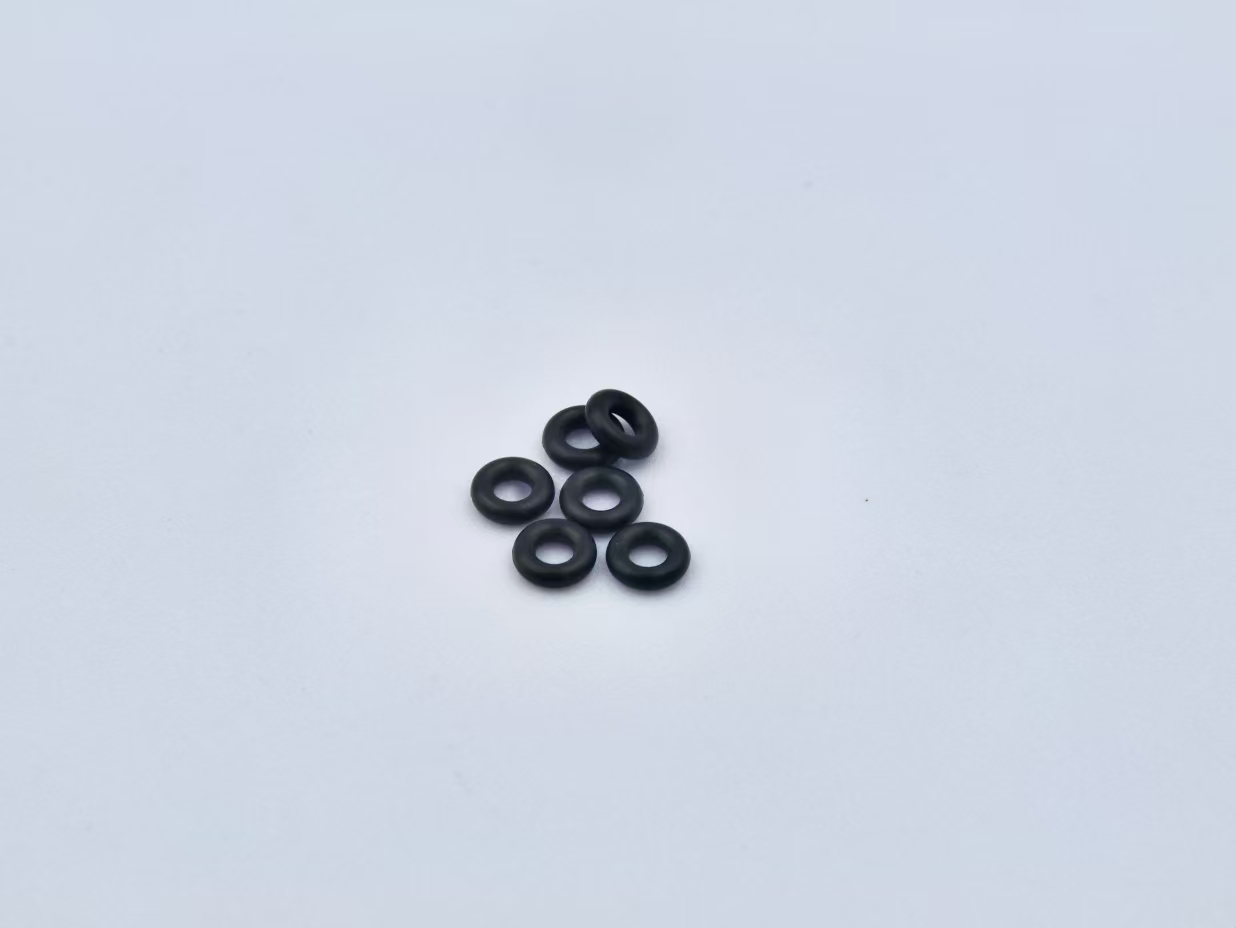
Conveyor systems form the arterial network of mining, aggregate, agriculture, and bulk material handling industries. They move millions of tons of material annually, and their reliability is foundational to plant throughput. A critical, yet often overlooked, component of this reliability is the humble seal on idler rollers, drive shafts, and transfer points. These seals perform a dual mission: retaining lubricating grease within bearings and excluding abrasive contaminants (dust, grit, moisture) from the bearing chamber. Failure leads to rapid bearing wear, seized rollers, torn belts, and costly unplanned downtime.
The operating environment dictates the seal material. The primary enemy is three-body abrasion, where hard particles become trapped between the sealing lip and the shaft, acting like a grinding wheel. Nitrile (NBR) and Chloroprene (CR or Neoprene) are the two most common elastomers chosen for this battle, each with distinct advantages.
Nitrile (NBR): The industry standard for general-purpose sealing. Its key strengths are excellent resistance to petroleum-based greases and oils, good mechanical properties (tensile strength, tear resistance), and cost-effectiveness. For most conveyor applications using standard lithium or calcium complex greases, NBR is perfectly adequate. Its abrasion resistance is good, but it can be compromised by constant exposure to ozone and weathering in outdoor installations.
Chloroprene (CR): This material offers a compelling alternative. It possesses mechanical properties similar to NBR but significantly outperforms it in resistance to ozone, weathering, and moderate flames. CR also has better resistance to aging and flex-cracking when exposed to sunlight and atmospheric elements. Furthermore, it handles a broader range of chemicals, offering better resistance to mild acids and alkalis sometimes present in processed materials (e.g., phosphate rock, certain ores). Its weakness is inferior resistance to petroleum-based oils and fuels compared to NBR, though it performs well with many synthetic lubricants and fire-resistant hydraulic fluids (HFC, HFD).
Selection by Conveyor Type:
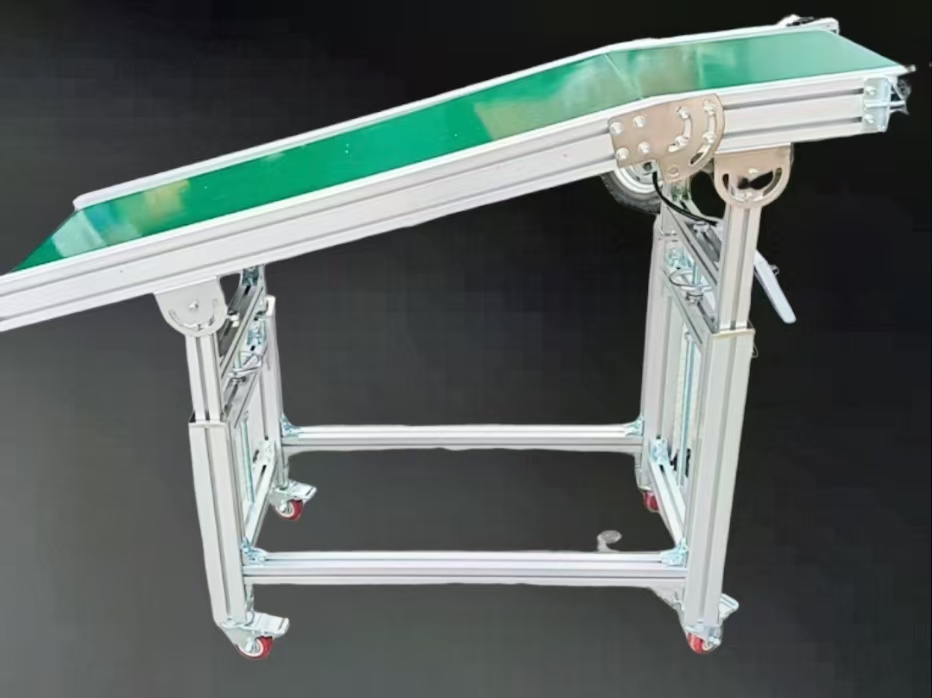
1. Belt Conveyor Idler Rollers: These are the most numerous sealing points. Seals face constant dust clouds. Standard practice is to use labyrinth-style contact seals or multi-lip seals made from NBR or CR. In extremely wet or corrosive environments (e.g., coastal salt spray in the Philippines, acidic dust in some Indian mines), CR is preferred for its environmental resistance. Many idlers now feature polymer-based non-contact labyrinth seals for ultimate life, with an inner NBR contact seal as a final barrier.
2. Screw Conveyor Shaft Seals: These seals contain the conveyed material within the trough. Abrasion is high, and there may be moisture. CR is often the better choice due to its all-around environmental resilience. For food-grade applications, specific FDA-approved NBR compounds are used.
3. Scraper/Chain Conveyor Joints and Drive Sprockets: Subject to impact, misalignment, and heavy loads. A tougher, highly compounded NBR with a higher durometer (90 Shore A) or a fabric-reinforced lip is typically specified to resist cutting and tearing.
A successful maintenance strategy goes beyond material choice. Operations in the USA (coal), India (iron ore), and the Philippines (nickel) have implemented best practices:
· Centralized Lubrication with Purge Function: Automated grease systems not only lubricate but also create a positive pressure barrier, pushing contaminant-laden old grease out past the seal lips.
· Seal and Bearing Kits: Standardizing seal/bearing combinations for each idler type streamlines changeouts during planned maintenance stops.
· Condition Monitoring: Using vibration analysis or thermal imaging to identify idlers with failing bearings (often due to seal failure) before they cause a secondary belt damage event.
Data from a major US aggregate producer showed that switching from a basic single-lip NBR seal to a dual-lip CR seal with a grease purge groove on their main overland conveyor increased mean time between failure (MTBF) for idler rollers from 8 months to over 24 months, delivering a clear return on investment through reduced labor and belt repair costs.


