33-99No. Mufu E Rd. Gulou District, Nanjing, China [email protected] | [email protected]
33-99No. Mufu E Rd. Gulou District, Nanjing, China [email protected] | [email protected]
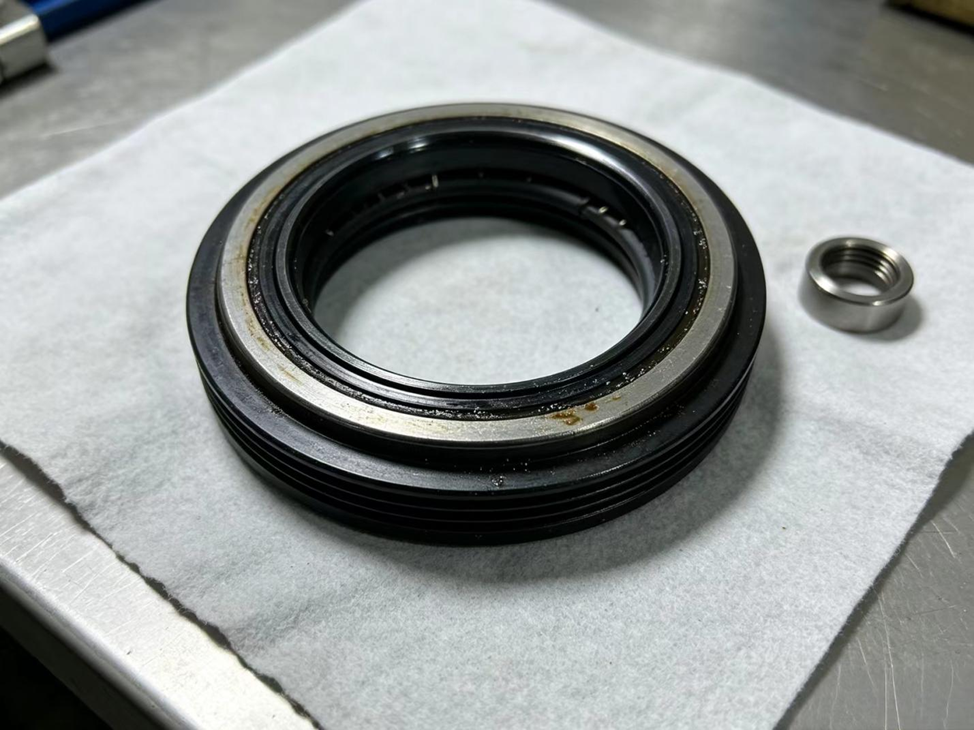
A rotation motor shaft seal spends its entire service life in one continuous state: a flexible lip pressed against a shaft that never stops turning while the drill is running. That constant sliding contact, combined with exposure to the motor's case...
VIEW MORE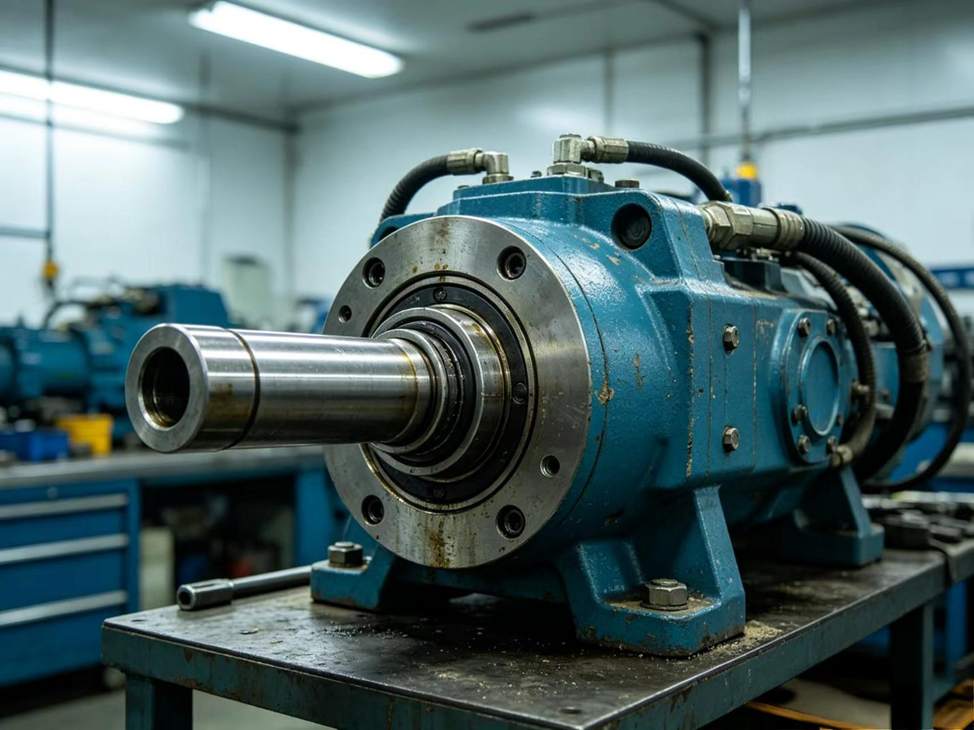
The hydraulic motor that rotates a rock drill's shank adapter has an output shaft spinning continuously inside a case full of lubricating oil, and a small rubber seal is all that keeps that oil from working its way out along the shaft. This seal see...
VIEW MORE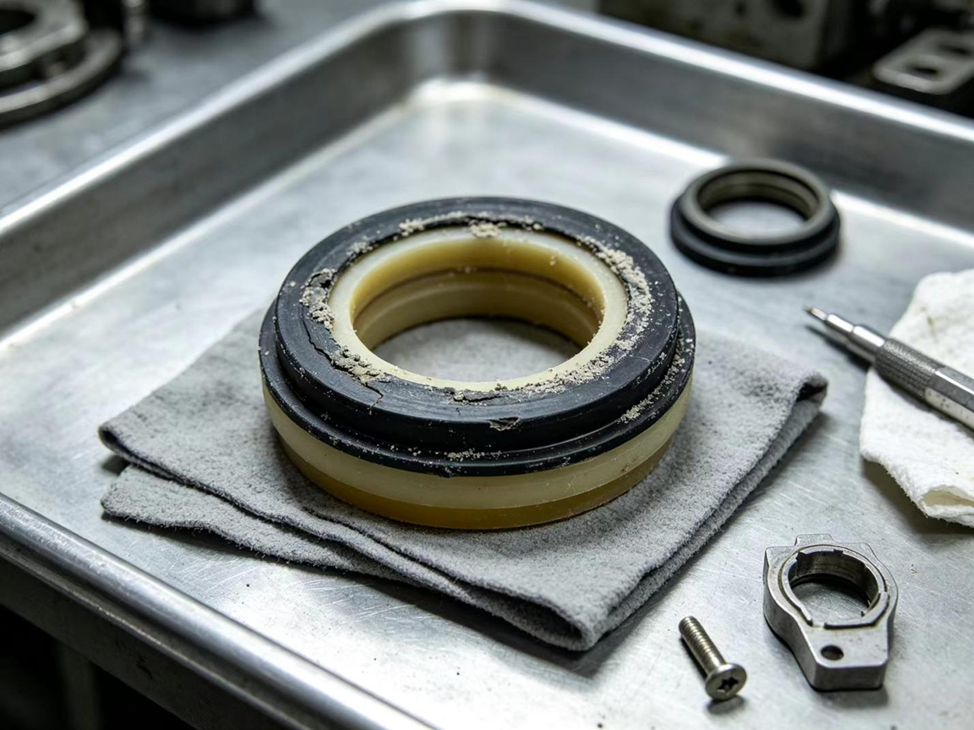
A rock drill dust seal has a narrower job than most other seals on the machine — it excludes contamination rather than holding back pressurized fluid — but that narrower job still comes with its own material demands. This article looks a...
VIEW MORE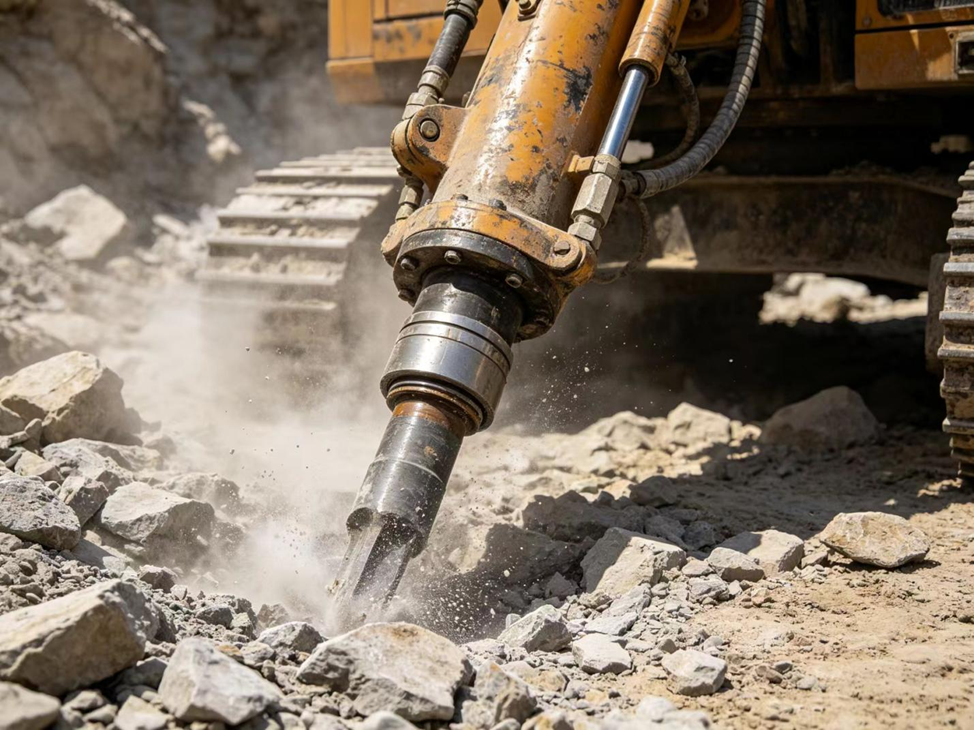
A hydraulic rock drill's front head has to keep two very different things in the right place at the same time: flushing water and lubricating oil have to stay in, and drilling dust and debris have to stay out. The cup seal handles the first job. The...
VIEW MORE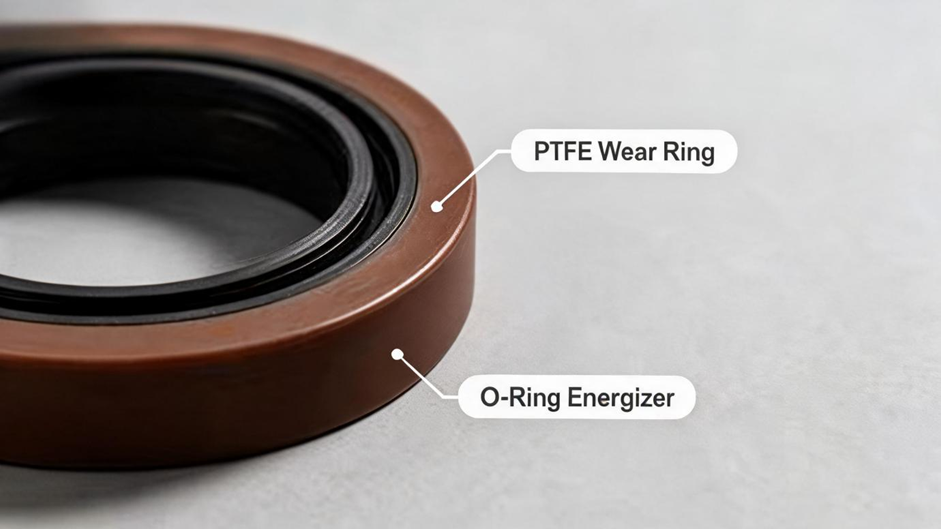
A Glyd Ring or Step Seal is really two materials working together: a rigid PTFE wear ring and a rubber O-ring energizer underneath it. Most of the conversation around these seals focuses on their shape, but the specific PTFE compound and O-ring mater...
VIEW MORE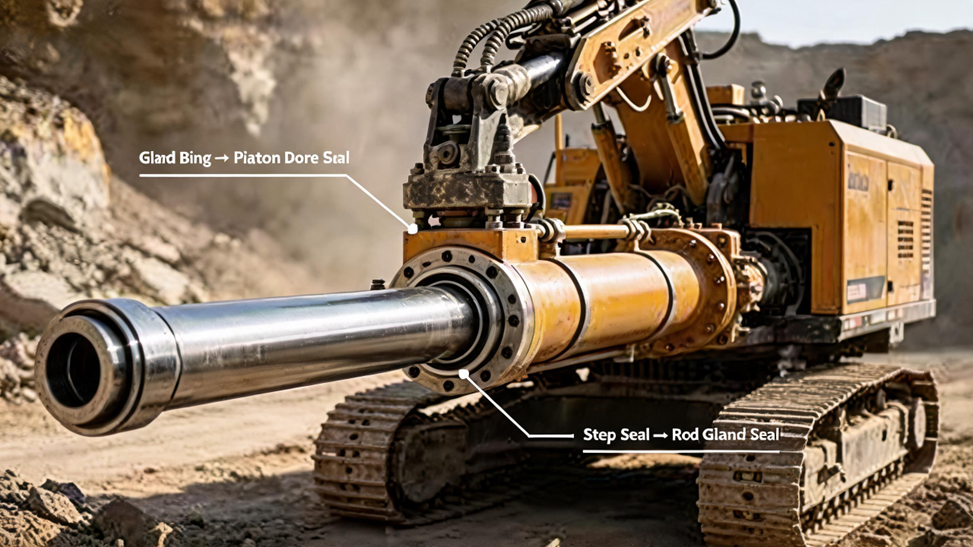
Behind every rock drill rig's feed system, boom, and other hydraulic actuators sits a pair of seal designs that look almost identical at first glance but do their jobs in different places for different reasons: the Glyd Ring and the Step Seal. Both c...
VIEW MORE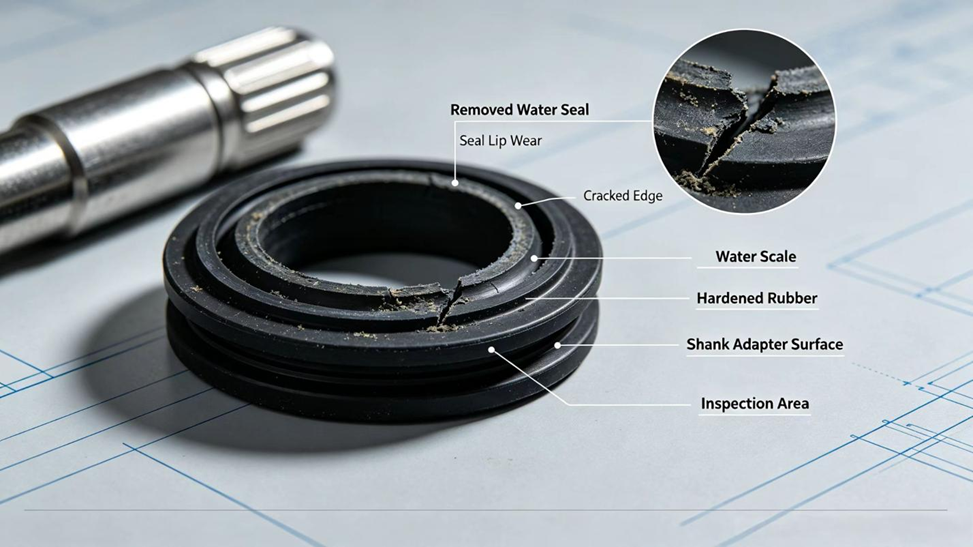
A rock drill's cup seal has an unusual job for an elastomer part: it has to hold back flushing water while riding against a shank adapter that is rotating and hammering at the same time, often for thousands of hours before replacement. The material i...
VIEW MORE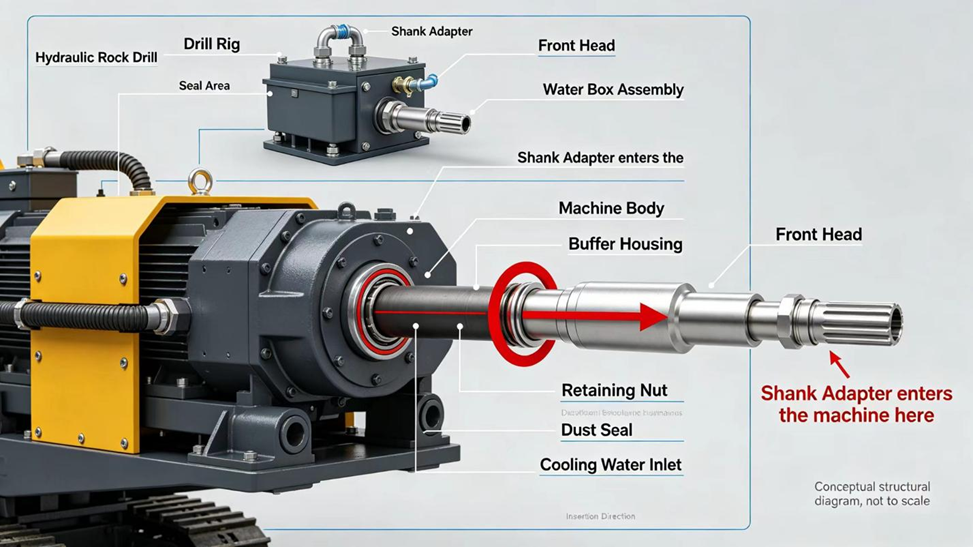
Every hydraulic rock drill that flushes its hole with water depends on a small ring of elastomer to keep that water where it belongs. The cup seal sits at the point where a rotating, hammering shank adapter passes through the drill's front head, and ...
VIEW MORE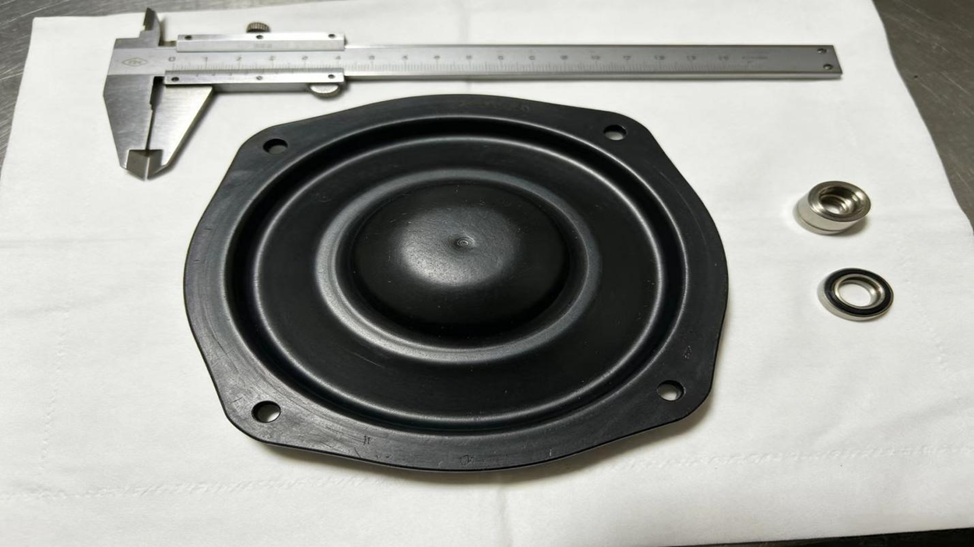
Every hydraulic rock drill accumulator relies on a diaphragm to separate its nitrogen gas charge from the hydraulic oil circuit, and that diaphragm is molded from a specific elastomer or thermoplastic compound. The material choice is not incidental...
VIEW MORE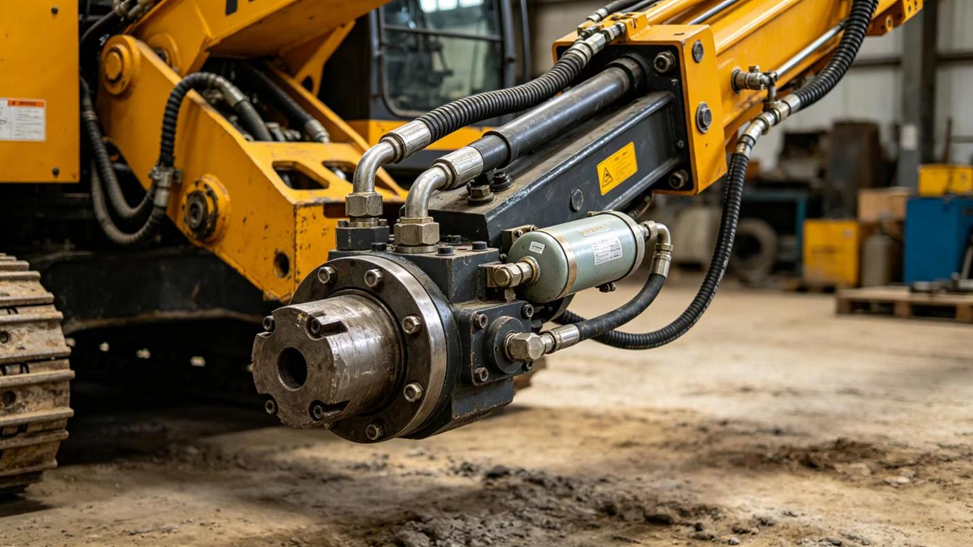
A hydraulic rock drill relies on a small, easily overlooked component to keep its percussion system smooth and efficient: the accumulator diaphragm. When it is working correctly, most operators never think about it. When it fails, impact energy dr...
VIEW MORE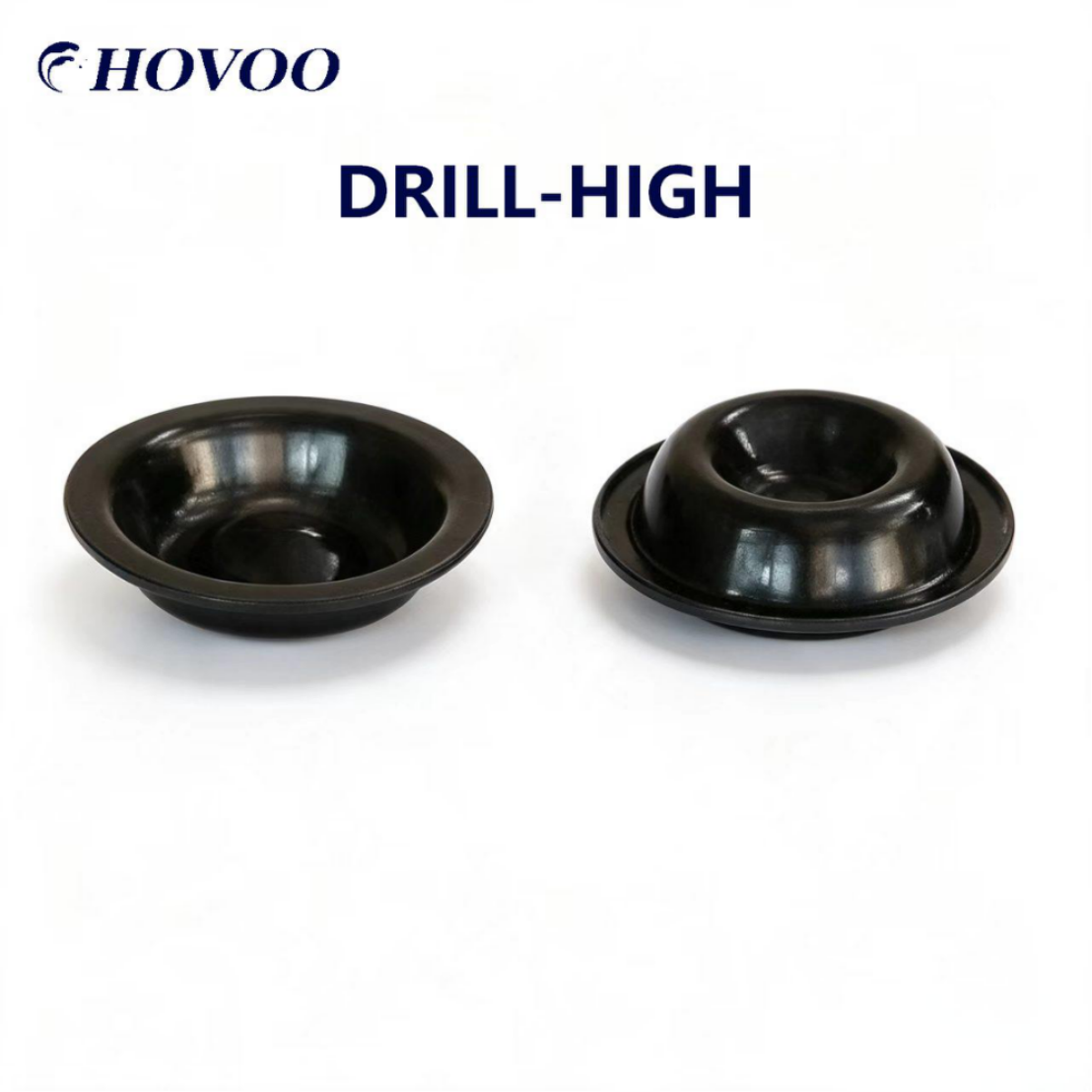
Designed for adaptive variable-pressure surface drilling, the Everdigm DRILL-HIGH and DRILL-LOW rock drills are intelligent dual-mode drilling units tailored for modern quarrying and civil construction projects. This dual-setup drilling system allows...
VIEW MORE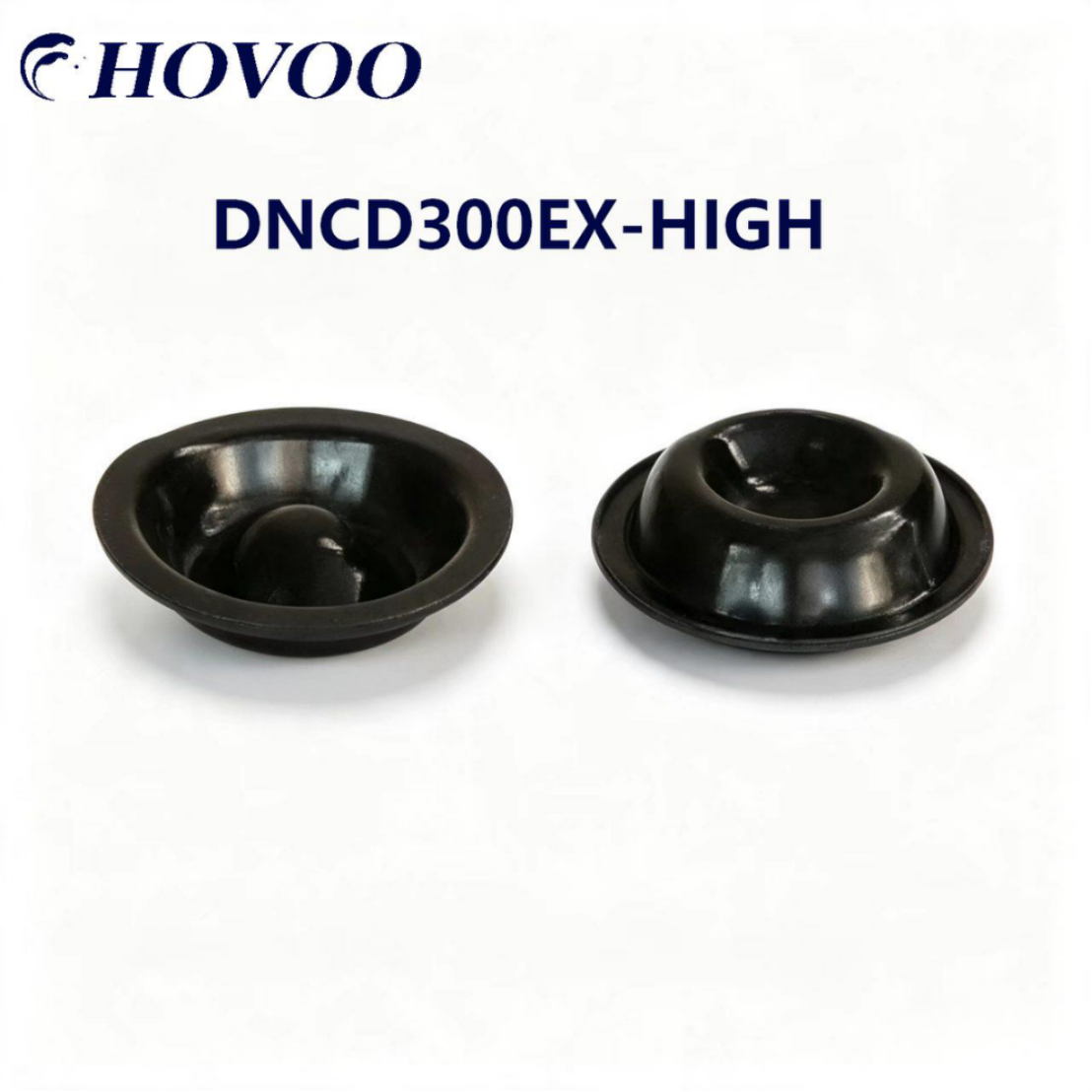
Engineered for adaptive surface drilling and open-pit quarry operations, ETC DNCD300EX-HIGH, DNCD300EX-LOW and TR210 rock drills are versatile industrial drilling equipment built for variable pressure working environments. The DNCD300EX dual-version ...
VIEW MORE
Welcome to HOVOO, a Chinese seal factory. Production of PU, Rubber and PTFE seals. The seals include O-ring, piston seal, rod seal, Gray ring and gas seal.


 EN
EN
 AR
AR CS
CS DA
DA NL
NL FI
FI FR
FR DE
DE EL
EL IT
IT JA
JA KO
KO NO
NO PL
PL PT
PT RO
RO RU
RU ES
ES SV
SV TL
TL IW
IW ID
ID LV
LV SR
SR SK
SK VI
VI HU
HU MT
MT TH
TH TR
TR FA
FA MS
MS GA
GA CY
CY IS
IS KA
KA UR
UR LA
LA TA
TA MY
MY
