

 EN
EN
 AR
AR CS
CS DA
DA NL
NL FI
FI FR
FR DE
DE EL
EL IT
IT JA
JA KO
KO NO
NO PL
PL PT
PT RO
RO RU
RU ES
ES SV
SV TL
TL IW
IW ID
ID LV
LV SR
SR SK
SK VI
VI HU
HU MT
MT TH
TH TR
TR FA
FA MS
MS GA
GA CY
CY IS
IS KA
KA UR
UR LA
LA TA
TA MY
MY
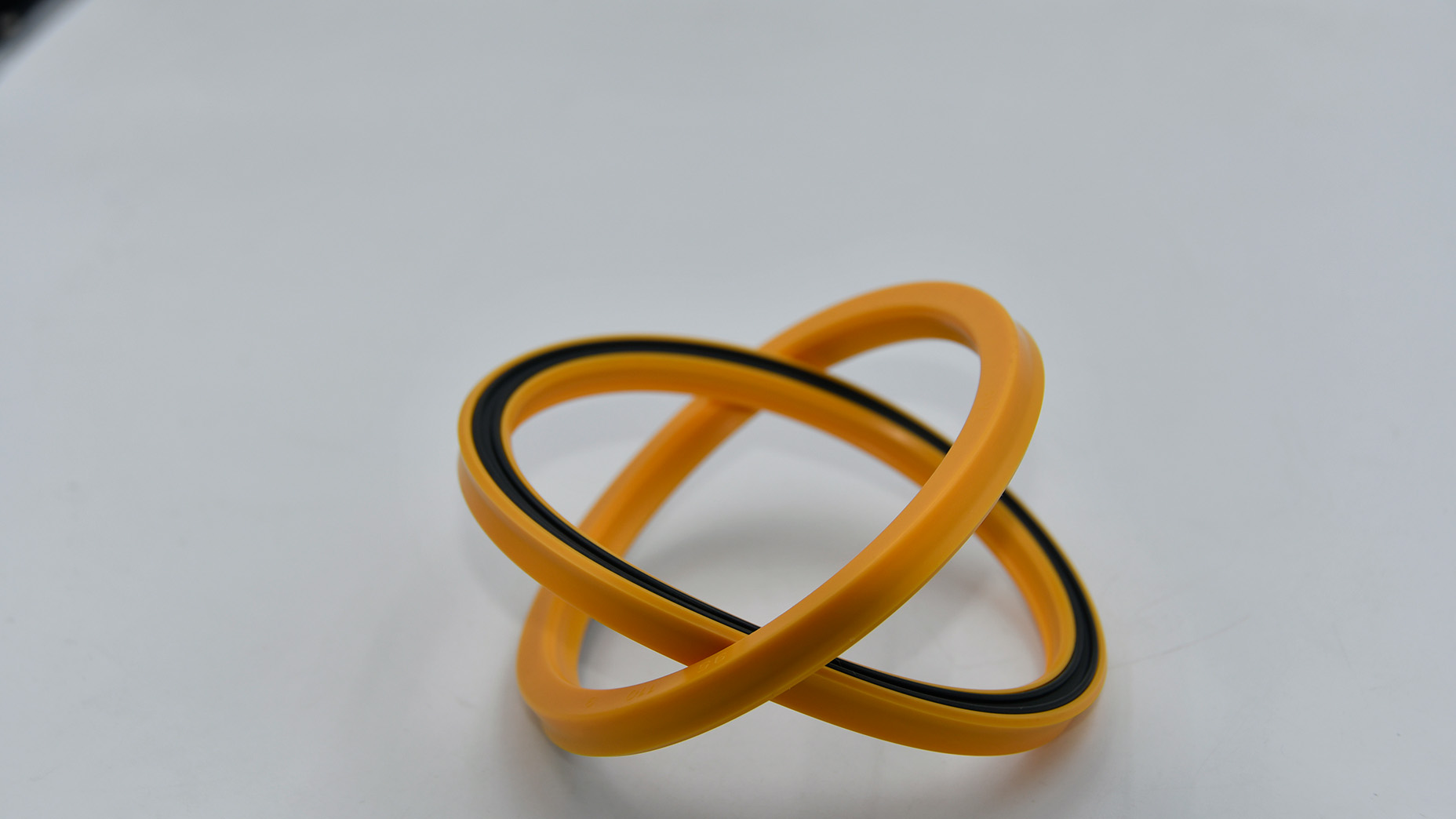
Selecting the wrong U‑seal leads to leakage at best and catastrophic system failure at worst. Faced with dozens of material grades, cross‑section dimensions, and hardness values, engineers often fall back on “rules of thumb” or become paralyzed by data overload. This article structures the selection process into seven actionable steps, presented in a question‑and‑answer format.
Q1: Should I Choose Material or Size First?
A: Groove first, material second.
International standards (ISO 5597, DIN 3771, etc.) define the installation space for a U‑seal: groove length L, radial depth t, and bottom corner radius. You must select a seal whose cross‑section fits that space. Only then do you screen available materials by operating conditions. For non‑standard grooves, you must supply: shaft/ bore diameter, groove diameter, groove width, working pressure, temperature, and fluid type.
Q2: How Do I Match Material to Fluid?
· Mineral hydraulic oil: NBR (general), PU (wear‑critical), FKM (high temperature)
· Water‑glycol fire‑resistant fluid: PU or EPDM (NBR swells)—the search term “PPDI seal for water‑based media” confirms that PPDI polyurethane far outlasts ordinary PU in such fluids.
· Phosphate ester fire‑resistant fluid: FKM or EPDM mandatory (NBR swells rapidly)
· Air / dry gas: PU or NBR (low‑friction coating beneficial)
Q3: How Do Pressure and Speed Influence Choice?
· Low pressure (<10 MPa): Any material; focus on friction and low‑temperature behaviour.
· Medium pressure (10–25 MPa): PU or NBR; anti‑extrusion rings may be required.
· High pressure (25–50 MPa): PPDI polyurethane or filled PTFE composites; backup rings essential.
· High speed (0.5 m/s): Low‑friction modified PU or PTFE‑coated U‑seals; groove surface finish Ra ≤ 0.2 μm.

Q4: What Do Those Standard Codes Mean?
Standard Region/Org Cross‑Section Range Hot Search Regions
ISO 5597 International 1.8–13 mm France, USA
DIN 3771 Germany 2–14 mm France
GB/T 3452.1 China 1.8–8.6 mm Taiwan
JIS B 2401 Japan 1.9–8.4 mm Japan
Selection Mnemonic (Chinese → English):
First the groove, then the pressure; media and temperature decide the material.
Standards save money; non‑standard needs careful validation.


