

 EN
EN
 AR
AR CS
CS DA
DA NL
NL FI
FI FR
FR DE
DE EL
EL IT
IT JA
JA KO
KO NO
NO PL
PL PT
PT RO
RO RU
RU ES
ES SV
SV TL
TL IW
IW ID
ID LV
LV SR
SR SK
SK VI
VI HU
HU MT
MT TH
TH TR
TR FA
FA MS
MS GA
GA CY
CY IS
IS KA
KA UR
UR LA
LA TA
TA MY
MY
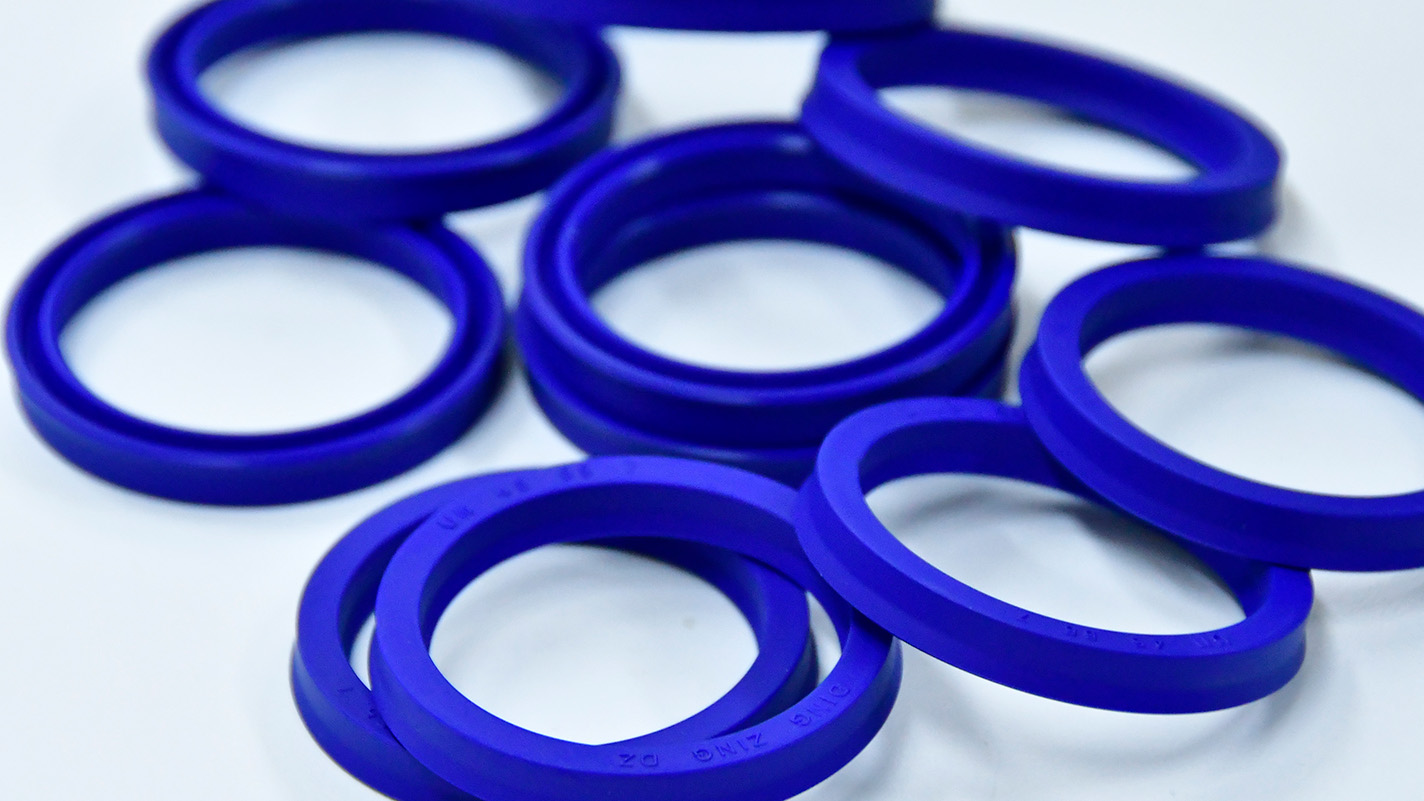
U‑seals are classified by their installation target as hole‑type (piston seal) or shaft‑type (rod seal). Although they look similar, their structure, pressure distribution, and failure modes are fundamentally different. Installing the wrong type—or installing the correct type backwards—results in immediate leakage or catastrophic extrusion. This article clarifies the differences from three perspectives: mechanics, groove design, and product identification.
1. Core Difference: Lip Orientation and Pressure Action
· Hole‑type U‑seal: The outer lip performs the sealing function; the inner diameter seats against the groove bottom. Pressure acts between the two lips, forcing the outer lip against the cylinder bore. Lip opening faces the rod‑side (unpressurized side).
· Shaft‑type U‑seal: The inner lip performs the sealing function; the outer diameter seats against the groove outer wall. Pressure forces the inner lip against the rod surface. Lip opening faces the piston‑side (pressurized side).
Simple Rule: Hole‑type = outer lip works; Shaft‑type = inner lip works.
2. Groove Dimension Differences (per ISO 5597)
Parameter Hole‑type (Piston) Shaft‑type (Rod)
Groove bottom dia. Equal to seal I.D. Larger than seal O.D.
Groove outer dia. Smaller than bore I.D. Equal to seal O.D.
Backup ring location Low‑pressure side High‑pressure side
Common failure Extrusion into radial gap Lip wear, roll‑over
3. Quick Identification Methods
1. Read the label: UHPR = hole; UHSR = shaft; UUNI = universal.
2. Look at the cross‑section: Hole‑type has a longer, sharper outer lip; shaft‑type has a more prominent inner lip.
3. Squeeze with fingers: Hole‑type—radial compression closes the outer lip first; Shaft‑type—closes the inner lip first.
4. Misconceptions Behind Hot Search Terms
· “Hydraulic U‑seal size matching standard” (230K monthly searches, South Africa): Many users supply only bore/rod diameter but omit groove dimensions, causing mis‑identification.
· The very existence of “Hole Type vs Shaft Type U‑Seals: What's the Core Difference?” in Sheet1 confirms this is a globally confusing topic.
Conclusion:
Next time you pick up a U‑seal and aren't sure it's the right one, don't return it immediately. Check whether it's destined for a piston or a rod, orient the lip correctly, and it may still give you thousands of hours of service.


