

 EN
EN
 AR
AR CS
CS DA
DA NL
NL FI
FI FR
FR DE
DE EL
EL IT
IT JA
JA KO
KO NO
NO PL
PL PT
PT RO
RO RU
RU ES
ES SV
SV TL
TL IW
IW ID
ID LV
LV SR
SR SK
SK VI
VI HU
HU MT
MT TH
TH TR
TR FA
FA MS
MS GA
GA CY
CY IS
IS KA
KA UR
UR LA
LA TA
TA MY
MY
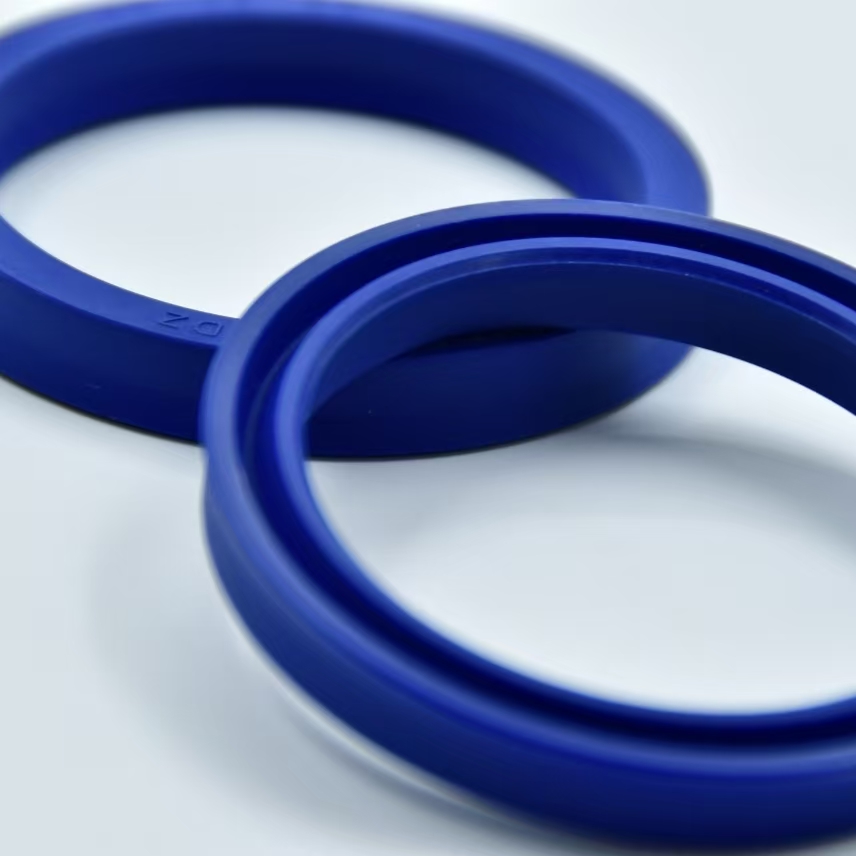
Amid the loud noise of a hydraulic breaker,
with dust and debris flying all around,
a simple sealing system quietly keeps this steel giant alive.
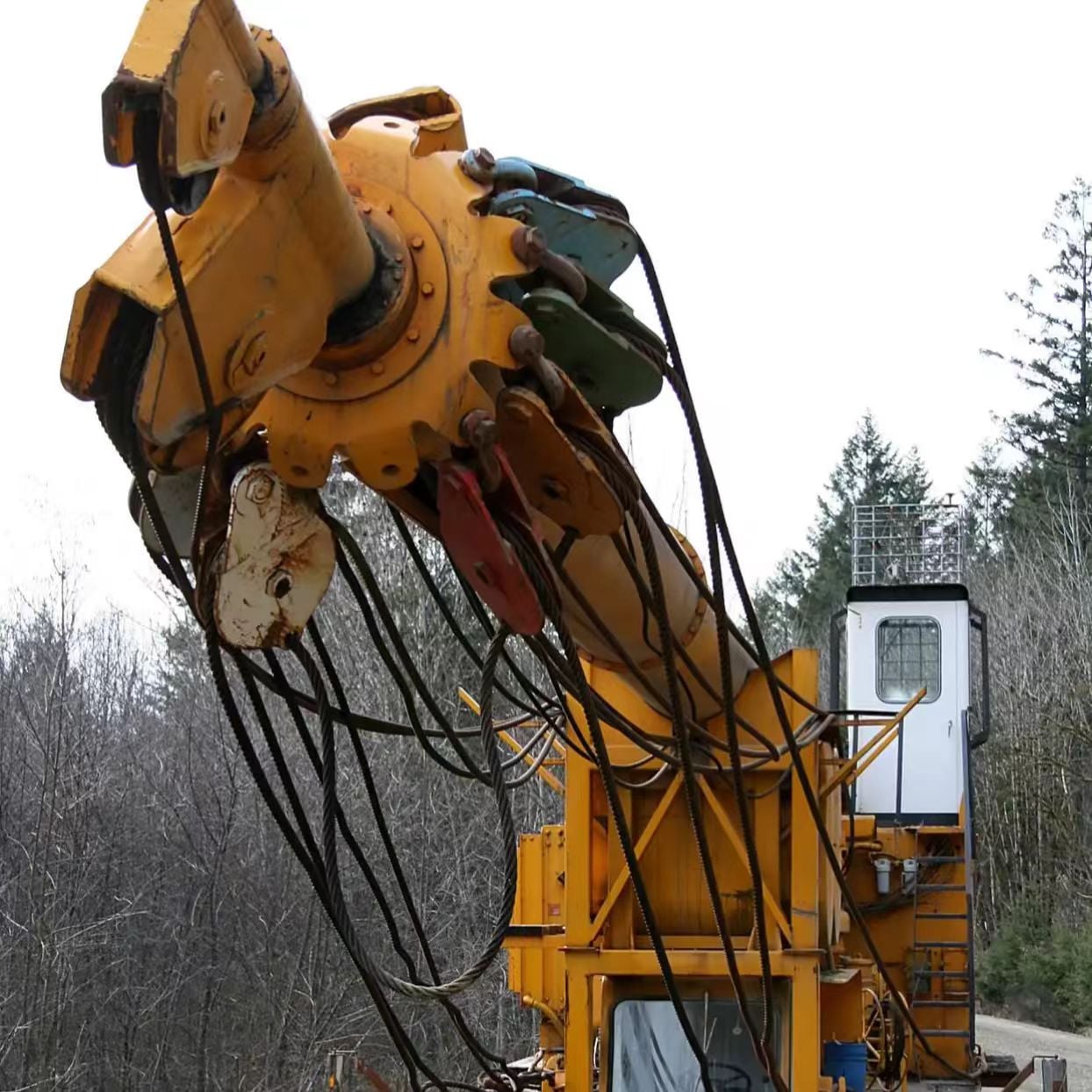
Oil seals are ring-shaped parts.
They work as hidden heroes.
They separate the inside from the outside.
They protect the cleanness and efficiency of the hydraulic system.
Choosing materials like PPDI polyurethane and PTFE
shows how modern materials science enters real industrial use.
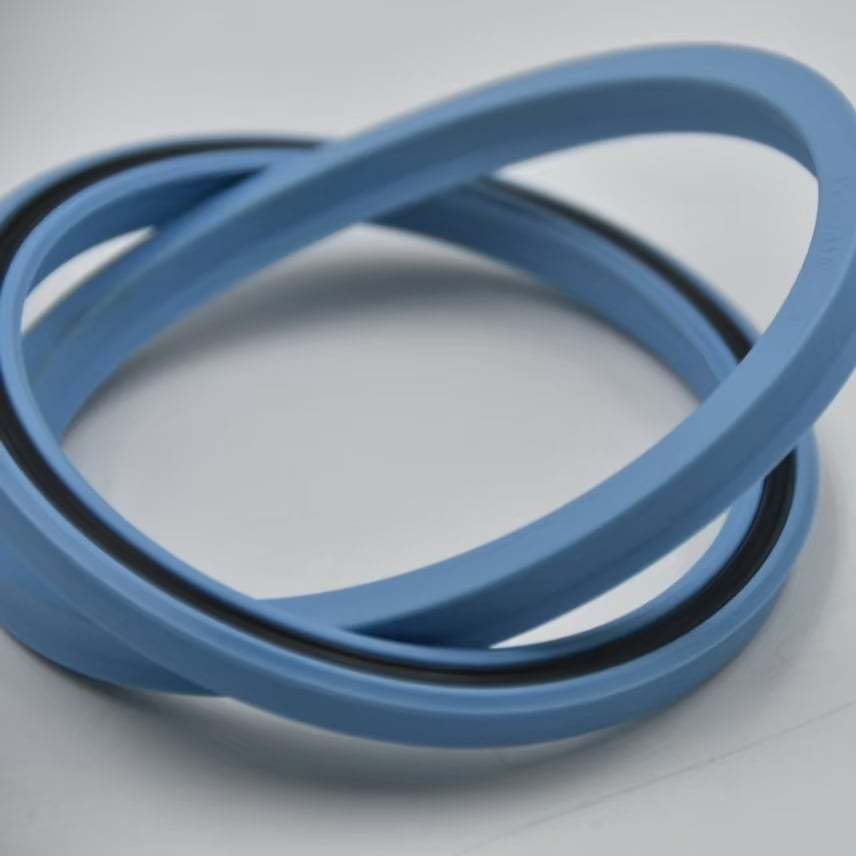
I. Why Oil Seals Matter in Breakers
A hydraulic breaker works by turning steady hydraulic energy
into high‑frequency impacts of the piston against the chisel.
This process involves:
· Extreme pressure – oil pressure can suddenly reach tens or even hundreds of megapascals.
· High‑speed motion – the piston hits several times per second, wearing out seals continuously.
· Harsh surroundings – dust, mud, and debris are constant threats.
· Temperature changes – oil heats up from friction and cools down outside.
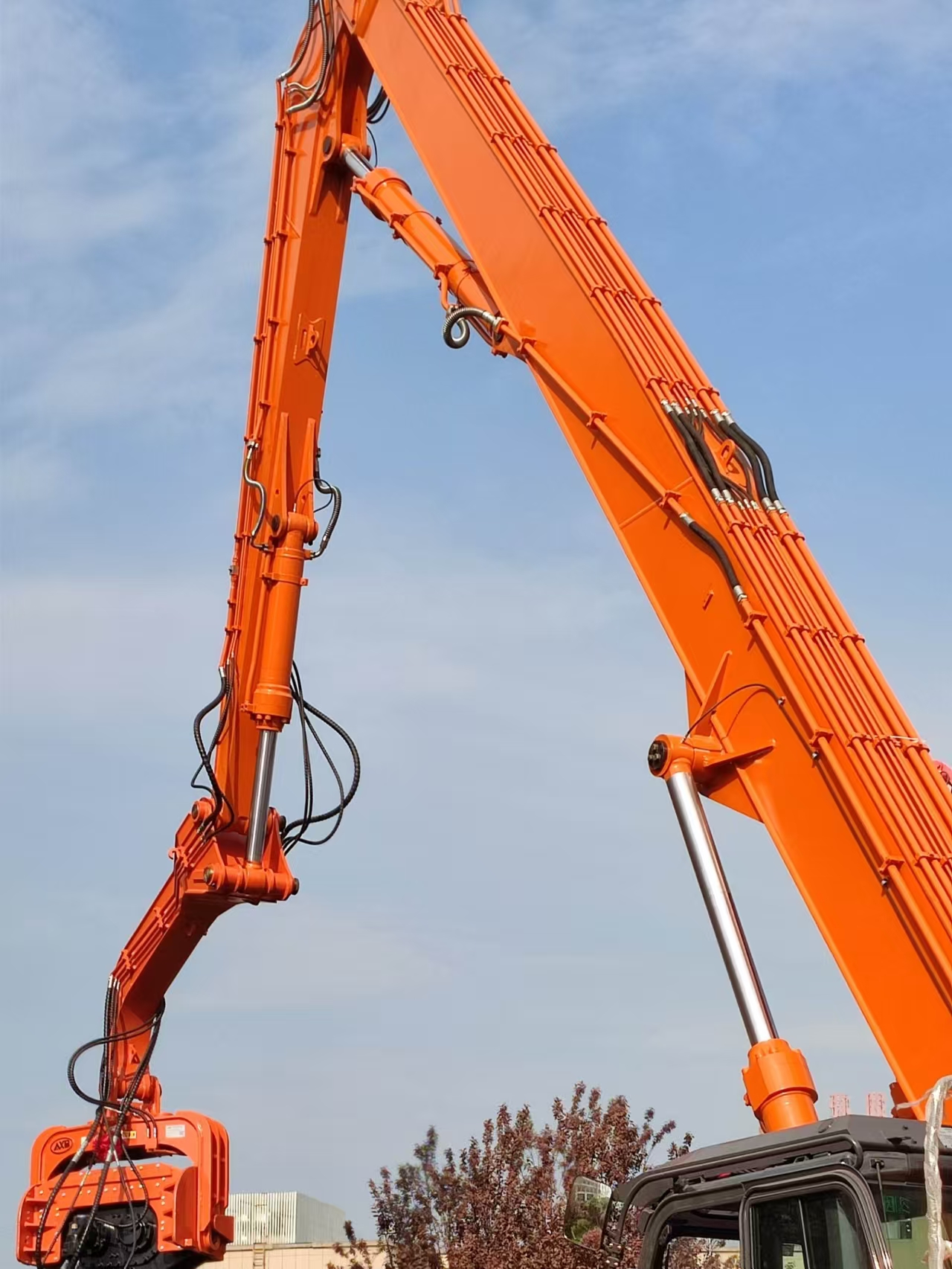
Under these tough conditions,
the oil seal system has three main jobs:
1. Keep pressure, stop leaks – make sure high‑pressure oil drives the piston as intended.
Any internal leak reduces impact power and wastes energy.
2. Block contaminants – firmly keep dirt, grit, and moisture out of the precise hydraulic system.
This avoids valve sticking, oil turning milky, and part wear.
3. Stabilize and cushion – absorb and soften the vibration when the piston changes direction.
This protects mechanical parts and makes operation smoother.
If any seal fails,
performance drops suddenly,
repair downtime follows,
and critical parts may even get damaged one after another.
So oil seals are not minor accessories—
they are key subsystems that decide how reliable, efficient, and long‑lasting a breaker can be.
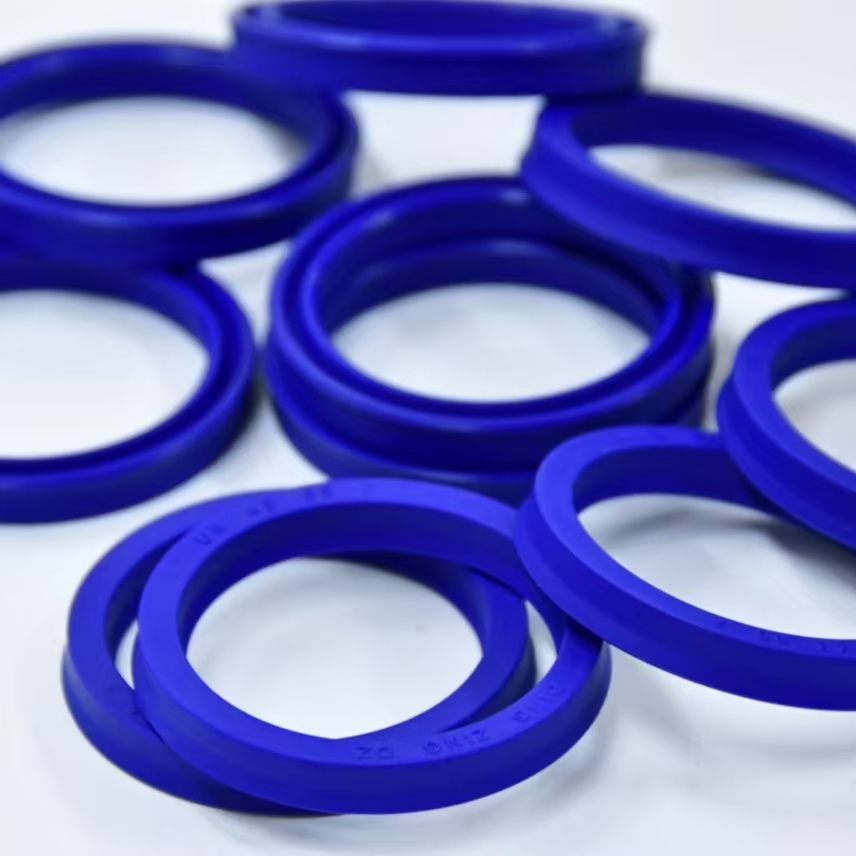
II. Material Know‑How: What PPDI Polyurethane and PTFE Bring
Regular rubber or standard plastics just can’t handle these challenges.
The combination of PPDI polyurethane and PTFE offers targeted solutions.
1. PPDI Polyurethane – used in main seals, buffer rings, wiper seals
Seals made of PPDI polyurethane are the backbone
that withstands dynamic hydraulic pressure and mechanical stress.
Their core strengths:
· Strong mechanical properties – far better tensile strength, tear resistance, and wear resistance than ordinary rubber.
Especially in oil that carries tiny hard particles,
they resist abrasive wear outstandingly—a must for breaker conditions.
· Good hydrolysis resistance – compared to other polyurethanes (like TDI and MDI),
the PPDI structure is more chemically stable.
It effectively resists hydrolysis from moisture in oil or hot, humid environments,
so the seal lasts longer.
· Great pressure resistance and resilience – stays stable under high pressure,
springs back quickly.
This ensures the main seal keeps good contact during high‑speed piston movement,
giving reliable dynamic sealing.
· Wide temperature tolerance – works steadily across the typical breaker range (about –30°C to +100°C).
That’s why:
· Main seals made of PPDI polyurethane form the primary barrier against internal oil leaks.
· Buffer rings use their high elasticity and strength to dampen pressure spikes and mechanical vibration.
· Wiper seals, thanks to superior wear resistance, act as tough shields against outside solid contaminants.
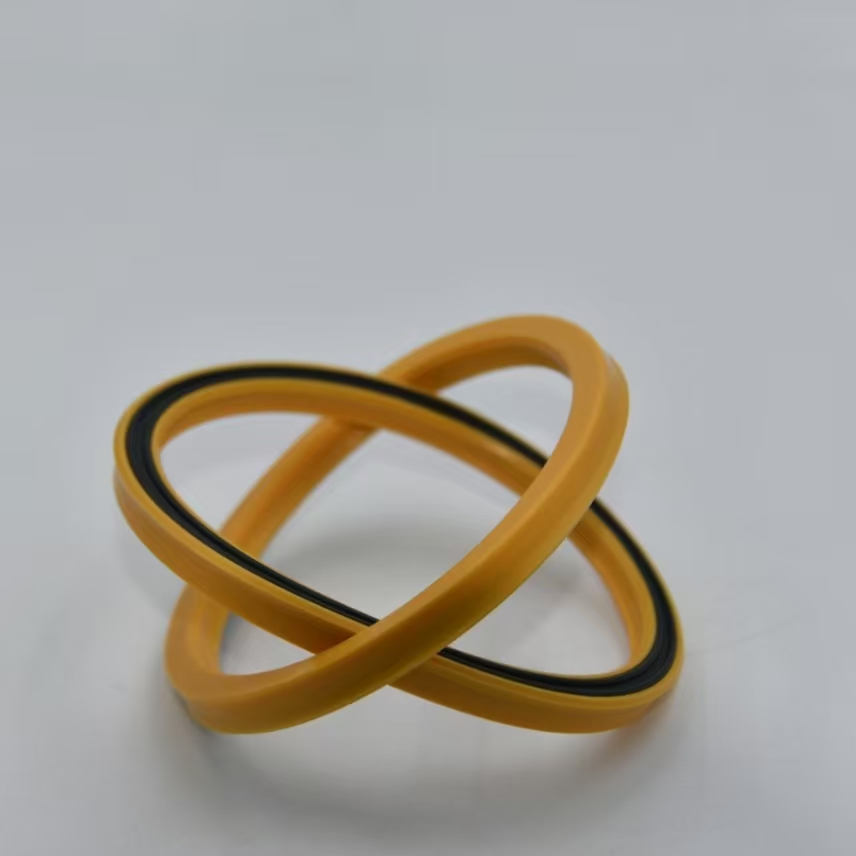
2. PTFE – used as the main material for step seals
Step seals are a common type of piston combination seal.
The main sealing ring is made of PTFE.
PTFE, often called the “King of Plastics,” brings irreplaceable qualities:
· Very low friction coefficient – as low as 0.02–0.1.
This greatly reduces piston movement resistance,
cuts frictional heat,
and improves system response and energy efficiency.
· Self‑lubricating – works well even when lubrication is poor.
This helps during start‑up and low‑speed operation.
· Remarkable chemical inertness – resists almost all hydraulic fluids and chemicals.
Dimensional stability is also excellent.
· Broad temperature range – can serve long‑term from –200°C to +260°C.
In a step seal setup,
the PTFE main ring provides low‑friction static and dynamic sealing,
while the O‑ring (usually rubber) behind it gives elastic preload and compensates for wear.
This combination makes step seals especially suitable for reciprocating sealing applications—
like breaker pistons—where long life, low friction, and wear resistance are critical.
III. Working Together: Material and Structure in Sync
The oil seal system in a breaker is a precisely coordinated whole.
PPDI polyurethane parts and PTFE step seals each have their own roles,
yet they complement each other:
· Frontline defense – the wiper seal first blocks most coarse dust and debris.
· Pressure management – the main seal takes on the core hydraulic sealing task,
while the buffer ring behind it absorbs pressure fluctuations, protecting downstream seals.
· Efficient low‑friction sealing – PTFE step seals at key piston positions
achieve highly efficient sealing with minimal friction.
Their low‑wear nature ensures long‑term operational stability.
This smart pairing of materials and structure
lets the whole sealing system stand up to both external environmental attack
and internal high‑pressure, high‑frequency impacts—
while also pursuing lower friction loss and longer service life.
IV. Conclusion
True strength shows itself in silence.
Behind the thunderous power of a hydraulic breaker
lies the quiet, tough guardianship of its oil seal system.
These parts are more than just leak stoppers.
They are the hydraulic shields
that keep surging power flowing, operation stable,
and equipment life extended.
Deep understanding and correct use of these two families of high‑performance materials
reflect the natural evolution of modern construction machinery:
from designing big structures
to deeply integrating micro‑level materials science and system reliability.
Choosing and maintaining this “shield” well
means protecting the breaker’s core combat power
and laying the foundation for efficient, cost‑effective project work.


