33-99No. Mufu E Rd. Gulou District, Nanjing, China [email protected] | [email protected]
33-99No. Mufu E Rd. Gulou District, Nanjing, China [email protected] | [email protected]
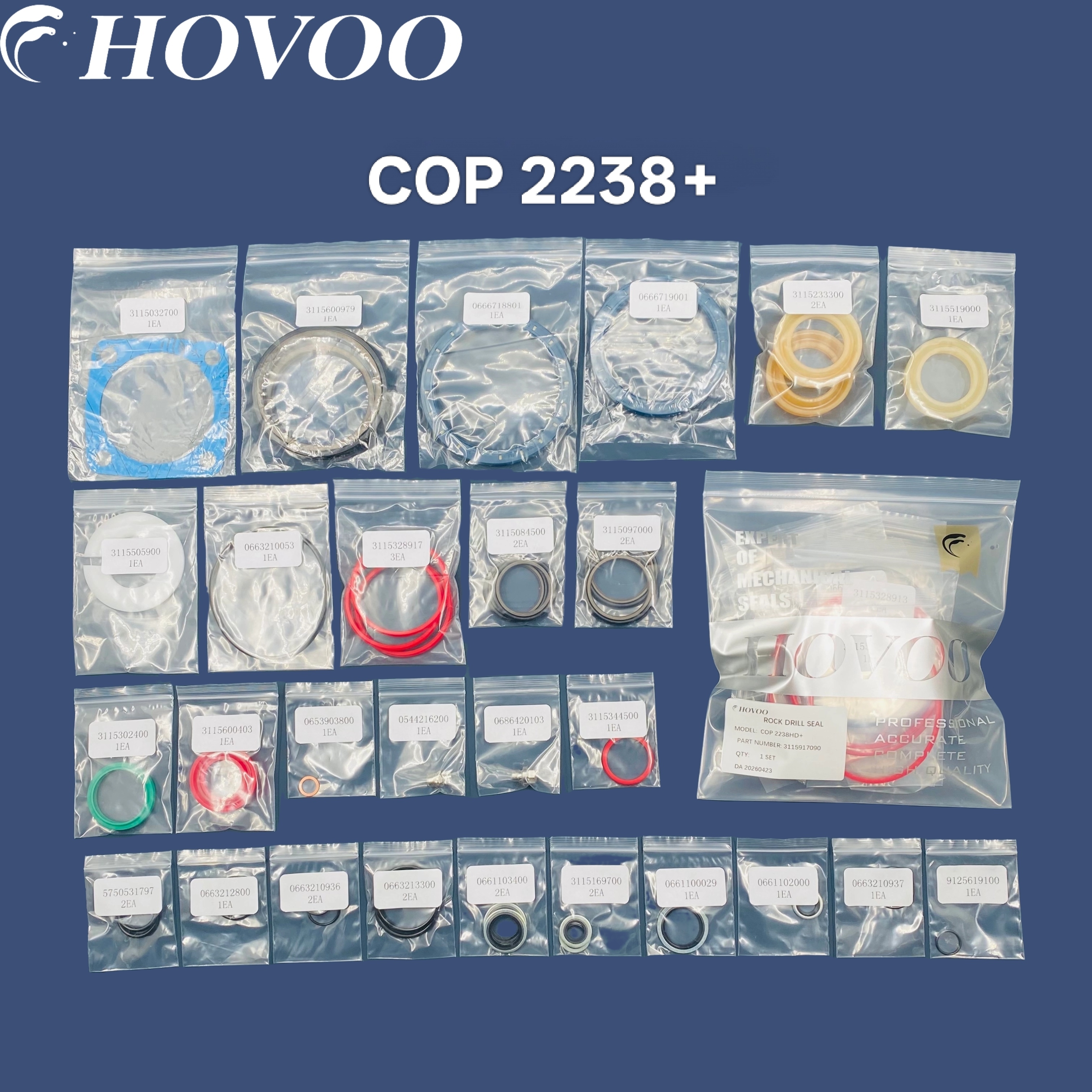
Body: For the most demanding large-scale mining and construction projects, Epiroc’s high-power COP series delivers the brute force and reliability you need. These heavy-duty drills are built for maximum productivity in deep hole and hard rock a...
VIEW MORE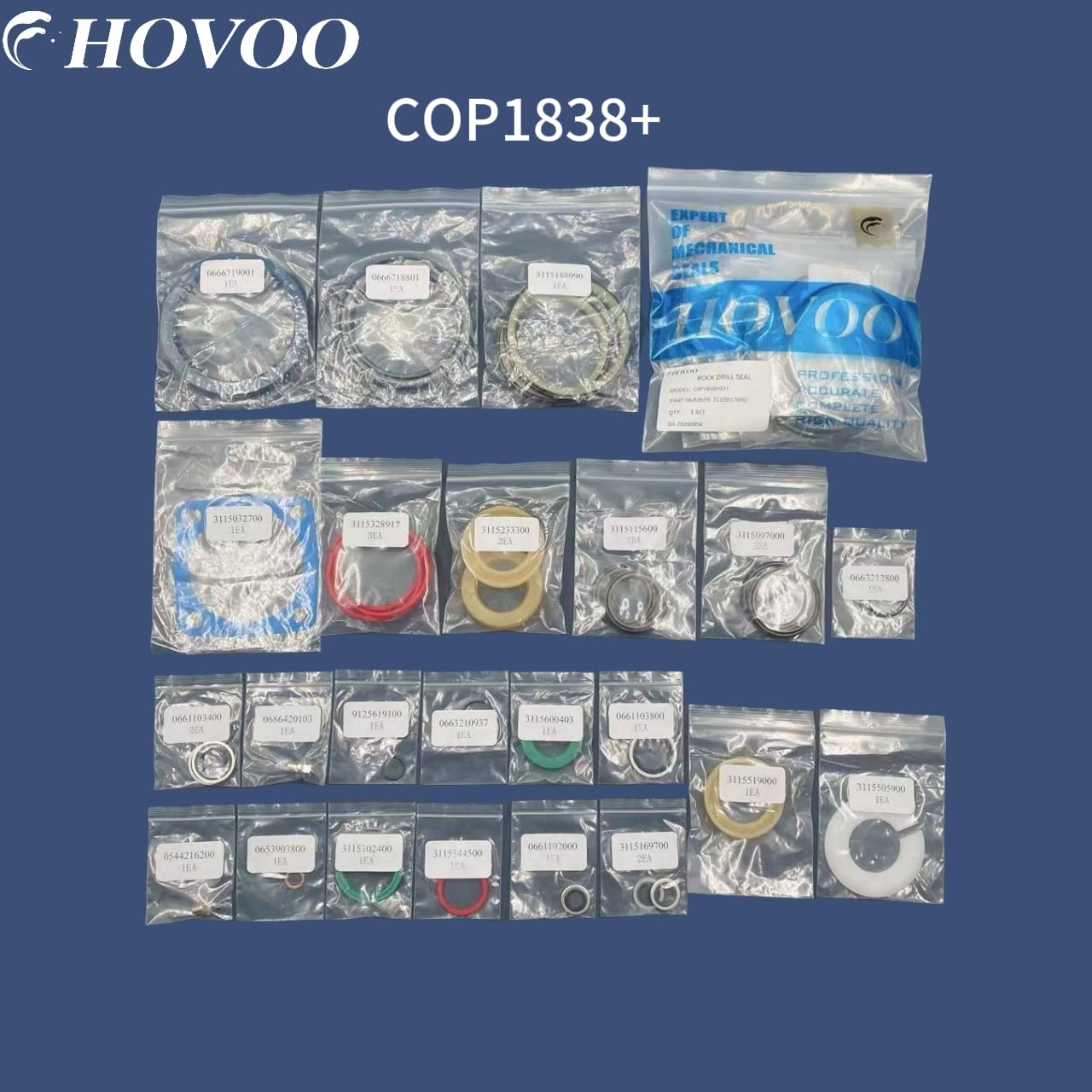
Body: The Epiroc COP 1838 series is one of the most popular and versatile rock drill families in the mining industry. Built for heavy-duty underground and surface production drilling, these models are known for their power, reliability, and long serv...
VIEW MORE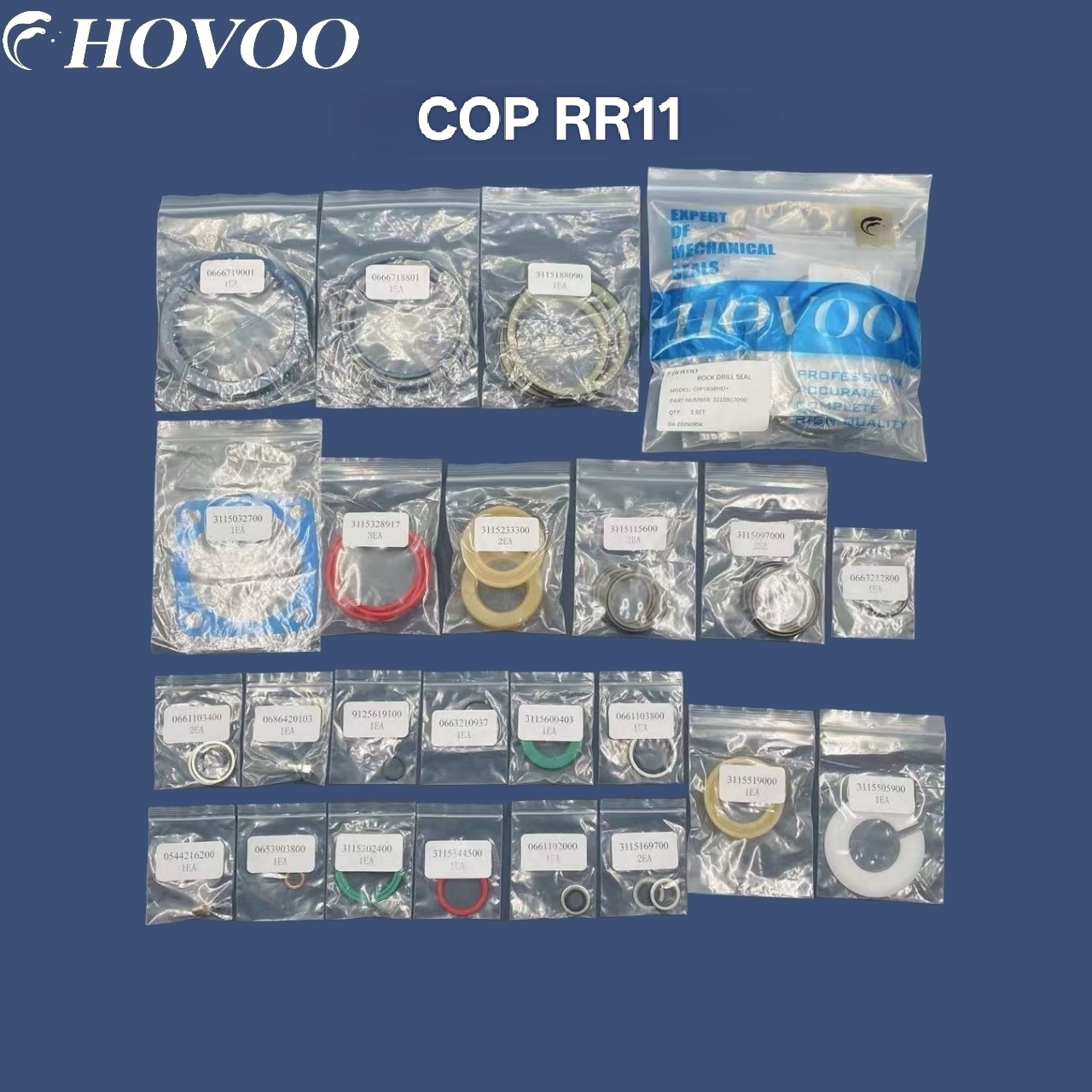
Body: For high-performance rotary-percussive drilling in both surface and underground applications, the Epiroc COP RR and SC series deliver unmatched power and precision. These drills are engineered for demanding conditions, from hard rock mining to ...
VIEW MORE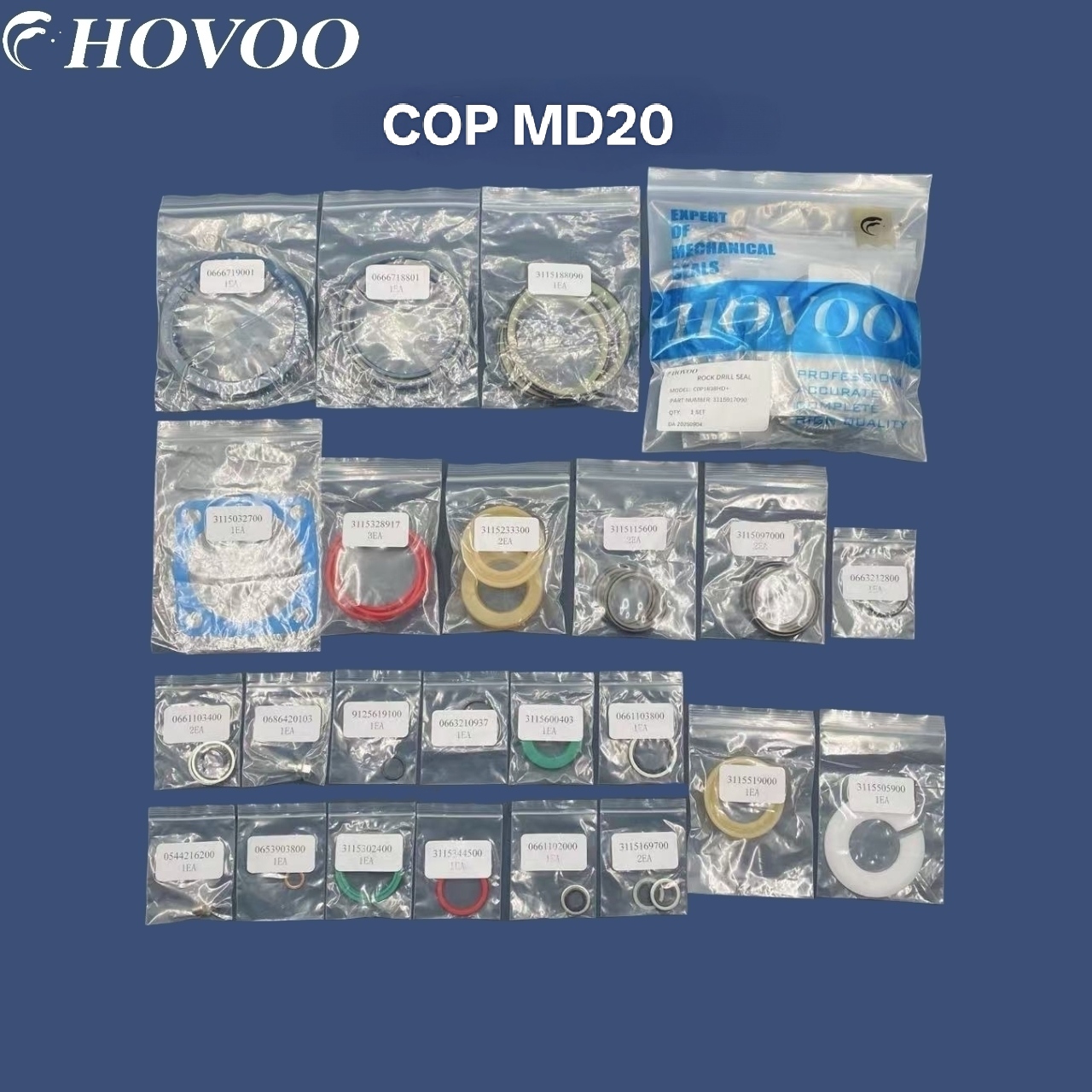
Body: When you need reliable, compact rock drills for light to medium-duty projects, the Epiroc COP small series is your go-to solution. Built for versatility and durability, these models are widely used in construction, quarrying, and small-scale mi...
VIEW MORE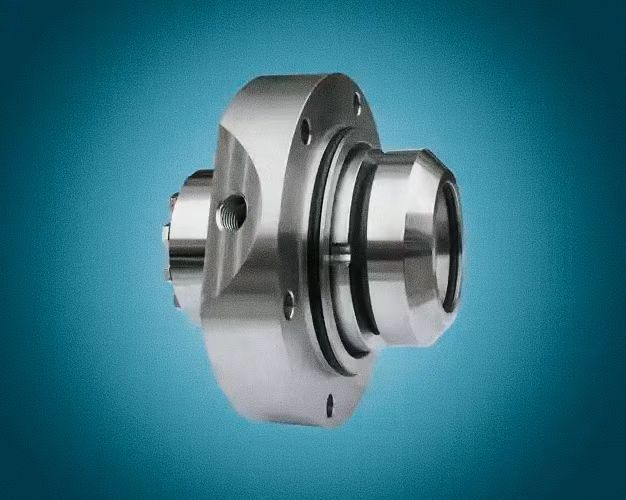
Ask ten hydraulic engineers to explain the difference between a hydrostatic circuit and a standard open-circuit variable displacement system and you will get ten reasonably correct but meaningfully different answers. That is not a bad thing — t...
VIEW MORE
The hydraulic industry does not move fast by the standards of consumer electronics or software, but it does move — and the direction of the last five years has been remarkably consistent. Efficiency, digitalization, and electrification are resh...
VIEW MORE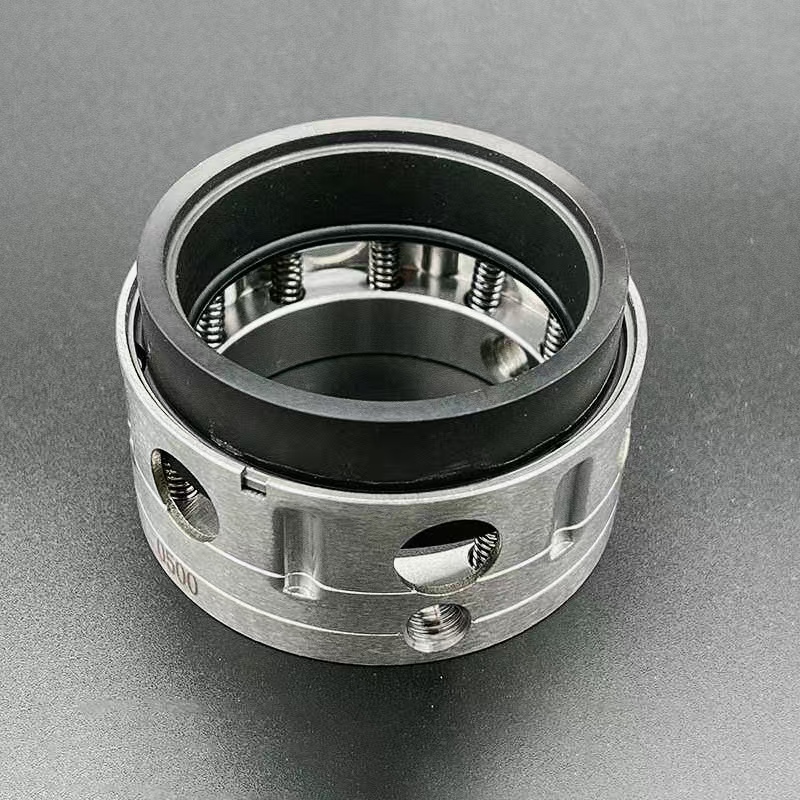
Designing an energy-efficient hydraulic system is not primarily a pump selection problem. The pump is central, but the efficiency of the complete system depends on how every component — pump, motor, valves, actuators, filtration, cooling &mdash...
VIEW MORE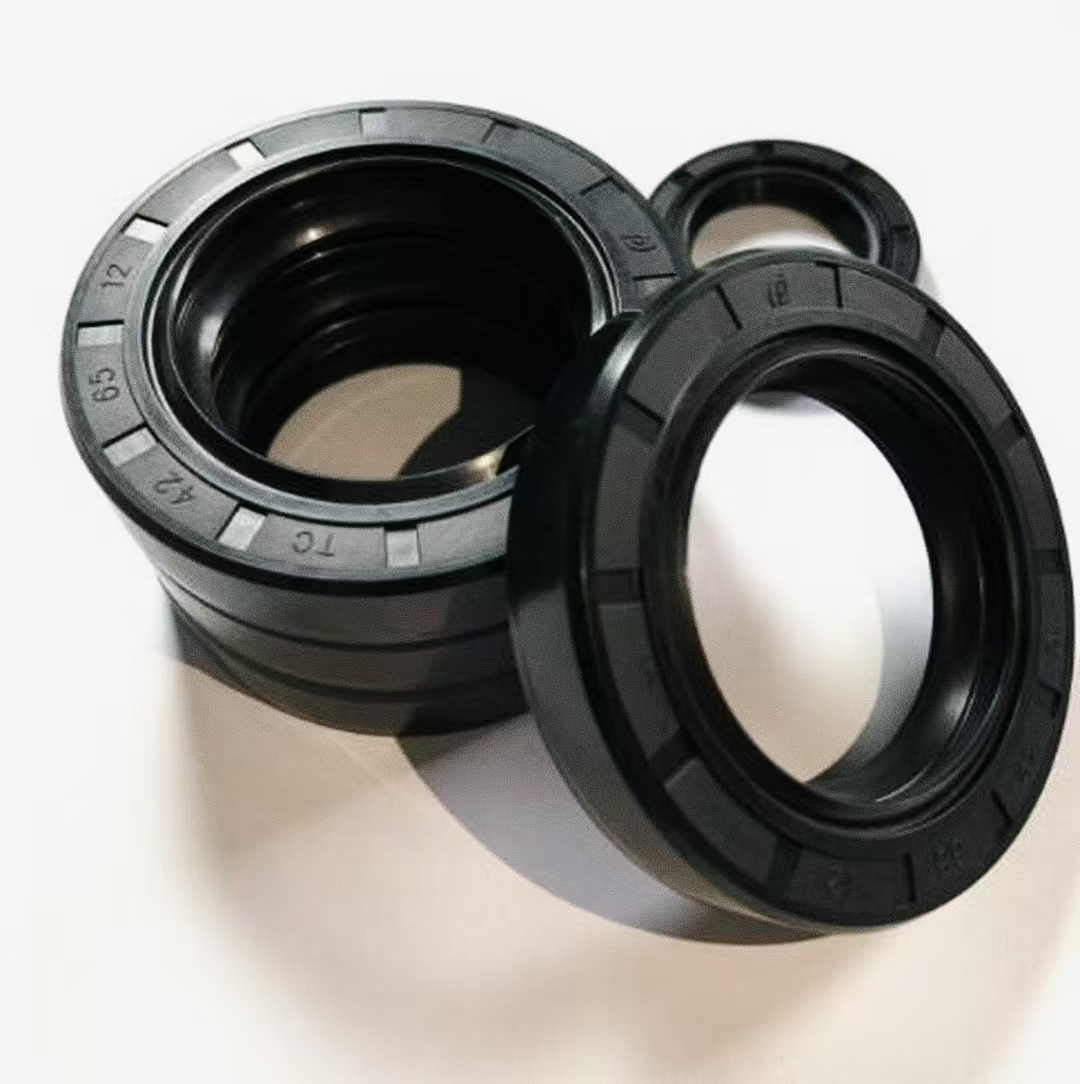
Danfoss built its hydraulic product range around a specific proposition: that the greatest efficiency gains come not from improving individual components but from designing those components to work together. The breadth of their hydraulic portfolio &...
VIEW MORE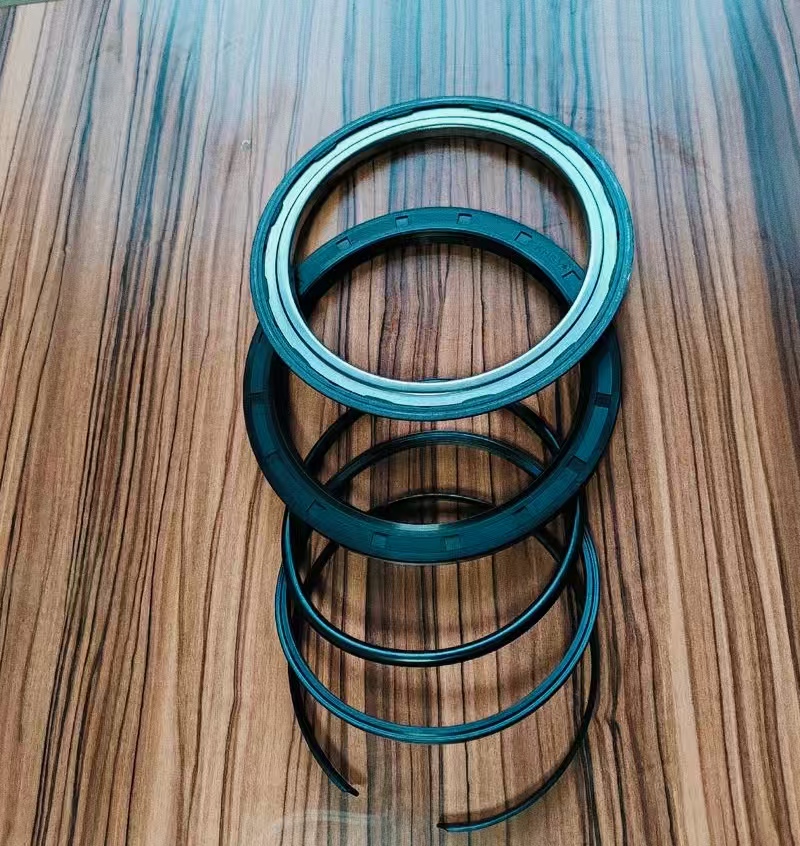
There are more types of hydraulic pumps in active industrial and mobile service than most engineers work with in any given career. Gear pumps, vane pumps, axial piston pumps, radial piston pumps, hydrostatic units, digital displacement pumps — ...
VIEW MORE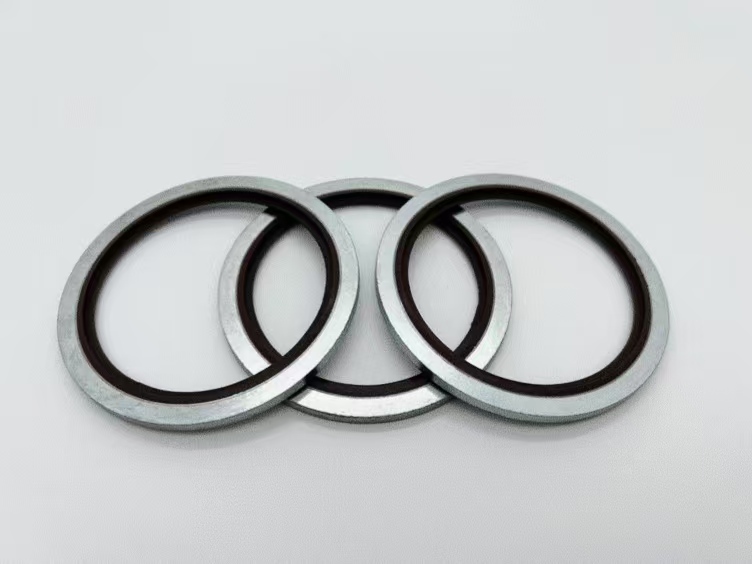
The hydraulic pump market in 2026 looks meaningfully different from where it was five years ago. The changes are not evenly distributed — some sectors are still running the same pump technology they used two decades ago, while others have moved...
VIEW MORE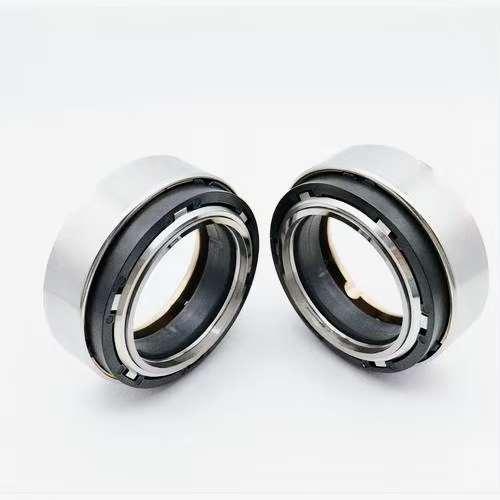
The connection between hydraulic system efficiency and machine emissions is not complicated, but it is easy to overlook when emissions conversations focus entirely on the engine, the exhaust aftertreatment, and the fuel type. In diesel-powered mobile...
VIEW MORE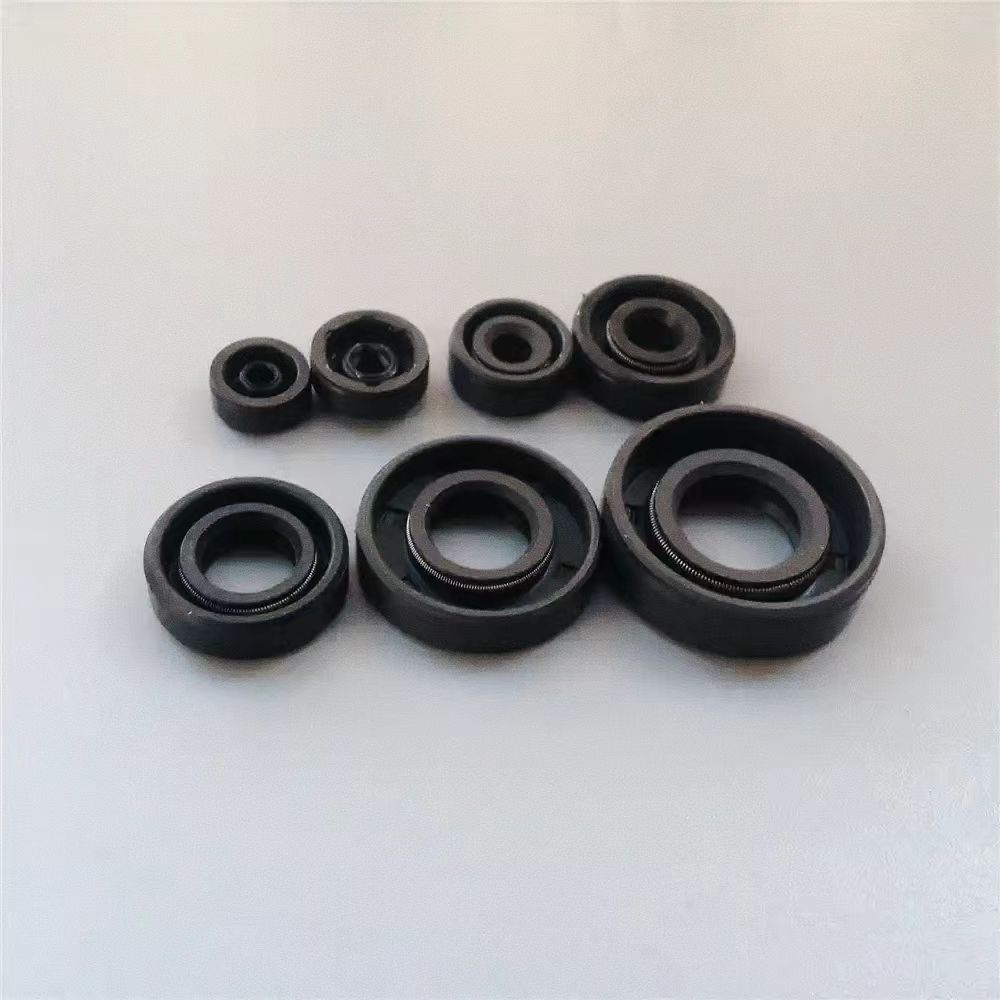
Pump selection gets treated as a straightforward catalog exercise more often than it should. Pick the pressure rating that covers the maximum system pressure, pick the displacement that delivers the required flow at the drive shaft speed, done. That ...
VIEW MORE
Welcome to HOVOO, a Chinese seal factory. Production of PU, Rubber and PTFE seals. The seals include O-ring, piston seal, rod seal, Gray ring and gas seal.


 EN
EN
 AR
AR CS
CS DA
DA NL
NL FI
FI FR
FR DE
DE EL
EL IT
IT JA
JA KO
KO NO
NO PL
PL PT
PT RO
RO RU
RU ES
ES SV
SV TL
TL IW
IW ID
ID LV
LV SR
SR SK
SK VI
VI HU
HU MT
MT TH
TH TR
TR FA
FA MS
MS GA
GA CY
CY IS
IS KA
KA UR
UR LA
LA TA
TA MY
MY
