

 EN
EN
 AR
AR CS
CS DA
DA NL
NL FI
FI FR
FR DE
DE EL
EL IT
IT JA
JA KO
KO NO
NO PL
PL PT
PT RO
RO RU
RU ES
ES SV
SV TL
TL IW
IW ID
ID LV
LV SR
SR SK
SK VI
VI HU
HU MT
MT TH
TH TR
TR FA
FA MS
MS GA
GA CY
CY IS
IS KA
KA UR
UR LA
LA TA
TA MY
MY
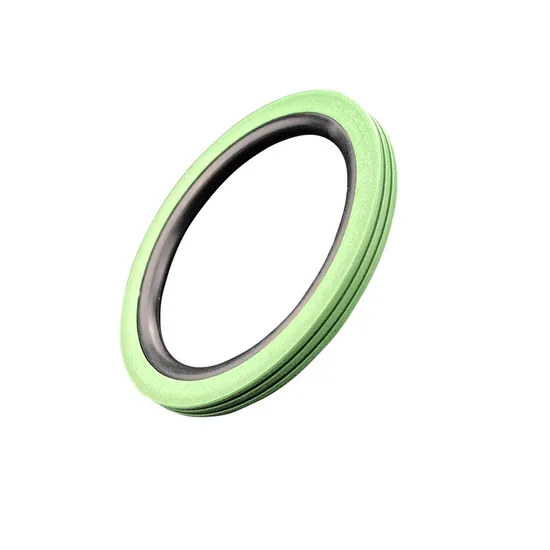
The 400-hour figure isn't arbitrary — it comes from contact cycle math. At 50 Hz percussion frequency, the dynamic percussion seal accumulates 180,000 load-and-release cycles per operating hour. By the 400-hour mark, that's 72 million cycles on the lip compound. PU Shore 90 seals begin showing measurable compression-set at 65–80 million cycles under clean oil conditions at 70–78°C return temperature. The interval was designed to pull seals before visible degradation begins, not after the first bypass appears.
Two conditions that compress this interval significantly: oil temperature above 82°C and contamination above ISO 18/16/13. At 85°C sustained return temperature, PU compound oxidation accelerates by roughly 35–40%, shortening practical seal life to 280–320 hours. Contamination above that cleanliness class introduces abrasive particles in the 10–25 μm range — exactly the size that gets trapped between seal lip and bore surface, scoring both within 60–80 hours of installation. Operations running in those conditions shouldn't wait for 400 hours.
Interval Adjustment by Operating Condition
Operating Condition |
Recommended Interval |
Primary Mechanism |
Supporting Action |
Clean oil, 70–78°C return temperature |
400–500 hours |
Compression-set fatigue at 65–80 million cycles |
Standard oil sample at 250 hours to confirm cleanliness |
Oil at 80–85°C sustained return temperature |
280–340 hours |
PU oxidation rate increases 35–40% above 82°C |
Install oil cooler or reduce duty cycle to lower temp |
Contamination ISO 18/16/13 or above |
200–260 hours |
Abrasive particles scoring bore and seal lip simultaneously |
Flush to ISO 16/14/11 before re-installation |
Underground magnetite mining — silica dust ingestion |
300–360 hours |
SiO₂ particles via wiper seal bypass entering percussion circuit |
Check wiper seal condition at 150-hour intermediate inspection |
High-altitude site above 3,500 m elevation |
320–380 hours |
Reduced air pressure affects flushing water film, raising bore temperature |
Monitor hydraulic return temp more frequently at altitude |
The interval is a ceiling, not a target. Every operation with oil sample data showing contamination trending upward or return temperature above 80°C should adjust the interval downward — the cost of a seal kit at 320 hours is a fraction of the cylinder replacement that results from running seals to failure. HOVOO supplies interval optimization analysis based on oil sample data for operations running three or more drifters. References at hovooseal.com.


