33-99No. Mufu E Rd. Gulou District, Nanjing, China [email protected] | [email protected]
33-99No. Mufu E Rd. Gulou District, Nanjing, China [email protected] | [email protected]
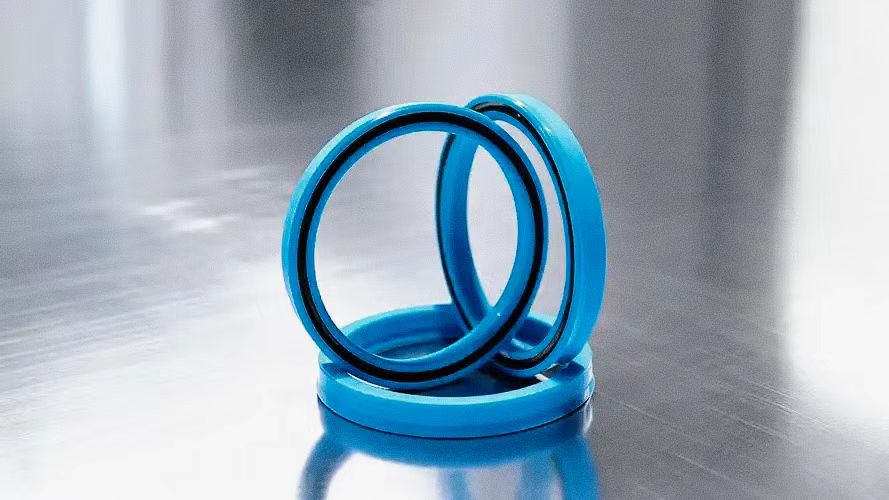
Australian mobile equipment works in conditions that hydraulic system designers in more temperate climates rarely have to account for in full. Mining operations in the Pilbara where ambient temperatures sit above 45°C for months, agricultural mac...
VIEW MORE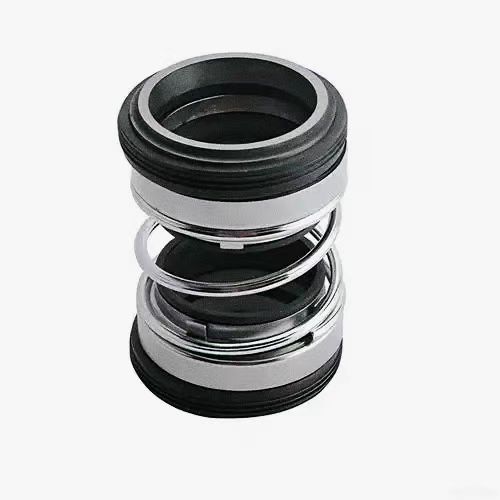
The US hydraulic market has been moving toward efficiency requirements for long enough now that the leading equipment buyers — federal contractors, large agricultural operations, Class 8 fleet operators — have moved past asking whether hy...
VIEW MORE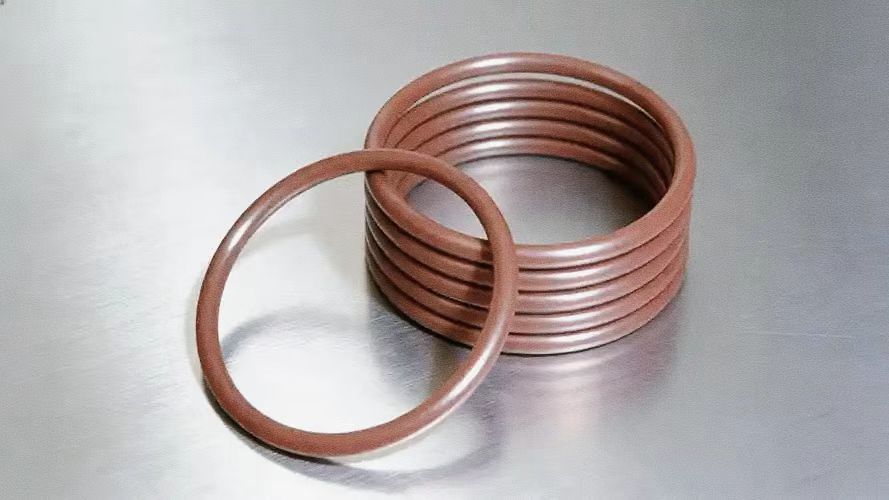
British manufacturing has a long relationship with vane pump hydraulics. The quiet operation, the smooth pressure output, the predictable wear pattern that gives maintenance engineers advance warning before failure — these characteristics made ...
VIEW MORE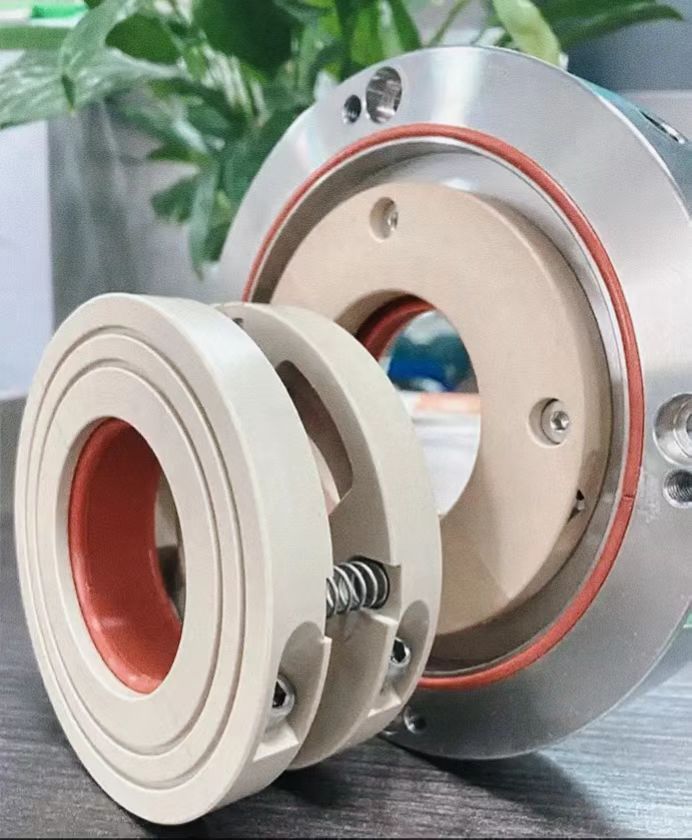
North American hydraulic applications span a wider range than almost any other market. Agricultural operations in the Canadian prairies run some of the largest and most hydraulically sophisticated self-propelled equipment in the world. US constructio...
VIEW MORE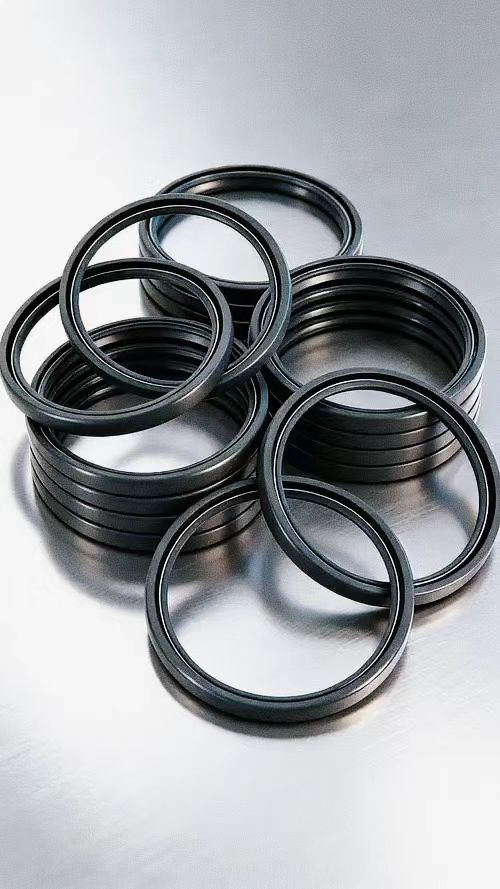
India's industrial electricity costs have climbed steadily, and in energy-intensive manufacturing sectors — textiles, automotive components, plastics processing, construction equipment production — hydraulic system energy consumption has ...
VIEW MORE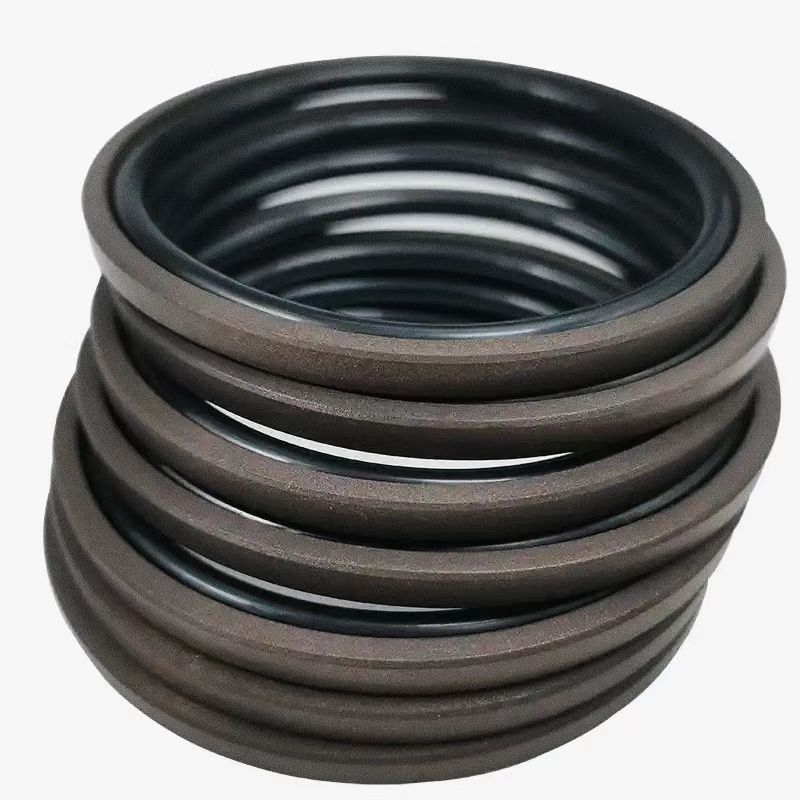
Germany's industrial hydraulics market has always rewarded engineering depth over marketing simplicity. The Maschinenbau sector demands performance documentation, precise specification conformance, and long-term application support — and the hy...
VIEW MORE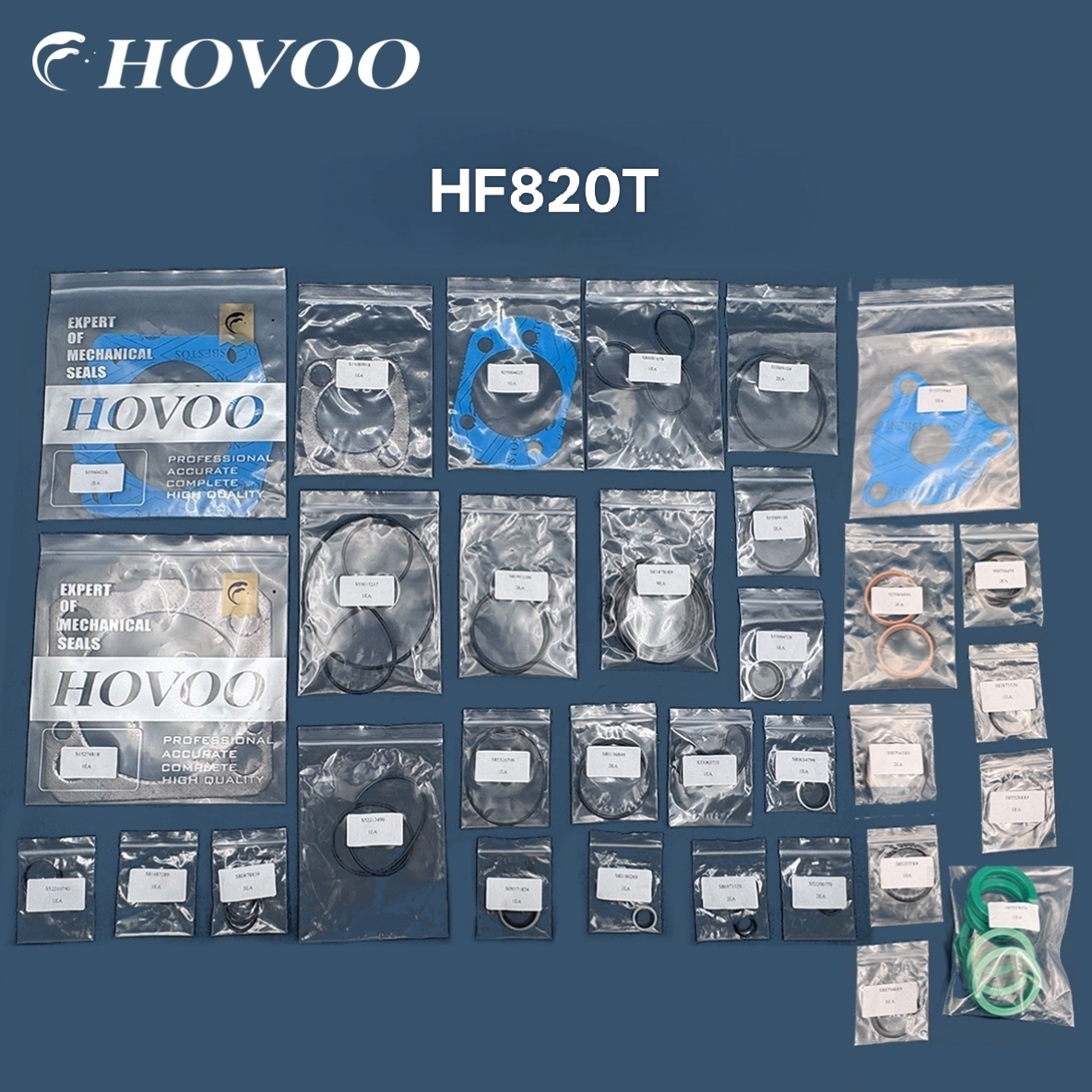
Body: The Sandvik HF820T is a specialized high-frequency rock drill, designed for precision and efficiency in demanding tunneling and underground mining applications. Its unique design makes it ideal for specific tasks where standard drills fall shor...
VIEW MORE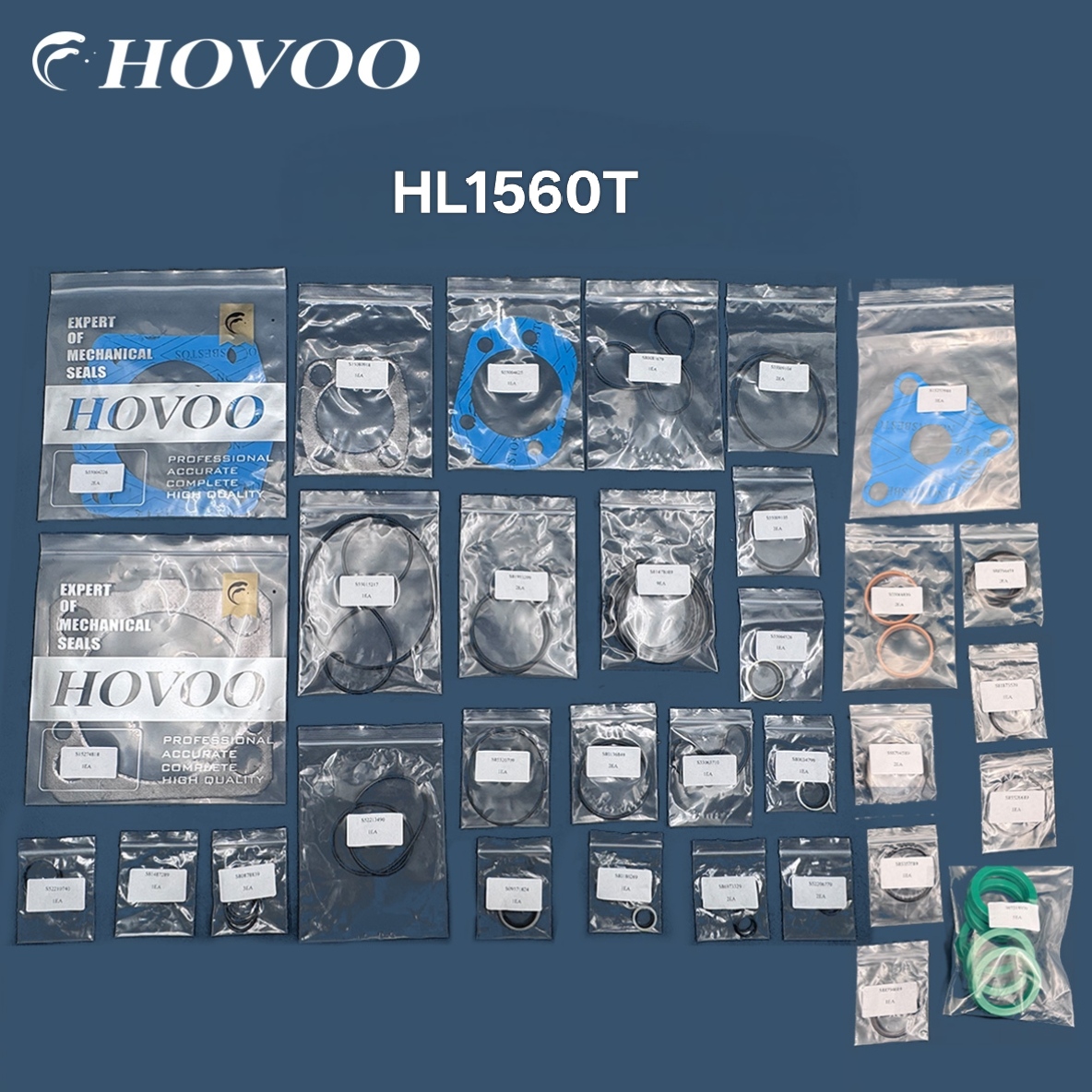
Body: When it comes to high-power drilling for open-pit mining and large quarries, the Sandvik HL series is the benchmark. These robust rock drills are built for maximum productivity and reliability in demanding surface applications. Perfor...
VIEW MORE
Body: Sandvik’s RD series rock drills are engineered for high productivity and reliability in both underground mining and surface construction. With a wide range of models, these drills are built to handle everything from light rock bolting to ...
VIEW MORE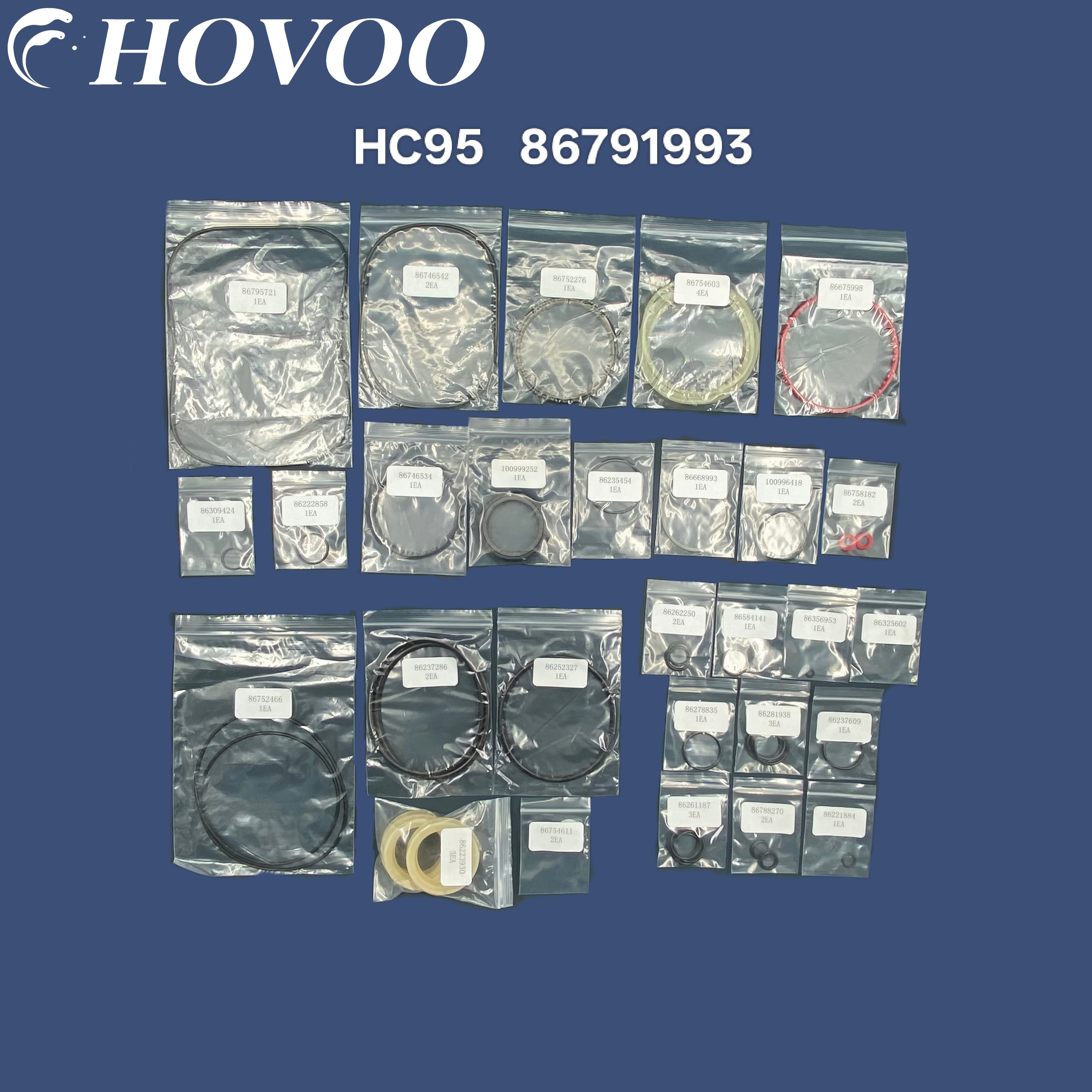
Body: Montabert’s HC series is a globally renowned line of hydraulic drifters, trusted by mining and construction professionals for their power, durability, and precision. With models ranging from compact light-duty to heavy-duty workhorses, th...
VIEW MORE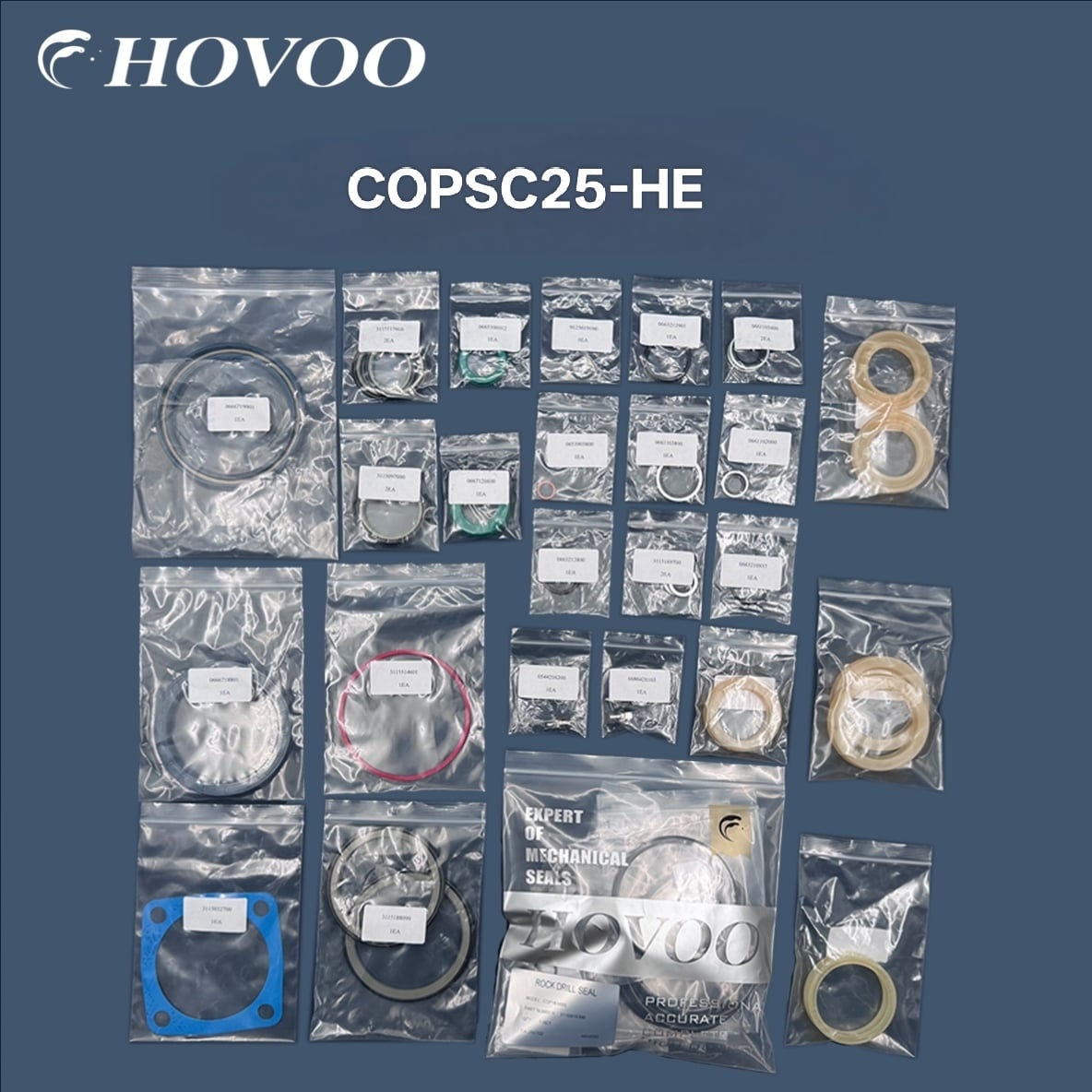
Body: For niche applications like rock bolting, small-scale tunneling, and compact rig operations, Epiroc offers a range of specialized and compact rock drills. These models are designed for specific tasks, offering precision and reliability where st...
VIEW MORE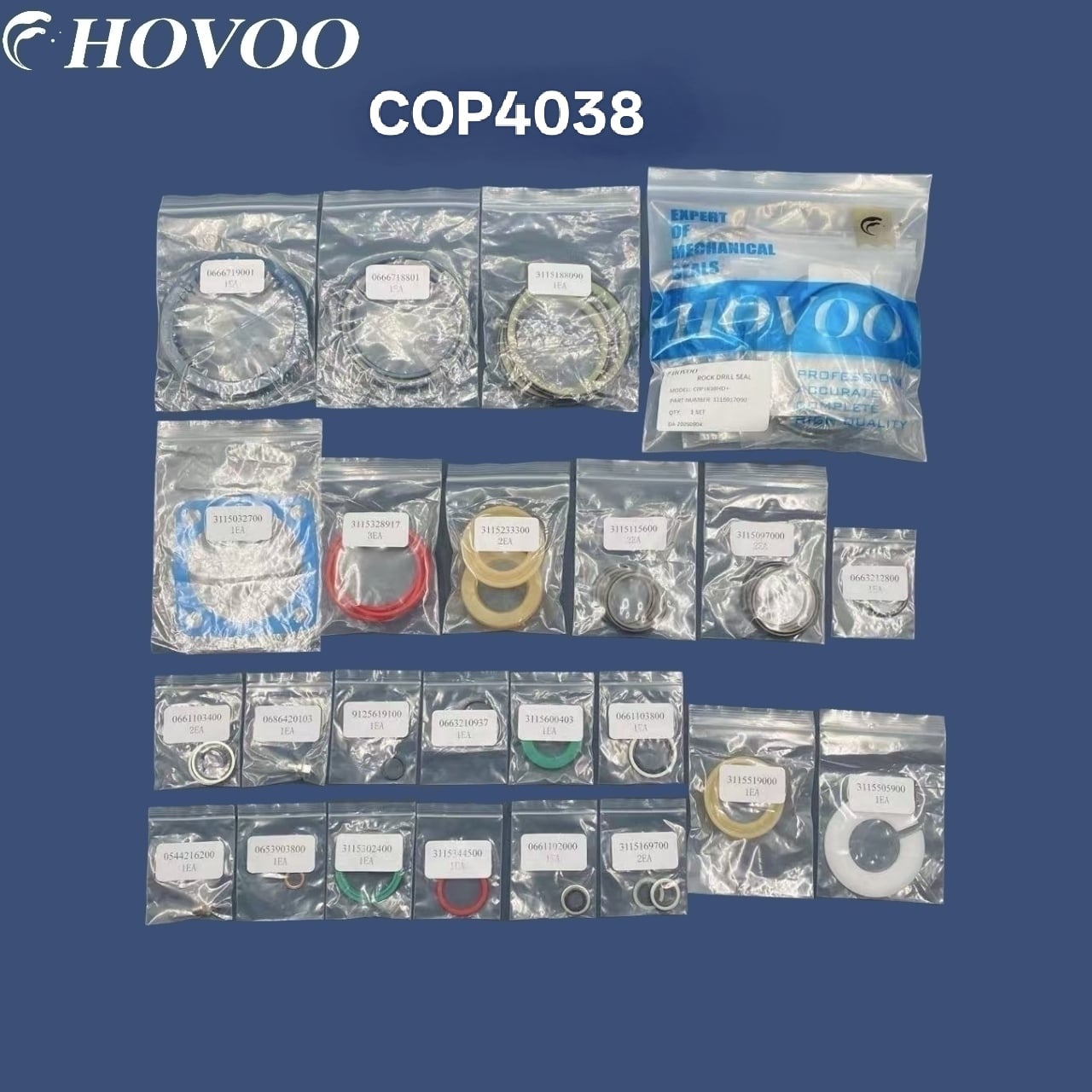
Body: Epiroc’s COP 40/50 series represents the pinnacle of hydraulic rock drill technology, designed for the most challenging and specialized mining and construction applications. These models deliver extreme power and durability for maximum pr...
VIEW MORE
Welcome to HOVOO, a Chinese seal factory. Production of PU, Rubber and PTFE seals. The seals include O-ring, piston seal, rod seal, Gray ring and gas seal.


 EN
EN
 AR
AR CS
CS DA
DA NL
NL FI
FI FR
FR DE
DE EL
EL IT
IT JA
JA KO
KO NO
NO PL
PL PT
PT RO
RO RU
RU ES
ES SV
SV TL
TL IW
IW ID
ID LV
LV SR
SR SK
SK VI
VI HU
HU MT
MT TH
TH TR
TR FA
FA MS
MS GA
GA CY
CY IS
IS KA
KA UR
UR LA
LA TA
TA MY
MY
