

 EN
EN
 AR
AR CS
CS DA
DA NL
NL FI
FI FR
FR DE
DE EL
EL IT
IT JA
JA KO
KO NO
NO PL
PL PT
PT RO
RO RU
RU ES
ES SV
SV TL
TL IW
IW ID
ID LV
LV SR
SR SK
SK VI
VI HU
HU MT
MT TH
TH TR
TR FA
FA MS
MS GA
GA CY
CY IS
IS KA
KA UR
UR LA
LA TA
TA MY
MY
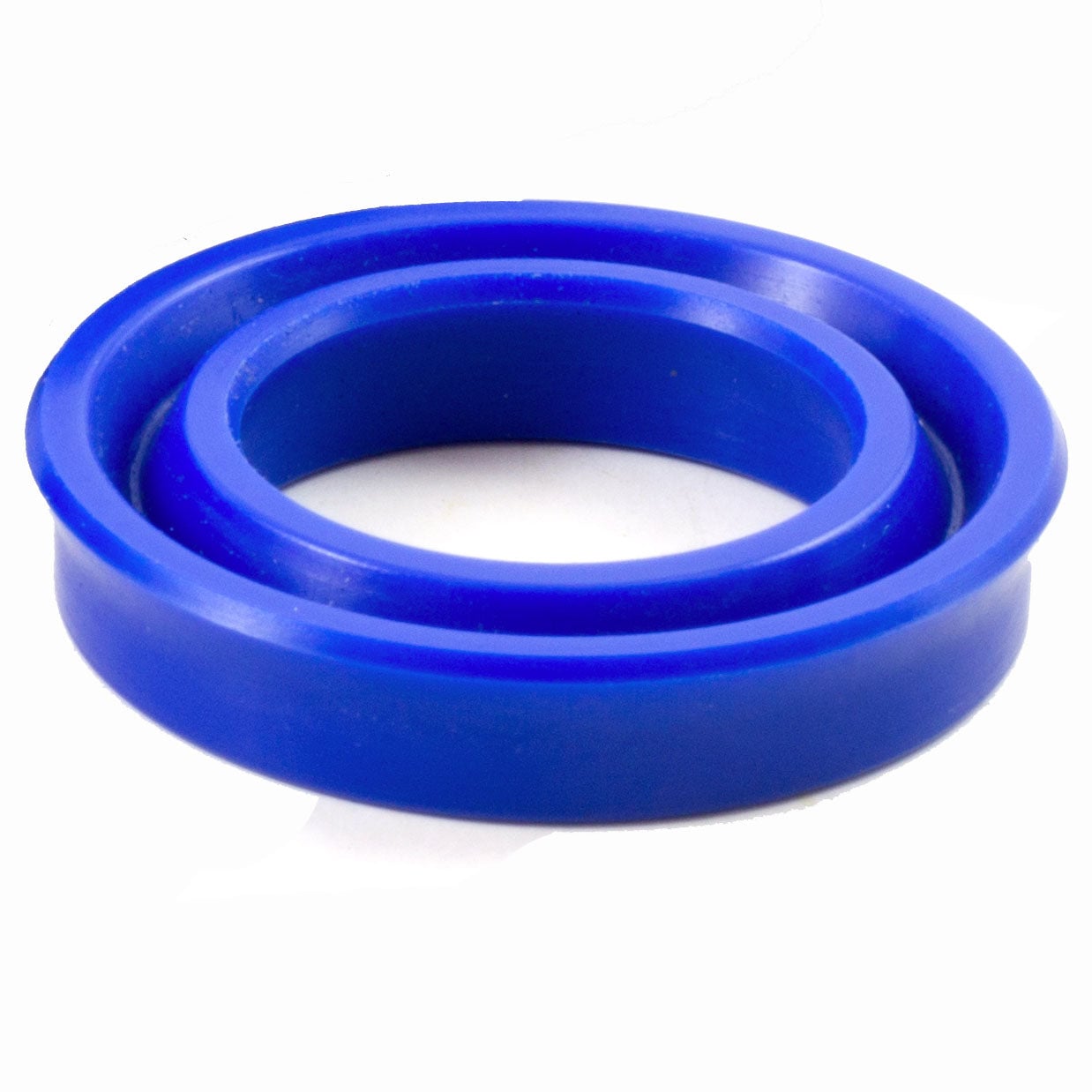
Seal fracture within the first 100 operating hours almost always points to installation error. Seal degradation that begins after 150–200 hours and accelerates toward 300 hours almost always points to wrong material selection. The timeline is the first and fastest diagnostic tool — and it's free to apply before any disassembly. A seal that survives initial compression, seat, and first pressurization but then fails over weeks is telling a different story than one that breaks on the first full percussion cycle.
The most common installation error isn't obvious damage during assembly — it's installing a PU or NBR lip seal without confirming the bore surface finish. Ra above 0.8 μm on the percussion bore creates a micro-abrasive track that removes 0.03–0.05 mm of seal lip material per 100 hours. The seal looks fine at 50 hours. By 200 hours, the lip recession has created a bypass path that widens with every percussion cycle. The second most common error: installing seals with petroleum-based assembly lubricant on NBR compound — petroleum swells NBR by 8–12% volume, causing the seal to extrude past the back-up ring within 40–60 hours.
Installation Error vs Material Error: Identification Guide
Failure Mode |
Failure Timeline |
Failure Location |
Root Cause |
Prevention |
Lip fracture or tearing |
First 10–40 hours |
Seal lip edge, circumferential tear |
Installation without warm-up or with reversed orientation |
Confirm orientation; warm seal to 20°C before install in cold conditions |
Lip extrusion past backup ring |
40–80 hours |
Seal body forced into backup ring gap |
Assembly lubricant incompatible with NBR compound causing swell |
Use only silicone or water-based assembly lubricant |
Progressive lip recession |
150–300 hours |
Lip surface uniformly eroded to below spec depth |
Bore Ra above 0.8 μm — surface too rough for seal compound |
Measure bore surface finish before installing; re-hone if above Ra 0.8 |
Hardening and cracking |
200–400 hours, heat-related |
Seal body becomes brittle, surface crazes |
NBR compound in application above 110°C continuous — needs FKM or HNBR |
Confirm return oil temperature; upgrade to HNBR for sustained temps above 100°C |
Seal swelling and loss of lip geometry |
100–200 hours |
Seal body volumetrically enlarged, cross-section distorted |
Wrong fluid compatibility — FKM in water-glycol or phosphate ester without verification |
Cross-check seal compound against fluid type before ordering |
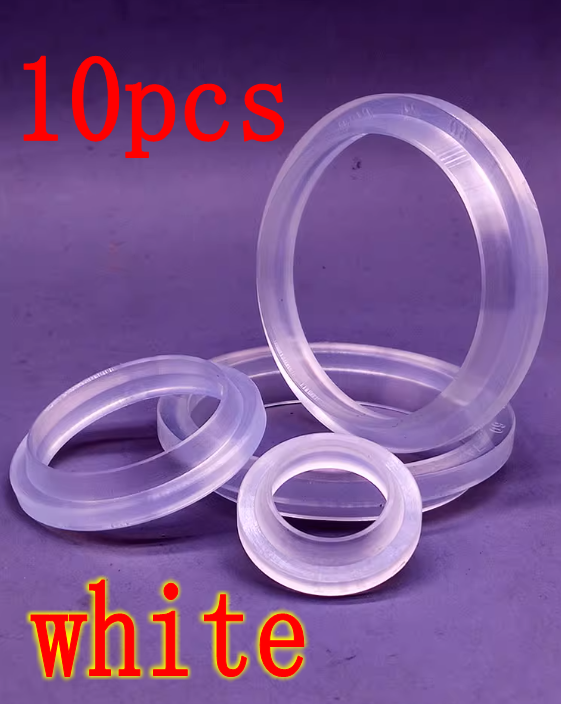
Material errors are more expensive to diagnose because they mimic normal wear patterns until the failure accelerates. Keeping a log of seal replacement dates, hours at failure, and oil temperature readings turns unexplained failures into diagnosable patterns within two replacement cycles. HOVOO supplies material selection guidance by drifter model and operating condition, with compound compatibility charts included in kit documentation. References at hovooseal.com.


