33-99No. Mufu E Rd. Gulou District, Nanjing, China [email protected] | [email protected]
33-99No. Mufu E Rd. Gulou District, Nanjing, China [email protected] | [email protected]
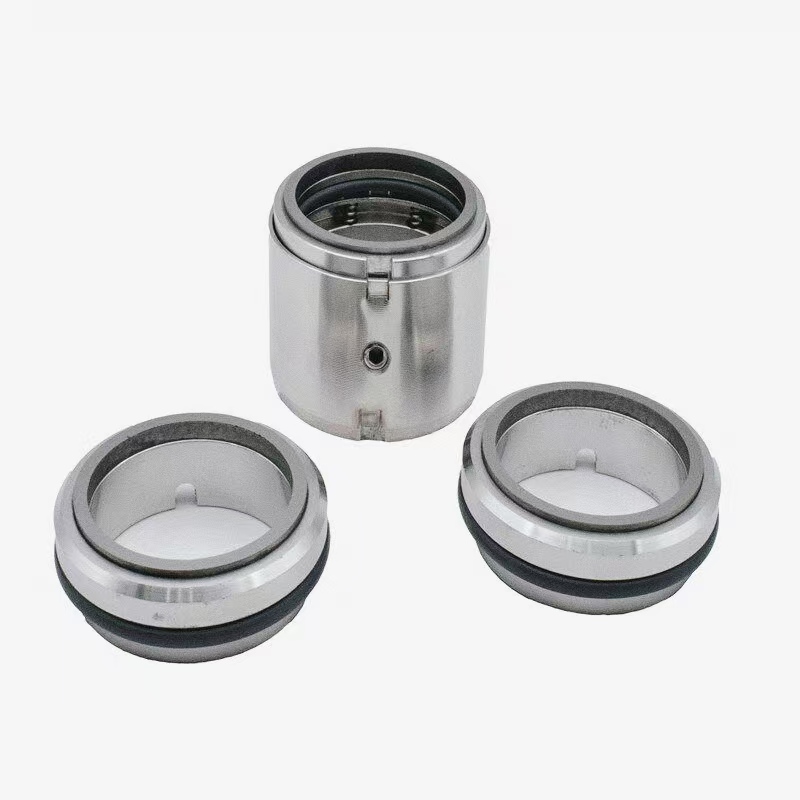
The electrohydraulic pump is not a new concept, but its adoption has accelerated sharply as servo drive costs have fallen and energy regulations have tightened. The basic idea — replace a fixed-speed motor and valve-controlled hydraulic circuit...
VIEW MORE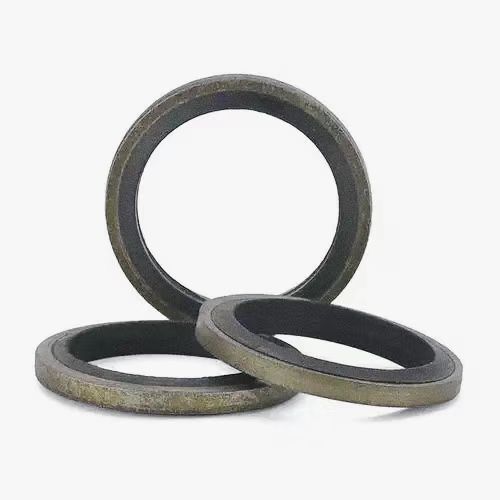
Most hydraulic applications operate comfortably within the pressure envelope that axial piston pumps handle well. But some do not. Hydraulic presses for metal forming, tube bending machines, clamping systems for precision machining fixtures, speciali...
VIEW MORE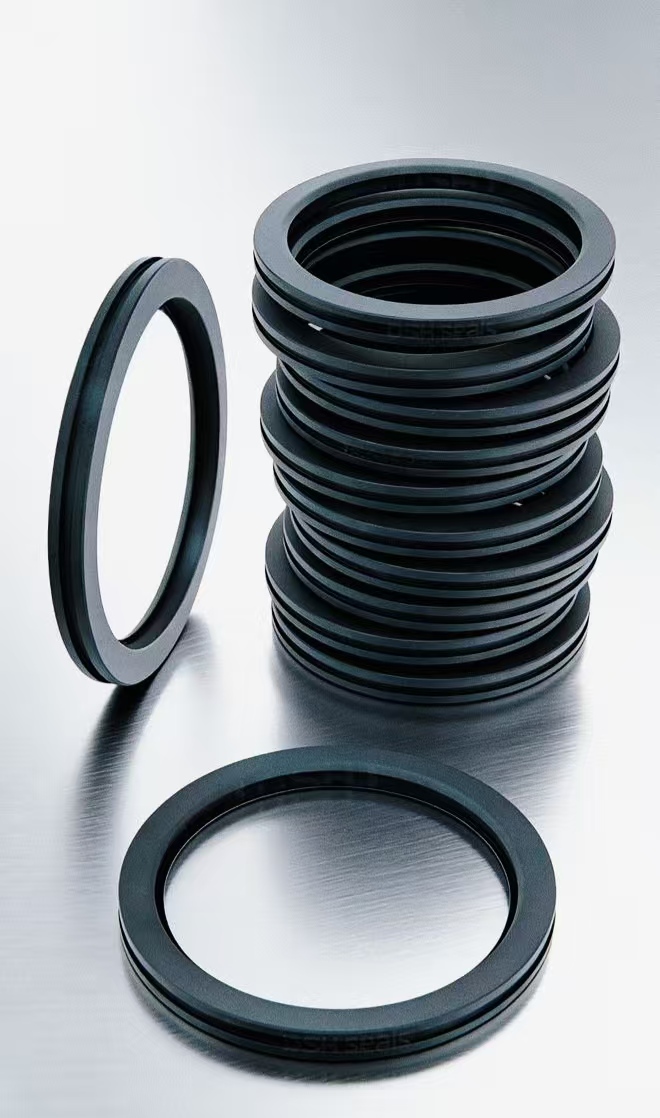
The vane pump sits between the gear pump and the piston pump in most ways that matter: quieter than a gear pump, simpler than a piston pump, cheaper than either in the mid-pressure range where it operates best. For steady industrial duty at pressures...
VIEW MORE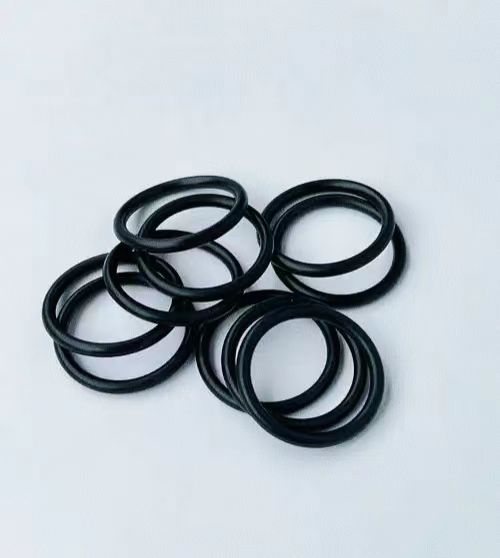
The gerotor pump is everywhere and almost invisible. Open the oil pan of most modern car engines and you will find one driving the lubrication circuit. Crack open a hydraulic power unit for a closed-loop drive system and you will probably find one se...
VIEW MORE
There is a moment in most hydraulic engineering careers when axial piston pumps stop being intimidating and start making complete sense. The geometry is actually elegant once you see it working — multiple pistons taking turns pushing fluid, a t...
VIEW MORE
The industrial hydraulic motor is the output end of the power transmission chain that begins at the pump. Where pumps convert mechanical rotation into pressurized flow, motors do the reverse — turning pressurized flow back into mechanical torqu...
VIEW MORE
A hydraulic pump system failure is rarely just a pump problem. The pump is the most visible component, but it sits within an interdependent assembly where a fault in the reservoir, filtration, valving, or cooling circuit can destroy a perfectly good ...
VIEW MORE
The hydraulic pump is where a machine's electrical or mechanical input becomes the pressurized fluid that actually does work. Every excavator arm that lifts, every press that forms metal, every aircraft control surface that deflects — all of it...
VIEW MORE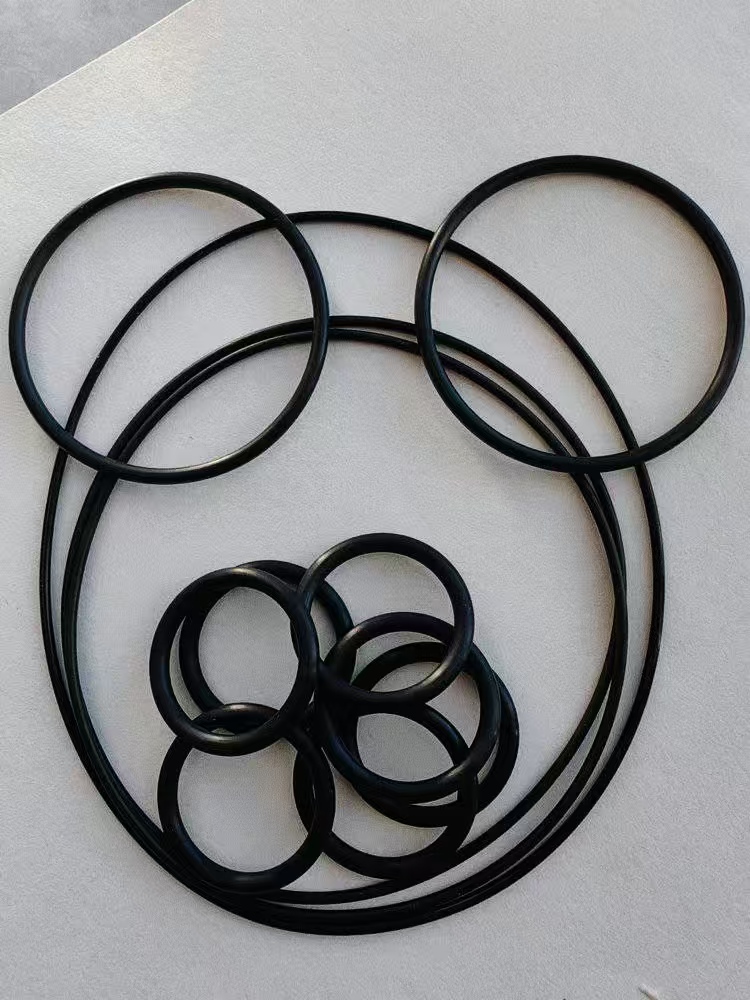
The hydraulic pump supply market stretches from tier-one OEM manufacturers with decades of documented field performance to catalog resellers who source components from wherever the price is lowest that week. Navigating that range — especially f...
VIEW MORE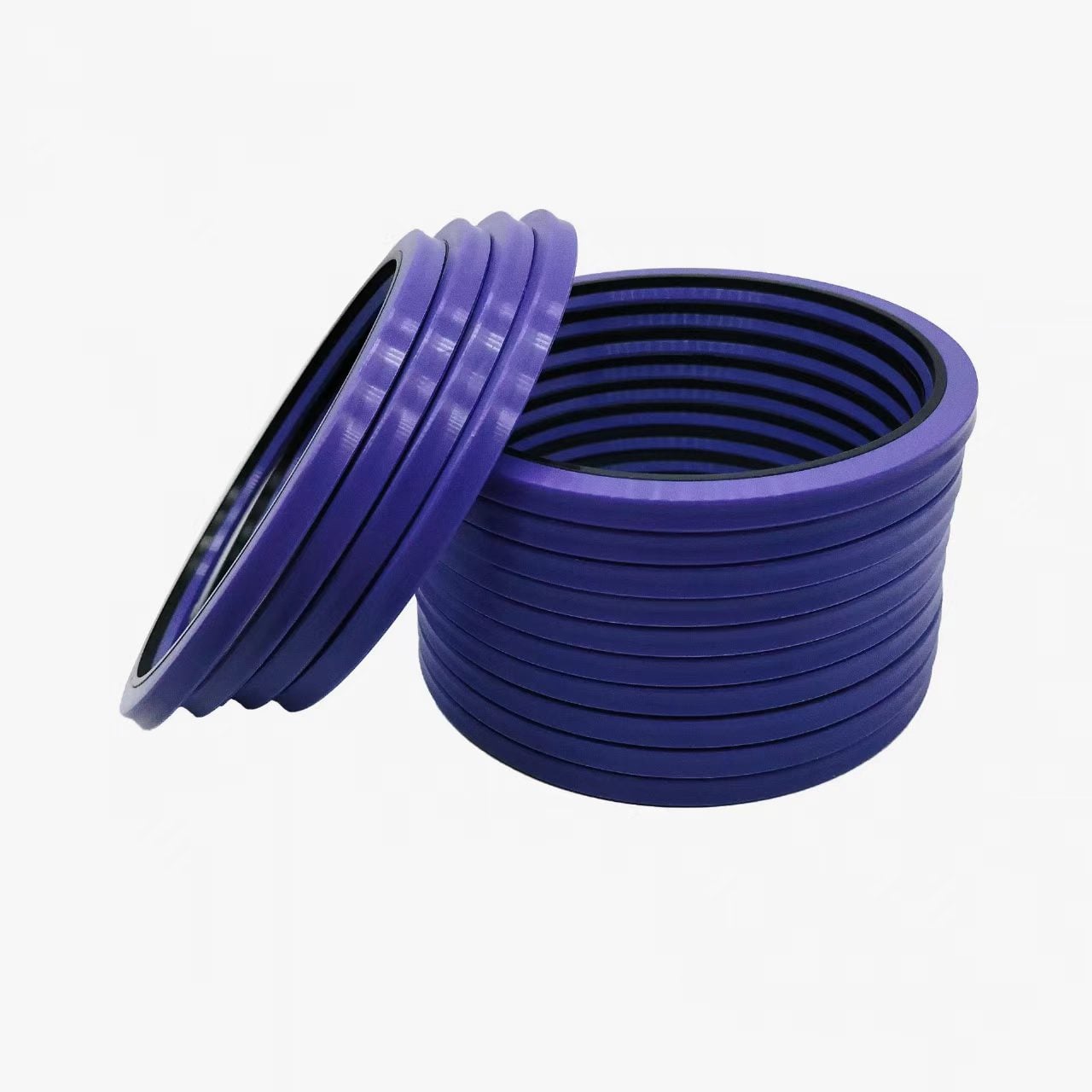
Hydraulic pump seal replacement is not complicated work, but it is precise work. The difference between a seal job that lasts three years and one that leaks within a week almost always comes down to preparation and attention to detail at a few specif...
VIEW MORE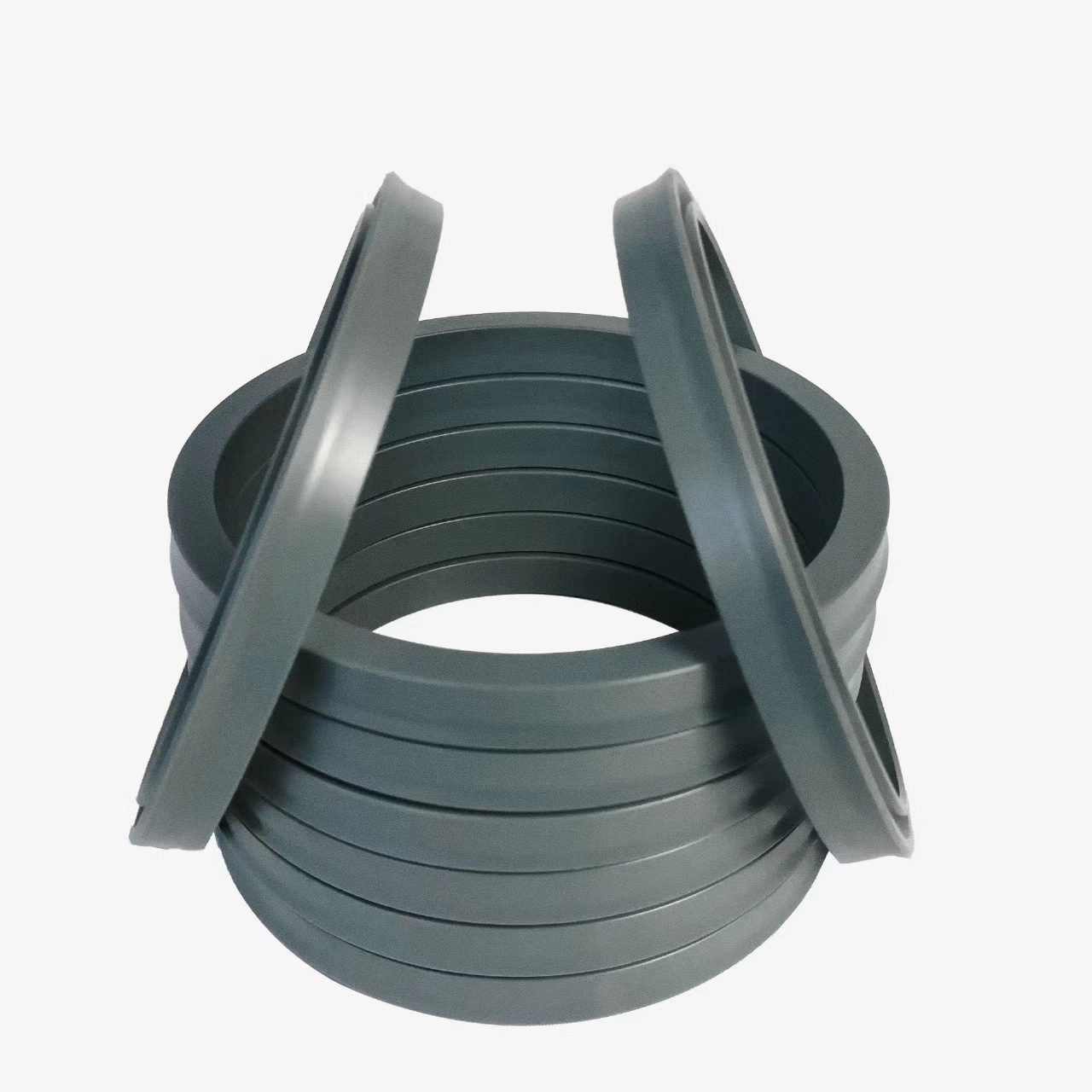
The first question when a hydraulic pump fails is always the same: repair or replace? New pumps are expensive. Remanufactured units are less so but still a significant cost. A hydraulic pump repair kit — the right one, properly installed &mdash...
VIEW MORE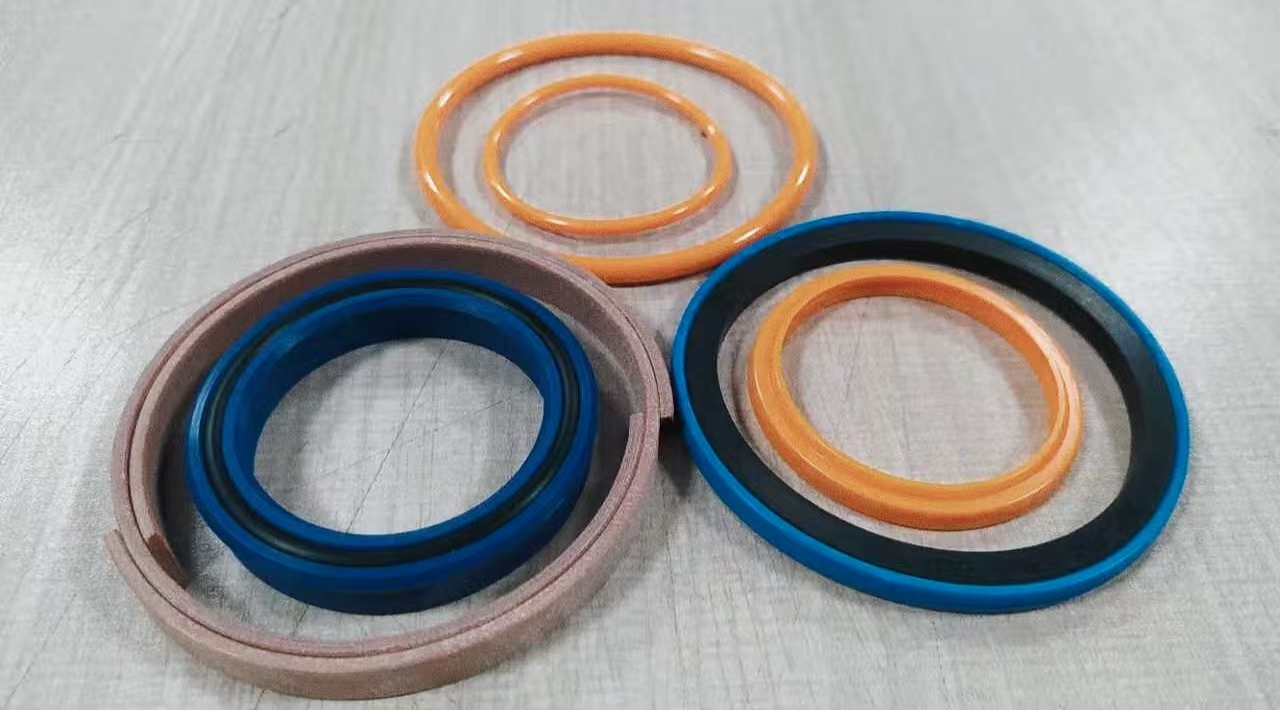
Hydraulic pump reliability is one of those topics where the gap between what engineers know and what actually happens in the field is wider than it should be. The knowledge exists. Contamination control protocols, proper derating, temperature managem...
VIEW MORE
Welcome to HOVOO, a Chinese seal factory. Production of PU, Rubber and PTFE seals. The seals include O-ring, piston seal, rod seal, Gray ring and gas seal.


 EN
EN
 AR
AR CS
CS DA
DA NL
NL FI
FI FR
FR DE
DE EL
EL IT
IT JA
JA KO
KO NO
NO PL
PL PT
PT RO
RO RU
RU ES
ES SV
SV TL
TL IW
IW ID
ID LV
LV SR
SR SK
SK VI
VI HU
HU MT
MT TH
TH TR
TR FA
FA MS
MS GA
GA CY
CY IS
IS KA
KA UR
UR LA
LA TA
TA MY
MY
