33-99No. Mufu E Rd. Gulou District, Nanjing, China [email protected] | [email protected]
33-99No. Mufu E Rd. Gulou District, Nanjing, China [email protected] | [email protected]
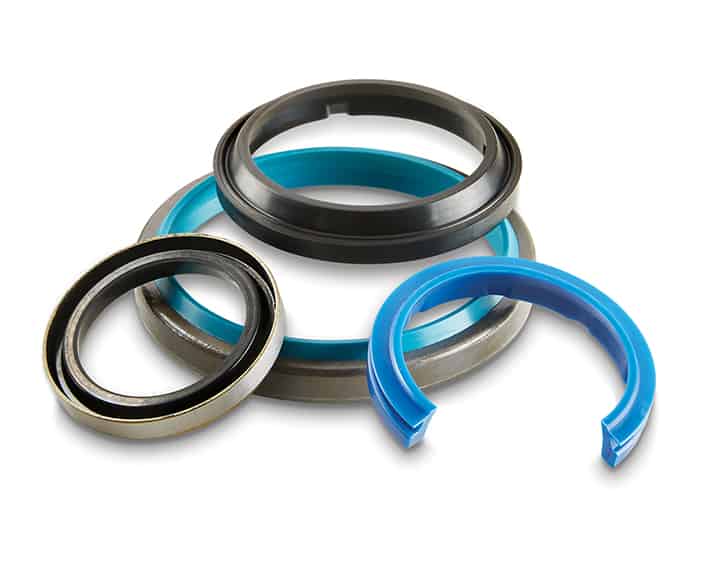
Furukawa-manufactured drifters have a smaller global installed base than Atlas Copco or Sandvik, but they represent a significant share of the underground market in Japan, South Korea, Taiwan, and parts of Southeast Asia — and a meaningful pres...
VIEW MORE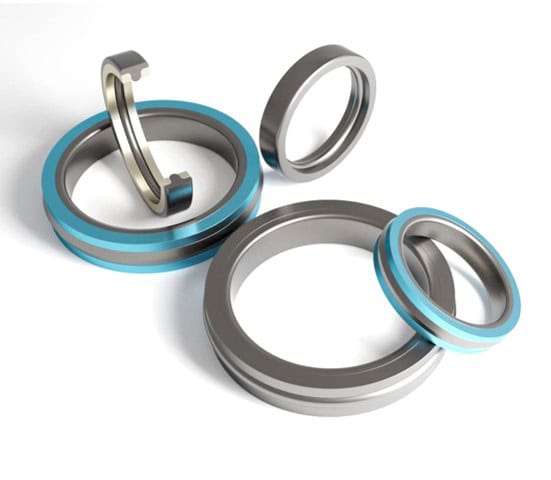
The short answer is no for percussion seals and sometimes for standard-position O-rings — and the reason for the percussion incompatibility is bore geometry, not just bore diameter. Atlas Copco RD-series percussion bores use a specific groove w...
VIEW MORE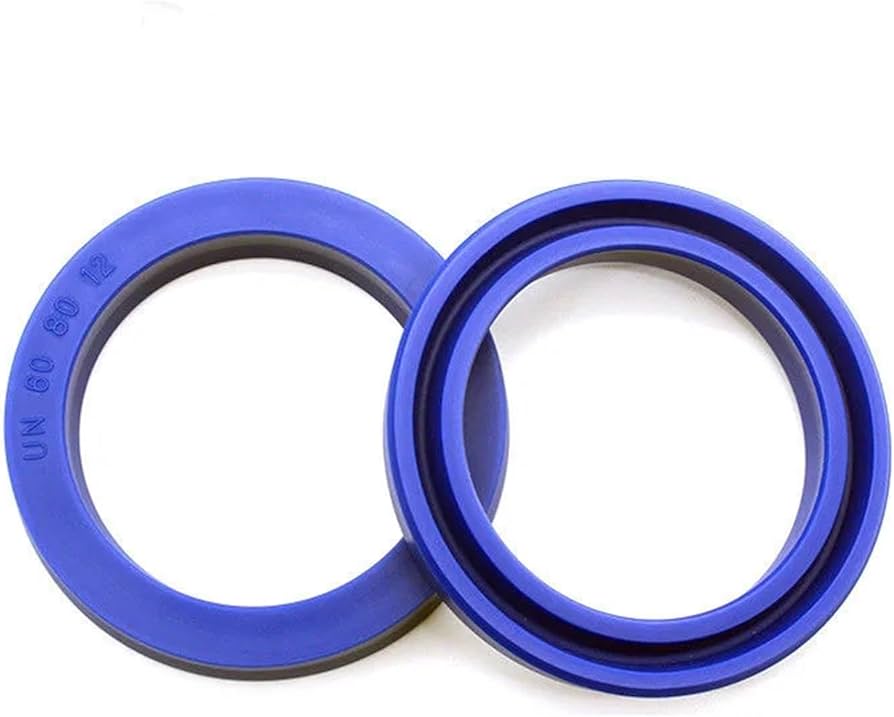
NAS Class 9 allows up to 64 particles per mL in the 5–15 μm size range. The percussion bore seal's lip contact zone is approximately 0.8–1.2 mm wide and 280–320 mm in circumference — a contact area of roughly 250–384 ...
VIEW MORE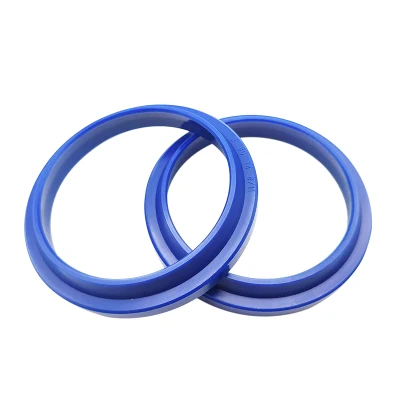
The distinction between dynamic and static isn't about whether the seal moves — it's about whether the sealing surface moves relative to the seal. A static seal sits between two stationary faces: a manifold gasket, a housing O-ring, a port face...
VIEW MORE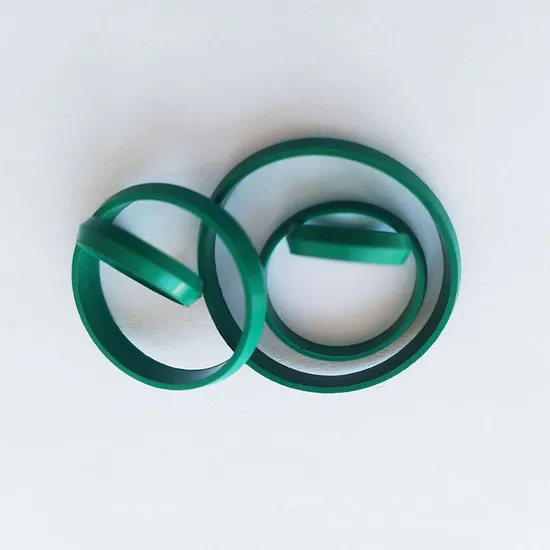
Rotary motor seals run against a continuously rotating shaft — typically 200–600 RPM in rock drill rotation motors — at modest interface velocities. Linear cylinder seals run against a reciprocating rod at higher peak velocity but m...
VIEW MORE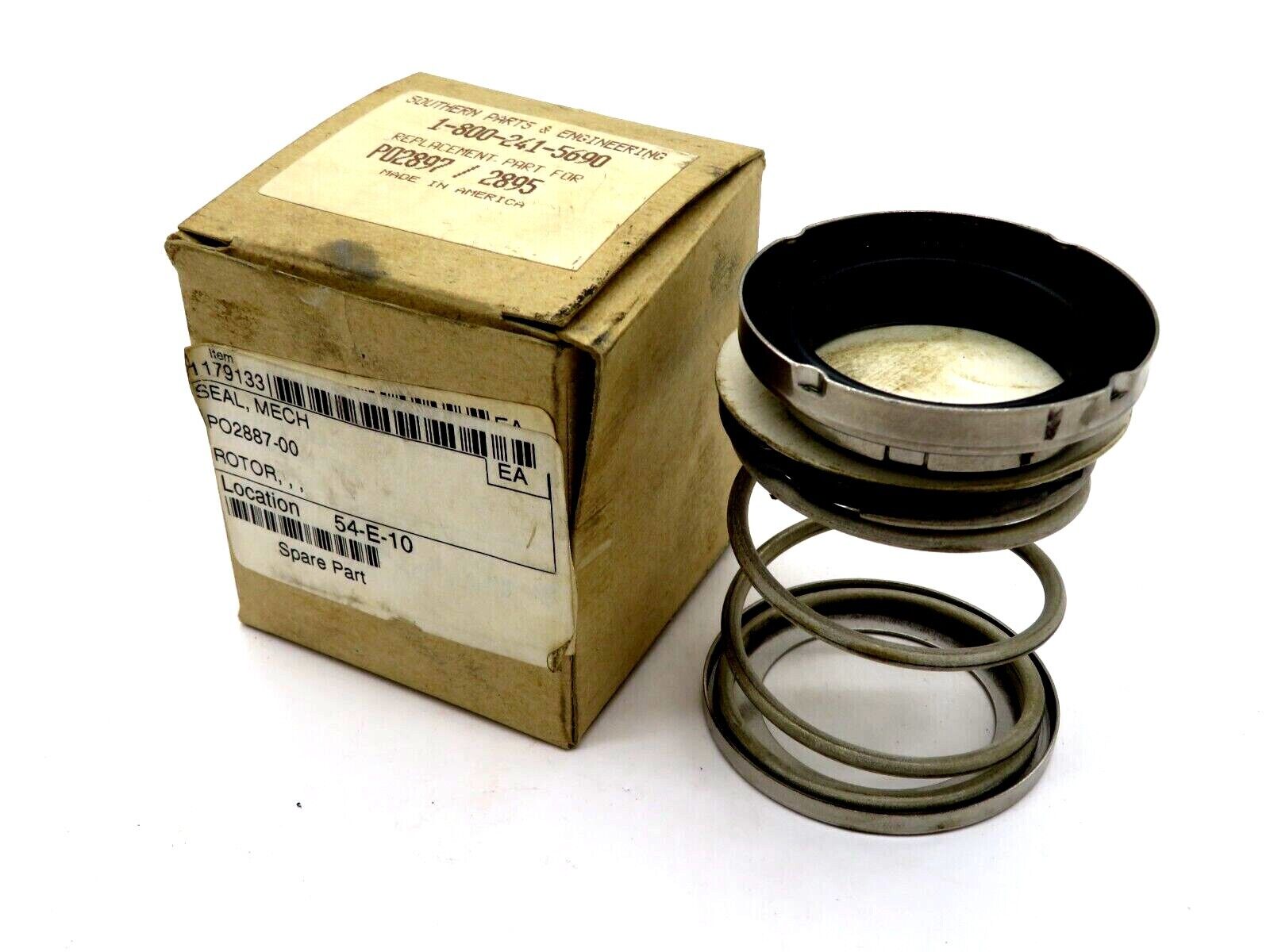
At 4,200 meters above sea level — roughly the operating elevation at several Andean copper and gold mines in Peru and Chile — atmospheric pressure is 61% of sea-level value. That reduction affects the hydraulic rock drill in three ways th...
VIEW MORE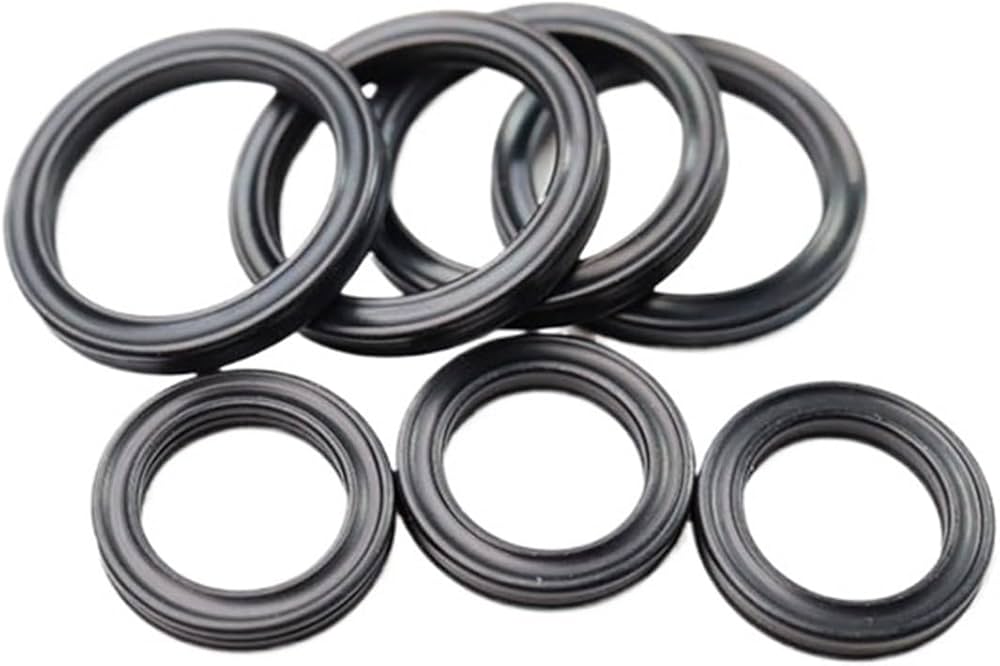
Shore A hardness is a proxy for three things simultaneously: resistance to compression-set under sustained load, resistance to extrusion under high pressure, and flexibility for initial seating against bore micro-geometry. The tradeoffs are real. A S...
VIEW MORE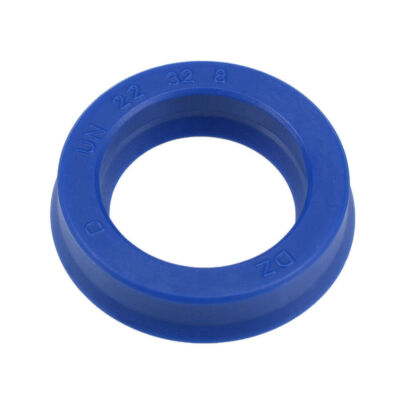
VG 68 oil in a circuit designed for VG 46 doesn't cause immediate seal failure — it causes a slow thermal failure that looks like early seal fatigue at the 200-hour inspection. The mechanism: higher-viscosity oil at operating temperature create...
VIEW MORE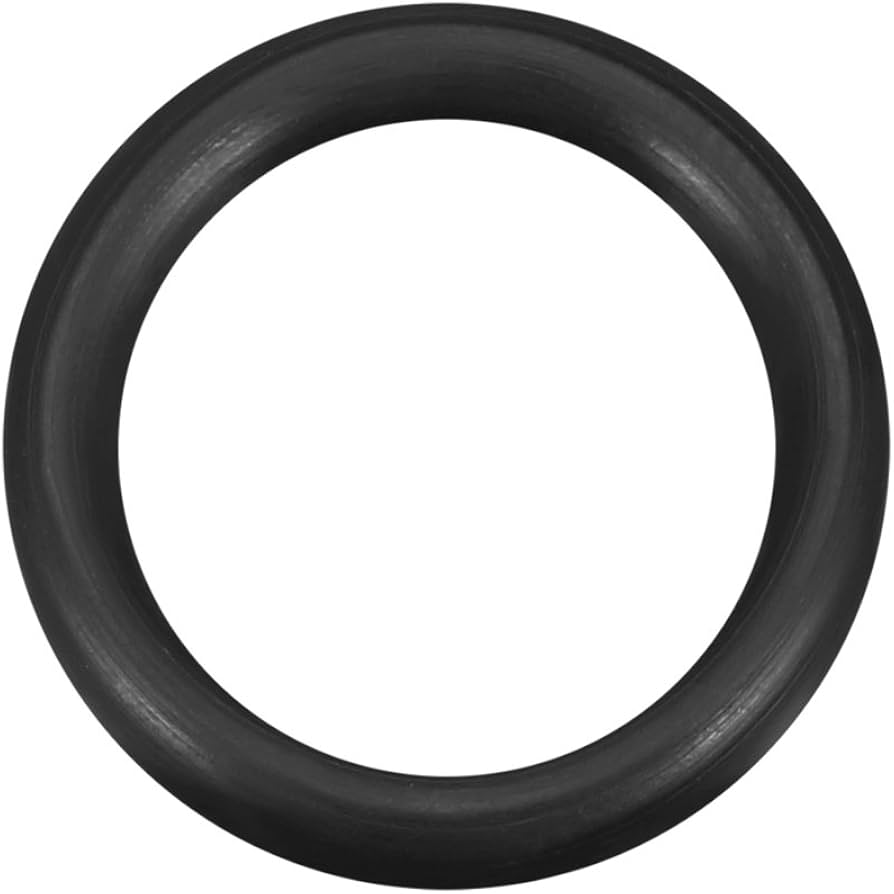
The piston is the wrong place to start understanding percussion energy. The piston is the output of a hydraulic oscillator, not its cause. The seal lifespan question isn't how hard the piston hits — it's how many times the seal lip traverses th...
VIEW MORE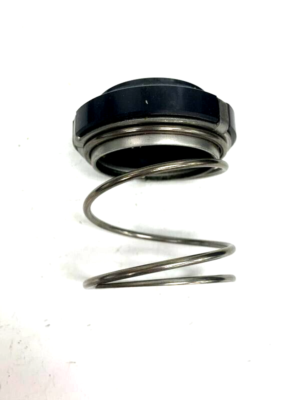
Seal consumables represent 2–4% of total rock drill operating cost under well-managed conditions. That figure comes from operating cost audits across Atlas Copco RD-series and Sandvik DD-series fleets in Sweden, Finland, and Norway, covering 12...
VIEW MORE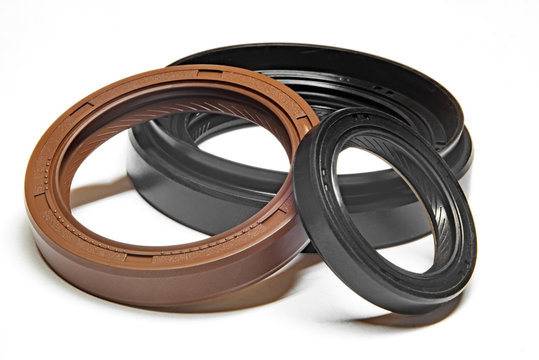
The question is almost unanswerable in isolation — and that's the problem with cheap seal kits. The damage accumulates invisibly across three or four replacement cycles before it shows up as a measureable reduction in bore diameter or pump perf...
VIEW MORE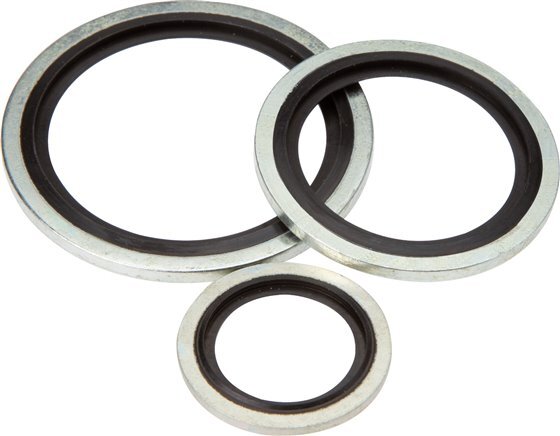
A kit at 0.30× the price of an OEM seal kit and a kit at 0.85× the price are not different versions of the same product — they are different products that happen to fit in the same groove. The 0.30× kit uses commodity NBR comp...
VIEW MORE
Welcome to HOVOO, a Chinese seal factory. Production of PU, Rubber and PTFE seals. The seals include O-ring, piston seal, rod seal, Gray ring and gas seal.


 EN
EN
 AR
AR CS
CS DA
DA NL
NL FI
FI FR
FR DE
DE EL
EL IT
IT JA
JA KO
KO NO
NO PL
PL PT
PT RO
RO RU
RU ES
ES SV
SV TL
TL IW
IW ID
ID LV
LV SR
SR SK
SK VI
VI HU
HU MT
MT TH
TH TR
TR FA
FA MS
MS GA
GA CY
CY IS
IS KA
KA UR
UR LA
LA TA
TA MY
MY
