

 EN
EN
 AR
AR CS
CS DA
DA NL
NL FI
FI FR
FR DE
DE EL
EL IT
IT JA
JA KO
KO NO
NO PL
PL PT
PT RO
RO RU
RU ES
ES SV
SV TL
TL IW
IW ID
ID LV
LV SR
SR SK
SK VI
VI HU
HU MT
MT TH
TH TR
TR FA
FA MS
MS GA
GA CY
CY IS
IS KA
KA UR
UR LA
LA TA
TA MY
MY
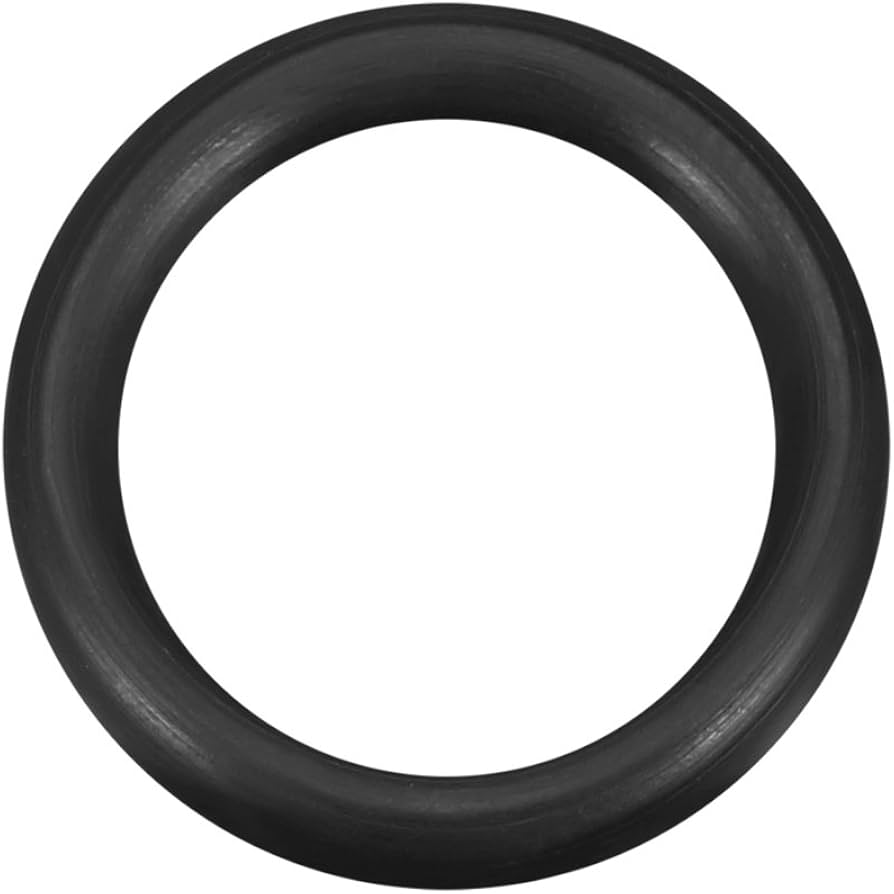
The piston is the wrong place to start understanding percussion energy. The piston is the output of a hydraulic oscillator, not its cause. The seal lifespan question isn't how hard the piston hits — it's how many times the seal lip traverses the bore surface per hour and what the peak contact stress is at each traverse. At 45 Hz, the seal accumulates 162,000 contact cycles per hour. At 55 Hz, that's 198,000 — a 22% increase in fatigue accumulation rate for the same elapsed time. The mathematical limit of seal life, expressed in contact cycles rather than hours, remains roughly constant. The hour-based interval shortens as frequency rises.
The frequency effect on contact stress is more complex than cycle count alone. At higher percussion frequencies, the dwell time between strokes shortens, reducing the oil film recovery time between seal lip contact events. At 45 Hz, the seal has 22 milliseconds between contact events. At 55 Hz, that drops to 18 milliseconds. The oil film rebuilds in 15–18 milliseconds under clean ISO 46 oil at 72°C — meaning that at 55 Hz, some contact events occur before full film recovery, creating boundary lubrication conditions for a fraction of each cycle. That boundary lubrication fraction increases seal wear rate by 12–18% beyond what cycle count alone would predict.
Impact Frequency Effect on Seal Life
Percussion Frequency |
Contact Cycles per Hour |
Oil Film Recovery Margin |
Expected Service Life Adjustment |
40 Hz — low frequency drifters |
144,000 cycles/hour |
25 ms dwell — full film recovery between cycles |
Baseline: use standard 400–480 hour interval |
45 Hz — standard light-medium class |
162,000 cycles/hour |
22 ms dwell — adequate film recovery most conditions |
Standard interval — 400–460 hours in clean oil |
50 Hz — standard medium class |
180,000 cycles/hour |
20 ms dwell — marginal film recovery at high temperature |
360–420 hours — reduce by 10% in elevated temperature circuits |
55 Hz — light tunnel drifters |
198,000 cycles/hour |
18 ms dwell — partial film recovery at operating temperature |
320–380 hours — reduce interval 15–20% from 45 Hz baseline |
65–80 Hz — high-frequency specialized |
234,000–288,000 cycles/hour |
12–15 ms dwell — significant boundary lubrication fraction |
260–320 hours — requires frequent oil cleanliness verification |
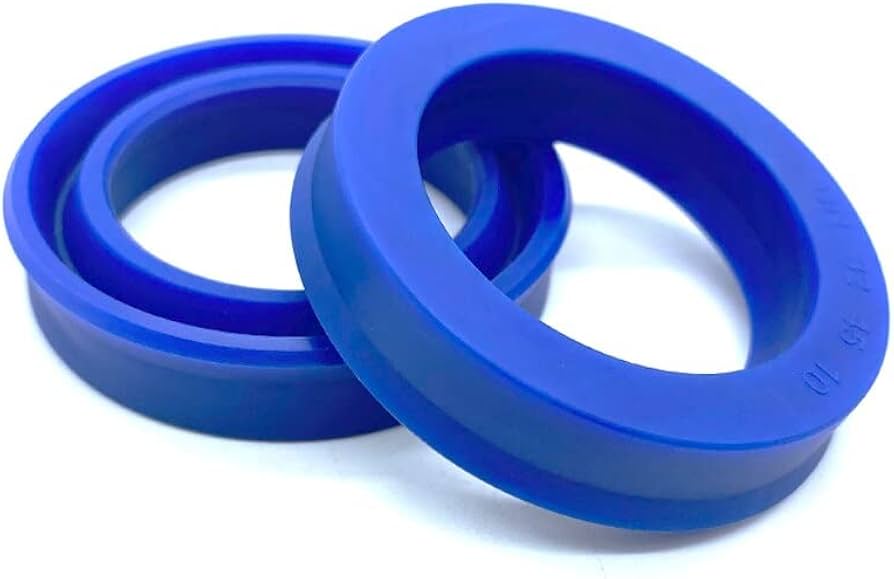
The frequency-adjusted interval matters most for fleets that run mixed-frequency equipment — applying a 50 Hz interval to a 55 Hz machine underestimates replacement frequency by 15–20%, creating predictable unplanned seal failures. HOVOO provides frequency-adjusted service interval recommendations for all major drifter platforms, factored against oil temperature and cleanliness data. References at hovooseal.com.


