33-99No. Mufu E Rd. Gulou District, Nanjing, China [email protected] | [email protected]
33-99No. Mufu E Rd. Gulou District, Nanjing, China [email protected] | [email protected]
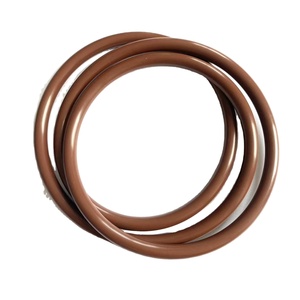
A reversed lip seal doesn't leak immediately. It seals the wrong direction — and that's the dangerous version of the failure. A percussion seal installed with the lip facing away from the high-pressure side seals adequately at idle but allows b...
VIEW MORE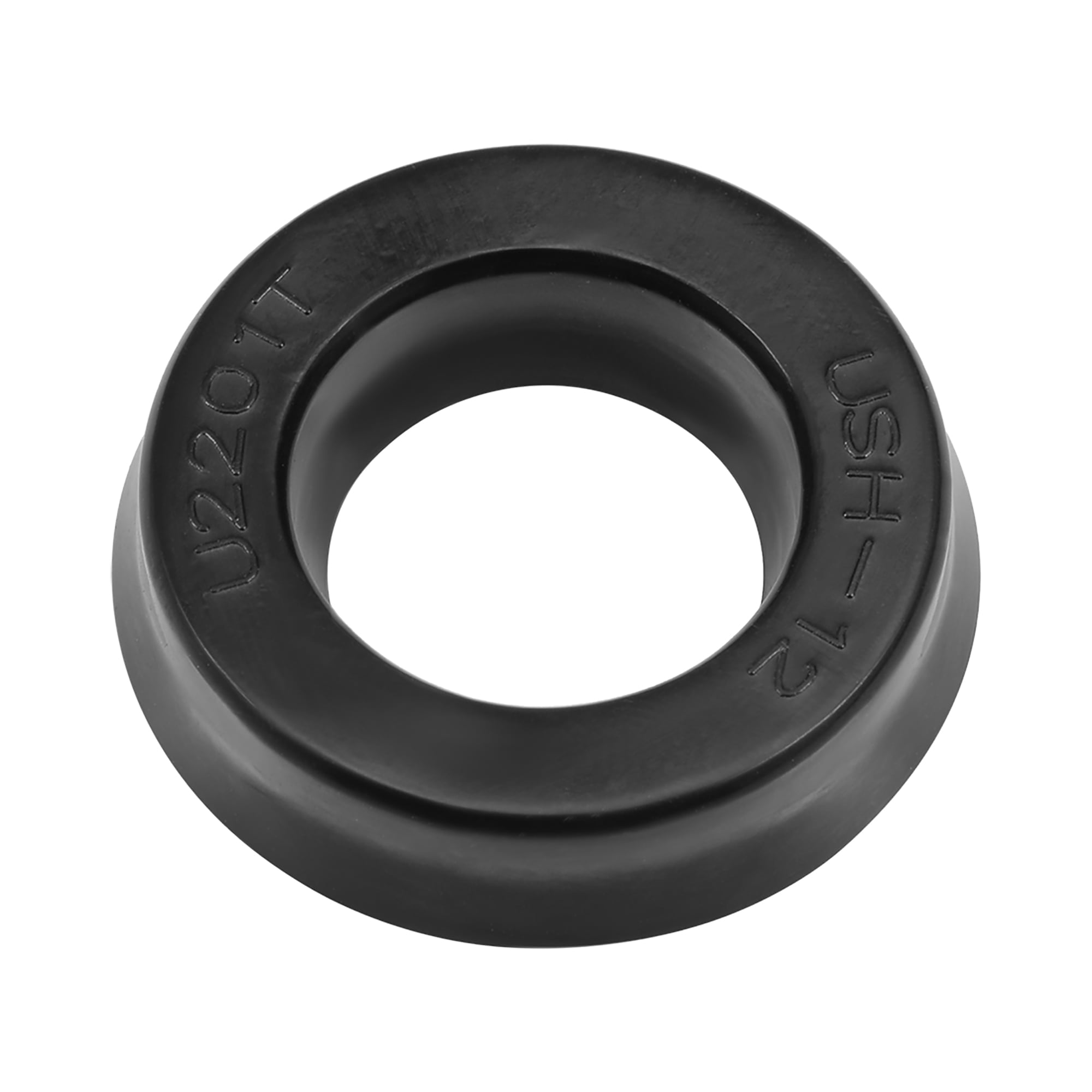
The lubricant used during seal installation isn't just an assembly convenience — it's the first fluid that contacts the seal compound, and using the wrong one degrades the seal before it sees a single percussion cycle. Petroleum-based greases s...
VIEW MORE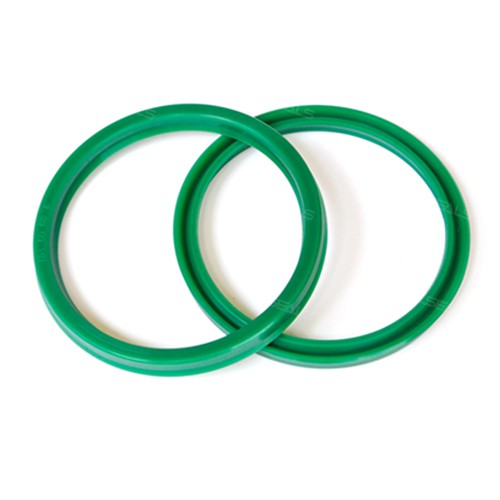
Skipping the flush and installing new seals into a contaminated circuit is the second most expensive mistake in rock drill maintenance — second only to not changing the seals at all. The contamination that caused the previous seal failure doesn...
VIEW MORE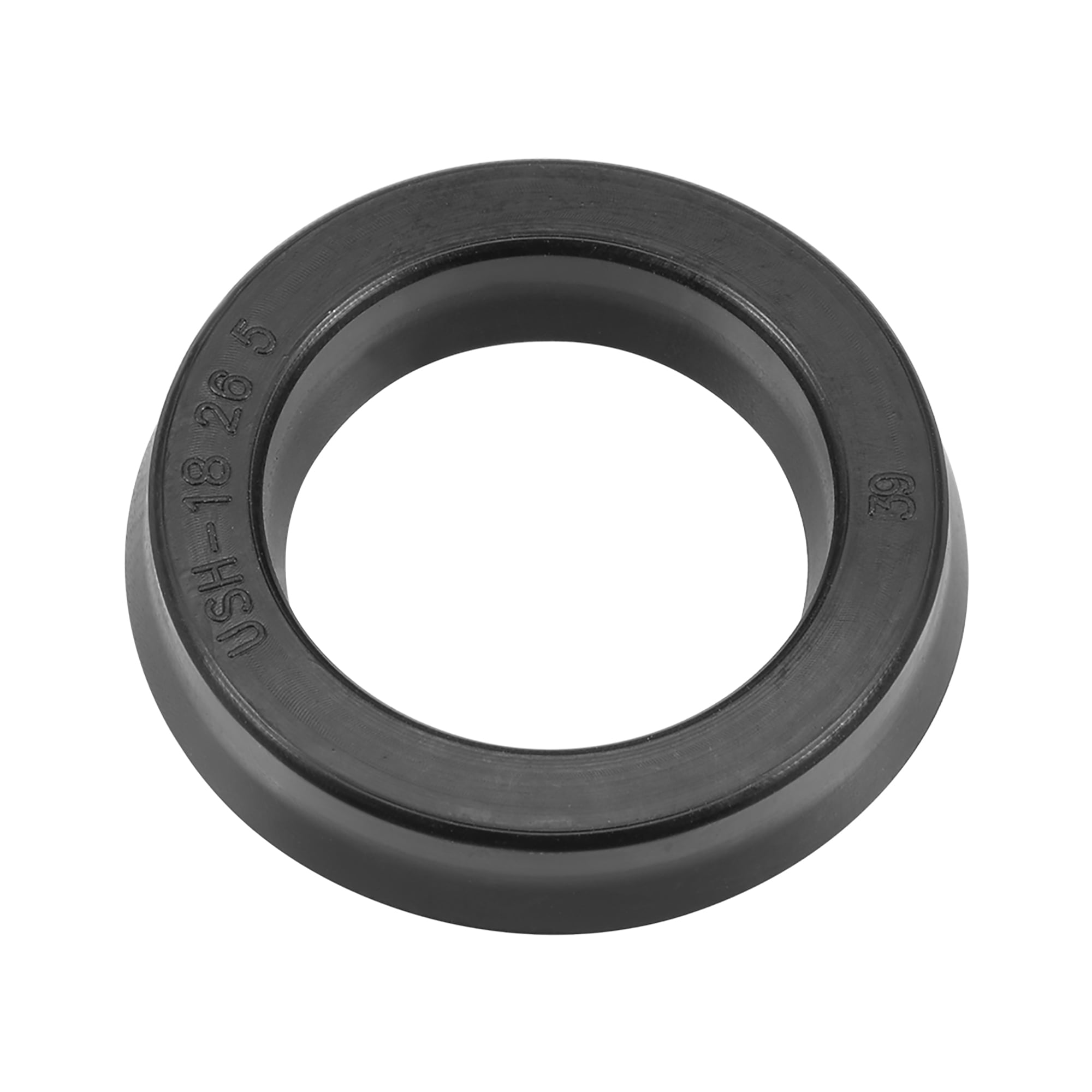
The single most expensive measurement mistake in seal ordering isn't measuring the wrong dimension — it's measuring the installed seal rather than the groove. An installed seal is compressed; its cross-section and inner diameter are both smalle...
VIEW MORE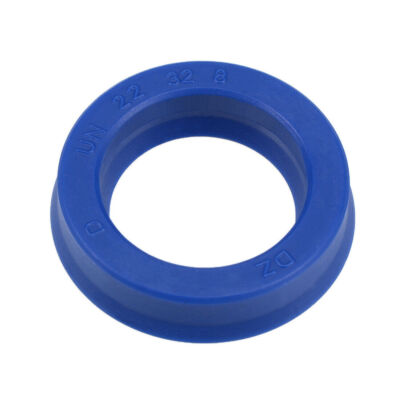
Impact mechanism seals and feed mechanism seals operate in completely different regimes and fail for completely different reasons — yet both are lumped into 'seal kit' ordering without distinguishing them. The impact mechanism seal runs at 40&n...
VIEW MORE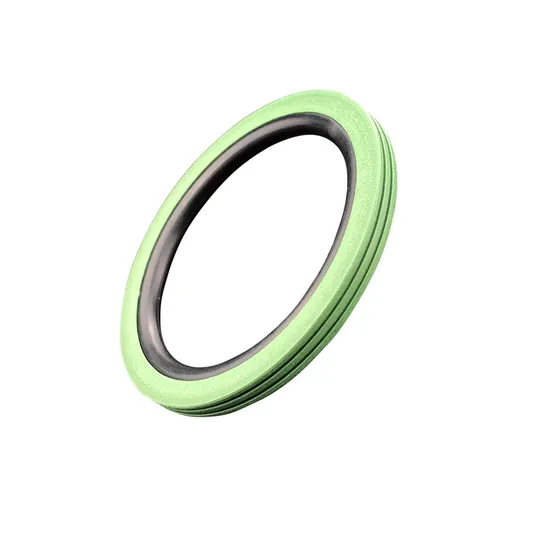
They use the same seal types but not the same specifications — and the distinction matters in the percussion circuit above all other circuits. Mining drills in production drilling applications run continuous percussion for 25–35 minutes p...
VIEW MORE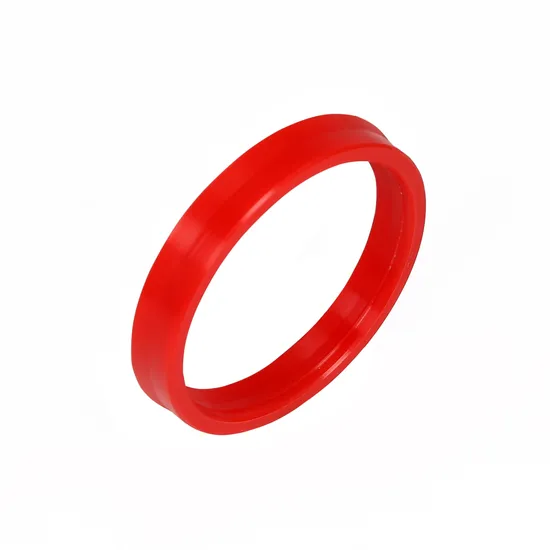
Accumulator seals fail for a different reason than percussion seals — they fail from nitrogen, not from hydraulic oil. The high-pressure accumulator is charged to 50–90 bar N₂ on the gas side. The diaphragm or piston seal separates that g...
VIEW MORE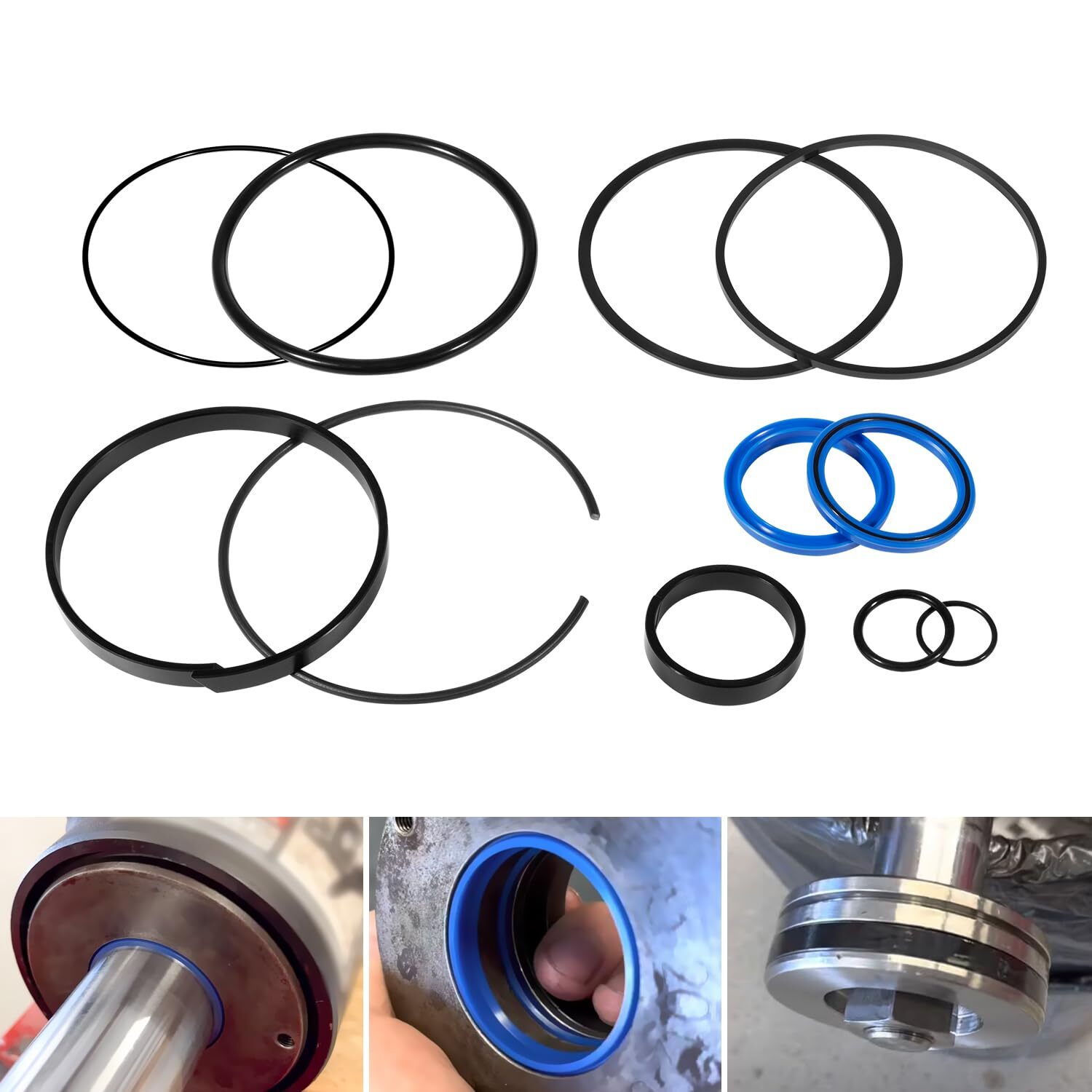
At 200 bar and above, standard Shore 90 PU seals experience a failure mode that doesn't appear at lower pressures: extrusion into the backup ring gap. At 160–185 bar, the seal deforms elastically under pressure and recovers on the return stroke...
VIEW MORE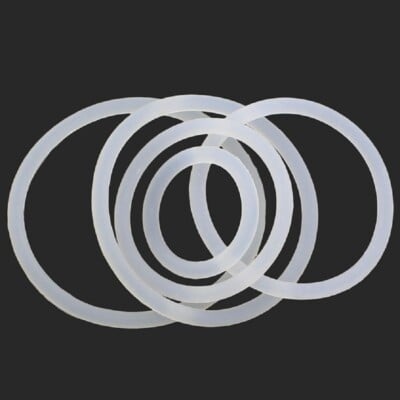
The manufacturers' catalogs will say no. The dimensional reality is more nuanced — and understanding exactly where dimensions converge and diverge prevents both false economies and unnecessary rejections. Atlas Copco and Sandvik percussion bore...
VIEW MORE
Most seal kit complaints trace back to a simple problem: the kit didn't include everything the application actually requires. A kit labeled 'complete' for an RD18U that omits the accumulator diaphragm isn't complete — it's a partial kit with a ...
VIEW MORE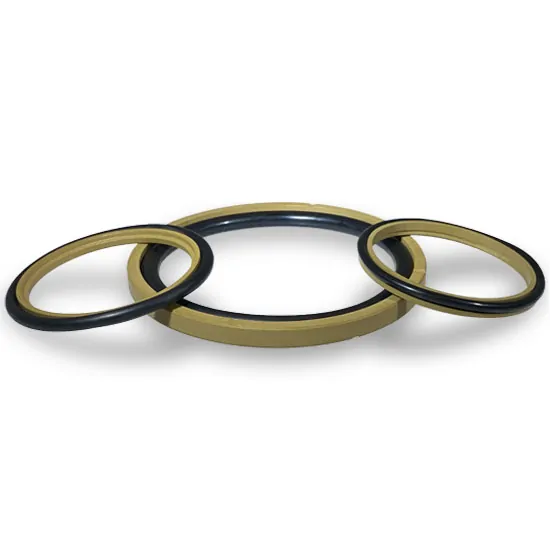
Every aftermarket supplier claims OEM equivalence. The difference shows up at 250 hours, not at installation. OEM seals are manufactured to groove geometry specifications that are specific to each model — the lip angle, the backup ring clearanc...
VIEW MORE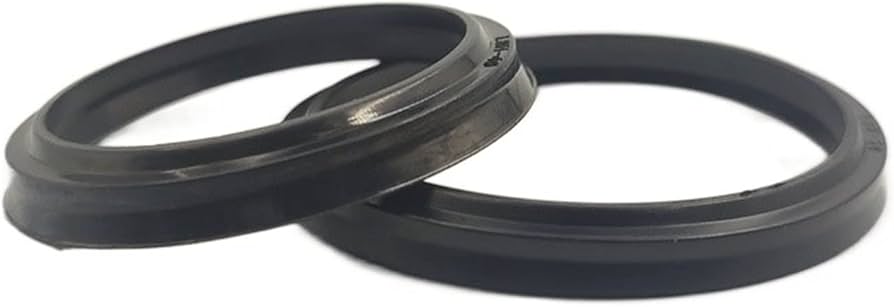
A seal kit that looks right and measures wrong causes the same failure as one that never fit at all — it just takes 200 hours to show it. The cross-section dimension tolerance matters most: a 0.2 mm oversize cross-section in an NBR O-ring gener...
VIEW MORE
Welcome to HOVOO, a Chinese seal factory. Production of PU, Rubber and PTFE seals. The seals include O-ring, piston seal, rod seal, Gray ring and gas seal.


 EN
EN
 AR
AR CS
CS DA
DA NL
NL FI
FI FR
FR DE
DE EL
EL IT
IT JA
JA KO
KO NO
NO PL
PL PT
PT RO
RO RU
RU ES
ES SV
SV TL
TL IW
IW ID
ID LV
LV SR
SR SK
SK VI
VI HU
HU MT
MT TH
TH TR
TR FA
FA MS
MS GA
GA CY
CY IS
IS KA
KA UR
UR LA
LA TA
TA MY
MY
