

 EN
EN
 AR
AR CS
CS DA
DA NL
NL FI
FI FR
FR DE
DE EL
EL IT
IT JA
JA KO
KO NO
NO PL
PL PT
PT RO
RO RU
RU ES
ES SV
SV TL
TL IW
IW ID
ID LV
LV SR
SR SK
SK VI
VI HU
HU MT
MT TH
TH TR
TR FA
FA MS
MS GA
GA CY
CY IS
IS KA
KA UR
UR LA
LA TA
TA MY
MY
A reversed lip seal doesn't leak immediately. It seals the wrong direction — and that's the dangerous version of the failure. A percussion seal installed with the lip facing away from the high-pressure side seals adequately at idle but allows bypass during percussion stroke when pressure is highest. The symptom is a drill that builds correct pressure at idle, shows correct pressure at low percussion frequency, and then drops 12–18 bar during sustained high-frequency percussion. Diagnosing this without knowing a reversed seal is possible requires isolating the percussion circuit at multiple pressure levels — a test most maintenance programs don't have documented.
The more common reversed installation is the wiper seal. A wiper seal installed with the lip facing inward (toward the oil) acts as a trap for debris rather than excluding it — every time the rod retracts, the reversed lip skims debris from the rod surface and deposits it inside the bore rather than excluding it. Within 80–120 hours in a normal dust environment, that accumulated debris scores the rod surface and begins scoring the percussion bore from the inside. The bore damage continues even after the wiper seal is correctly replaced at the next service. The rod may need replacement at that point.
Reversed Seal Failure Modes by Position
Seal Position |
Correct Lip Orientation |
Reversed Symptom |
Timeline to Detectable Damage |
Percussion bore lip seal (piston seal) |
Lip faces high-pressure side (toward percussion input) |
Pressure holds at idle; drops 12–18 bar during high-frequency percussion |
Detectable at 20–40 hours; bore scoring begins at 60–80 hours |
Rod wiper seal |
Lip faces outward — excludes debris from entering bore |
Debris accumulation inside bore rather than exclusion |
Rod scoring visible at 100–150 hours; bore damage at 180–220 hours |
Feed cylinder rod seal |
Single-acting: lip toward feed pressure side |
Stick-slip feeding during extension; no effect on retraction |
Detectable immediately — inconsistent feed force in one direction |
Rotation motor shaft seal |
Lip faces oil-side (toward motor interior) |
Oil loss from motor exterior at shaft exit |
Immediate — oil appears at shaft seal face within 1–2 operating hours |
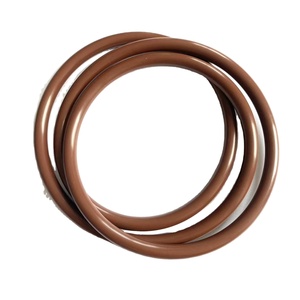
O-ring (symmetric — no directional concern) |
No orientation required — symmetric cross-section |
No reversed installation possible for standard O-rings |
Not applicable — O-rings are non-directional |
The verification procedure takes 30 seconds: hold the lip seal up and confirm the lip angle is facing toward the pressure side before insertion. A diagram of the correct orientation for each position in the kit is the most valuable documentation a seal supplier can provide with a kit. HOVOO includes orientation diagrams for every directional seal in kit documentation for Atlas Copco and Sandvik drifter platforms. References at hovooseal.com.


