

 EN
EN
 AR
AR CS
CS DA
DA NL
NL FI
FI FR
FR DE
DE EL
EL IT
IT JA
JA KO
KO NO
NO PL
PL PT
PT RO
RO RU
RU ES
ES SV
SV TL
TL IW
IW ID
ID LV
LV SR
SR SK
SK VI
VI HU
HU MT
MT TH
TH TR
TR FA
FA MS
MS GA
GA CY
CY IS
IS KA
KA UR
UR LA
LA TA
TA MY
MY
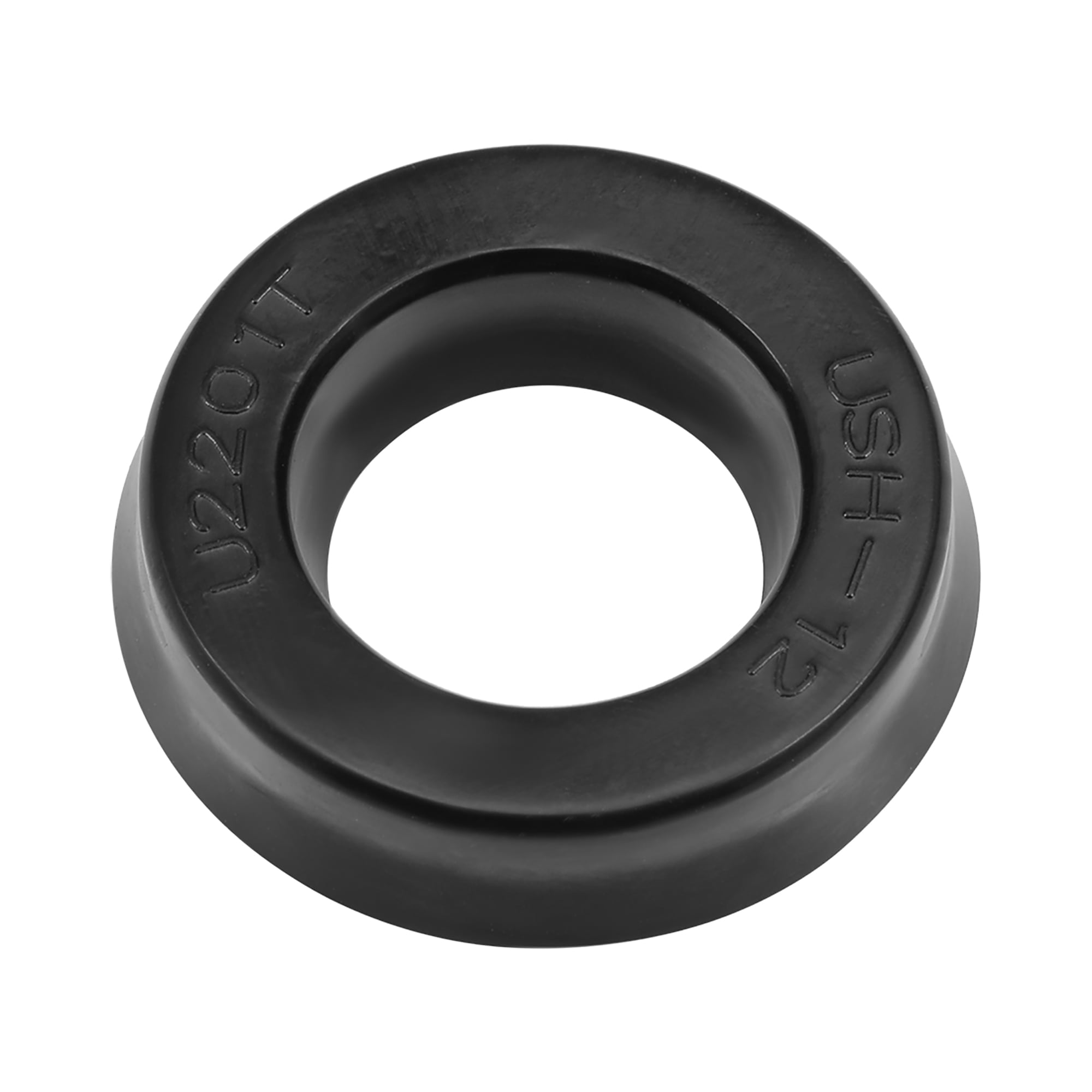
The lubricant used during seal installation isn't just an assembly convenience — it's the first fluid that contacts the seal compound, and using the wrong one degrades the seal before it sees a single percussion cycle. Petroleum-based greases swell NBR rubber by 8–14% volumetric expansion within 2–4 hours of contact. That swelling distorts the lip geometry, pushes the seal cross-section outside its groove tolerance, and causes extrusion past the backup ring at first pressurization. The failure at 40–60 hours looks like a bad kit when the assembly lubricant is the real cause.
The correct lubricants: silicone grease (Dow Corning DC-111 or equivalent) for NBR and HNBR seals in mineral oil circuits; clean system hydraulic fluid (same type as the circuit fluid) for PU seals in high-pressure percussion applications. PU compound has excellent compatibility with petroleum-based hydraulic fluid — using the circuit oil directly as assembly lubricant ensures zero compound interaction and zero contamination from a different substance entering the circuit. Never use silicone grease on PU percussion seals in mineral oil circuits; silicone's low surface tension causes micro-channeling along the bore contact zone that allows initial bypass at startup.
Seal Lubrication Compatibility Guide
Seal Compound |
Correct Assembly Lubricant |
Incorrect Lubricants (Never Use) |
Why Incorrect Fails |
NBR standard O-rings and lip seals |
Silicone grease DC-111 or equivalent, thin film |
Petroleum grease, motor oil, WD-40, copper paste |
Petroleum contact causes NBR swell 8–14% — extrusion from groove |
PU Shore 90–95 percussion seals |
Clean system hydraulic fluid (VG 46 same as circuit) |
Silicone grease, petroleum grease, water |
Silicone creates micro-channeling at bore; water causes corrosion at lip contact |
HNBR seals (hot circuit applications) |
Silicone grease thin film, or clean system fluid |
Petroleum grease — HNBR resistant but swelling still occurs |
Use silicone for safety; petroleum swells HNBR at 4–6% — less than NBR but measurable |
FKM (Viton) seals |
Silicone grease or system-compatible fluid only |
Petroleum grease, ketone-based cleaners, strong acids |
Ketone solvents attack FKM compound; petroleum causes 3–5% swell |
PTFE-backed lip seals (wiper, feed cylinder) |
Dry installation or minimal silicone grease on NBR energizer only |
Any lubricant on PTFE face — PTFE is self-lubricating |
Lubricant on PTFE face reduces initial contact pressure — early bypass |
A single tube of silicone grease ($8–12) and correct application technique eliminates one of the most avoidable sources of premature seal failure in the field. HOVOO includes compound-correct assembly lubricant sachets with percussion seal kits for Atlas Copco and Sandvik drifters. Full specifications at hovooseal.com.


