33-99No. Mufu E Rd. Gulou District, Nanjing, China [email protected] | [email protected]
33-99No. Mufu E Rd. Gulou District, Nanjing, China [email protected] | [email protected]
The question is wrong — and the wrong answer costs money. NBR and FKM aren't competitors for the same application; they perform in different temperature and chemical windows. NBR lasts longer in standard mineral oil circuits below 100°C. FK...
VIEW MORE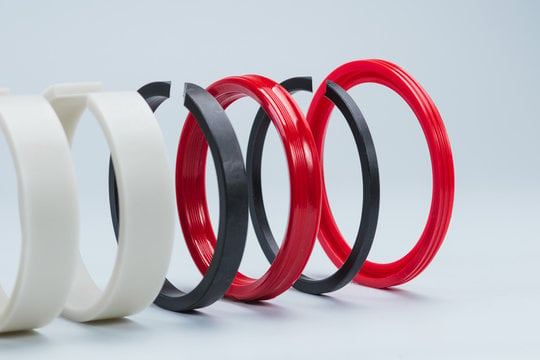
Dust environments don't kill seals through direct abrasion — they kill them through a three-step cascade that takes 80–120 hours to complete. Step one: dust particles above 15 μm bypass the wiper seal because the wiper lip has softened...
VIEW MORE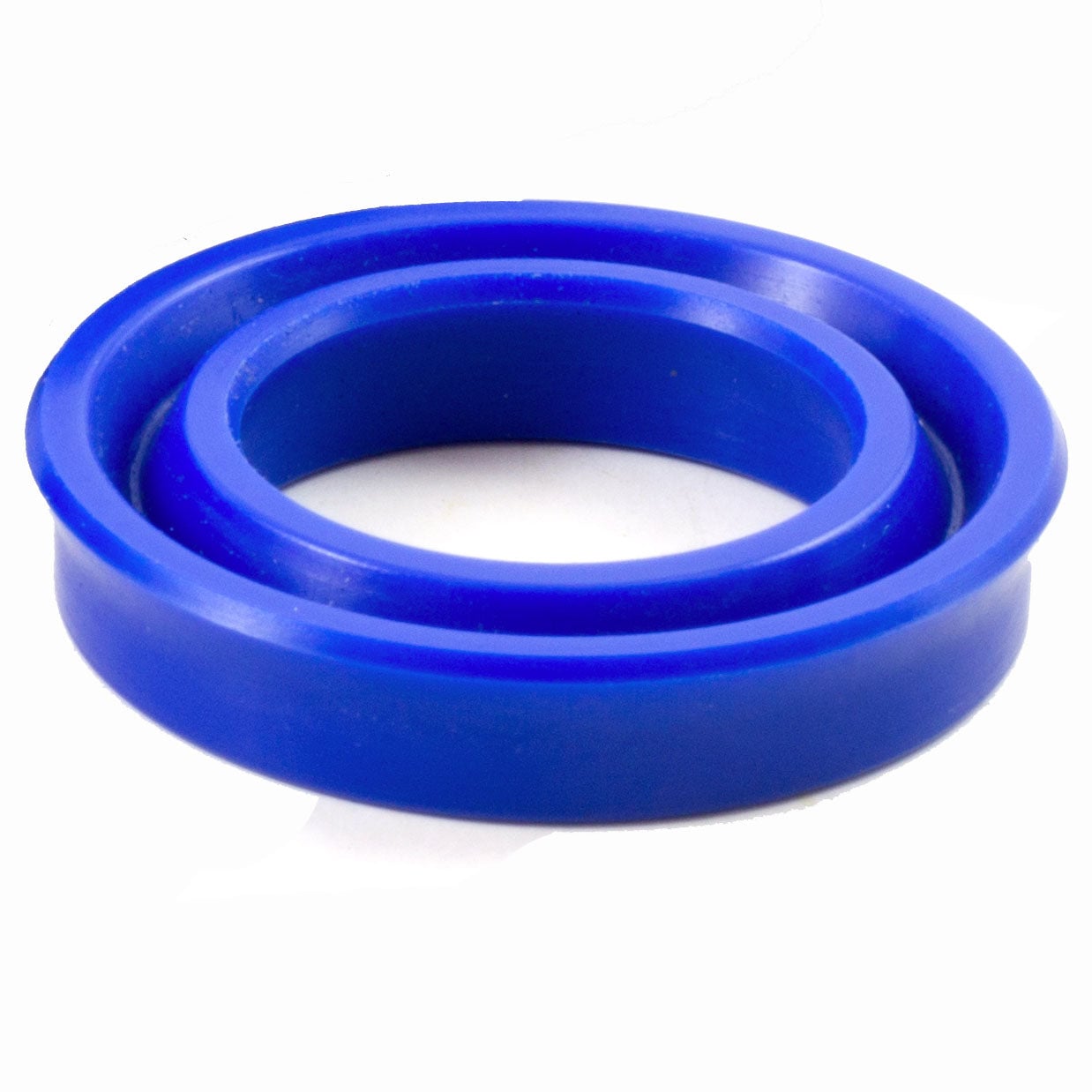
Seal fracture within the first 100 operating hours almost always points to installation error. Seal degradation that begins after 150–200 hours and accelerates toward 300 hours almost always points to wrong material selection. The timeline is t...
VIEW MORE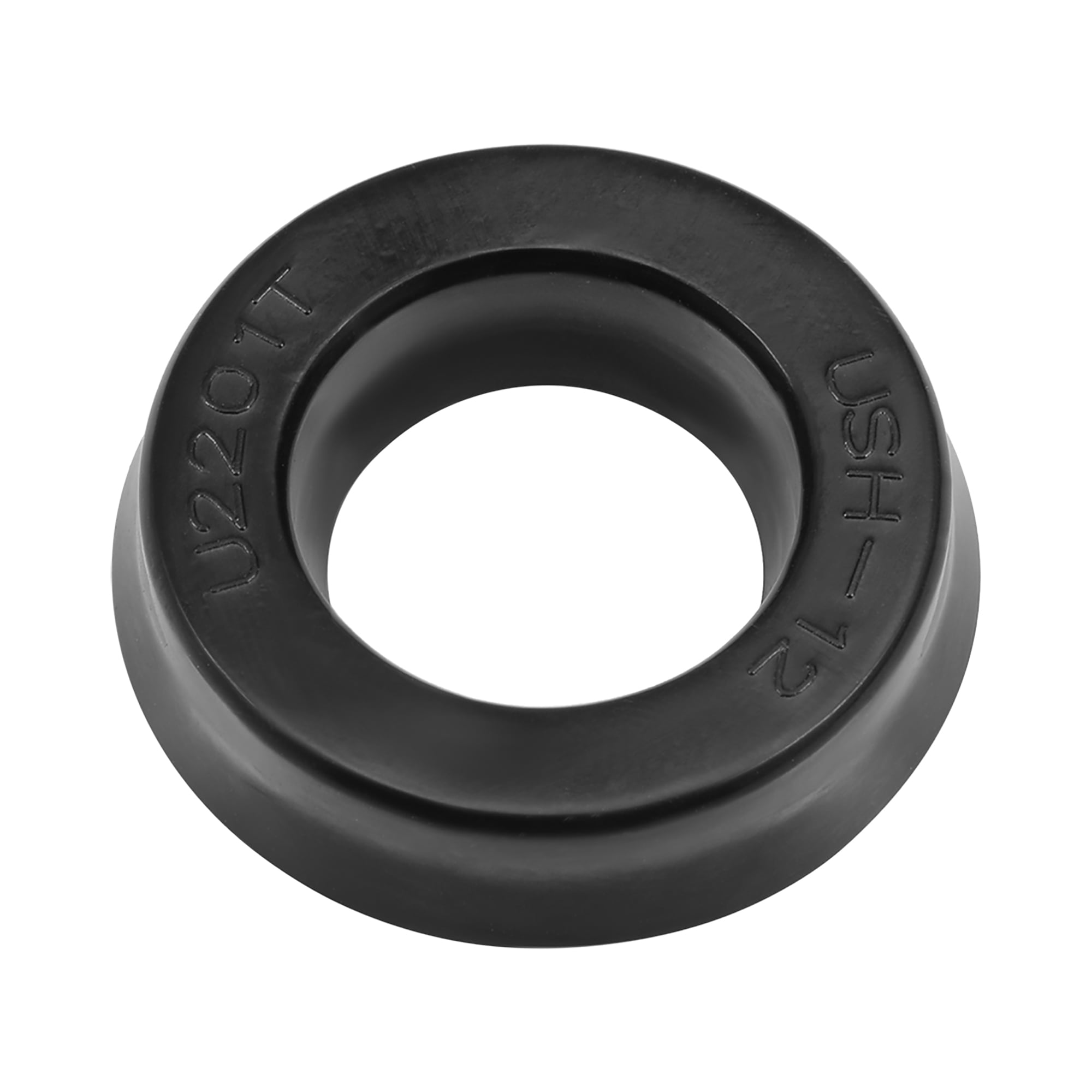
The two failure modes produce the same symptom — pressure loss, reduced percussion energy, rising oil temperature — but they require completely different repairs. Trying to diagnose internal leakage without distinguishing the source resul...
VIEW MORE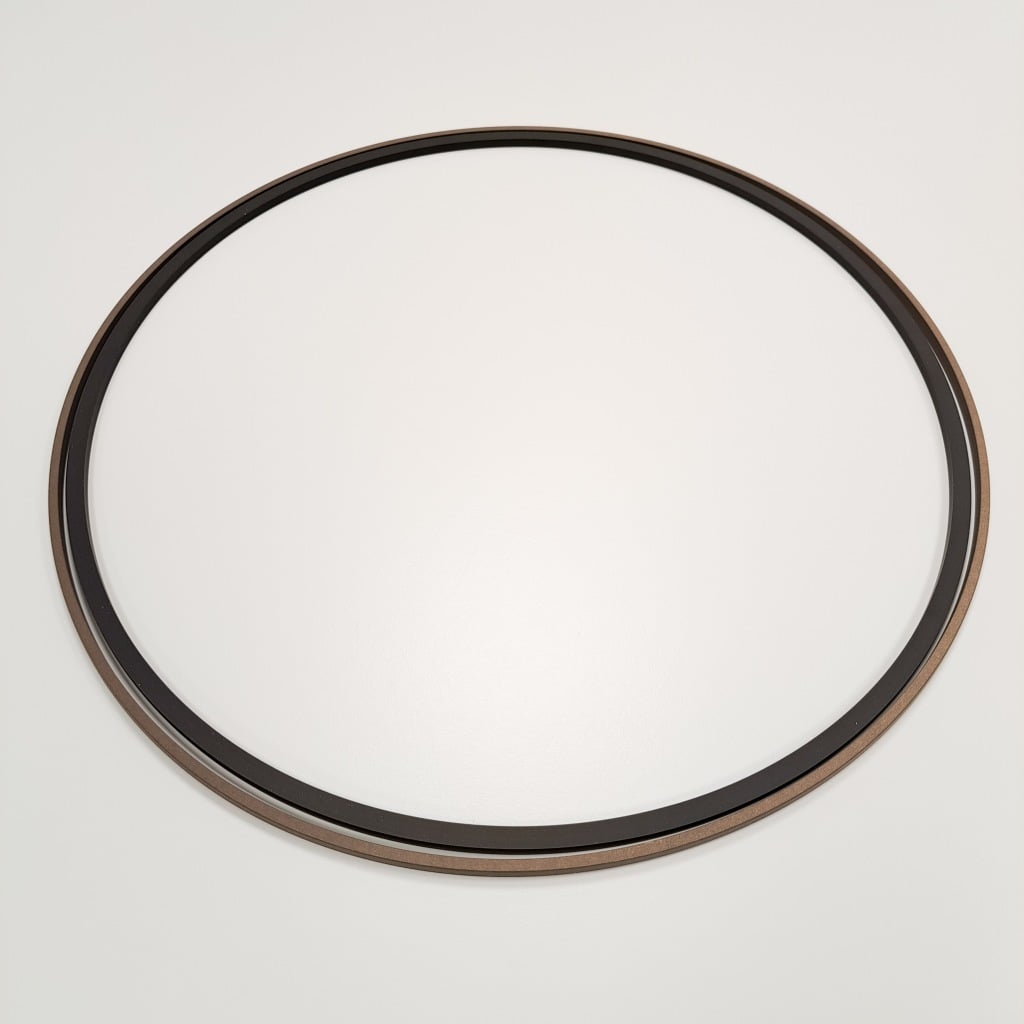
Control valve seal leaks behave differently from percussion bore leaks — they show up in the wrong place at the wrong time. A percussion bore leak appears during drilling, under load. A control valve seal leak typically appears at idle, or duri...
VIEW MORE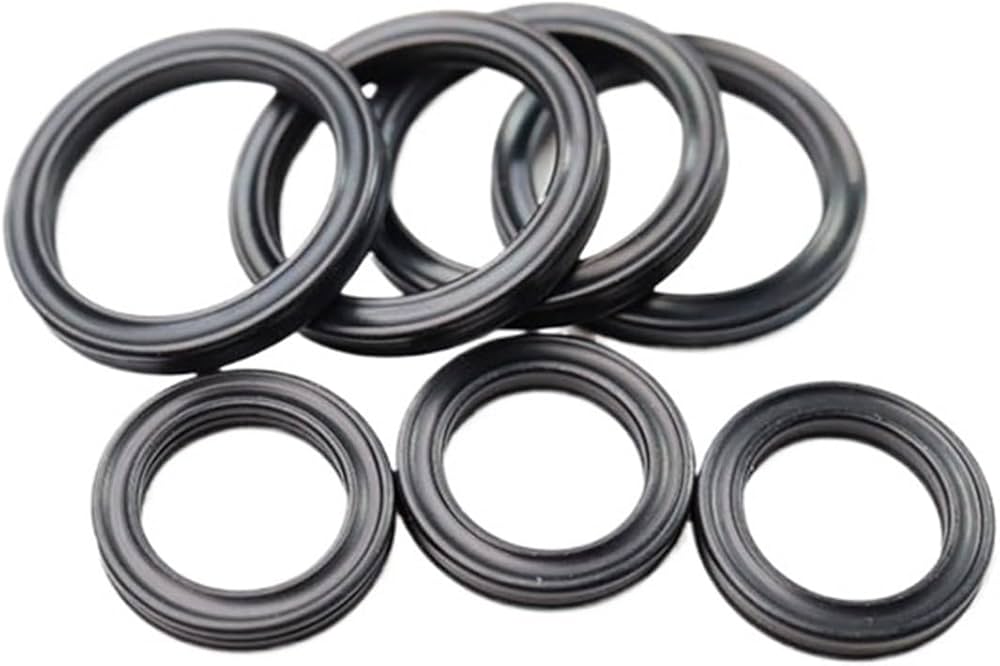
The problem isn't cold itself — it's the transition from cold to operating pressure. NBR compound at −20°C has a Shore hardness approximately 15–18 points higher than its rated value at 20°C. When a drill starts percussion a...
VIEW MORE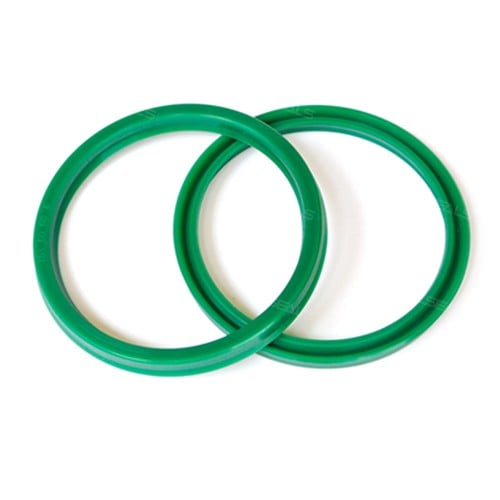
The seals announce their condition through three other systems before any oil appears on the outside. First signal: percussion pressure drop. A healthy drifter running 160–175 bar shows a stable pressure reading at the percussion circuit gauge....
VIEW MORE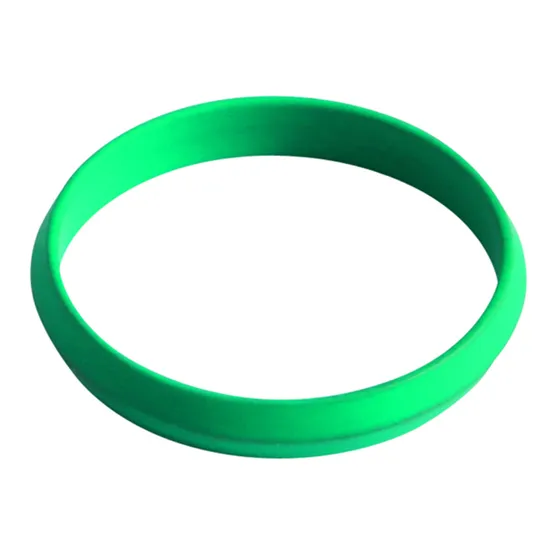
Milky white hydraulic oil means water in the circuit — and in a rock drill, the most common entry point isn't the hydraulic tank. It's the flushing water circuit. Rock drills use pressurized water at 4–8 bar for bit cooling and cuttings f...
VIEW MORE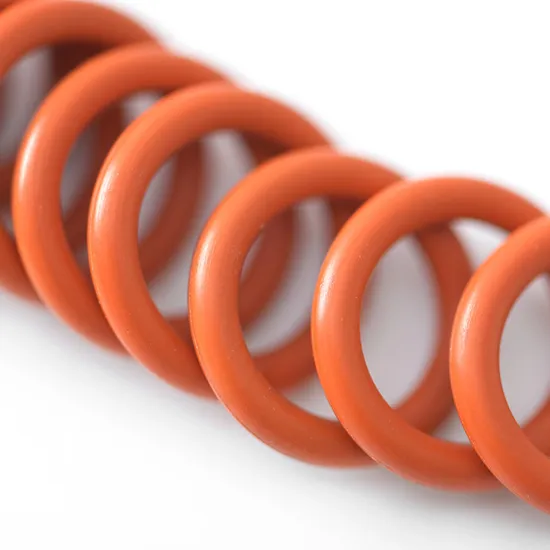
The short answer is no — but the reason matters more than the answer. A failed piston rod seal doesn't just leak oil externally; it immediately contaminates the hydraulic circuit with particulate from the scored zone around the rod. Within 20&n...
VIEW MORE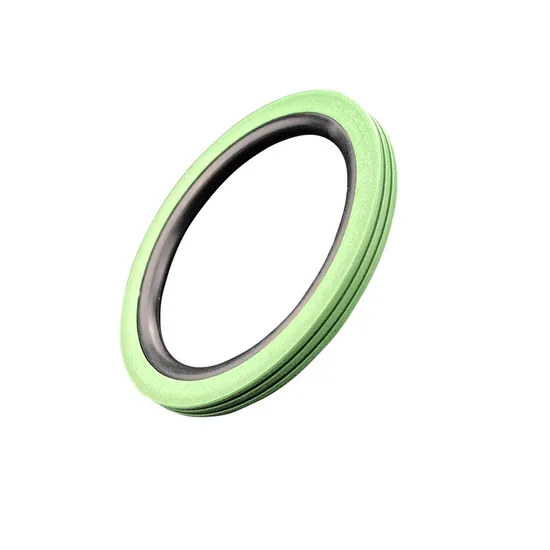
The 400-hour figure isn't arbitrary — it comes from contact cycle math. At 50 Hz percussion frequency, the dynamic percussion seal accumulates 180,000 load-and-release cycles per operating hour. By the 400-hour mark, that's 72 million cycles on...
VIEW MORE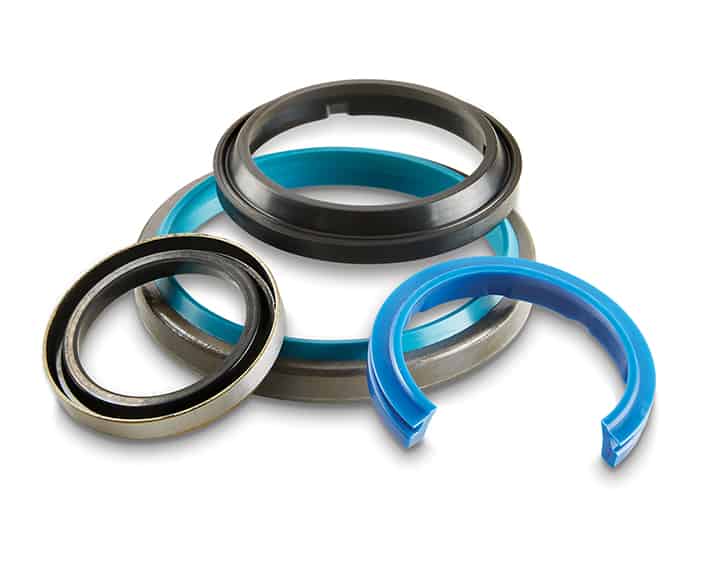
Replacing the seals and still finding oil is the most demoralizing outcome in drill maintenance. In most cases, the seal is fine. The bore it's running against isn't. After 3,000–4,000 operating hours, the percussion bore surface develops micro...
VIEW MORE
Pin shafts in the HLX5T production drill rig's boom linkages operate under a more severe fatigue regime than development rig pins because the HLX5T's heavier percussion class delivers higher percussion reaction loads through the boom structure to eve...
VIEW MORE
Welcome to HOVOO, a Chinese seal factory. Production of PU, Rubber and PTFE seals. The seals include O-ring, piston seal, rod seal, Gray ring and gas seal.


 EN
EN
 AR
AR CS
CS DA
DA NL
NL FI
FI FR
FR DE
DE EL
EL IT
IT JA
JA KO
KO NO
NO PL
PL PT
PT RO
RO RU
RU ES
ES SV
SV TL
TL IW
IW ID
ID LV
LV SR
SR SK
SK VI
VI HU
HU MT
MT TH
TH TR
TR FA
FA MS
MS GA
GA CY
CY IS
IS KA
KA UR
UR LA
LA TA
TA MY
MY
