33-99No. Mufu E Rd. Gulou District, Nanjing, China [email protected] | [email protected]
33-99No. Mufu E Rd. Gulou District, Nanjing, China [email protected] | [email protected]
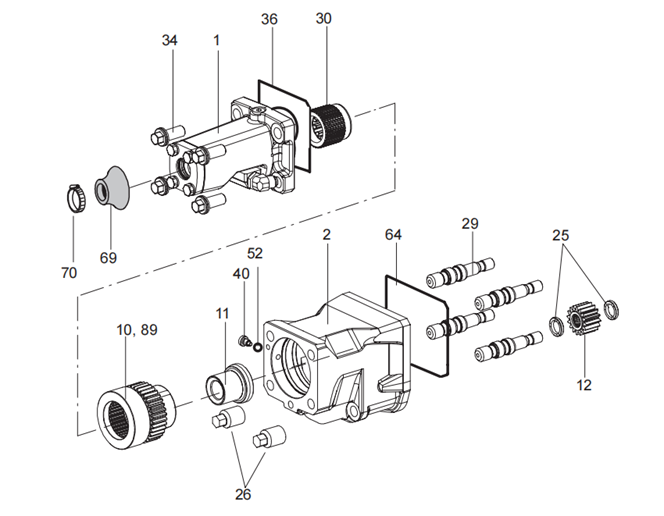
The HLX5T seal kit operates at percussion pressures 20–30 bar higher than most development drifters—200–230 bar at the percussion bore versus 160–180 bar for medium-class development drills. That pressure differential changes ...
VIEW MORE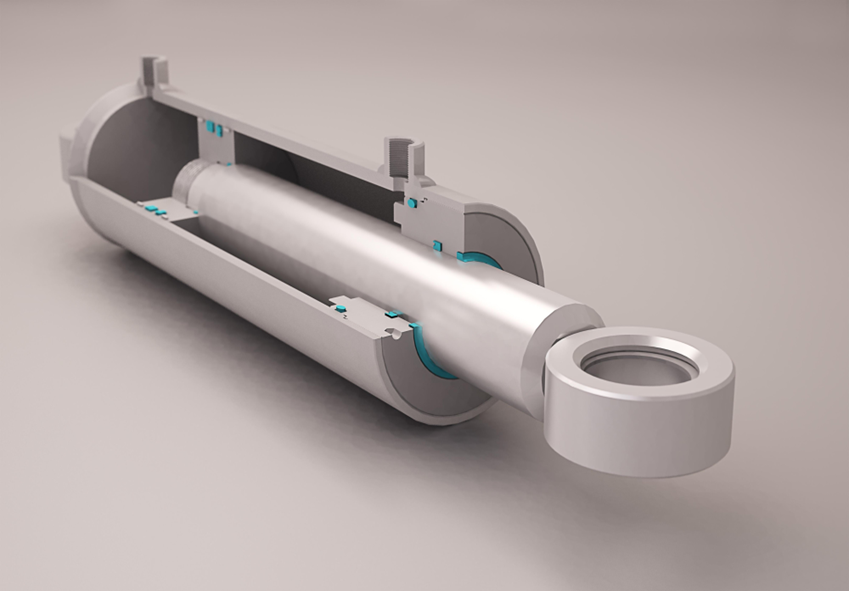
The feed cylinder on the HLX5T production drill rig advances the drifter along the feed beam during drilling and must maintain precise feed force control across the full range from 0 meters (collar setup) to 54 meters (maximum hole depth). Feed force...
VIEW MORE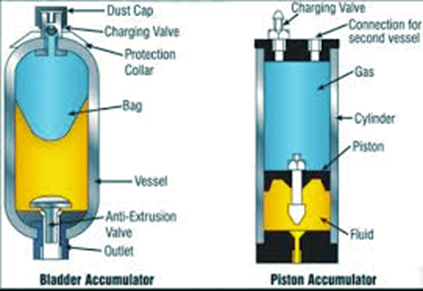
The HLX5T operates at higher percussion pressure than most development drifters—its heavy-duty classification requires hydraulic circuit pressures of 200–230 bar to deliver the 300+ J impact energy its production drilling role demands. Th...
VIEW MORE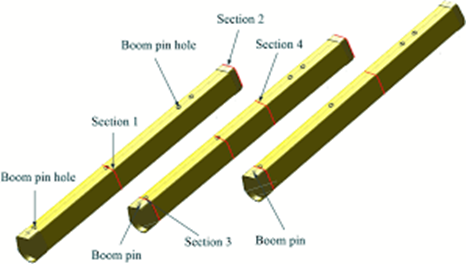
The HLX5T is mounted on a production drill rig boom that must position the drill at the exact collar positions defined by the longhole ring design—and hold that position within ±50 mm over the 25–45 minute drilling cycle for each h...
VIEW MORE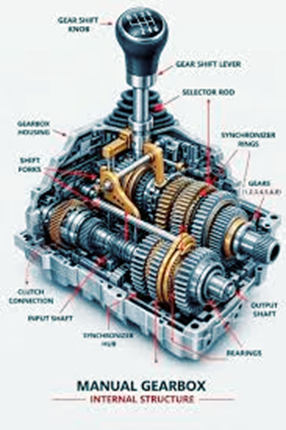
The HLX5T gearbox connects the rotation motor to the drill string through a gear reduction that delivers high torque at the shank adapter to turn the heavy T51/GT60 rod string against the hard formation contact resistance. In sublevel stoping product...
VIEW MORE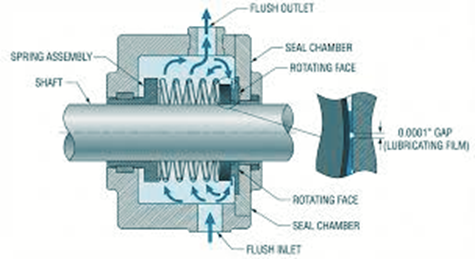
Flushing a longhole production hole with the HLX5T presents fundamentally different challenges from development drilling. In a 4-meter development hole, the flushing water travels 4 meters from the bit to the collar and returns in less than 3 seconds...
VIEW MORE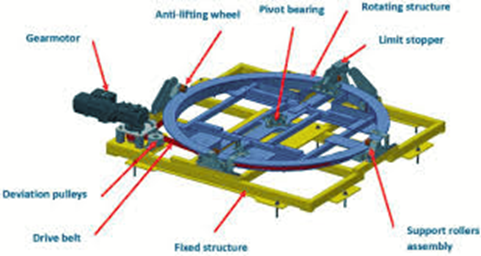
Longhole production drilling with the HLX5T places the rotation bushing in a loading condition that development drilling doesn't replicate: the drill string hangs 30–54 meters into the hole, and the combined weight of T51 rods in a 54-meter str...
VIEW MORE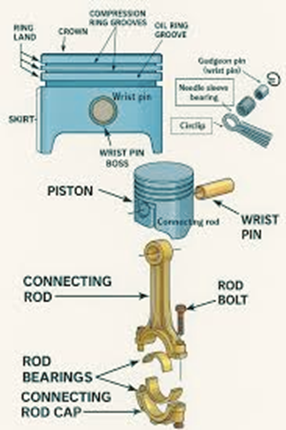
The Sandvik HLX5T is not a development drifter—it's a heavy-duty longhole rock drill mounted on production drill rigs for sublevel stoping, sublevel caving, and large-diameter ring drilling programs. At LKAB's Kiruna iron ore mine, where the HL...
VIEW MORE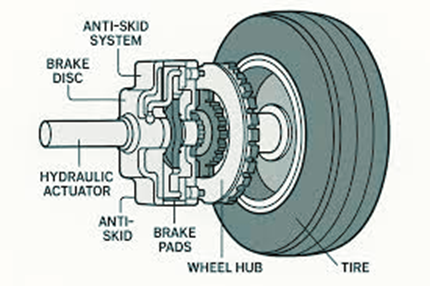
The DD2710 operates on pneumatic rubber tyres—a design choice that enables faster tramming speeds than crawler tracks and the compact turning radius needed in KGHM's 5×4 meter copper mine headings. But pneumatic tyres in Polish undergroun...
VIEW MORE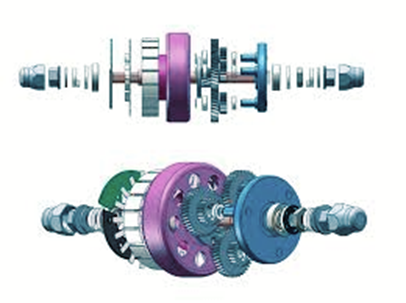
The DD2710 is a wheeled jumbo—it trams on rubber tires rather than crawling on tracks—and in Polish underground copper mining at KGHM's Lubin and Sieroszowice operations, tramming performance is a critical operational metric. KGHM's flat-...
VIEW MORE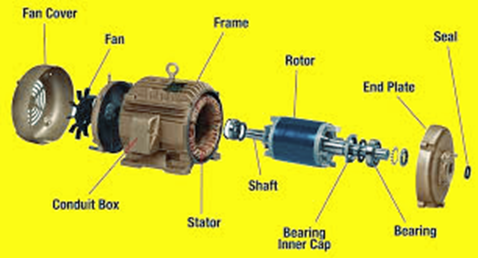
The DD2710 is an electric-hydraulic jumbo powered by 380V/50Hz three-phase supply through an onboard cable reel. The water pump motor is one of the 380V electric drive components—it runs continuously during drilling to maintain constant flushin...
VIEW MORE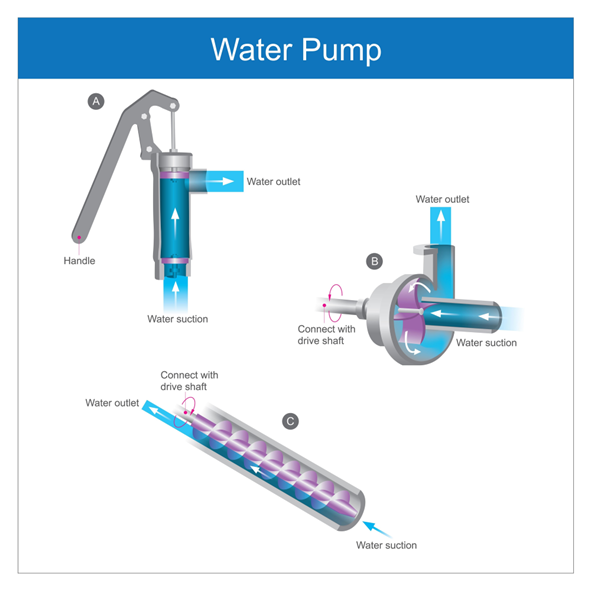
The DD2710's water pump delivers flushing water to the drifter at the 15–20 bar required for effective cuttings removal from Ø45–76 mm development holes. In Siberian underground operations at Polyus Natalka—where the mine wat...
VIEW MORE
Welcome to HOVOO, a Chinese seal factory. Production of PU, Rubber and PTFE seals. The seals include O-ring, piston seal, rod seal, Gray ring and gas seal.


 EN
EN
 AR
AR CS
CS DA
DA NL
NL FI
FI FR
FR DE
DE EL
EL IT
IT JA
JA KO
KO NO
NO PL
PL PT
PT RO
RO RU
RU ES
ES SV
SV TL
TL IW
IW ID
ID LV
LV SR
SR SK
SK VI
VI HU
HU MT
MT TH
TH TR
TR FA
FA MS
MS GA
GA CY
CY IS
IS KA
KA UR
UR LA
LA TA
TA MY
MY
