

 EN
EN
 AR
AR CS
CS DA
DA NL
NL FI
FI FR
FR DE
DE EL
EL IT
IT JA
JA KO
KO NO
NO PL
PL PT
PT RO
RO RU
RU ES
ES SV
SV TL
TL IW
IW ID
ID LV
LV SR
SR SK
SK VI
VI HU
HU MT
MT TH
TH TR
TR FA
FA MS
MS GA
GA CY
CY IS
IS KA
KA UR
UR LA
LA TA
TA MY
MY
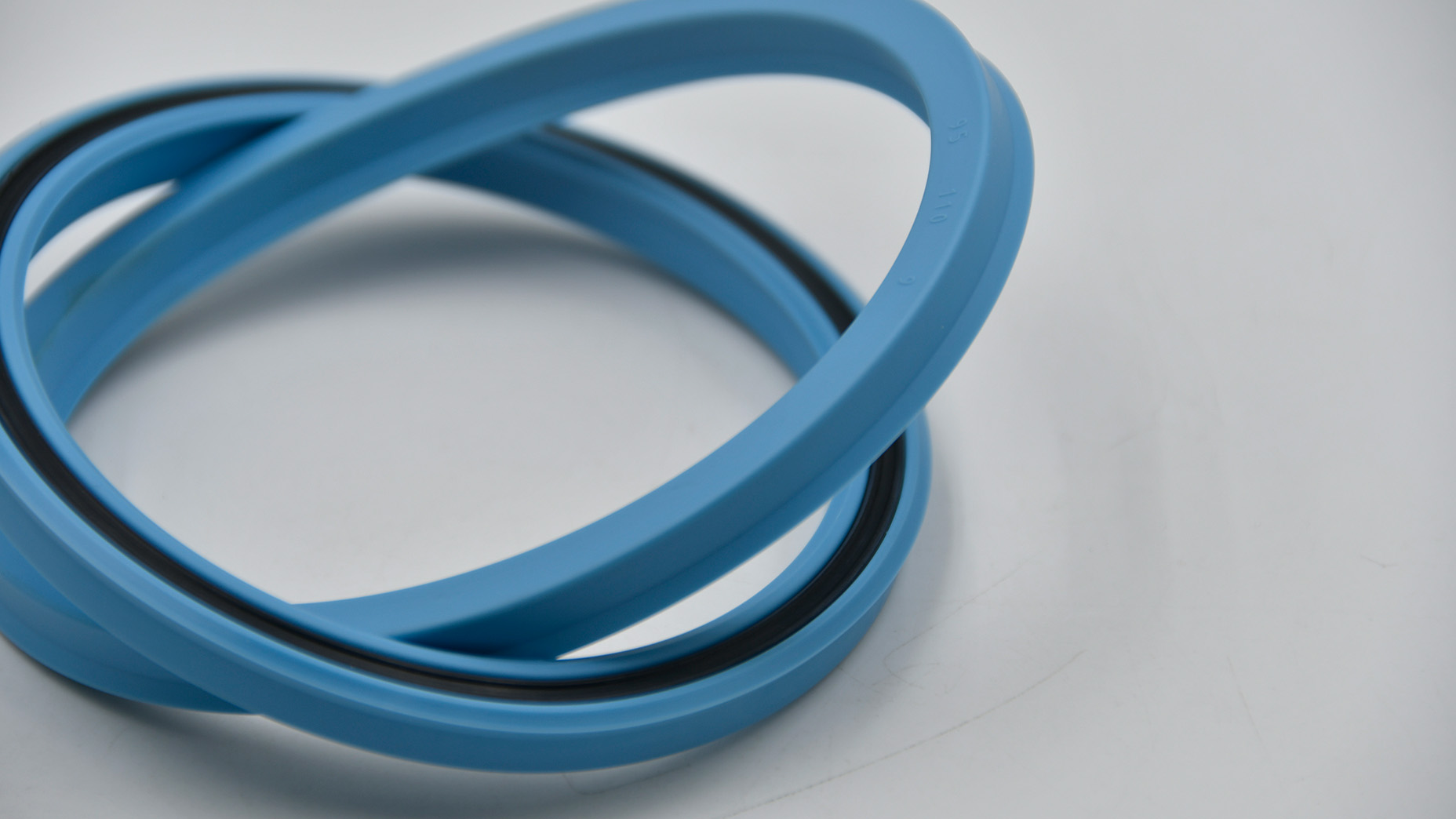
Different sealing points within the same machine impose completely different requirements on a U‑seal. Conversely, the identical U‑seal model can exhibit a hundred‑fold difference in service life when moved from one application to another. Multi‑working‑condition matching means independently selecting the seal for each sealing point based on its unique environment. This article demonstrates the full matching workflow using a typical construction machinery cylinder as an example.
1. Disassemble the Machine—Identify Sealing Points
Taking an excavator arm cylinder:
1. Piston seal: High pressure, frequent reversal, mineral oil → PU or PPDI recommended.
2. Rod seal: Exposed to external dust, side loads, abrasive contamination → Wear‑resistant PU + wiper seal.
3. Cushioning seal: Instantaneous pressure spikes, throttling impact → High‑hardness NBR or NBR/FKM composite.
4. Static seals: Flanges, end caps → O‑rings predominate; U‑seals rarely used here.
2. Environmental Parameters—Five‑Dimension Matching
· Pressure (P): <25 MPa → NBR/PU both acceptable; 25–40 MPa → PU + anti‑extrusion rings; 40 MPa → PPDI or composite seals.
· Speed (V): 0.3 m/s → low‑friction modification or PTFE coating beneficial.
· Temperature (T): Consider both max/min and cycling range.
· Medium (M): Mineral oil, emulsion, water‑based, phosphate ester, etc.
· Gap (G): Based on maximum radial clearance—determines need for backup rings and material hardness.
Hot Search Correlation:
“Reciprocating motion” (4.1K monthly, India/USA)—high‑frequency cycling imposes combined challenges of wear, heat buildup, and fatigue. PU combined with groove geometry optimisation is the mainstream solution.
3. Cross‑Standard Matching—Global Design
Equipment destined for export often must satisfy multiple national standards simultaneously. For example, a hydraulic cylinder shipped to France:
· Piston U‑seal: ISO 5597 (international)
· Rod U‑seal: DIN 3771 (common in Germany/France)
· Also provide JIS B 2401 dimensions as backup (Japanese‑owned OEMs often request this).
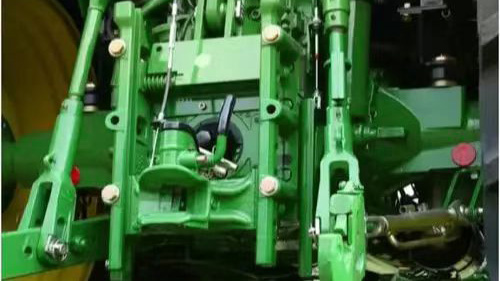
We offer multi‑standard compatible groove designs—a single groove that simultaneously satisfies ISO, DIN, and GB, eliminating duplicate mould investments.
Conclusion:
Multi‑working‑condition matching is not about installing the most expensive material everywhere. It is about placing the right seal in the right place. This is systems thinking—the evolution from selling components to selling sealing system solutions.


