

 EN
EN
 AR
AR CS
CS DA
DA NL
NL FI
FI FR
FR DE
DE EL
EL IT
IT JA
JA KO
KO NO
NO PL
PL PT
PT RO
RO RU
RU ES
ES SV
SV TL
TL IW
IW ID
ID LV
LV SR
SR SK
SK VI
VI HU
HU MT
MT TH
TH TR
TR FA
FA MS
MS GA
GA CY
CY IS
IS KA
KA UR
UR LA
LA TA
TA MY
MY
Mining procurement teams comparing these two models are usually looking at the same core problem: which one holds up better over a sustained production season without pulling the breaker off the excavator for scheduled rebuilds. Both are established mid-to-large class performers. The differences sit in the details of how each handles wear, maintenance access, and carrier flexibility on a working mine site.
Cat H160E S — Integration and Wear Management
Cat rates the H160E S at an energy class of 11,525 joules. The E Series housing uses a symmetrical design that rotates 180 degrees to compensate for wear — effectively doubling housing life without replacement. The lower section has rock edges that protect the housing and help position boulders for secondary breaking, a practical detail on open-cut faces where boulders roll after the first strike.
The optional autolube runs continuous greasing while the hammer operates, cutting the manual greasing interval that gets skipped on remote mine sites. The lower bushing rotates or swaps in under an hour without removing the power cell. On a fleet where the breaker is one tool among many on a rotating excavator, that speed matters. The H160E S is matched to Cat 324E through 374D L excavators — if your fleet is all Cat iron, the hydraulic integration is seamless.
Sandvik BR300-Class — Flow Tolerance and Field Simplicity
Sandvik's comparable mid-to-large class breakers are built around wide oil flow tolerance, adapting automatically to maintain maximum impact regardless of flow fluctuations from the carrier pump. In mining, where excavator hydraulic output can vary with engine load and temperature, that self-adjusting behaviour keeps productivity consistent without operator intervention. The idle blow protection cuts operation the moment pressure leaves the tool face — no dry firing into voids during secondary breaking of already-fractured ore.
No nitrogen recharge in the field is a genuine maintenance reduction on remote sites. VIDAT vibration-dampened tie rods reduce structural fatigue across long operating cycles on hard abrasive rock. The Ramvalve protects against hydraulic spike damage during installation or carrier switching.
Head-to-Head: Mining Operation Priorities
Factor |
Cat H160E S |
Sandvik BR300-class |
Impact energy |
11,525 J rated class |
Pressure control valve ensures max blow per stroke |
Carrier range |
Cat 324E–374D L optimised |
Wide oil flow tolerance; broad carrier fit |
Mining protection |
Symmetrical housing rotates 180° to extend wear life |
VIDAT tie rods; idle blow protection prevents dry firing |
Maintenance |
Autolube option; rotating bushing <1 hr swap |
No nitrogen recharge needed in field |
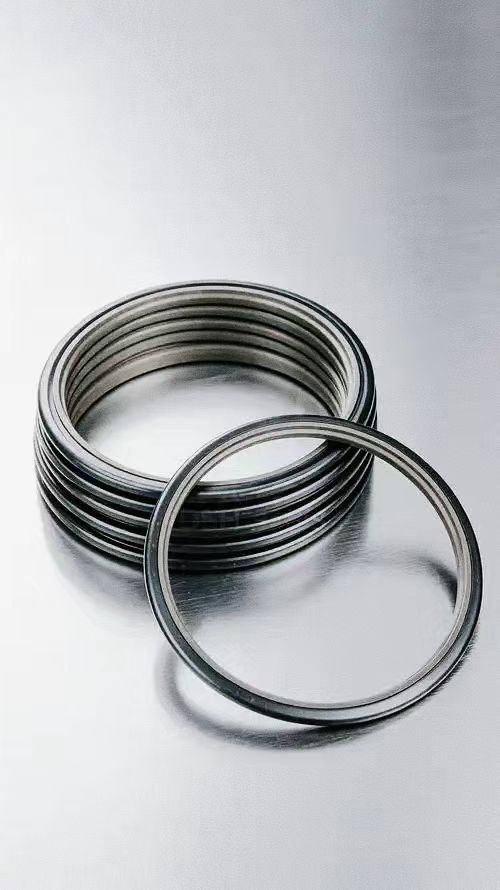
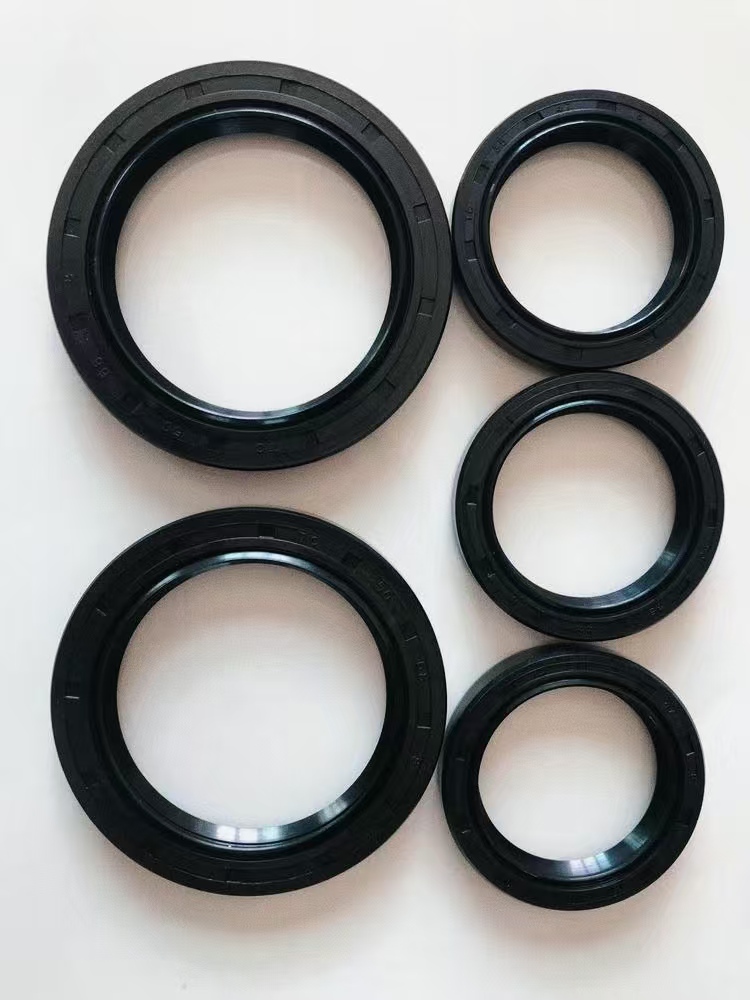
Cat wins on housing longevity and carrier integration for all-Cat fleets. Sandvik wins on flow adaptability and nitrogen-free field maintenance — relevant when the nearest service point is hours away. HOVOO and HOUFU supply compatible seal kits for both platforms rated for abrasive mining conditions. Spec at https://www.hovooseal.com/
Cat H160E hydraulic hammer | Sandvik BR300 mining breaker | mining hydraulic hammer comparison | HOVOO | HOUFU | hovooseal.com


