

 EN
EN
 AR
AR CS
CS DA
DA NL
NL FI
FI FR
FR DE
DE EL
EL IT
IT JA
JA KO
KO NO
NO PL
PL PT
PT RO
RO RU
RU ES
ES SV
SV TL
TL IW
IW ID
ID LV
LV SR
SR SK
SK VI
VI HU
HU MT
MT TH
TH TR
TR FA
FA MS
MS GA
GA CY
CY IS
IS KA
KA UR
UR LA
LA TA
TA MY
MY
There are more types of hydraulic pumps in active industrial and mobile service than most engineers work with in any given career. Gear pumps, vane pumps, axial piston pumps, radial piston pumps, hydrostatic units, digital displacement pumps — the list keeps going. Understanding how each type works, and where each type genuinely belongs, is worth the time it takes to develop.
Fixed Displacement Pump
A fixed displacement pump moves the same volume of fluid per shaft revolution regardless of load. Gear pumps are the most common implementation: two meshing gears inside a close-tolerance housing carry fluid in the tooth spaces from inlet to outlet. Simple, robust, tolerant of contamination, inexpensive. The efficiency ceiling is moderate and the flow cannot be varied without changing shaft speed, but for steady-load applications those limitations are acceptable.
Variable Displacement Pump
Variable displacement pumps adjust stroke length to match output to demand. The axial piston pump with adjustable swashplate is the dominant design: changing the swashplate angle changes piston stroke and therefore displacement. Danfoss variable displacement designs add sophisticated control options — pressure compensation, load sensing, power limiting — that optimize efficiency across the full operating range. The higher cost relative to fixed displacement pumps is recovered through energy savings in most variable-load applications within a few years.
Hydrostatic Pump
A hydrostatic pump operates in a closed circuit — pump output goes directly to a hydraulic motor and back, with a small charge circuit maintaining minimum inlet pressure. Speed and direction of the motor are controlled entirely by the pump's variable displacement mechanism and flow direction. No directional valves, no throttling. Hydrostatic pump circuits are standard in agricultural and mobile machinery where continuously variable speed and efficient power transmission under varying load matter most.
Single and Double Vane Pumps
Vane pumps use radially sliding vanes in a slotted rotor turning inside a cam ring. Single vane pump designs have one pumping chamber; double vane pump configurations use two chambers on opposing sides of the rotor, canceling radial bearing loads and extending service life. Vane pumps run quieter than gear pumps and suit steady industrial hydraulic system service at moderate pressures. Their contamination sensitivity is higher than gear pumps but lower than axial piston designs.
Pump Type |
Pressure Range |
Efficiency |
Noise |
Cost |
Gear (fixed disp.) |
Up to 250 bar |
Moderate |
High |
Low |
Vane (single/double) |
Up to 175 bar |
Good |
Low |
Medium |
Axial piston (variable) |
Up to 420 bar |
Excellent |
Medium |
High |
Hydrostatic |
Up to 480 bar |
Very High |
Low–Medium |
High |
Digital displacement |
Up to 350 bar |
Highest |
Low |
Premium |
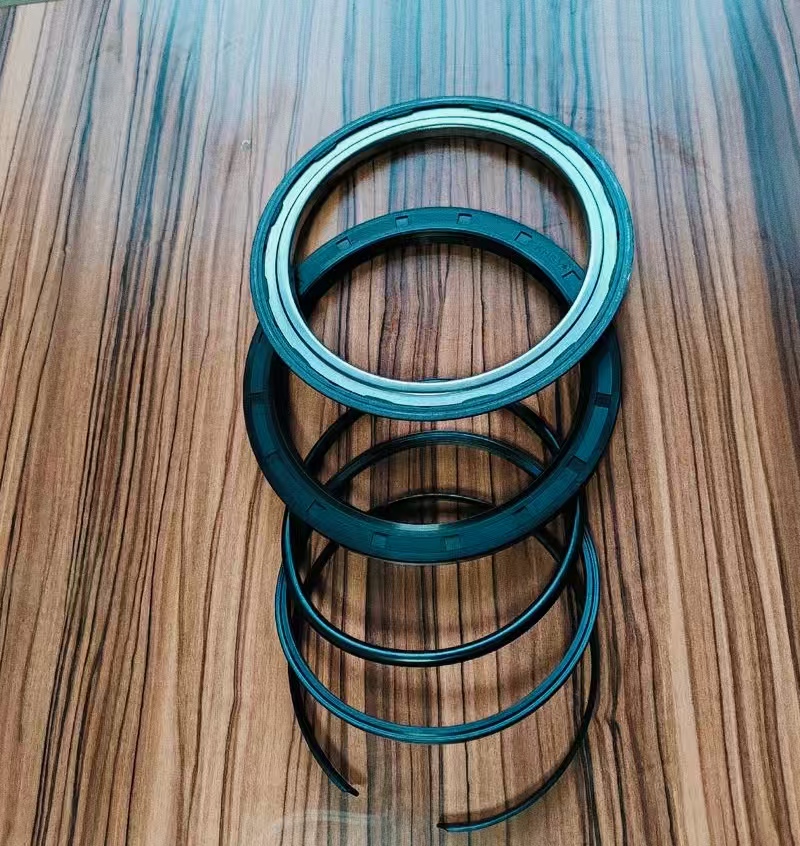
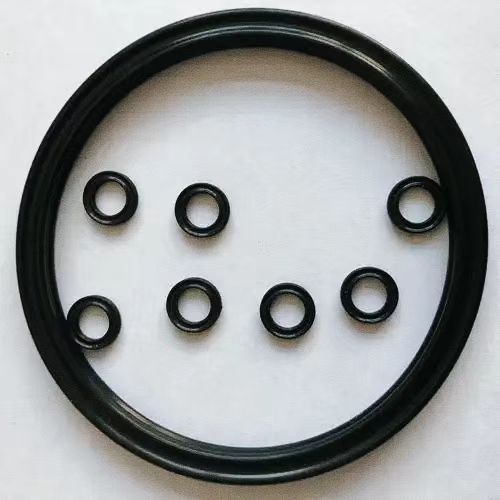
HOVOO / HOUFU provides hydraulic pump seal kits across all pump types and major manufacturers including Danfoss. HOUFU seal kits are stocked for fast dispatch. Visit hovooseal.com.
Source: www.hovooseal.com


