

 EN
EN
 AR
AR CS
CS DA
DA NL
NL FI
FI FR
FR DE
DE EL
EL IT
IT JA
JA KO
KO NO
NO PL
PL PT
PT RO
RO RU
RU ES
ES SV
SV TL
TL IW
IW ID
ID LV
LV SR
SR SK
SK VI
VI HU
HU MT
MT TH
TH TR
TR FA
FA MS
MS GA
GA CY
CY IS
IS KA
KA UR
UR LA
LA TA
TA MY
MY
A hydraulic breaker is only as useful as its ability to mount on the machine in front of you. Mismatched pin diameters, wrong ear width, or a carrier that uses a non-standard coupler system — any of these stops the job before the chisel touches anything. Adapter plates and mounting brackets are what close those gaps, and understanding the options saves time and money on both ends of a purchase.
What the Numbers Mean
Every excavator dipper arm has a specific pin diameter, pin-to-pin centre distance, and ear width at the attachment point. A mounting bracket is essentially a bottom plate with two ears welded on, sized to match those dimensions exactly. When the breaker and excavator are from different brands — a BEILITE BLT on a Komatsu PC220, for instance, or a Cat-spec hammer on a Hyundai R320 — the adapter plate bridges the dimensional gap without modifying the breaker itself.
Standard brackets cover the major OEM configurations without custom drawings. Cat-style OEM retention systems, pin-grabber quick couplers, and common Komatsu, Hitachi, Volvo, and SANY carrier dimensions are all addressed by off-the-shelf stock. For imported or unusual excavator models, a custom fabricated plate requires the buyer to supply pin spacing, ear width, and centre-to-centre measurements — any competent fabrication shop can work from those numbers. The flat plate is skimmed for flatness to prevent stress fractures on the breaker's main casing, and bosses are bore-aligned for easy fitting.
Quick Coupler vs. Direct Pin — What to Choose
Direct pin mounting is the more rigid connection and handles the constant vibrational forces of hammering with less movement at the joint. It suits a breaker assigned to one excavator long-term. Quick coupler adapters allow the same breaker to rotate across multiple machines in a fleet — useful for municipal teams or contractors who share attachments. The trade-off is that horizontal-type brackets generally don't lend themselves to quick coupler attachment, so the decision between mounting style affects which coupler options are available.
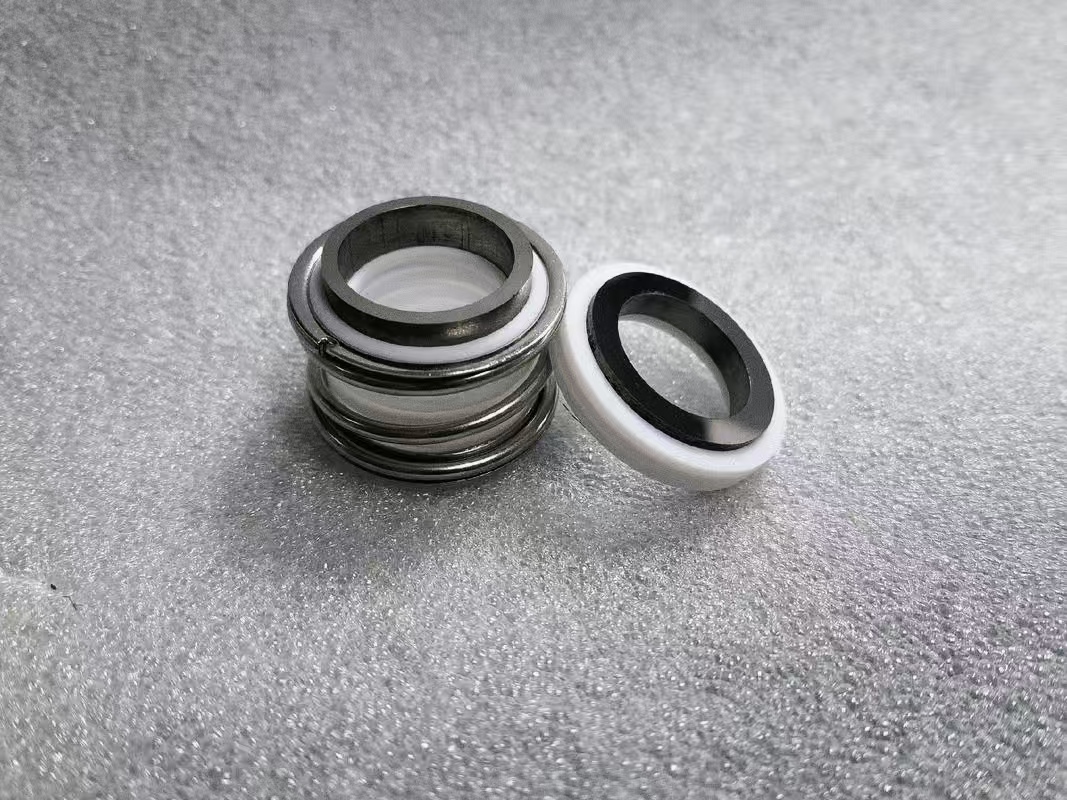
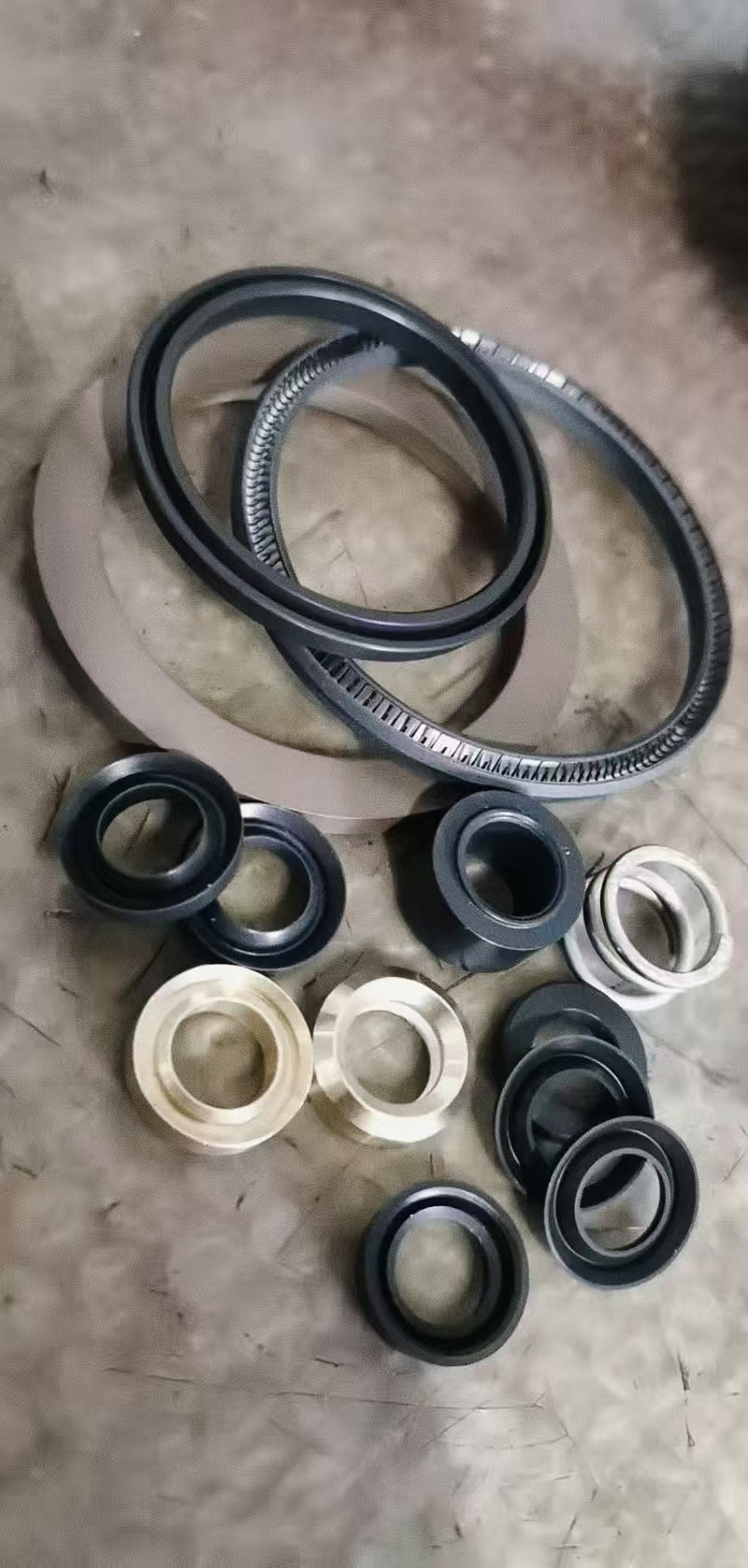
One attachment bought with two mounting brackets can be used with two different machines, swapped as needed. Dual or combo mounts go further, letting a single breaker operate from both a skid steer and a backhoe by releasing one interface and attaching the other. HOVOO and HOUFU supply hardened pins, bushings, and seal kits for mounting interfaces across all major excavator brands — grease channels in the pins are standard, ensuring the joint stays lubricated through shift changes. Details at https://www.hovooseal.com/
Bracket Types and When to Use Each
Bracket Type |
Best Fit Scenario |
Key Requirement |
Standard pin-on bracket |
Single dedicated excavator, long-term use |
Pin diameter + ear width matched to carrier dipper arm |
Quick coupler adapter |
Fleet rotation across multiple machines |
Coupler pattern (Cat-style, pin-grabber, etc.) verified |
Custom fabricated plate |
Non-standard carrier, imported excavator |
Drawings with pin spacing, ear width, centre-to-centre |
Dual / combo mount |
Breaker swaps between skid steer and excavator |
Both mount interfaces pre-fitted and torqued correctly |
Before ordering any adapter, confirm three numbers: pin diameter, ear width, and centre-to-centre pin distance. Get them from the excavator's operator manual or measure directly. A bracket built from wrong dimensions delays the job by days. Get it right once and the breaker installs in an hour.
hydraulic breaker adapter plate | custom mounting bracket excavator | breaker quick coupler adapter | hydraulic hammer mounting | HOVOO | HOUFU | hovooseal.com


