

 EN
EN
 AR
AR CS
CS DA
DA NL
NL FI
FI FR
FR DE
DE EL
EL IT
IT JA
JA KO
KO NO
NO PL
PL PT
PT RO
RO RU
RU ES
ES SV
SV TL
TL IW
IW ID
ID LV
LV SR
SR SK
SK VI
VI HU
HU MT
MT TH
TH TR
TR FA
FA MS
MS GA
GA CY
CY IS
IS KA
KA UR
UR LA
LA TA
TA MY
MY
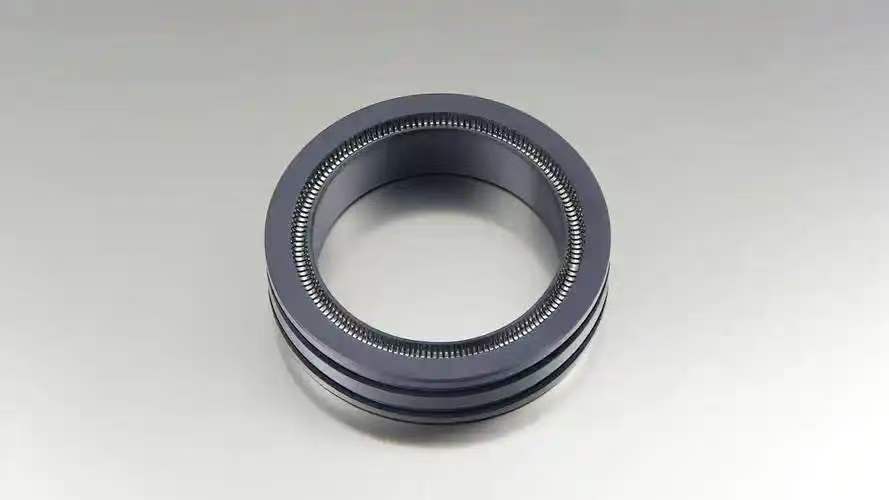
A contractor once tried breaking basalt with a 10-ton breaker on a 20-ton excavator. The breaker was undersized. The operator kept blank-firing. Result: overheated oil, worn bushings, failed seals, and a repair bill that wiped out the week's margin. Wrong match. Entirely avoidable. Failure to match the breaker to the excavator is the leading cause of catastrophic attachment failure — not wear, not poor maintenance, not bad luck.
The Three Numbers That Determine Fit
Carrier weight class is the starting point. A breaker should weigh roughly 10–15% of the excavator's operating weight. Too light and it bounces off hard material, sending recoil into the boom. Too heavy and the machine tips at full reach. Neither is a hypothetical — both happen regularly on mixed-fleet sites where attachments get swapped without checking specs.
Flow and pressure are where most mismatches actually occur. If the excavator supplies too little flow, the hammer runs at low frequency with weak strikes. Too much flow causes overheating. AEM data shows that hydraulic breakers operating outside their specified flow range lose nearly 20% of their rated performance. The fix is straightforward: set the relief valve 15–20% above the breaker's operating pressure and verify the auxiliary circuit output against the breaker's rated LPM range before the first shift.
Custom Processing for Non-Standard Configurations
Most standard excavator models — Cat, Komatsu, Hitachi, SANY, Volvo, Hyundai — have off-the-shelf breaker matches available. Non-standard carriers, imported machines with unusual hydraulic specs, or operations running breakers across multiple carrier types require custom-processed configurations. That means adapter plates machined to specific pin dimensions, hydraulic line sizing adjusted for the carrier's auxiliary output, and chisel selection matched to the primary material on site rather than a generic recommendation.
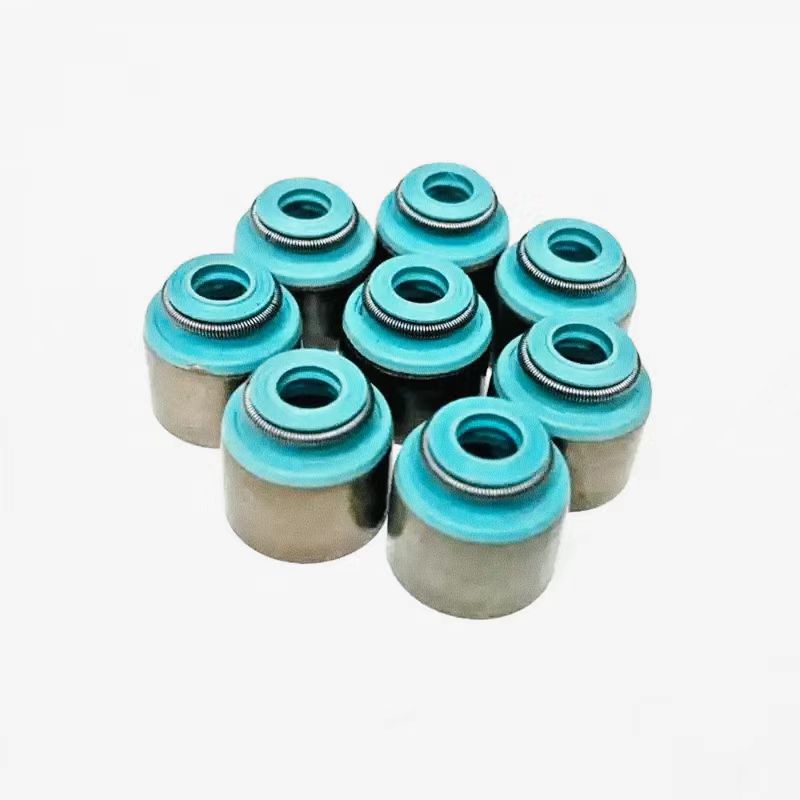
HOVOO and HOUFU supply seal kits and pins sized to custom configurations, including non-standard pin diameters and specialised bushing fits. Getting the seals right on a custom bracket matters — a poor seal fit at the mounting interface accelerates both bushing wear and hydraulic leakage. Details at https://www.hovooseal.com/
Common Mismatch Failures and Custom Remedies
Mismatch Type |
What Happens |
Custom Fix |
Breaker too heavy |
Instability at full reach; boom stress fractures over time |
Reconfigure to lighter model or adjust carrier class |
Flow too low |
Slow, weak strikes; breaker runs under-spec all shift |
Set relief valve 15–20% above breaker operating pressure |
Flow too high |
Oil overheating, cavitation damage to pump and seals |
Restrict auxiliary flow to breaker's rated LPM range |
Wrong chisel type |
Energy lost, tool deflects, bushing wears prematurely |
Match moil/chisel/blunt to material hardness and task |
excavator matched hydraulic breaker | custom breaker configuration | breaker excavator compatibility | model matching hydraulic hammer | HOVOO | HOUFU | hovooseal.com


