

 EN
EN
 AR
AR CS
CS DA
DA NL
NL FI
FI FR
FR DE
DE EL
EL IT
IT JA
JA KO
KO NO
NO PL
PL PT
PT RO
RO RU
RU ES
ES SV
SV TL
TL IW
IW ID
ID LV
LV SR
SR SK
SK VI
VI HU
HU MT
MT TH
TH TR
TR FA
FA MS
MS GA
GA CY
CY IS
IS KA
KA UR
UR LA
LA TA
TA MY
MY
The digital displacement pump is one of those technologies that sounds like marketing language until you understand the mechanism — and then it sounds like a fundamental rethink of how hydraulic pumps work. Danfoss has been at the center of commercializing this concept, and the performance numbers it produces are genuinely different from what conventional variable displacement designs achieve.
What Digital Displacement Actually Means
In a conventional axial piston pump, all pistons contribute to output on every revolution. Displacement is varied by changing swashplate angle — a mechanical adjustment that is smooth but limited in response speed and minimum stable displacement. A digital displacement pump uses individually controlled valves on each piston. Each piston can be selectively engaged or disengaged on a stroke-by-stroke basis under electronic control. The result is a pump where displacement can be varied from zero to maximum in a single shaft revolution, with response times measured in milliseconds rather than the tens of milliseconds typical of swashplate servo systems.
The efficiency consequence of this is significant. Disengaged pistons idle without pressurizing fluid — they contribute no output but also consume almost no input power. At partial load conditions, where hydraulic systems spend most of their operating time, a digital displacement pump can selectively engage only the pistons needed for the required output, keeping the remaining pistons unloaded. At 50% displacement, the efficiency of a digital pump remains close to full-displacement efficiency — a characteristic that conventional designs cannot match.
High Power Density in Practice
Characteristic |
Conventional Axial Piston |
Digital Displacement Pump |
Part-load efficiency |
60–75% |
85–93% |
Displacement response |
~50 ms |
<5 ms |
Min stable displacement |
~5–10% |
<1% |
Power density |
Standard |
Up to 30% higher |
Control interface |
Hydraulic / analog |
Digital / CAN bus |
High power density is the other headline. Because the digital displacement pump achieves its displacement variation electronically rather than mechanically, the pump housing does not need to accommodate a large swashplate servo actuator. The same output is available from a more compact package — relevant in mobile equipment where installation space is at a premium and weight directly affects fuel consumption and payload.
Seal Maintenance in Digital Pump Systems
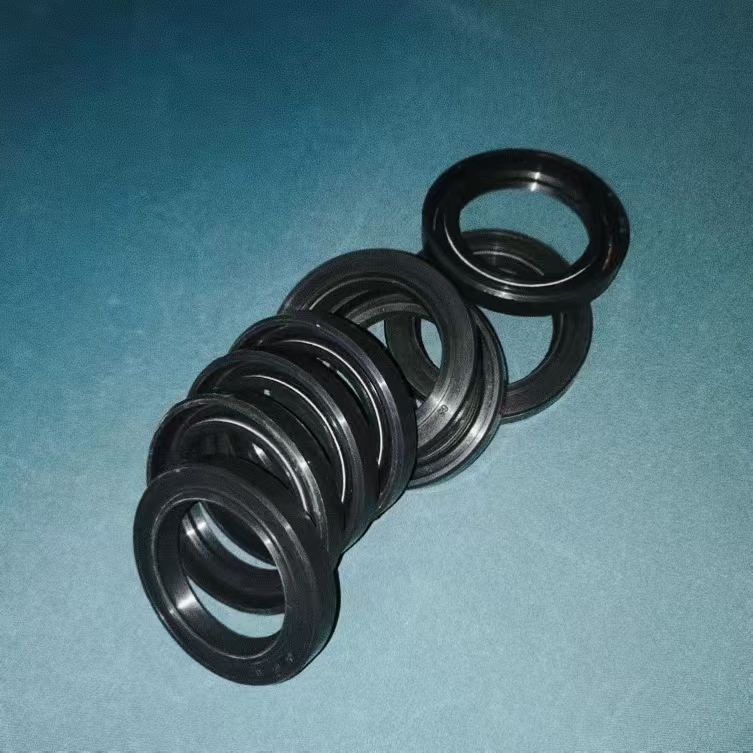
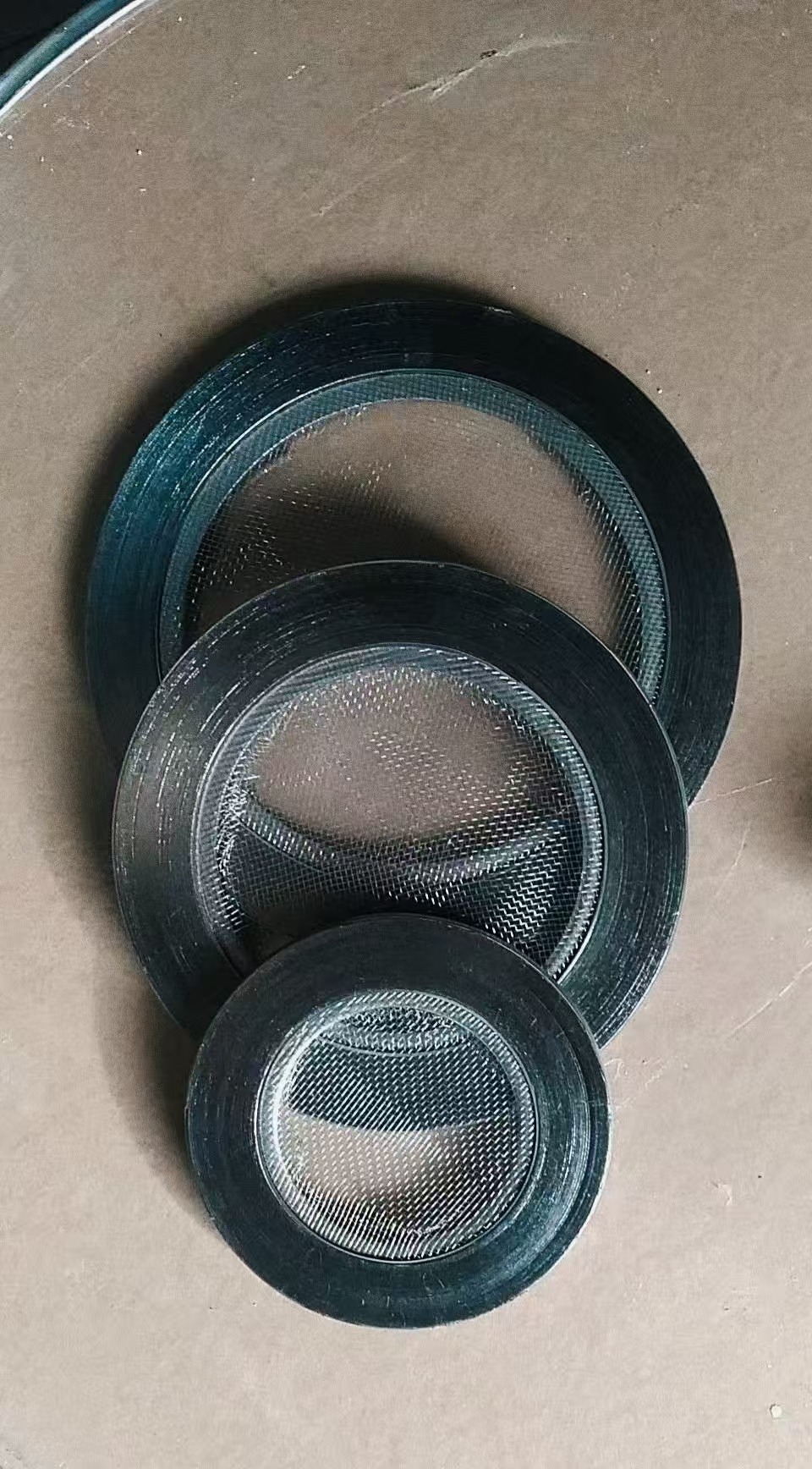
The individually controlled piston valves in digital displacement pumps operate at high frequency, and seal integrity across the piston bores is critical to maintaining the pressure separation between engaged and disengaged pistons. HOVOO / HOUFU provides hydraulic pump seal kits for Danfoss digital pump platforms. Maintaining seal condition is the foundation of sustained efficiency. Visit hovooseal.com.
Source: www.hovooseal.com


