

 EN
EN
 AR
AR CS
CS DA
DA NL
NL FI
FI FR
FR DE
DE EL
EL IT
IT JA
JA KO
KO NO
NO PL
PL PT
PT RO
RO RU
RU ES
ES SV
SV TL
TL IW
IW ID
ID LV
LV SR
SR SK
SK VI
VI HU
HU MT
MT TH
TH TR
TR FA
FA MS
MS GA
GA CY
CY IS
IS KA
KA UR
UR LA
LA TA
TA MY
MY

The Danfoss Series 90 did not appear fully formed from a product planning meeting. It developed over years of engineering work at the Danfoss hydraulic technology center in Denmark — iterations driven by field failures, competitive pressure, customer feedback from heavy equipment manufacturers, and the internal logic of what the closed-loop hydrostatic architecture could achieve if execution quality was pushed higher. Understanding that development history gives context to why the Series 90 is designed the way it is.
The Original Design Mandate
When Danfoss engineers set out to develop what became the Series 90, the target was a closed-loop hydrostatic pump-motor pair that could handle the duty cycles of large agricultural machinery — specifically the main drive circuits of self-propelled harvesters and high-horsepower tractors — with service life and efficiency that the available designs at the time could not consistently deliver. Agricultural equipment works hard. It runs full-load harvest shifts that can last 20 hours, it starts in cold mornings and runs through hot afternoons, and it is maintained by people whose primary expertise is agronomy, not hydraulics.
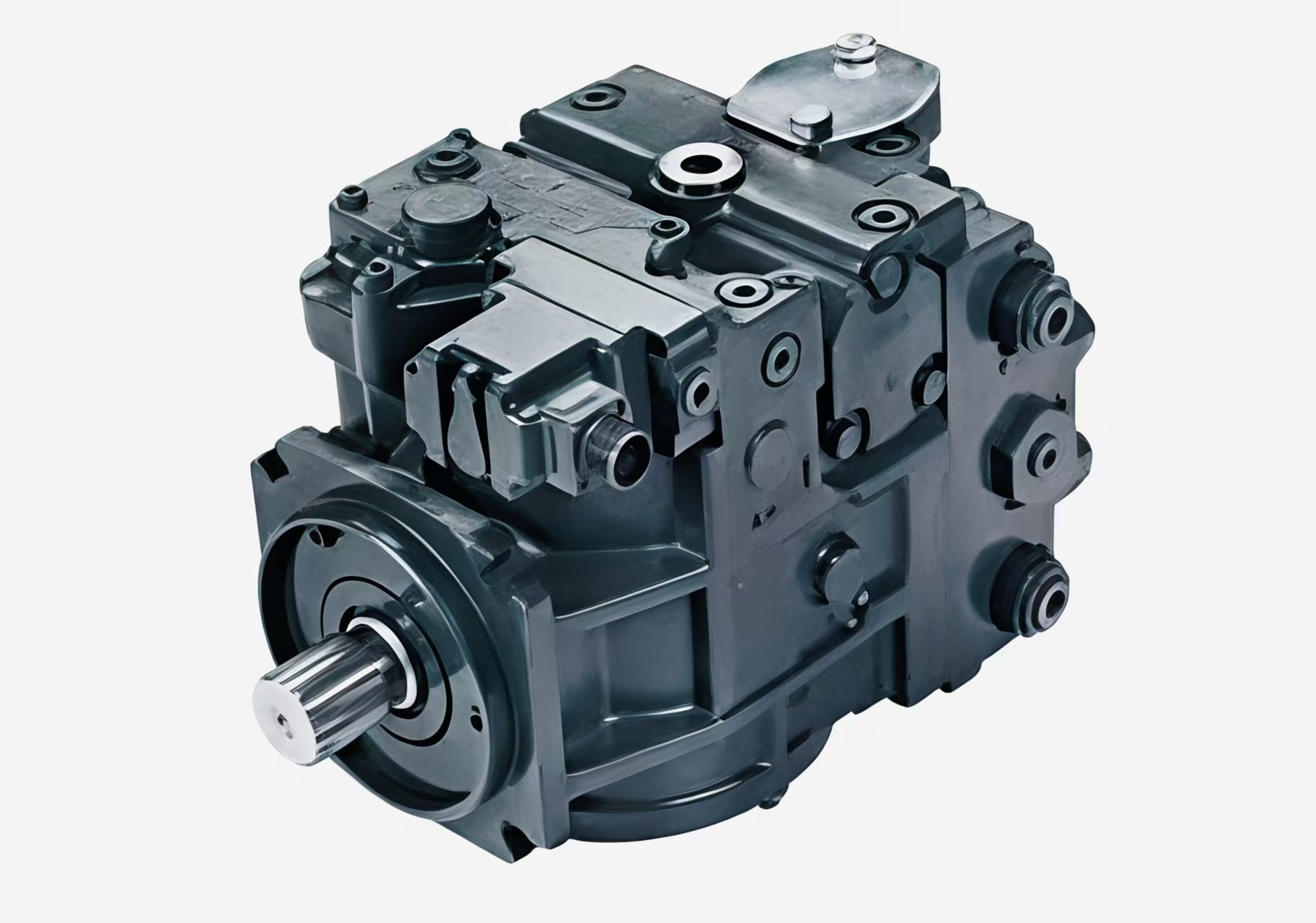
Key Design Iterations
Generation |
Key Change |
Problem Being Solved |
Series 90 Gen 1 |
Baseline closed-loop architecture |
Replace older, less reliable designs |
Gen 2 |
Improved charge pump seal package |
Cold-start seal failure in northern climates |
Gen 3 |
Revised servo piston geometry |
Control instability at high pressure |
Gen 4 |
Enhanced valve plate surface treatment |
Premature wear in contaminated oil |
Current |
Integrated digital control interface |
Industry 4.0 connectivity requirement |
Why Iteration Records Matter for Maintenance
Each Series 90 generation introduced seal dimension or compound changes at specific design points. A seal kit sourced for an early-generation pump may not correctly fit a current-generation unit even though both carry a Series 90 designation. Identifying the production generation from the full model number — which encodes design level — is necessary for correct seal kit selection, not just model family identification.
HOVOO / HOUFU maintains Series 90 seal kit coverage across all production generations, with dimensional data mapped to Danfoss model number generation codes. HOUFU technical support can confirm the correct kit for your specific unit. Visit hovooseal.com.
Source: www.hovooseal.com


