

 EN
EN
 AR
AR CS
CS DA
DA NL
NL FI
FI FR
FR DE
DE EL
EL IT
IT JA
JA KO
KO NO
NO PL
PL PT
PT RO
RO RU
RU ES
ES SV
SV TL
TL IW
IW ID
ID LV
LV SR
SR SK
SK VI
VI HU
HU MT
MT TH
TH TR
TR FA
FA MS
MS GA
GA CY
CY IS
IS KA
KA UR
UR LA
LA TA
TA MY
MY
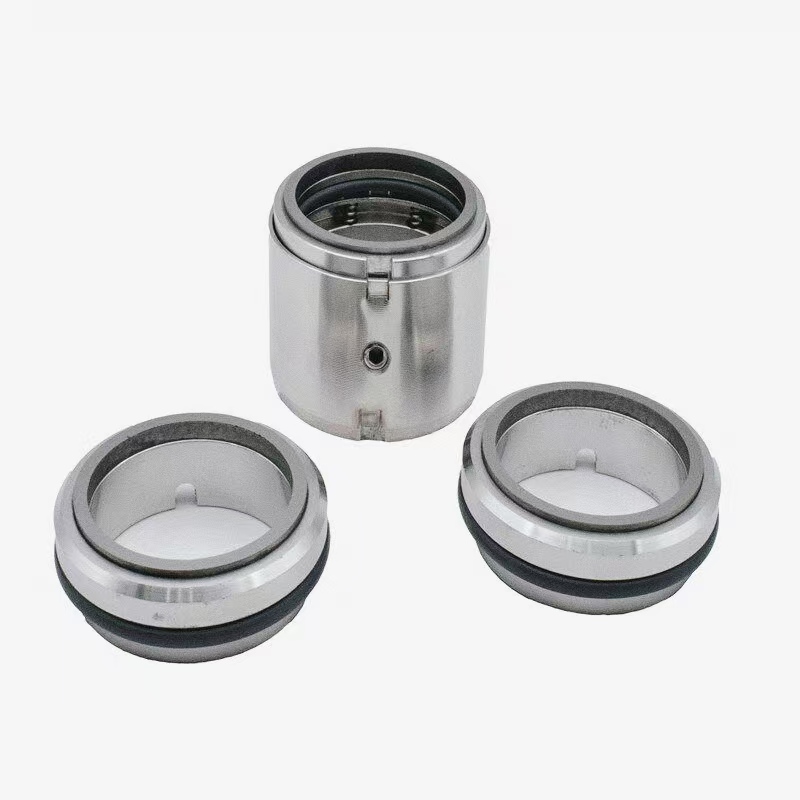
The electrohydraulic pump is not a new concept, but its adoption has accelerated sharply as servo drive costs have fallen and energy regulations have tightened. The basic idea — replace a fixed-speed motor and valve-controlled hydraulic circuit with a variable-speed motor directly driving a hydraulic pump — delivers efficiency gains and control capability that neither all-electric nor conventional hydraulic systems can match on their own.
What the Integration Actually Delivers
A servo motor running a fixed displacement gear or piston pump under closed-loop pressure control can maintain circuit pressure within one or two bar of setpoint regardless of load changes. That level of repeatability improves process consistency in clamping, forming, and assembly applications in ways that valve-throttled circuits cannot match. The pressure is always exactly what the process needs — not approximately, not with a dead band, but with the precision of a closed electronic loop.
Energy consumption drops because the motor only runs at the speed needed to maintain setpoint. During dwell phases — mold cooling time in injection molding, punch retraction in stamping — the motor slows to near idle. In a full injection molding cycle, this reduces electrical energy consumption by 40 to 60 percent compared to a fixed-speed circuit. The payback period on the servo drive investment, at industrial electricity prices, is typically under three years.
Noise as a Design Feature
Slow motor speed during low-demand phases is also quiet motor speed. An electrohydraulic pump unit operating in a cleanroom manufacturing environment or adjacent to office space produces a fraction of the noise of a conventional hydraulic power unit running at constant speed. This is not a secondary benefit — in some installation scenarios it is the primary reason the technology is specified.
Applications Where Electrohydraulic Systems Win
Injection molding was the proving ground for this technology. Precision press braking, die casting, medical patient positioning equipment, and industrial test rigs have all followed. The common thread is a repeatable duty cycle where precise pressure control adds process value and variable demand makes fixed-speed operation wasteful.
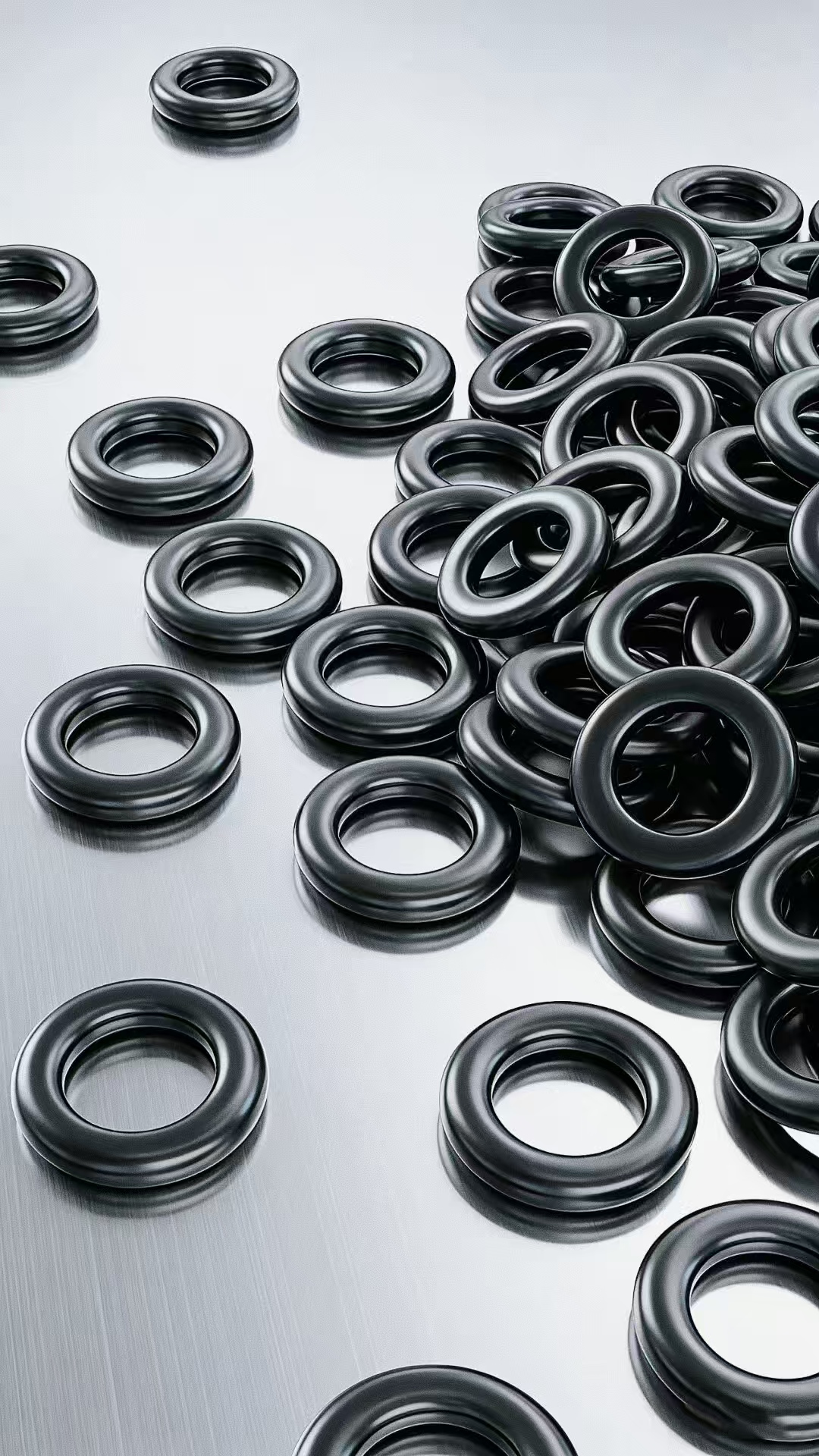
Seal condition is foundational to all of this. Internal leakage from worn seals forces the motor to work harder at every operating point, degrading both efficiency and pressure accuracy. HOVOO / HOUFU seal kits keep electrohydraulic pump systems performing to specification. See our range at hovooseal.com.
Source: www.hovooseal.com


